Guides
Ladolea: A Peloponnese Family Farm's Olive Oil, Bottle by Bottle
Tucked into the hills of southern Greece, family farm Ladolea has built its reputation on single-variety Koroneiki, early-harvest discipline, and three generations of unbroken stewardship. Here is how terroir and craft end up in one bottle.
Translated from the Korean edition, originally published July 13, 2026 · read the original
The Peloponnese: Olive Country
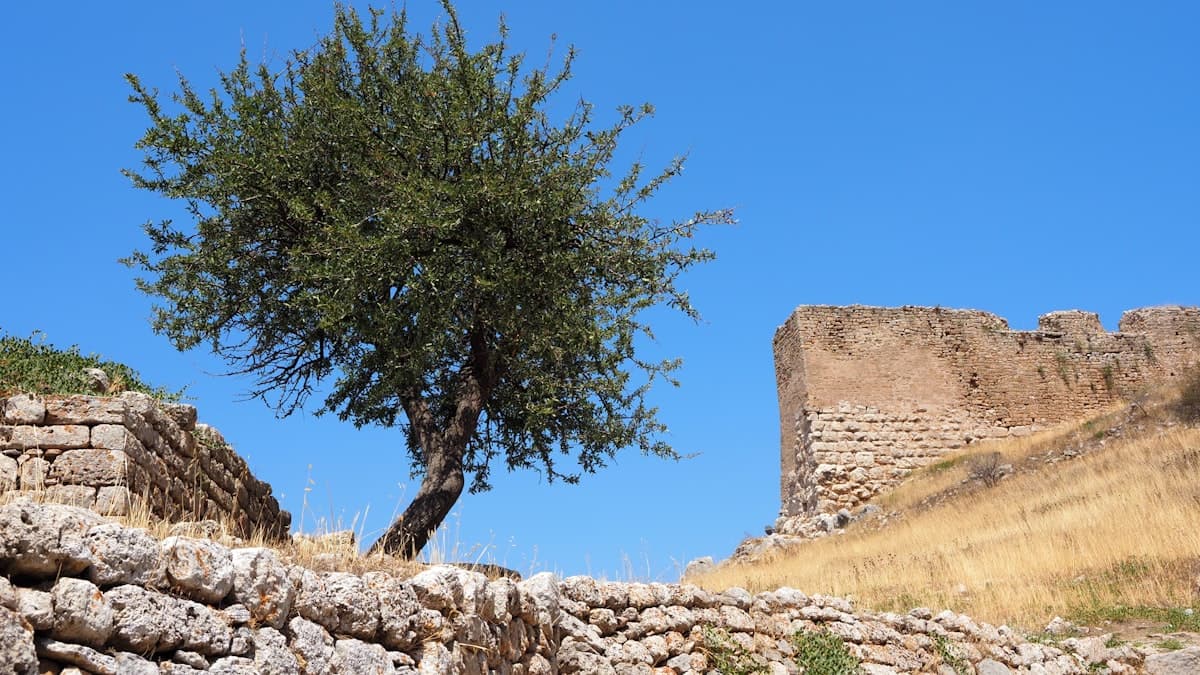
The Peloponnese peninsula, reaching down into southern Greece, is one of Europe's most significant olive-growing regions. According to the International Olive Council (IOC), Greece accounts for roughly 10–13% of global extra virgin olive oil production, with the Peloponnese responsible for more than half of that domestic output. The rolling hills running through Corinth, Kalamata, and Laconia are dense with trees hundreds of years old — and it is among them that the family farm known as Ladolea has put down its roots.
Ladolea operates as an Athens-based brand, but its olives come exclusively from fixed estate plots within the Peloponnese. The founding family has farmed the same land across three generations, and that continuity shapes the brand's entire identity. Even the name carries the connection: Ladolea derives from a Greek dialect word meaning 'olive grove.'
Koroneiki: A Small Fruit with Considerable Force
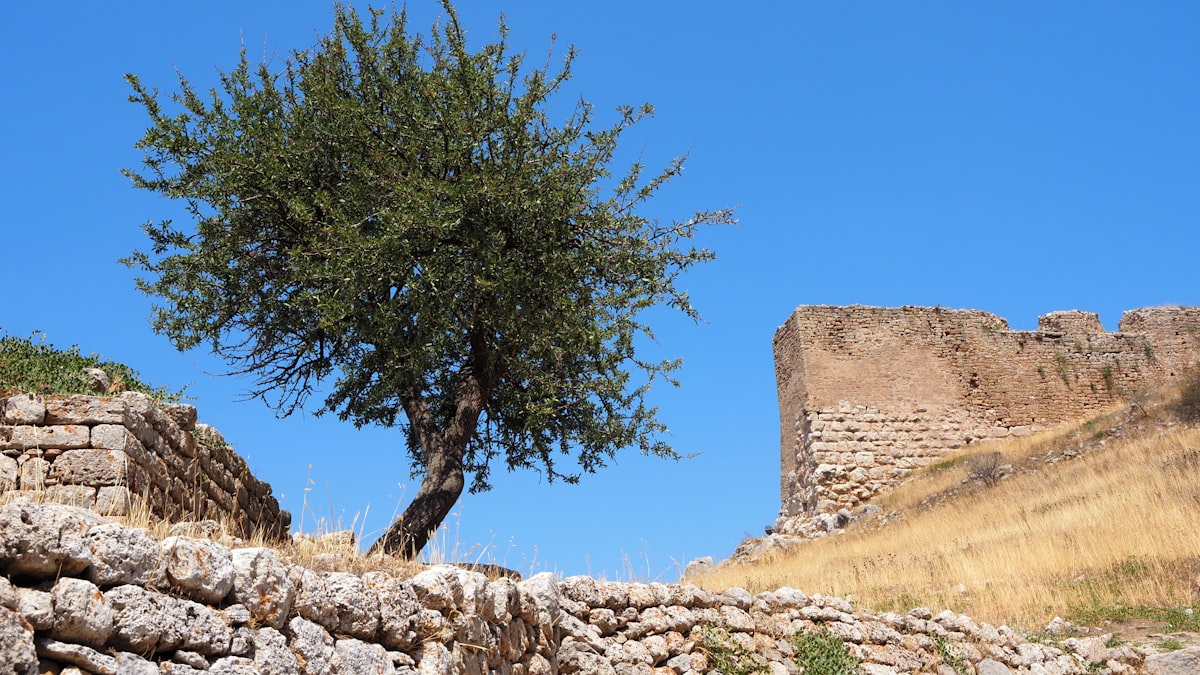
Ladolea's flagship variety is Koroneiki. The fruit itself is diminutive, but the oil it yields is renowned for high polyphenol content and a pronounced green-herb intensity. According to IOC variety data, Koroneiki covers approximately 50–60% of Greece's planted olive area and has been reported to show high phenolic compound concentrations when harvested early.
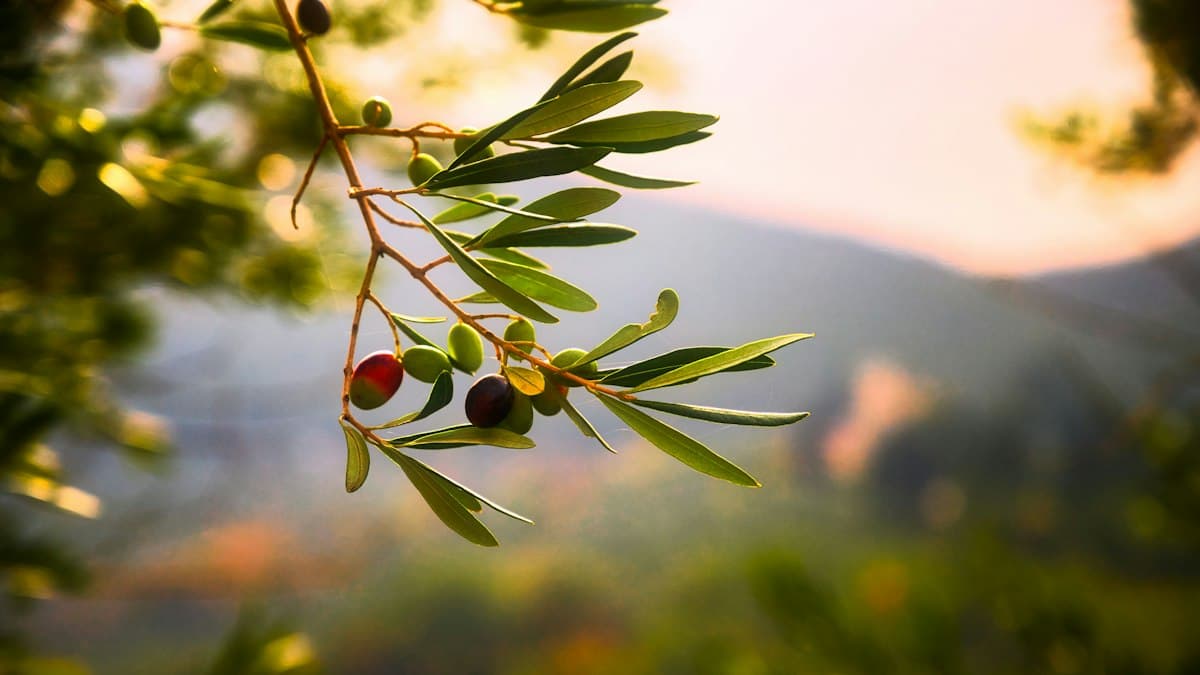
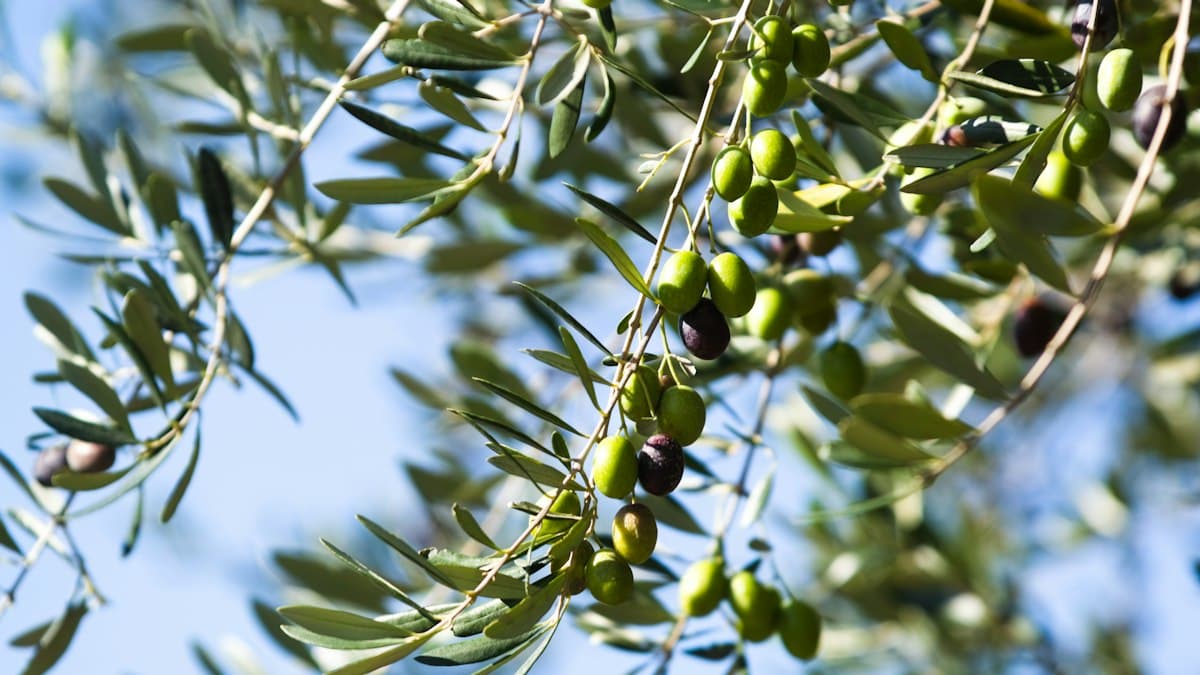
Each year, Ladolea begins picking in late October to early November, precisely when the fruit is transitioning from green to violet — a strategy known as early harvest. The goal is to hold acidity down and preserve polyphenols at their peak. Researchers at the University of Córdoba have reported that earlier harvest timing is associated with significantly higher concentrations of phenolic compounds including oleocanthal and oleacein. Ladolea's published quality certificates consistently record acidity below 0.2% and polyphenol content above 400 mg/kg.
The Craft of Extraction
Once picked, olives are transferred to the nearby pressing facility within 24 hours. The longer the gap between harvest and pressing, the more oxidation advances — acidity rises and aromatic complexity diminishes. Ladolea maintains cold extraction throughout, keeping temperatures at or below 27°C. Under European Union regulation EC No 1019/2002, producers may label their oil 'cold extracted' when processing remains within that threshold.
Packaging is an equally deliberate choice. Because exposure to light and oxygen accelerates oxidation, Ladolea's premium range pairs inert-gas filling with opaque, light-blocking glass vessels. A study published in the journal Food Chemistry reported that extra virgin olive oil stored in light-blocking containers retained meaningfully higher polyphenol levels after 18 months compared with oil kept in clear glass.
Sustainability and the Family Farm's Future
Ladolea farms without herbicides and with minimal synthetic fertiliser, managing soil fertility through compost and running drip-irrigation systems to conserve water. According to an agricultural-environment report from the European Commission, small-scale Mediterranean family farms measure biodiversity indicators roughly 30% higher per unit area on average than large industrial operations.
The broader premium olive oil market is also expanding. According to food consultancy Mintel, the premium and single-origin olive oil category has recorded average annual growth of 7–9% across major consumer markets since the early 2020s, with terroir storytelling reported to have an increasing influence on purchase decisions. That is precisely the ground Ladolea occupies: transparent answers to who grew the oil, where, and how.
A Practical Guide to Choosing Well
Ladolea's story offers more than a brand profile — it gives consumers a working checklist for any bottle they pick up. The IOC's extra virgin olive oil threshold sets acidity at or below 0.8% and peroxide value at or below 20 meq/kg, but premium-tier oils typically hold below 0.3% acidity and above 300 mg/kg in polyphenols.
Frequently cited quality signals include: a stated harvest or campaign year, single-farm or single-variety sourcing, verified cold extraction, and light-protective packaging. The bitter, peppery finish characteristic of Greek oils — felt at the back of the throat — originates from oleocanthal and oleacein; many specialists regard a stronger sensation there as an indicator of higher phenolic content.
The constraints of a family farm turn out to be an advantage. A shorter chain from harvest to pressing to bottling means fewer points where outside variables can intervene. Ladolea is regarded as a case study in combining that short chain with three generations of farmer intuition and rigorous modern quality standards.
Frequently asked questions
- What cultivar does Ladolea use for its olive oil?
- Ladolea focuses on Koroneiki, the dominant cultivar in Greece, accounting for roughly 50–60% of the country's planted olive area according to International Olive Council variety data. Despite producing a small fruit, Koroneiki yields oil with notably high polyphenol content and a vivid green-herb character, particularly when harvested early.
- What does 'early harvest' mean for olive oil quality?
- Early harvest refers to picking olives before they are fully ripe — typically when the fruit is just beginning to turn from green to violet. Research from the University of Córdoba has reported that earlier harvest timing is associated with significantly higher concentrations of phenolic compounds such as oleocanthal and oleacein. Ladolea starts picking in late October to early November for this reason.
- What acidity and polyphenol levels does Ladolea report?
- According to Ladolea's published quality certificates, the oil consistently shows acidity below 0.2% and polyphenol content above 400 mg/kg. For reference, the International Olive Council's threshold for extra virgin classification is acidity at or below 0.8%, while premium-tier oils typically stay below 0.3% acidity and above 300 mg/kg in polyphenols.
- Does the type of bottle or packaging really affect olive oil quality?
- It can matter significantly. Exposure to light and oxygen accelerates oxidation. A study published in the journal Food Chemistry reported that extra virgin olive oil stored in light-blocking containers retained meaningfully higher polyphenol levels after 18 months compared with oil kept in clear glass. Ladolea's premium range combines opaque glass with inert-gas filling to limit oxidation from the moment of bottling.
- What should I look for when buying a quality extra virgin olive oil?
- Experts frequently cite several checkpoints: a stated harvest or campaign year, single-farm or single-variety sourcing, cold extraction (permitted on EU labels under EC No 1019/2002 when processing stays at or below 27°C), and light-protective packaging. A peppery sensation at the back of the throat — the hallmark of Koroneiki and other high-phenol oils — is widely regarded by tasters as a signal of elevated oleocanthal and oleacein content.
Related reading
- Spain, Italy, Greece: How the Three EVOO Heartlands Taste Different
Spain, Italy, and Greece together account for more than 80 percent of the world's extra virgin olive oil, according to the International Olive Council — yet the flavors they produce could hardly be more distinct.
- Premium EVOO at Every Price Point: A Global Farm Map
Within the global premium EVOO tier, estates cluster around a consistent set of signals — single origin, single cultivar, and published lab results. This guide charts the farms and labels that define that space, from Andalusia to California.
- Greece's Premium EVOO Producers: Three Regions, One Cultivar
From the PDO groves of eastern Crete to a high-polyphenol estate near Sparta, Greek premium EVOO converges on a single cultivar — Koroneiki. Here are the producers shaping that conversation.
- Koroneiki: The Cultivar Behind More Than Half of All Greek EVOO
One cultivar accounts for the majority of Greece's extra virgin olive oil output. Here is why Koroneiki became the country's industry standard — and what to look for on the label.
- Sitia PDO: The Koroneiki Standard from Eastern Crete
Gaea Sitia PDO is a premium extra virgin olive oil made from early-harvest Koroneiki olives grown in the eastern reaches of Crete, protected under the EU's strictest geographical designation. From its limestone terroir and polyphenol profile to its signature peppery finish, here is why it draws attention from food lovers and wellness-conscious consumers alike.
- Sakellaropoulos of Laconia: Greece's High-Polyphenol Benchmark
Nestled in the rugged mountains of Laconia in the southern Peloponnese, Sakellaropoulos Oligan has become a reference point for high-polyphenol extra virgin olive oil. Here is how more than four decades of production philosophy and the Koroneiki cultivar come together in a single bottle.
Tags
- greek olive oil
- koroneiki
- extra virgin olive oil
- single origin
- peloponnese
- family farm