Guides
Sicily's Two Benchmark Estates: Centonze, Mandranova, and the Case for Native Cultivars
On Sicily's sun-scorched western and southern hillsides, Centonze and Mandranova tend centuries-old groves of Nocellara del Belice and Biancolilla — two native cultivars that define what premium Sicilian extra virgin olive oil can be.
Translated from the Korean edition, originally published July 13, 2026 · read the original
Sicily's Place in the Olive Oil World
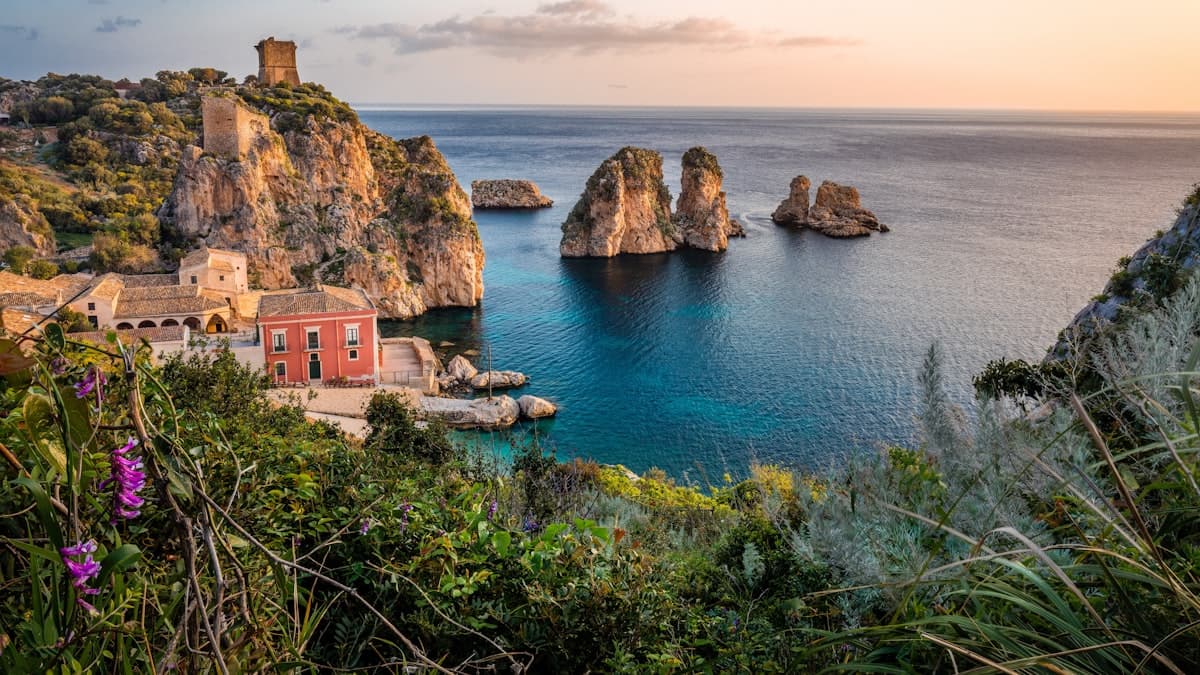
Sicily, Italy's southernmost island, is one of the Mediterranean's most significant olive oil producing regions, generating more than 10,000 tonnes of extra virgin olive oil each year. According to data from Italy's Ministry of Agricultural, Food and Forestry Policies (MIPAAF), approximately 20 percent of the island's total agricultural land is given over to olive cultivation, and the number of zones holding DOC or DOP certification has grown steadily. Intense sunshine, wide day-to-night temperature swings in the interior, and mineral-rich limestone soils are reported to contribute to high polyphenol content and a distinctive flavour character in the fruit.
Farms that tend groves of decades- or centuries-old trees and produce single-cultivar oils from them have drawn serious attention from the international fine-food community. Among the most consistently cited are Centonze, based near Trapani in the west, and Mandranova, situated in the province of Agrigento to the south — two estates whose names appear in almost every serious conversation about premium Sicilian EVOO.
Centonze: The Essence of Nocellara del Belice
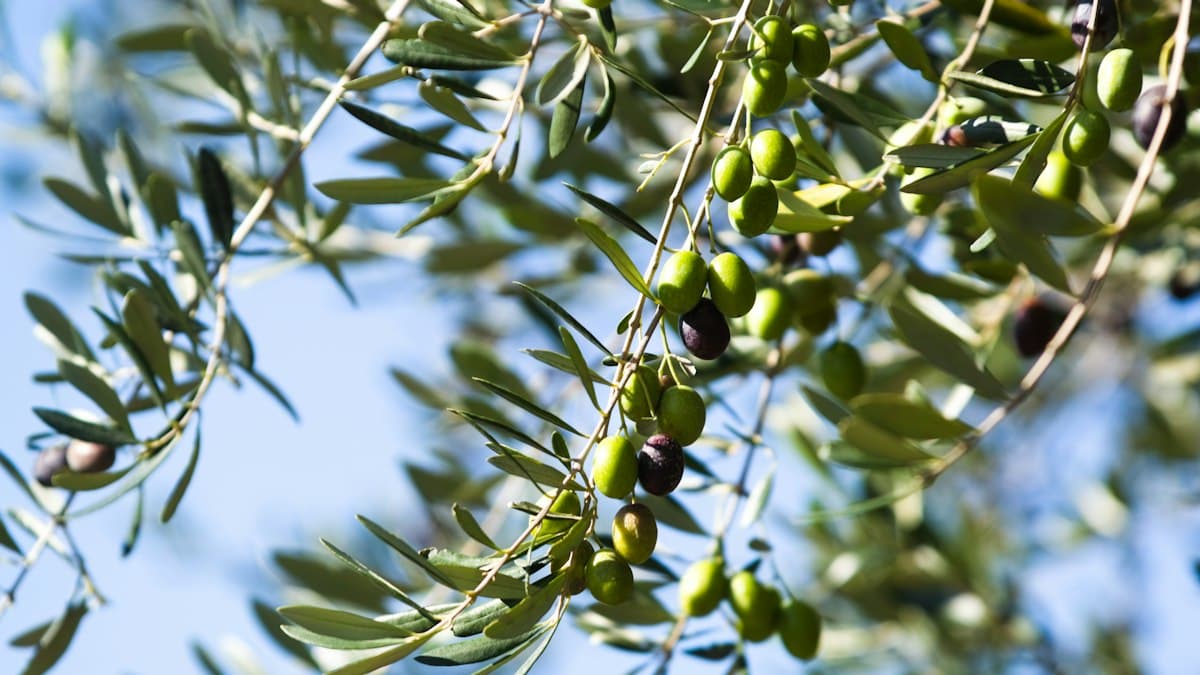
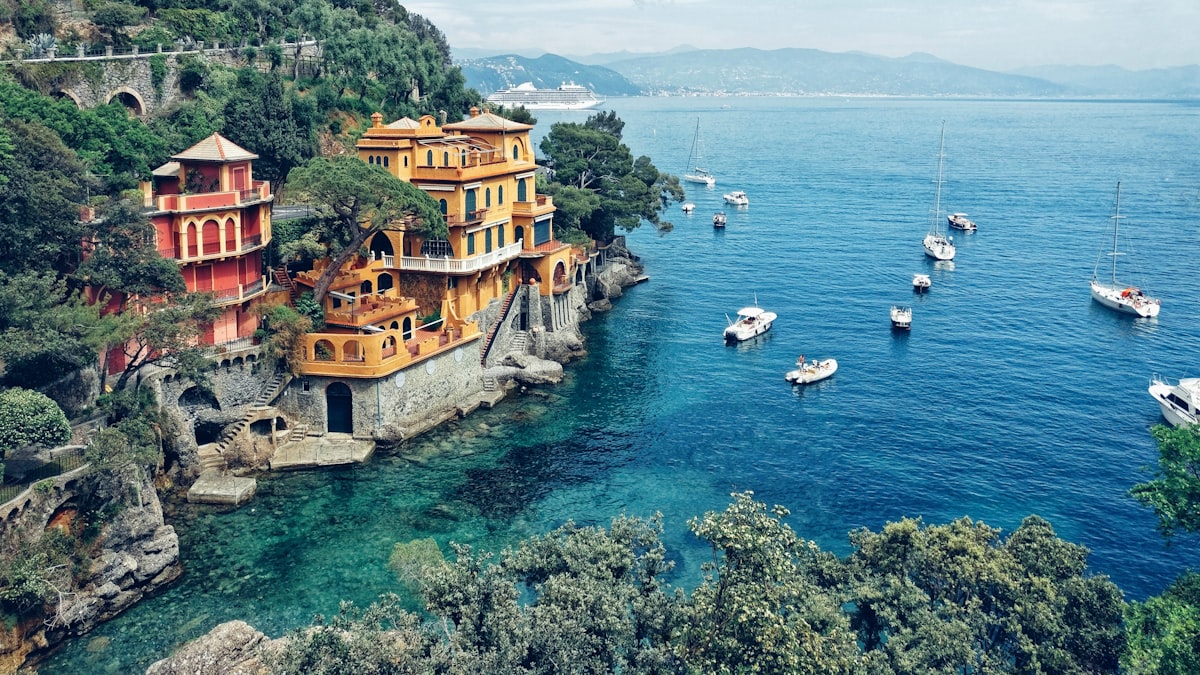
Centonze is located near Castelvetrano in the province of Trapani — the heartland of Nocellara del Belice, a cultivar prized both as a table olive and as an oil variety. Nocellara del Belice holds EU DOP (Protected Designation of Origin) status, and according to records in the EU's official cultivar database, the variety is characterised by notes of ripe tomato, almond, and artichoke.
Centonze operates on certified organic principles, using no pesticides or herbicides, and hand-harvests its fruit to minimise bruising. The estate's stated practice is to complete cold-press extraction within 24 hours of harvest — a step the farm says contributes to low acidity and high polyphenol retention. The resulting oil is reported to come in well below the International Olive Council (IOC) threshold of 0.8 percent free fatty acid acidity that defines the extra virgin grade.
Centonze oils are typically described as having fresh grass aromas, green herb notes, and a pronounced peppery finish. That pungency is associated in the scientific literature with oleocanthal, a polyphenol-class compound. The oil shows to best advantage as a finishing oil used raw — drizzled over a dish at the last moment rather than cooked.
Mandranova: Biancolilla and the Art of Multi-Cultivar Blending
Mandranova sits near Palma di Montechiaro in the province of Agrigento, working across several dozen hectares of hillside groves in Sicily's central-south interior. The estate's signature cultivar is Biancolilla, known for its delicate floral character and soft notes of almond and fresh apple. Where Nocellara del Belice leans toward intensity and pungency, Biancolilla is valued for the equilibrium it strikes between gentle sweetness and mild bitterness.
Alongside Biancolilla, Mandranova also cultivates other native Sicilian varieties including Cerasuola and Nocellara Etnea. The estate produces both single-cultivar oils and blended expressions; the blending work is aimed at combining the harvest timing and polyphenol profiles of different varieties to build a more layered flavour structure. Mandranova holds organic certification from CCPB, an Italian quality assurance body, and has accumulated an award record at several international olive oil competitions.
Why Native Cultivars Matter: Diversity and Terroir
As the global olive oil market has tilted toward high-yield Spanish varieties — Picual and Arbequina in particular — the rarity and individuality of Sicily's native cultivars has become a stronger argument in their favour. According to an IOC report, more than 1,000 olive cultivars are registered worldwide, yet only a few dozen circulate in commercial volume. Specialists have raised concerns that this narrowing of variety drives both a homogenisation of flavour and a heightened agricultural vulnerability to climate change.
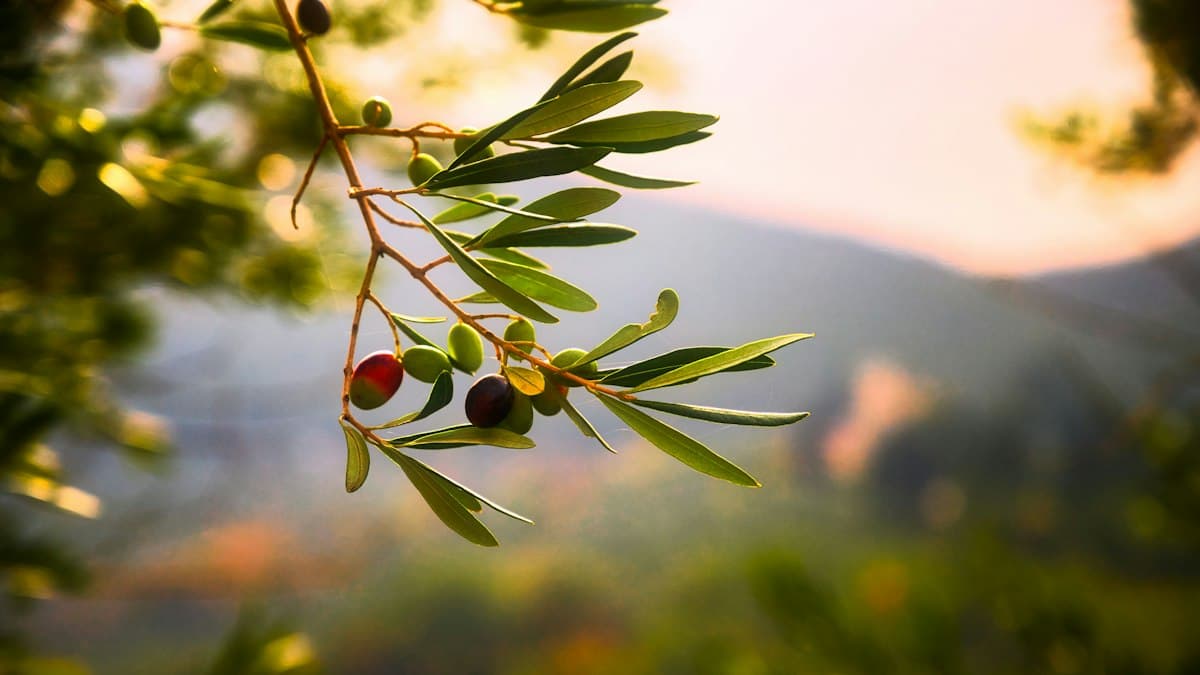
Nocellara del Belice and Biancolilla have adapted over centuries to Sicilian soils and climate. Their genetic distinctiveness is regarded not merely as a flavour consideration but as a contribution to local ecosystem health and sustainable agriculture. The decision by estates like Centonze and Mandranova to stay with native varieties is partly an economic one — rarity commands a premium — but it also reflects a considered commitment to preserving regional agricultural heritage.
How to Choose and Use Each Oil
The two estates produce oils with clearly different flavour profiles, which makes the choice relatively straightforward once you know how you plan to use them. Centonze's Nocellara del Belice oil — with its intensity and assertive peppery finish — is well suited to salads, roasted vegetables, and fresh cheeses, where its character can stand up to other bold flavours. Mandranova's Biancolilla-led oils, softer and more aromatic, have drawn praise in the food community for their versatility with fish dishes, pasta finishes, and even pairings with lightly sweet preparations.
It is worth keeping in mind that olive oil flavour shifts with harvest year, pressing date, and storage conditions. Both estates apply nitrogen-flush packaging in dark glass bottles or tins to slow oxidation. After purchase, keep the container away from direct light and heat. Once opened, consuming the oil within two to three months is the standard recommendation for getting the most from its flavour.
Frequently asked questions
- What makes Nocellara del Belice olive oil different from other Italian EVOOs?
- Nocellara del Belice holds EU DOP (Protected Designation of Origin) status. According to the EU's official cultivar database, the variety is characterised by notes of ripe tomato, almond, and artichoke — a profile that is distinctly different from the more widely traded Spanish cultivars such as Picual or Arbequina. Its dual use as both a table olive and a premium oil variety also makes it unusual in the olive world.
- What does Biancolilla olive oil taste like?
- Biancolilla is a native Sicilian cultivar valued for its delicate floral aromas and soft notes of almond and fresh apple. It is characterised by a balanced sweetness and mild bitterness rather than intense pungency, making it a more approachable style than high-polyphenol varieties like Nocellara del Belice.
- How much of Sicily's farmland is devoted to olive cultivation?
- According to data from Italy's Ministry of Agricultural, Food and Forestry Policies (MIPAAF), approximately 20 percent of Sicily's total agricultural land is dedicated to olive growing, and the island produces more than 10,000 tonnes of extra virgin olive oil annually. The number of areas holding DOC or DOP certification has grown steadily in recent years.
- Why do olive oil experts emphasise preserving rare regional cultivars?
- According to an International Olive Council (IOC) report, more than 1,000 olive cultivars are registered worldwide, yet only a few dozen are traded commercially at scale. Experts have raised concerns that this narrowing of variety — driven by high-yielding Spanish cultivars such as Picual and Arbequina — is creating both a homogenisation of flavour and increased agricultural vulnerability to climate change. Varieties like Nocellara del Belice and Biancolilla, adapted over centuries to Sicilian soils and climate, are seen as assets for both biodiversity and sustainable farming.
- How should I store Centonze or Mandranova olive oil once I open the bottle?
- Both estates package their oils in dark glass or tin containers with nitrogen flushing to slow oxidation. Once opened, store the bottle away from direct light and heat — a cool, dark cupboard is ideal. Consuming the oil within two to three months of opening is recommended to enjoy the full flavour profile. Note that taste will also vary between harvest years, pressing dates, and storage conditions.
Related reading
- Dietary Fat, Magnesium, and the Mediterranean Table: What the Research Shows So Far
Evidence is accumulating that the type of dietary fat consumed alongside magnesium-rich foods may influence how well that mineral is absorbed. This guide surveys current research on olive oil, fatty acid composition, and mineral metabolism.
- Beyond BMI: Dietary Fat Quality, Olive Oil, and Metabolic Health Research
Two people can share the same BMI and yet show markedly different blood lipid profiles, insulin sensitivity, and visceral fat distribution. A growing body of clinical research suggests that the type of fat consumed — not just total calories — may be a meaningful variable in metabolic health.
- Heat, Smoke, and Polar Compounds: The Chemistry of Cooking with Olive Oil
Heating olive oil triggers a cascade of hydrolysis, oxidation, and polymerization reactions that accelerate past the smoke point. This guide traces the science of polar compound formation and explains why high-polyphenol EVOO tends to hold up better under heat.
- Does Olive Oil You Eat Reach Your Skin? A Clinical Research Roundup
A growing body of clinical research is examining whether regular dietary intake of olive oil is associated with measurable changes in skin hydration and elasticity. This guide summarizes the current evidence, its limits, and how the findings sit within the broader context of Mediterranean eating patterns.
- Senescent Cells, Senolytics, and the Question of Olive Oil Polyphenols
The senolytic diet hypothesis has drawn attention to plant polyphenols as potential allies against aging cells. This guide maps where extra virgin olive oil's oleocanthal and related phenolic compounds currently sit in that research — and what the evidence cannot yet support.
- Burning Groves: How Wildfire and Air Pollution Are Reshaping Olive Oil Country
The Mediterranean produces around 95% of the world's olive oil — and it is heating up faster than almost anywhere else on earth. From scorched root systems to smoke-tainted harvests, environmental disaster is leaving marks on olive groves that last far longer than the flames.
Tags
- sicily
- nocellara del belice
- biancolilla
- centonze
- mandranova
- extra virgin olive oil