Guides
Sakellaropoulos of Laconia: Greece's High-Polyphenol Benchmark
Nestled in the rugged mountains of Laconia in the southern Peloponnese, Sakellaropoulos Oligan has become a reference point for high-polyphenol extra virgin olive oil. Here is how more than four decades of production philosophy and the Koroneiki cultivar come together in a single bottle.
Translated from the Korean edition, originally published June 26, 2026 · read the original

Laconia: Another Heartland of Olive Oil
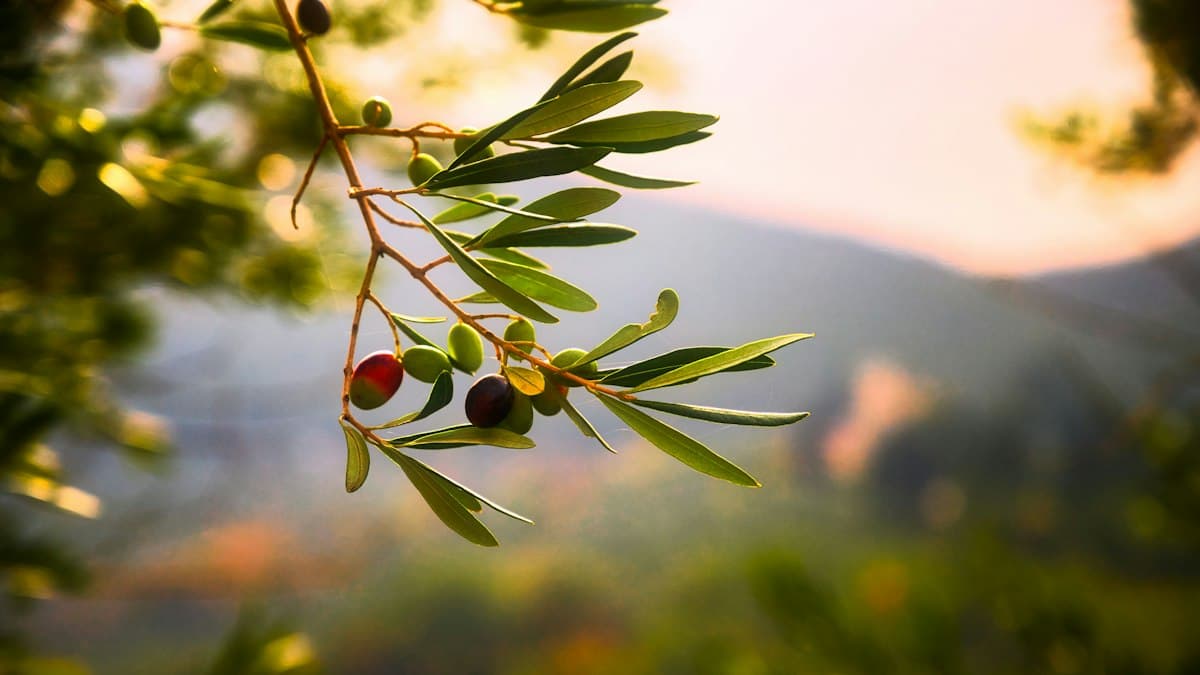
Most people know Laconia, deep in Greece's southern Peloponnese, as the homeland of Spartan warriors. For serious olive oil enthusiasts, it carries a different kind of reputation. Elevations between 400 and 800 metres, a dry Mediterranean climate with intense sun exposure, and poor but mineral-rich soils combine to place olive trees under significant environmental stress. According to IOC technical documentation, stressed olive trees tend to accumulate higher concentrations of polyphenols — their natural defence compounds — within the fruit. The result is that extra virgin olive oils from Laconia are consistently cited among the higher-polyphenol examples produced anywhere in Greece.
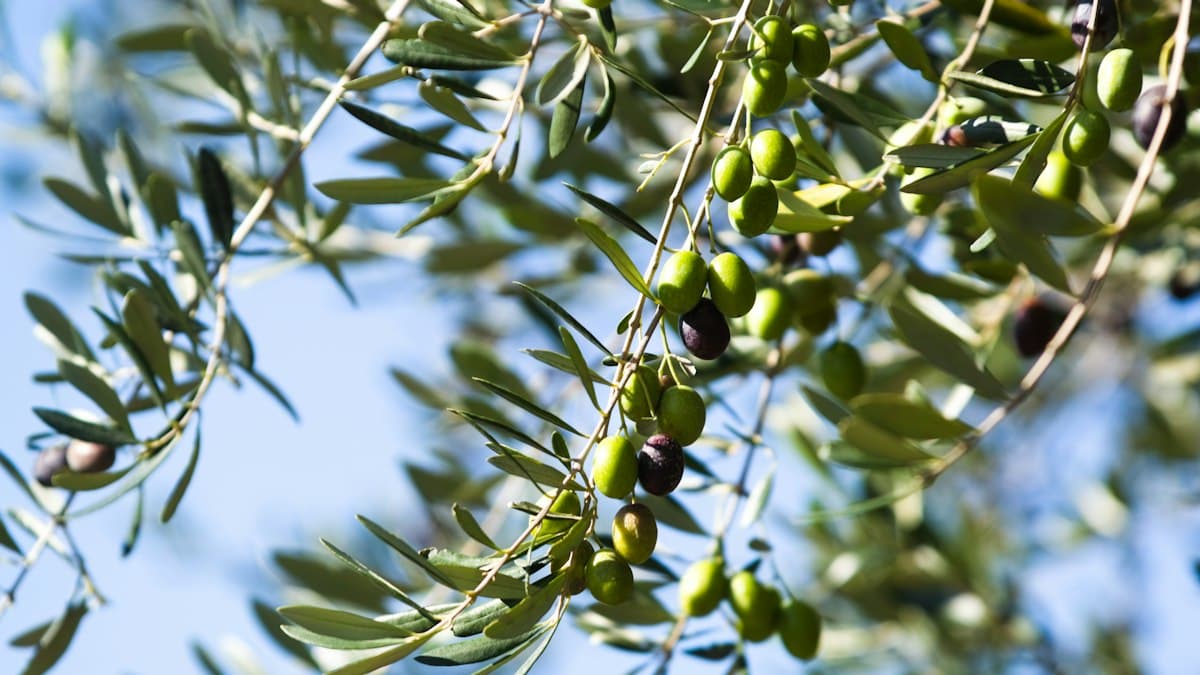
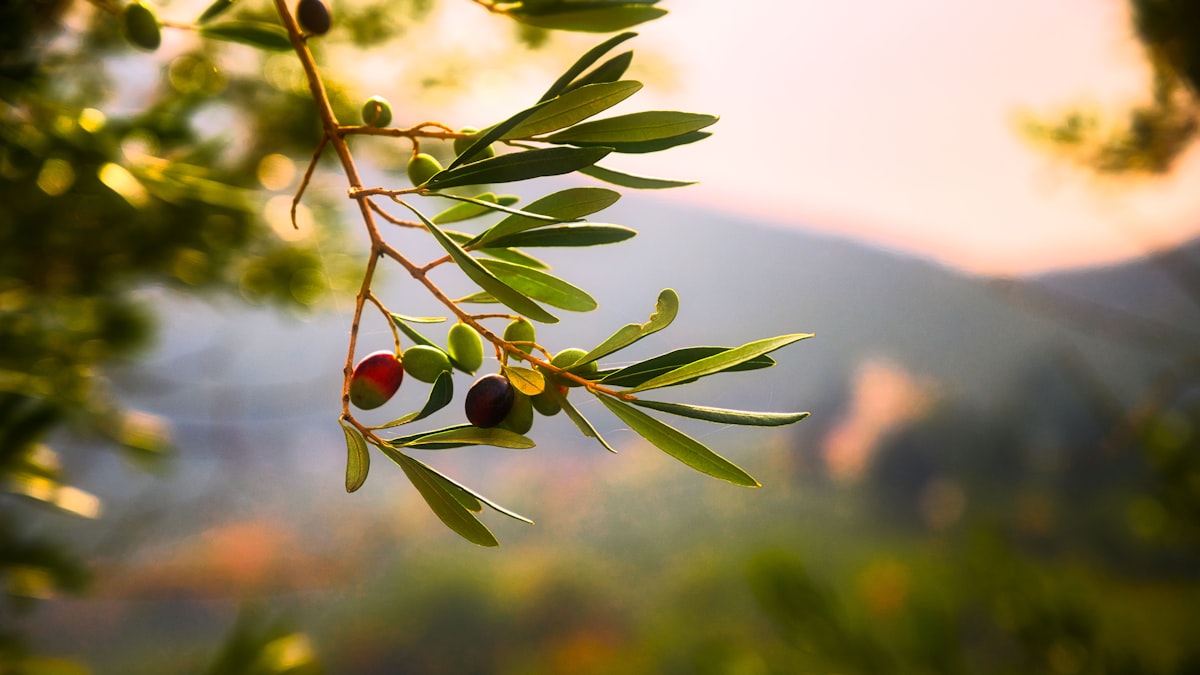
The dominant cultivar here is Koroneiki. The fruit is small and labour-intensive to harvest, but it is prized by premium producers for its unusually high concentrations of oleocanthal and oleacein, the two polyphenols most studied in the context of olive oil's reported health associations. Alongside Spain's Picual and Italy's Coratina, Koroneiki is routinely listed among the world's top three cultivars for polyphenol potential.
Sakellaropoulos: Four Decades of Philosophy in a Bottle
Sakellaropoulos Oligan is a family-run olive estate established in 1981 by Georgios Sakellaropoulos near Sparti in Laconia. Today the second generation, Leonidas Sakellaropoulos, oversees production. The estate holds both EU Organic certification and PDO (Protected Designation of Origin) status.
International recognition began building in the mid-2000s. Consecutive awards at the New York International Olive Oil Competition (NYIOOC), the London International Olive Oil Competition (LIOOC), and TerraOlivo established Sakellaropoulos as a benchmark in the high-polyphenol category. According to NYIOOC 2023 official results, Sakellaropoulos received gold medals across multiple categories as a single producer — a result that drew attention to the standard of Laconian olive oil more broadly.
Two principles define the production approach. First, early harvest: fruit is picked while still green, before full ripeness, to lock in maximum polyphenol content. A UC Davis Olive Center report noted that polyphenol levels at early harvest can be more than twice those found in oil pressed from fully ripe fruit. Second, cold extraction within 24 hours of harvest — at or below 27 °C — to minimise oxidative losses from heat and prolonged oxygen exposure.
Reading the Polyphenol Numbers
Independent laboratory analyses of the flagship Oligan BIO line have reported total polyphenol content ranging from 750 to 1,100 mg/kg. That range exceeds by more than three times the 250 mg/kg threshold established by EU Regulation 432/2012 as the qualifying level for olive oil health claims related to oleocanthal and oleacein. Under that regulation, oils meeting or exceeding 250 mg/kg are permitted to carry specific health-related label statements.
Free acidity is also well below the extra virgin threshold of 0.8%. Major products in the Sakellaropoulos range are reported to fall between 0.15% and 0.25% — a level that serves as an indirect indicator that olive cells remained largely intact through harvest and milling, and reflects the hygiene and care of production.
The Taste of Laconian Terroir
First-time tasters of Sakellaropoulos oils most often remark on two things: an intense bitterness and a strong peppery finish that catches at the back of the throat. Both sensations become more pronounced when oleacein and oleocanthal concentrations are high — and according to IOC sensory evaluation guidelines, both are classified as positive quality attributes in extra virgin olive oil.
The flavour profile typically unfolds from fresh-cut grass and artichoke through green tomato and into a long almond finish. These oils reward applications closest to the raw: salad dressings, fish carpaccio, burrata. As a general principle at this quality and price level, finishing oil use — drizzled over a dish just before serving — preserves the delicate aromatic compounds that would otherwise volatilise under heat.
A Practical Guide to Buying and Storing It
Sakellaropoulos products are available through select premium import channels and online retailers internationally. Three things are worth checking before purchase. First, look for a harvest date or bottling date on the label: consumption within 18 to 24 months of production is generally recommended for olive oil, and a dated bottle lets you track that. Second, check that the container is a dark glass bottle or tin — light is a primary driver of polyphenol oxidation. Third, confirm EU Organic or PDO certification if those attributes matter to you.
For storage, a cool, dark location away from direct sunlight and heat sources is ideal, with a temperature of 15–18 °C recommended. After opening, seal the cap firmly and aim to finish the bottle within four to six weeks to maintain the flavour at its best. Refrigeration may cause the oil to cloud or partially solidify — a normal physical reaction that reverses completely at room temperature and has no bearing on quality.
Frequently asked questions
- What makes Laconia olive oil higher in polyphenols than other regions?
- According to IOC technical documentation, olive trees under environmental stress — such as the altitude (400–800 m), arid conditions, and mineral-rich but thin soils found in Laconia — tend to accumulate higher concentrations of protective polyphenols in their fruit. The combination of terrain, climate, and the naturally polyphenol-rich Koroneiki cultivar makes the region a consistent source of high-polyphenol EVOO.
- How many polyphenols does Sakellaropoulos Oligan BIO actually contain?
- Independent laboratory analyses have reported total polyphenol content in the range of 750–1,100 mg/kg for the flagship Oligan BIO line. That is more than three times the 250 mg/kg threshold set by EU Regulation 432/2012 for olive oil health claims. Figures vary by harvest year and timing.
- What awards has Sakellaropoulos won?
- According to NYIOOC 2023 official results, Sakellaropoulos received multiple gold medals across categories as a single producer — one of the stronger individual showings at that competition. The estate has also accumulated awards at the London International Olive Oil Competition (LIOOC) and TerraOlivo.
- Why does Sakellaropoulos harvest early, and does it affect taste?
- Early harvest — picking fruit while it is still green rather than fully ripe — is one of the primary levers for maximising polyphenol content. A UC Davis Olive Center report noted that polyphenol levels in early-harvest oil can be more than twice those of oil pressed from fully ripe fruit. The trade-off is a pronounced bitterness and peppery finish, both of which are classified as positive quality attributes in IOC sensory evaluation guidelines.
- How should I store Sakellaropoulos olive oil once I open it?
- Keep it in a cool, dark location — ideally between 15 °C and 18 °C — away from direct light and heat sources. Seal the cap tightly after each use and aim to finish the bottle within four to six weeks of opening. If refrigerated, the oil may turn cloudy or solidify; that is a normal physical response and reverses at room temperature without any loss of quality.
Related reading
- Sitia PDO: The Koroneiki Standard from Eastern Crete
Gaea Sitia PDO is a premium extra virgin olive oil made from early-harvest Koroneiki olives grown in the eastern reaches of Crete, protected under the EU's strictest geographical designation. From its limestone terroir and polyphenol profile to its signature peppery finish, here is why it draws attention from food lovers and wellness-conscious consumers alike.
- Spain, Italy, Greece: How the Three EVOO Heartlands Taste Different
Spain, Italy, and Greece together account for more than 80 percent of the world's extra virgin olive oil, according to the International Olive Council — yet the flavors they produce could hardly be more distinct.
- Ladolea: A Peloponnese Family Farm's Olive Oil, Bottle by Bottle
Tucked into the hills of southern Greece, family farm Ladolea has built its reputation on single-variety Koroneiki, early-harvest discipline, and three generations of unbroken stewardship. Here is how terroir and craft end up in one bottle.
- Greece's Premium EVOO Producers: Three Regions, One Cultivar
From the PDO groves of eastern Crete to a high-polyphenol estate near Sparta, Greek premium EVOO converges on a single cultivar — Koroneiki. Here are the producers shaping that conversation.
- Koroneiki: The Cultivar Behind More Than Half of All Greek EVOO
One cultivar accounts for the majority of Greece's extra virgin olive oil output. Here is why Koroneiki became the country's industry standard — and what to look for on the label.
- Premium EVOO at Every Price Point: A Global Farm Map
Within the global premium EVOO tier, estates cluster around a consistent set of signals — single origin, single cultivar, and published lab results. This guide charts the farms and labels that define that space, from Andalusia to California.
Tags
- sakellaropoulos
- laconia
- high polyphenol olive oil
- koroneiki
- greek olive oil
- extra virgin