Guides
The 0.1% Acidity Club: Who Actually Makes Ultra-Low-Acidity EVOO?
The EU sets the extra virgin olive oil acidity ceiling at 0.8%, but the world's premium single-estate producers compete in a far narrower band — the 0.1% tier. OLEA maps who belongs there and what separates them.
Translated from the Korean edition, originally published November 18, 2024 · read the original
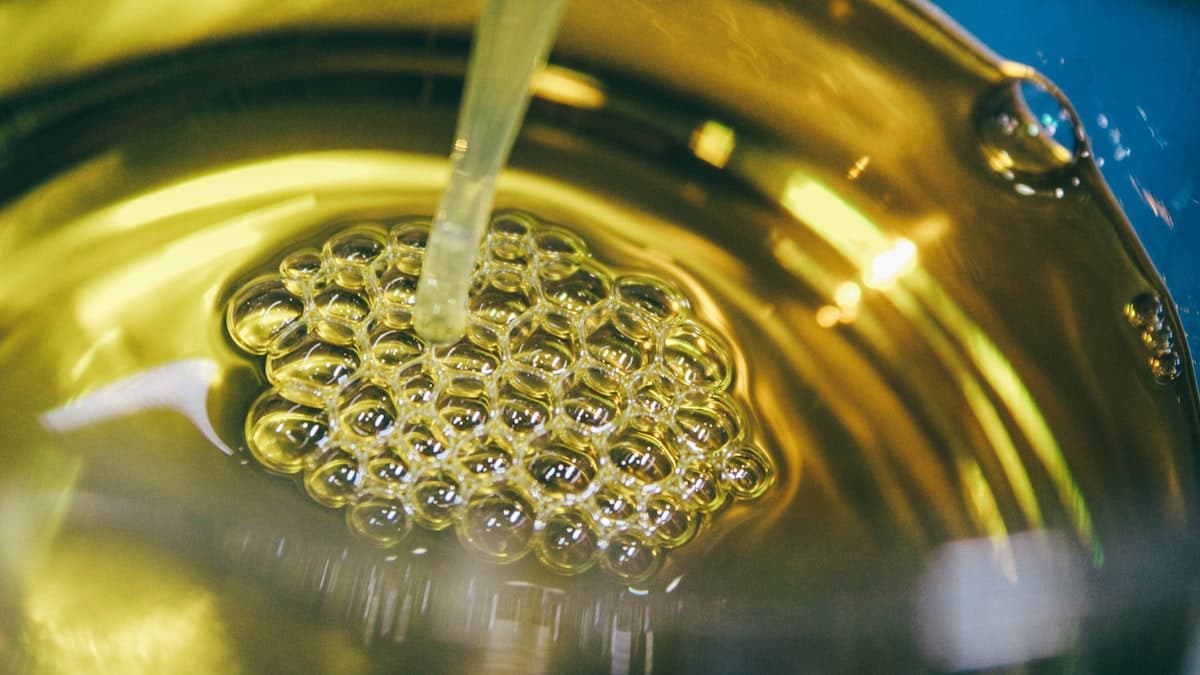
The EU defines extra virgin olive oil as any oil with acidity at or below 0.8%. A bottle labeled 0.5% is, by regulation, still "extra virgin." Yet the world's premium single-estate EVOO market organizes itself around a much narrower target: the 0.1% acidity tier. Within the shared "extra virgin" designation, there is a meaningful information gap between estates that operate at this level and those that do not.
What Acidity Actually Measures
Acidity (free fatty acid content) expresses how much oil has separated from its bound form inside the olive's cell structure. A late harvest, rough transport, or a slow transfer from picker to press all drive the number upward. A low reading is widely read as a signal that healthy fruit was pressed promptly — and it has implications for both flavor stability and shelf life. While the EU's EVOO threshold sits at 0.8%, premium single-estate lines typically come in below 0.2%, with top-tier releases sitting in the 0.1% band.
The Single Estates in the 0.1% Club
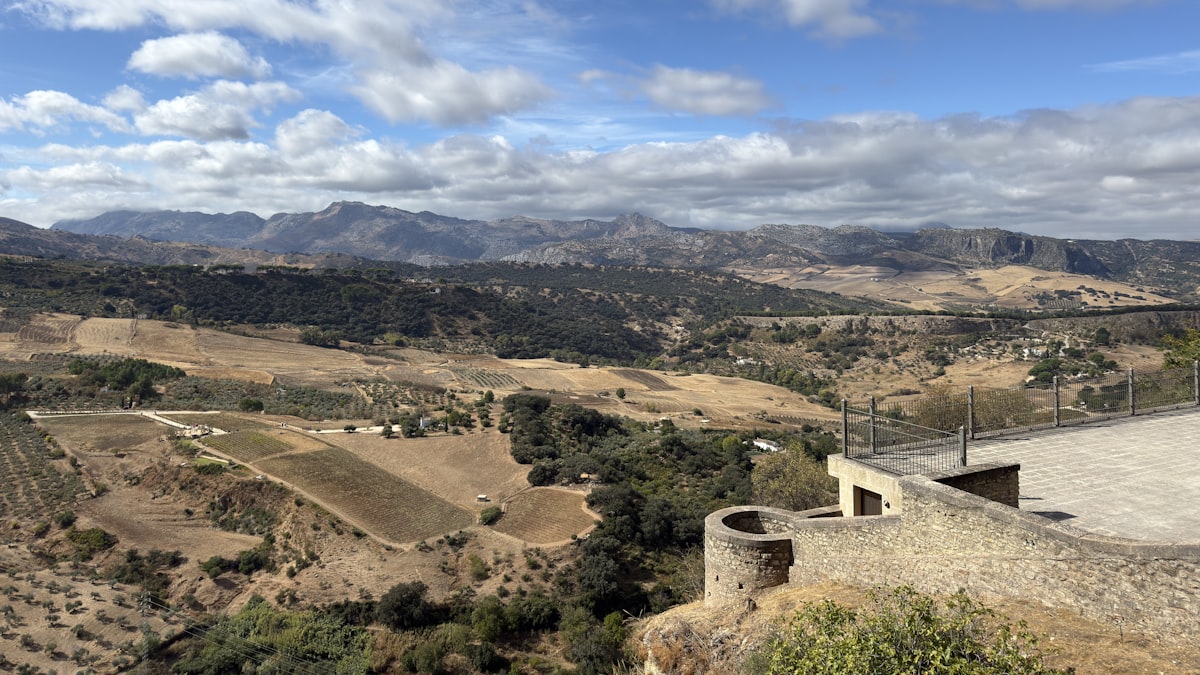
In Spain, Castillo de Canena from Jaén and the Reserva Familiar Picual line from Oro Bailén are among the producers most frequently documented in this range. According to Oro Bailén's own published data, the Reserva Familiar Picual has recorded acidity levels of 0.1–0.15% in certain vintages, and the line has received multiple NYIOOC awards recognized for consistency. Granada-based O-MED also publishes 0.1%-tier acidity figures regularly across its single-varietal Picual and Arbequina lineup.
In Italy, Tuscany's Capezzana states in official materials that its oil "rarely exceeds 0.2% acidity," while Frantoio Franci's Villa Magra Grand Cru is another label associated with the 0.1% tier.
Distinctions Within the Same Number
Printing the same acidity figure on a label does not mean it was verified the same way. An in-house measurement from a producer's own laboratory and a result accompanied by a dated certificate of analysis from an independent body — such as the International Olive Council (IOC) or Spain's IRTA institute — do not start from the same baseline of credibility. Because acidity shifts from vintage to vintage, the distance between a marketing claim of "0.13% last year" and a producer-issued certificate reading "0.14%, [specific pressing date and test date]" is also significant.
Why Acidity Alone Is Not Enough
A low acidity figure does not, by itself, guarantee flavor superiority. Polyphenol concentration, harvest and pressing date, and organoleptic panel results all need to be read together before a label's full profile becomes visible. What the estates in the 0.1% club most consistently share is not the number itself — it is a practice of publishing acidity, polyphenol content, and sensory evaluation results together, verified by external parties across multiple harvests.
Acidity, polyphenol values, and availability for any brand listed here may vary by vintage and distribution channel. Always check the label and the certificate of analysis current at the time of purchase.
Frequently asked questions
- What does 0.1% acidity mean in extra virgin olive oil?
- Acidity (free fatty acid content) measures how much oil has broken down from the olive's cell structure. A reading in the 0.1% range signals that healthy fruit was pressed quickly and carefully. EU regulations allow up to 0.8% for extra virgin classification, so 0.1% represents a standard well above the legal minimum.
- Which olive oil producers make EVOO with acidity below 0.2%?
- Among the most consistently documented are Spain's Castillo de Canena and Oro Bailén (Reserva Familiar Picual line), O-MED from Granada, Italy's Capezzana in Tuscany, and Frantoio Franci's Villa Magra Grand Cru. Each has publicly released lab data showing acidity in the 0.1–0.2% range across multiple vintages.
- Is low acidity the same as high quality in olive oil?
- Low acidity is a strong quality indicator but not the whole picture. Polyphenol content, harvest date, pressing date, and sensory panel results all contribute to a complete quality profile. Producers in the 0.1% tier typically distinguish themselves not by acidity alone, but by publishing acidity, polyphenol, and organoleptic data together through third-party verification.
- How can I tell if an olive oil's acidity claim is trustworthy?
- Look for a dated certificate of analysis from an independent laboratory — such as those accredited by the International Olive Council (IOC) or Spain's IRTA institute — rather than a figure based solely on in-house testing. A label reading '0.13% last year' carries less weight than a certificate showing '0.14%, pressed and tested [specific date].'
Related reading
- Premium EVOO at Every Price Point: A Global Farm Map
Within the global premium EVOO tier, estates cluster around a consistent set of signals — single origin, single cultivar, and published lab results. This guide charts the farms and labels that define that space, from Andalusia to California.
- Organic EVOO Certifications Decoded: Euro-leaf, USDA, and Demeter
Three certification marks — the EU Euro-leaf, USDA Organic, and Demeter — divide the organic EVOO shelf into meaningfully different tiers. Understanding what each one actually requires makes it far easier to judge whether the premium is worth paying.
- Four Price Tiers of Extra Virgin Olive Oil — and What Each One Actually Buys You
From entry-level PET-bottle blends to single-estate premiums, the EVOO shelf divides into four distinct tiers. Knowing what separates them makes it easier to shop with intention.
- Oro Bailén: A Four-Generation Estate and the Picual Standard
Nestled in Guarromán, in Spain's Jaén province, Oro Bailén is widely regarded as a benchmark for single-estate Picual extra virgin olive oil. This is the story of how four generations of family farming and exacting quality control built a reputation on the world stage.
- What 0.2% Actually Tells You — How to Read Olive Oil Acidity Labels
Extra virgin olive oil must fall below 0.8% free acidity, yet premium bottles routinely display figures in the 0.1–0.3% range. Understanding what sits behind those numbers — cultivar, harvest timing, processing speed — is what separates an informed purchase from a lucky one.
- Heat, Smoke, and Polar Compounds: The Chemistry of Cooking with Olive Oil
Heating olive oil triggers a cascade of hydrolysis, oxidation, and polymerization reactions that accelerate past the smoke point. This guide traces the science of polar compound formation and explains why high-polyphenol EVOO tends to hold up better under heat.
Tags
- acidity
- extra virgin olive oil
- single estate
- polyphenols
- quality standards