Guides
Extra Virgin Olive Oils Under 0.2% Acidity: A Guide by Origin
The IOC sets the acidity ceiling for extra virgin olive oil at 0.8%, but narrowing the field to 0.2% and below opens a noticeably different tier of freshness, flavor clarity, and heat stability. Here is how the leading low-acidity lines stack up by origin.
Translated from the Korean edition, originally published February 11, 2026 · read the original

The International Olive Council (IOC) sets the acidity ceiling for extra virgin olive oil at 0.8%. Within that single grade, however, oils at 0.2% and below occupy a meaningfully different position. Acidity measures the proportion of oleic acid that has broken away as free fatty acids; a lower reading is a consistent indicator that fruit was pressed shortly after harvest under controlled conditions. Food writers and food scientists alike report a corresponding lift in flavor clarity and heat stability — though the two figures are not the same thing.
What Low Acidity Actually Signals
Within the extra virgin category, 0.6% and 0.16% are not equivalent. Oils at the lower end of the acidity scale are typically pressed within 24 hours of harvest, and milling temperatures are kept tightly controlled throughout extraction. Food chemistry journals have repeatedly reported that lower free-fatty-acid content is associated with cleaner flavor and greater heat stability. That said, low acidity does not automatically guarantee polyphenol richness or aromatic complexity. Acidity is a starting condition — a measure of how fresh the raw material was at the moment of pressing. Flavor range is determined jointly by cultivar and growing region.
Spanish Single-Estate Lines
The deepest concentration of sub-0.2% extra virgin olive oils comes from Spanish single estates. La Chinata, based in the Sierra de Gata mountain range in Cáceres, brings a dark-glass bottle line labeled in the 0.1% range to international markets. Castillo de Canena from Jaén is frequently cited in the 0.1% tier for its Arbequina; its Picual line typically sits a little higher. ORO CELESTE, a Córdoba-based producer from Andalusia, publishes batch laboratory certificates — accessible via label QR code — showing 0.16% for its Ojiblanca, 0.14% for its Sibarita, and 0.20% for its Picual. Marqués de Griñón in Toledo also operates a sub-0.2% line.
Italy, Australia, and Greece
Tuscan single-estate producers are the natural Italian counterpart. Frantoio Franci is a name that appears regularly in this acidity bracket. Monini's organic monocultivar Coratina line is labeled at or near 0.2% in certain production batches. From Australia, Cobram Estate publishes sub-0.2% figures for its First Harvest line, sourced from orchards along the Murray River basin. In Greece, Gaea lists acidity around the 0.2% mark for select single-cultivar Koroneiki expressions. Flavor profile, however, diverges sharply by origin even within this narrow acidity band: Spanish Picual carries a peppery, high-polyphenol character; the Cáceres-region oils tend toward softer balance; Tuscan lines lead with fresh green notes.
How to Use a Sub-0.2% Bottle
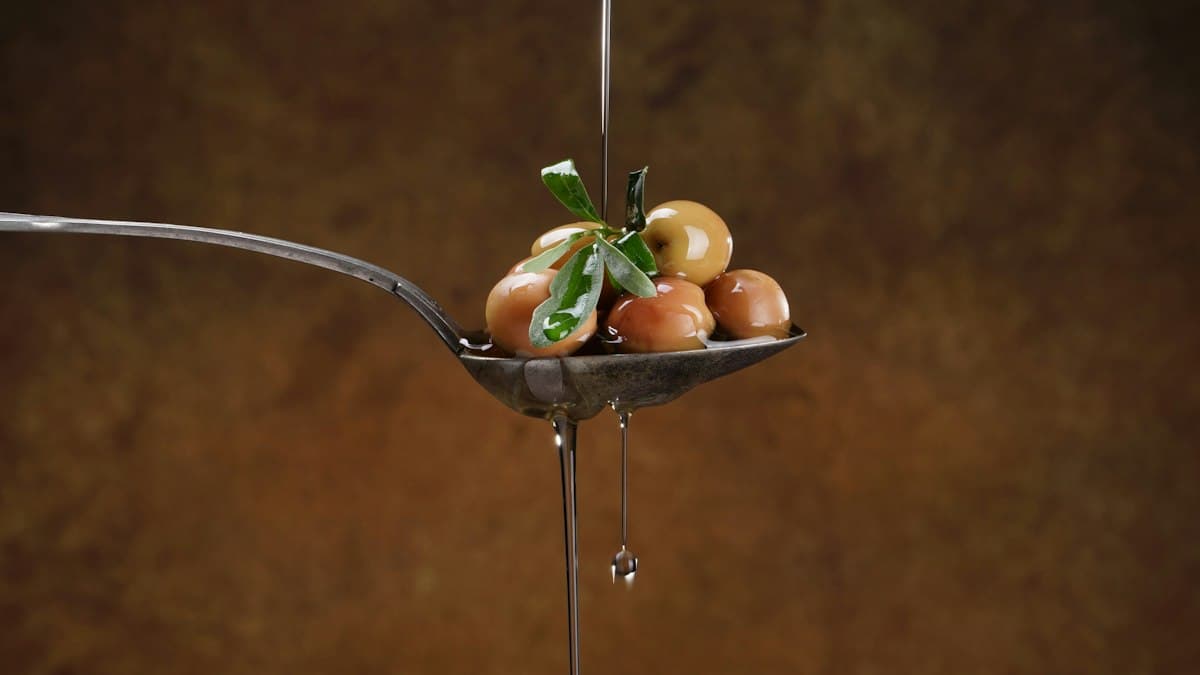
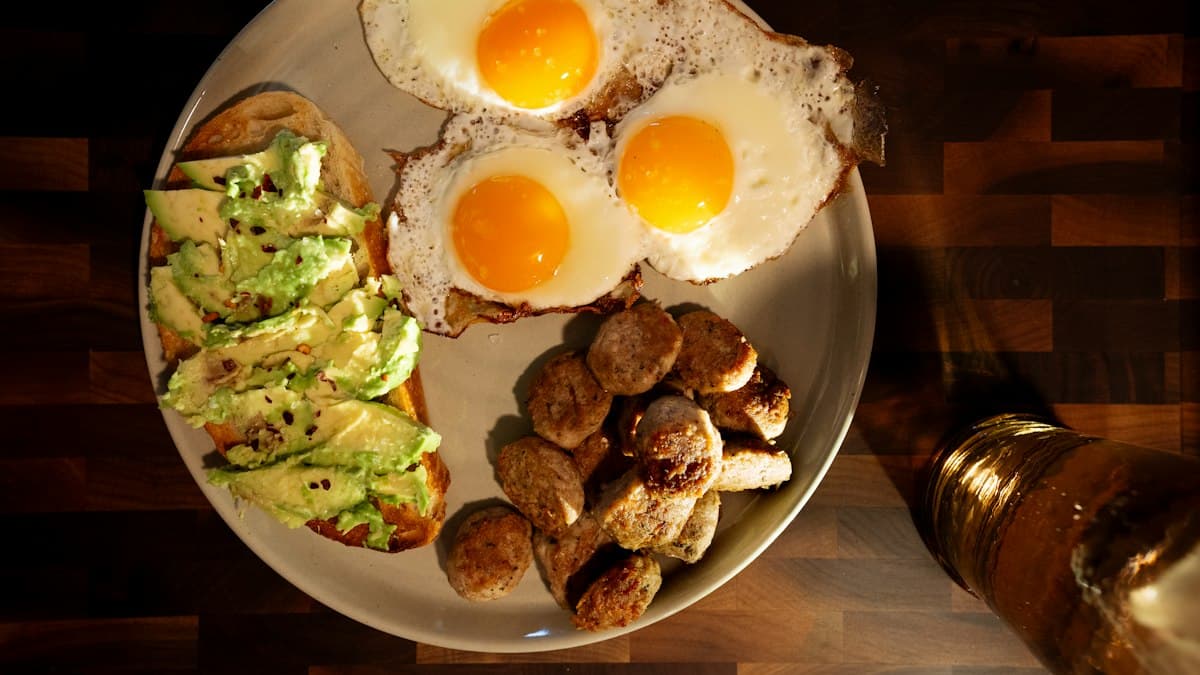
Low-acidity oils find their clearest purpose as finishing oils rather than everyday cooking fats. When two or three drops land on a finished dish — a bowl of soup, a piece of grilled fish, a slice of bread — acidity, polyphenols, and aroma reach the palate intact. A two-bottle approach separates a daily cooking oil from a finishing oil; using a premium low-acidity oil for all cooking adds its per-milliliter cost to every sauté and roast, which tends to work against both the budget and the flavor. Within the broader framework of keeping a daily oil and a finishing oil in separate roles, a sub-0.2% bottle is the natural candidate for the finishing position.
Acidity figures and retail prices vary with harvest vintage, shipping batch, and currency fluctuation. Always verify the label and any published certificate at the time of purchase.
Frequently asked questions
- What does low acidity mean in olive oil?
- Acidity in olive oil refers to the percentage of free fatty acids — primarily oleic acid — that have broken away from the triglyceride structure. A lower figure is generally a sign that the olives were harvested and pressed quickly and under careful temperature control. According to the International Olive Council (IOC), the upper limit for extra virgin grade is 0.8%; oils at 0.2% or below sit at the fresher end of that spectrum.
- Does lower acidity mean better flavor or more polyphenols?
- Not automatically. Low acidity is a marker of freshness at the point of pressing, but flavor depth and polyphenol content are shaped by cultivar and growing region as much as by acidity. An oil can be low in acidity and still be mild or full-bodied depending on variety — Picual and Ojiblanca, for example, sit at opposite ends of the intensity scale even within the same acidity range.
- Is low-acidity olive oil better for cooking or for finishing?
- Food chemistry literature repeatedly reports that lower free-fatty-acid content is associated with greater heat stability, which is useful for cooking. That said, the flavor clarity and aromatic compounds that make sub-0.2% oils distinctive are best preserved when the oil is used as a finishing drizzle rather than as an everyday high-heat cooking fat. A two-bottle approach — one workhorse oil for daily cooking, one low-acidity oil for finishing — tends to balance both cost and flavor.
- Which Spanish olive oil brands certify acidity under 0.2%?
- Several Spanish single-estate producers publish certified figures in this range. La Chinata (Sierra de Gata, Cáceres) lists acidity in the 0.1% range on its dark-glass bottle line. Castillo de Canena's Arbequina line is frequently cited at the 0.1% level. ORO CELESTE, based in Córdoba, Andalusia, publishes batch-specific laboratory certificates showing 0.14% for its Sibarita, 0.16% for its Ojiblanca, and 0.20% for its Picual. Marqués de Griñón (Toledo) also operates a sub-0.2% line.
- Are there low-acidity extra virgin olive oils from outside Spain?
- Yes. In Italy, Tuscan single-estate producers such as Frantoio Franci regularly appear in the sub-0.2% tier; Monini's organic monocultivar Coratina line is labeled at or near 0.2% in some batches. Australia's Cobram Estate publishes sub-0.2% figures for its First Harvest line. In Greece, Gaea lists acidity around the 0.2% mark for select single-cultivar Koroneiki expressions.
Related reading
- Dark Bottle, 14–18 °C, Minimal Headspace: The Science Behind Storing EVOO Right
Light, heat, and oxygen are the three forces that degrade extra virgin olive oil from the moment it leaves the mill. ORO CELESTE's storage recommendations address each one with a clear scientific rationale.
- Heat, Smoke, and Polar Compounds: The Chemistry of Cooking with Olive Oil
Heating olive oil triggers a cascade of hydrolysis, oxidation, and polymerization reactions that accelerate past the smoke point. This guide traces the science of polar compound formation and explains why high-polyphenol EVOO tends to hold up better under heat.
- Does Olive Oil You Eat Reach Your Skin? A Clinical Research Roundup
A growing body of clinical research is examining whether regular dietary intake of olive oil is associated with measurable changes in skin hydration and elasticity. This guide summarizes the current evidence, its limits, and how the findings sit within the broader context of Mediterranean eating patterns.
- Senescent Cells, Senolytics, and the Question of Olive Oil Polyphenols
The senolytic diet hypothesis has drawn attention to plant polyphenols as potential allies against aging cells. This guide maps where extra virgin olive oil's oleocanthal and related phenolic compounds currently sit in that research — and what the evidence cannot yet support.
- Olive Oil, Antioxidants, and Fatigue: A Guide to the Emerging Clinical Research
Extra virgin olive oil is drawing growing attention in oxidative stress and chronic fatigue research, with its polyphenols and oleic acid studied for potential roles in cellular energy metabolism. Here is what the current clinical evidence actually shows.
- Bone Health on the Table: What the Osteoblast and Calcitriol Research Says About Olive Oil
From oleic acid's reported role in osteoblast differentiation to calcitriol absorption and polyphenol activity, a growing body of cell and animal research links extra virgin olive oil to bone metabolism — though the clinical picture is still forming.
Tags
- low acidity olive oil
- extra virgin olive oil
- evoo guide
- polyphenols
- finishing oil