Guides
Olive Oil Polyphenols and Arterial Health: What the Research Actually Says
A growing body of research suggests that the polyphenols in extra virgin olive oil — particularly oleocanthal and oleuropein — may influence platelet behavior and arterial function. Here is what the current evidence reports, and what remains unresolved.
Translated from the Korean edition, originally published June 13, 2026 · read the original
Why Vascular Researchers Have Long Looked at Olive Oil
One reason cardiovascular scientists have scrutinized the Mediterranean diet for decades is the distinctive fatty-acid and phenolic profile of extra virgin olive oil (EVOO). Since the 1990s, a consistent hypothesis has been put forward: EVOO is not merely a source of fat, but a food whose components may influence how vascular endothelial cells and platelets behave.
Platelet-driven blood clotting begins when platelets adhere to a damaged vessel wall and aggregate with one another. This process is a normal, protective response to bleeding — but when it is over-activated inside an artery, it can become a risk factor that impedes blood flow. How far olive oil compounds can modulate these aggregation signals has become one of the field's central research questions.

The Signals Polyphenols May Send to Platelets
Oleocanthal and oleuropein are two of the most studied phenolic compounds in EVOO. In 2011, the European Food Safety Authority (EFSA) issued a scientific opinion acknowledging that olive oil polyphenols contribute to the protection of blood lipids from oxidative damage caused by LDL cholesterol (EFSA Journal 2011;9(4):2033). That recognition applies to a daily intake of at least 20 g (roughly two tablespoons) and does not constitute a blanket endorsement of all proposed effects.
On the question of platelet aggregation, research has reported that oleocanthal may act to inhibit cyclooxygenase (COX) enzyme activity. A cell-based study published in the Journal of Nutritional Biochemistry observed that oleocanthal interfered with the thromboxane A2 production pathway within platelets. Thromboxane A2 is one of the principal signaling molecules that activates platelets. However, researchers note that translating these cell-study findings into clinical outcomes would be premature, and that larger studies are needed.
Oleuropein is similarly reported to be associated with supporting nitric oxide (NO) production in endothelial cells. Nitric oxide is reported to play a role in vascular relaxation and in inhibiting platelet adhesion to vessel walls — though, again, the clinical magnitude of this effect in humans requires further investigation.
Clinical Reports on Arterial Stiffness and Endothelial Function
The PREDIMED trial (Prevención con Dieta Mediterránea) — one of the largest dietary intervention studies conducted in the Mediterranean region — followed approximately 7,500 high-risk adults. According to the study, participants assigned to a Mediterranean diet rich in extra virgin olive oil had a lower incidence of major cardiovascular events than those following a low-fat control diet. The study design makes it difficult to isolate the contribution of olive oil alone; the results are more appropriately interpreted as reflecting the combined influence of the overall dietary pattern.
On arterial stiffness specifically, a research team at the University of Córdoba, Spain, published findings in the American Journal of Clinical Nutrition reporting that participants who consumed a higher-polyphenol EVOO showed a tendency toward more favorable changes in endothelial function markers. The authors of that paper themselves note that the relatively small sample size and short measurement period limit generalization of the results.
Polyphenol Content: How to Know What You Are Buying
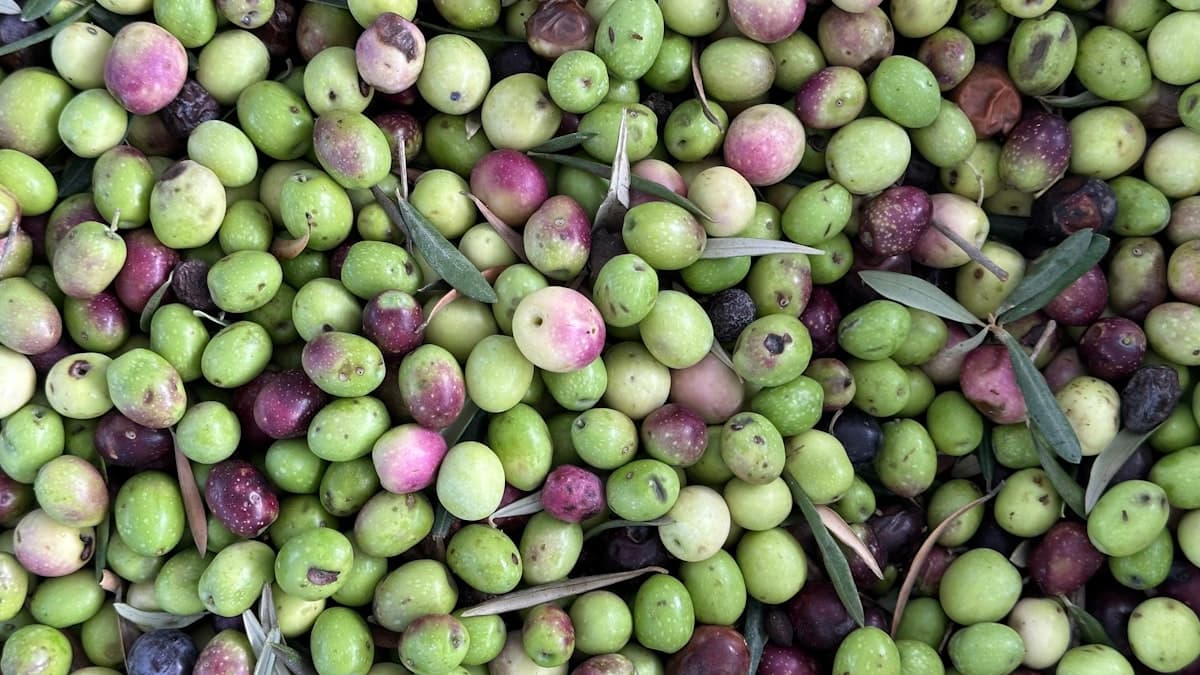
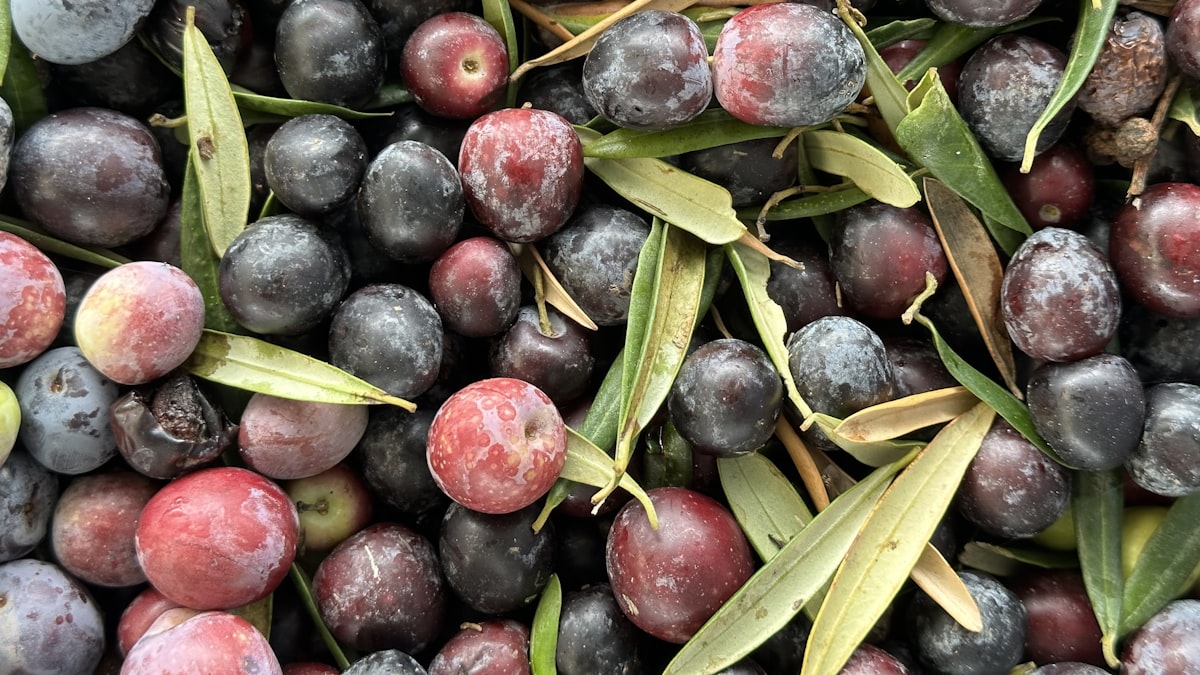
What vascular research has focused on is not simply "olive oil" but EVOO with a sufficiently high polyphenol concentration. EU regulation EC No 432/2012 allows an olive oil to carry a polyphenol-related health claim on its label only when the product contains 250 mg/kg or more of phenolic compounds. Polyphenol levels in commercially available oils span a wide range — from a few dozen to several hundred mg/kg — and vary considerably depending on harvest timing, cultivar, and processing method.
As a general guide, oils pressed from early-harvest (green) olives and from cultivars such as Picual and Ojiblanca tend to be reported among the higher-polyphenol options. Requesting a certificate of analysis (COA) or looking for verified third-party figures before purchasing is the most practical way to assess what is actually in the bottle.
Practical Considerations at the Table
A few storage and usage habits may help preserve polyphenol content. First, keep the oil away from direct light and heat — a dark, cool cupboard rather than beside the stove. Polyphenols are susceptible to degradation from oxidation, heat, and light exposure. Second, using high-polyphenol EVOO as a finishing oil or in salad dressings is generally considered a more effective way to preserve phenolic compounds than high-heat cooking. Third, once opened, finishing the bottle within 30 to 60 days is widely recommended.
No single food, including olive oil, can be expected to address every dimension of vascular health. The context that current research most clearly supports is incorporating a high-quality EVOO into a broader pattern of health-conscious habits — adequate dietary fiber, regular physical activity, and not smoking — rather than treating any one ingredient as a standalone solution.
Frequently asked questions
- How do olive oil polyphenols affect blood vessels?
- Research has reported that polyphenols such as oleocanthal and oleuropein may influence platelet aggregation and endothelial function. Oleocanthal has been observed in cell studies to interfere with the thromboxane A2 pathway, while oleuropein is associated with supporting nitric oxide production in endothelial cells — though it is too early to draw firm clinical conclusions from these findings.
- What polyphenol level should I look for in an olive oil?
- EU regulation EC No 432/2012 permits an olive oil to carry a health claim related to polyphenols only when it contains 250 mg/kg or more of phenolic compounds. Products on the market vary widely — from a few dozen to several hundred mg/kg — depending on cultivar, harvest timing, and processing. Checking a third-party certificate of analysis (COA) before buying is the most reliable approach.
- What did the PREDIMED study find about olive oil and heart health?
- The PREDIMED trial followed approximately 7,500 high-risk adults and reported that a Mediterranean diet rich in extra virgin olive oil was associated with a lower rate of major cardiovascular events compared with a low-fat control diet. Because the study examined a whole dietary pattern rather than olive oil in isolation, researchers caution that the effect cannot be attributed to EVOO alone.
- Does cooking destroy the polyphenols in extra virgin olive oil?
- Polyphenols are susceptible to degradation from heat, light, and oxidation. Using high-polyphenol EVOO as a finishing oil or in dressings is generally considered a more effective way to preserve phenolic content than high-heat cooking. After opening, consuming the oil within 30 to 60 days is widely recommended.
- Which olive cultivars tend to be highest in polyphenols?
- Oils pressed from early-harvest (green) olives and from varieties such as Picual and Ojiblanca are generally reported to be among the higher-polyphenol options. Polyphenol content can vary significantly even within the same cultivar depending on harvest date, growing conditions, and milling practices.
Related reading
- Oleocanthal and Hydroxytyrosol: What the Science Actually Says
Of all the polyphenols in extra-virgin olive oil, oleocanthal and hydroxytyrosol draw the most attention from researchers. A closer look at what each compound does—and where the evidence genuinely stands.
- Heat, Smoke, and Polar Compounds: The Chemistry of Cooking with Olive Oil
Heating olive oil triggers a cascade of hydrolysis, oxidation, and polymerization reactions that accelerate past the smoke point. This guide traces the science of polar compound formation and explains why high-polyphenol EVOO tends to hold up better under heat.
- Senescent Cells, Senolytics, and the Question of Olive Oil Polyphenols
The senolytic diet hypothesis has drawn attention to plant polyphenols as potential allies against aging cells. This guide maps where extra virgin olive oil's oleocanthal and related phenolic compounds currently sit in that research — and what the evidence cannot yet support.
- Bitter, Pungent, and Perfectly Fine: How Oleocanthal and Oleacein Work on Your Palate
The sharp bitterness and throat-catching sting in a great extra virgin olive oil are not defects — they are the fingerprint of two polyphenol compounds, oleocanthal and oleacein, binding to distinct receptors in your mouth and throat.
- Olive Oil in Post-Exercise Recovery Diets: A Guide to the Polyphenol and Muscle-Damage Research
Studies in sports nutrition are examining whether the polyphenols in extra virgin olive oil are associated with lower oxidative-stress markers after intense exercise. Here is a summary of where the research currently stands.
- Organic EVOO Certifications Decoded: Euro-leaf, USDA, and Demeter
Three certification marks — the EU Euro-leaf, USDA Organic, and Demeter — divide the organic EVOO shelf into meaningfully different tiers. Understanding what each one actually requires makes it far easier to judge whether the premium is worth paying.
Tags