Craft
Extra Virgin vs. Pure Olive Oil: A Shelf-Side Buying Guide
Two bottles, side by side, same country of origin — yet the price gap can be substantial. Here is what the IOC grade standards, label rules, and food-science research say about choosing between extra virgin and pure olive oil.
Translated from the Korean edition, originally published July 27, 2026 · read the original
Two Bottles, One Shelf — Why the Price Gap Is Real
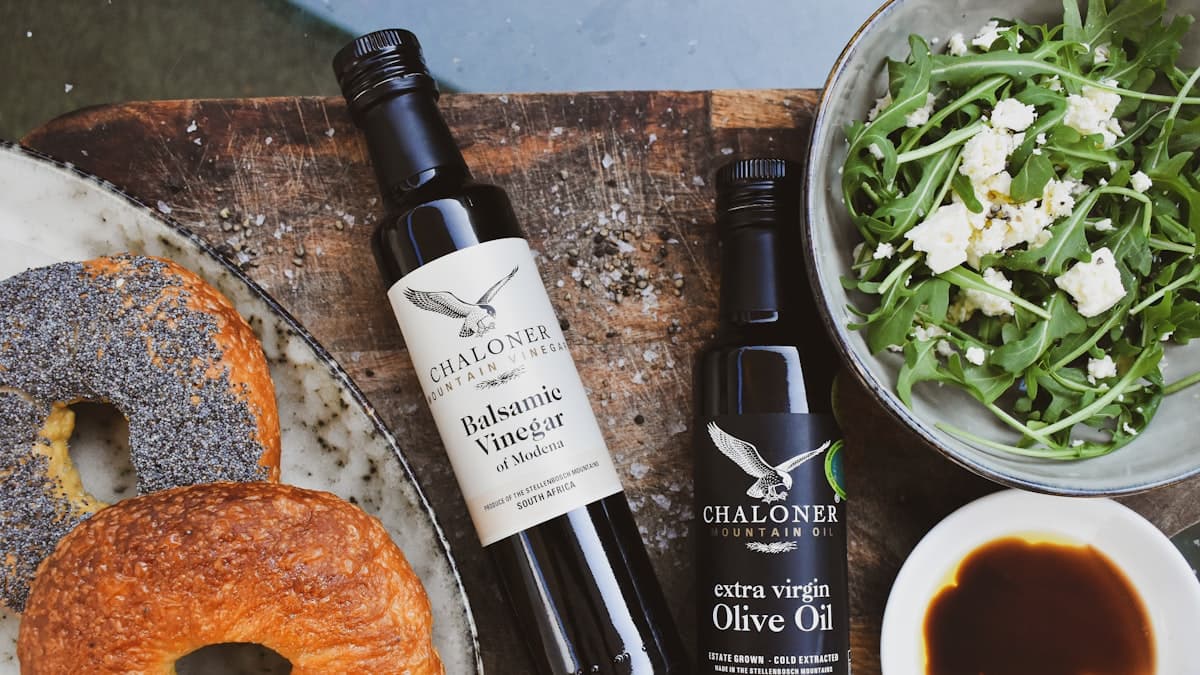
Standing in front of the olive oil aisle, most shoppers face the same puzzle: a bottle labelled 'Extra Virgin' sits next to one marked 'Pure' or 'Pure Olive Oil'. Both may come from Spain or Italy; the packaging often looks almost identical. Yet the price difference can be substantial. Understanding whether that gap reflects genuine quality or mere marketing requires a look at the international grading system behind those labels.
The International Olive Council (IOC) classifies olive oil into several grades based on production method and quality indicators. The two grades consumers encounter most often at retail are extra virgin olive oil (EVOO) and the grade the IOC calls simply 'Olive Oil' — sold in many markets as 'pure olive oil'.
The Numbers Behind Extra Virgin
Extra virgin olive oil is the highest grade in the IOC classification system. Two conditions define it.
First, free fatty acid content (acidity) must not exceed 0.8 g per 100 g. Acidity reflects how quickly and at what temperature olives were pressed after harvest. Damaged fruit or delayed pressing releases free fatty acids and pushes acidity higher. According to the IOC standard specifications, the ceiling for extra virgin is 0.8 %; many premium products on the market maintain levels below 0.3 %.
Second, the oil must be produced by cold mechanical pressing only — no heat treatment and no chemical solvents. The result is closer to a fresh-squeezed fruit juice than a processed oil. This process is understood to preserve polyphenols, tocopherols and oleocanthal relatively intact, a fact that has attracted considerable research attention. According to a scientific opinion issued by the European Food Safety Authority (EFSA), an association between dietary olive oil polyphenols and markers of reduced oxidative stress has been reported. On the basis of that evidence, the EU permits a related health claim only on olive oils with a polyphenol content of at least 250 mg/kg.

How Pure Olive Oil Is Actually Made
Despite its name, 'pure' olive oil is not a more refined or purer product — it is a lower grade. Under IOC classification it falls into the 'Olive Oil' category, defined as a blend of refined olive oil and a proportion of virgin-grade olive oil.
The refining process involves heat treatment, chemical neutralisation, bleaching and deodorisation. Olives that did not meet the sensory or chemical standards for virgin classification are refined to reduce acidity and eliminate off-flavours. The IOC sets the acidity ceiling for refined olive oil at 0.3 %, and a small volume of virgin oil is then blended in to restore some colour and aroma.
The outcome is an oil with a higher smoke point than EVOO — commonly cited in food-science literature at roughly 210–220 °C — and a neutral flavour profile that suits high-heat frying. However, food-science publications consistently note that the refining process substantially reduces trace components including polyphenols.
Three Label Checks That Reveal the Truth
When you pick up a bottle, three pieces of information tell you most of what you need to know.
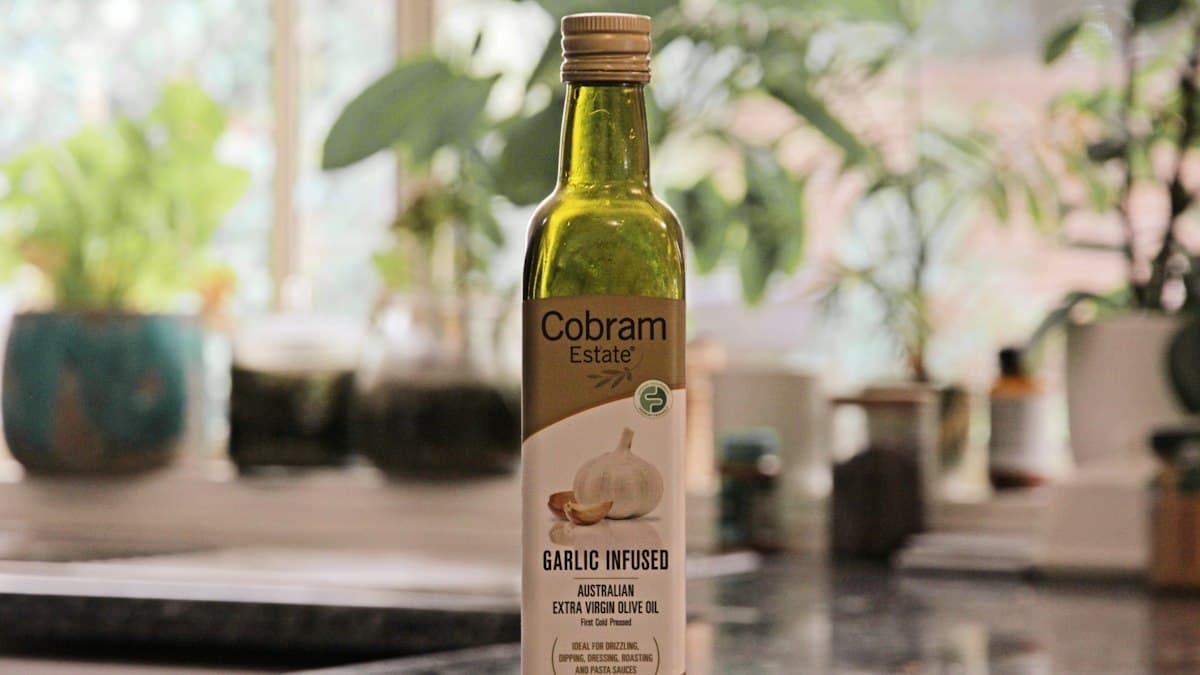
① Grade designation. Confirm that 'Extra Virgin' appears clearly on the front label. Terms such as 'Olive Oil', 'Pure', 'Light' or 'Classic' all indicate that refined oil is present, placing the product in a lower grade. 'Light' in particular does not mean fewer calories — it signals a mild flavour resulting from a high refined-oil ratio and correspondingly low polyphenol levels.
② Harvest year or best-before date. Olive oil is not wine; it does not improve with time. Oxidation gradually diminishes both flavour and trace-component content after pressing. Researchers at the UC Davis Olive Center reported a meaningful decline in polyphenol levels in EVOO 12–18 months after bottling. Where possible, choose a bottle that states the harvest year, or one with at least 12 months remaining on its best-before date.
③ Single-origin or cultivar labelling. A blend described as 'product of Spain, Greece and Tunisia' is harder to trace than one that names a single origin or a specific cultivar. A bottle that identifies the cultivar — Picual, Ojiblanca, Koroneiki and so on — is generally a signal that the producer has invested in raw-material traceability.
Does the 'EVOO for Dressing, Pure for Frying' Rule Hold Up?
The conventional advice — use extra virgin for cold applications, pure for cooking — is based on smoke-point differences. The full picture is more nuanced.
Researchers at Spain's Consejo Superior de Investigaciones Científicas (CSIC) reported that EVOO's relatively high polyphenol content and oleic acid ratio give it greater oxidative stability than refined oils at typical domestic cooking temperatures of 160–180 °C. In other words, there is no compelling food-science reason to switch to pure olive oil for everyday home sautéing.
That said, EVOO's smoke point is genuinely lower, so sustained deep-frying above 200 °C or prolonged high-heat cooking is a situation where pure olive oil — or another high-stability oil — is a practical choice. Ultimately, the right decision depends on cooking method, budget and personal flavour preference rather than a single hard rule.
A Five-Second Decision Framework for the Shelf
With all this in mind, a simple sequence makes the choice faster in practice.
First, check the front label for the words 'Extra Virgin'. If those words are absent, the bottle contains a blend with refined oil. Second, flip to the back and verify the best-before date — aim for at least 12 months of remaining shelf life. Third, look for a single-origin or cultivar designation; producers who supply that information tend to invest more in quality control.
Price is not a perfect proxy for quality, but authentic extra virgin olive oil carries a production cost that cold-pressing alone imposes. A 500 ml bottle priced significantly below the market norm for EVOO is worth a closer look at the ingredients and process declarations on the label before it goes into the basket.
Frequently asked questions
- What is the difference between extra virgin and pure olive oil?
- Extra virgin olive oil (EVOO) is the highest grade defined by the International Olive Council (IOC). It must be extracted by cold mechanical pressing alone and have free acidity no higher than 0.8 g per 100 g. Pure olive oil — labelled simply 'Olive Oil' under IOC classification — is a blend of refined olive oil and a small proportion of virgin olive oil. The refining process uses heat, chemical neutralisation, decolorisation and deodorisation, which significantly reduces polyphenol content compared with EVOO.
- Is 'pure' olive oil better quality than extra virgin?
- No. Despite the name, 'pure' does not mean superior. In IOC grade terminology it is a lower category than extra virgin. The word refers to the fact that it contains only olive oil (no other vegetable oils), not that it is more refined or premium. Extra virgin remains the top-tier grade.
- Can you cook with extra virgin olive oil at high heat?
- Research published by scientists at Spain's Consejo Superior de Investigaciones Científicas (CSIC) found that EVOO's relatively high polyphenol content and oleic acid ratio give it greater oxidative stability than refined oils at typical domestic cooking temperatures of 160–180 °C. For sustained frying above 200 °C, pure olive oil or another high-stability oil is a more practical choice, since EVOO does have a lower smoke point.
- How do I check whether an olive oil is still fresh on the shelf?
- Look for the harvest year or the best-before date on the label. Unlike wine, olive oil does not improve with age — polyphenols and aroma compounds decline as oxidation progresses. Research from the UC Davis Olive Center reported a meaningful reduction in polyphenol content in EVOO 12–18 months after bottling. Choose a bottle with at least 12 months remaining on its best-before date, and prefer one that states the harvest year.
- What does 'light' olive oil mean on a label?
- 'Light' refers to mild flavour, not reduced calories. It indicates a high proportion of refined olive oil in the blend, which means a neutral taste and notably lower polyphenol levels. Calorie content per tablespoon is essentially the same as any other olive oil.
Related reading
- Reading Polyphenol Numbers on an Olive Oil Label: A Step-by-Step Comparison Guide
The mg/kg polyphenol figure printed on an extra virgin olive oil bottle is one of the most useful quality signals a label can carry — but only if you know how to read it. This guide walks through what the number means, how measurement method affects it, and what else to check alongside it.
- Closer to the Source: A Practical Guide to Buying Olive Oil Direct from Producers
From farm-direct shipping and micro-importers to group buys, there are more ways than ever to reach a producer before a supermarket shelf does. This guide walks through each route, what to verify before you buy, and how to set realistic expectations on price and freshness.
- Budget, Mid-Range, or Premium Olive Oil: The Numbers That Actually Separate Them
Every bottle on the shelf says 'extra virgin,' yet prices for 500 ml can vary tenfold. Acidity, polyphenols, harvest timing, and certification are the real dividing lines — and they're all readable on the label.
- No Harvest Year on the Label? Here's How to Read the Bottle Anyway
Finding freshness information on an olive oil label is harder than it looks. A guide to the dates, codes, and quiet signals that reveal what the bottle doesn't say outright.
- "Bottled in Italy" vs. "100% Italian Olives": Two Phrases, Two Very Different Meanings
The Italian flag on an olive oil label can mean almost anything — or almost nothing. A practical guide to decoding origin labeling and spotting the legal ambiguity hiding in plain sight.
- Organic Certification, Carbon Footprint, Water Use: A Practical Guide to Olive Oil Sustainability Labels
Behind every bottle of olive oil sit three measurable sustainability indicators — organic certification standards, carbon footprint figures, and water consumption data. Knowing how to read them turns a label logo from a marketing symbol into a genuine purchasing signal.