Craft
The Clock Starts at the Press: A Complete Freshness Guide to ORO CELESTE Olive Oil
For premium extra virgin olive oil, freshness is measured from the pressing date — not the manufacture date. This guide covers ORO CELESTE's cultivar-by-cultivar consumption windows and the storage practices that protect them.
Translated from the Korean edition, originally published July 29, 2026 · read the original
Why Pressing Date, Not Manufacture Date, Is the Number That Counts
Most shoppers reach for a bottle of olive oil and check the expiry date first. But the figure that experts actually look for is different: the pressing date — the day the olives were harvested and crushed.
According to quality standard data published by the International Olive Council (IOC), the polyphenol content of extra virgin olive oil (EVOO) begins declining gradually from the moment of pressing, and — depending on storage conditions — measurable changes in both flavour and bioactive compounds have been reported within 12 to 18 months. In practical terms, a bottle with more than a year left on its best-before date may already have passed its peak if significant time has elapsed since pressing.
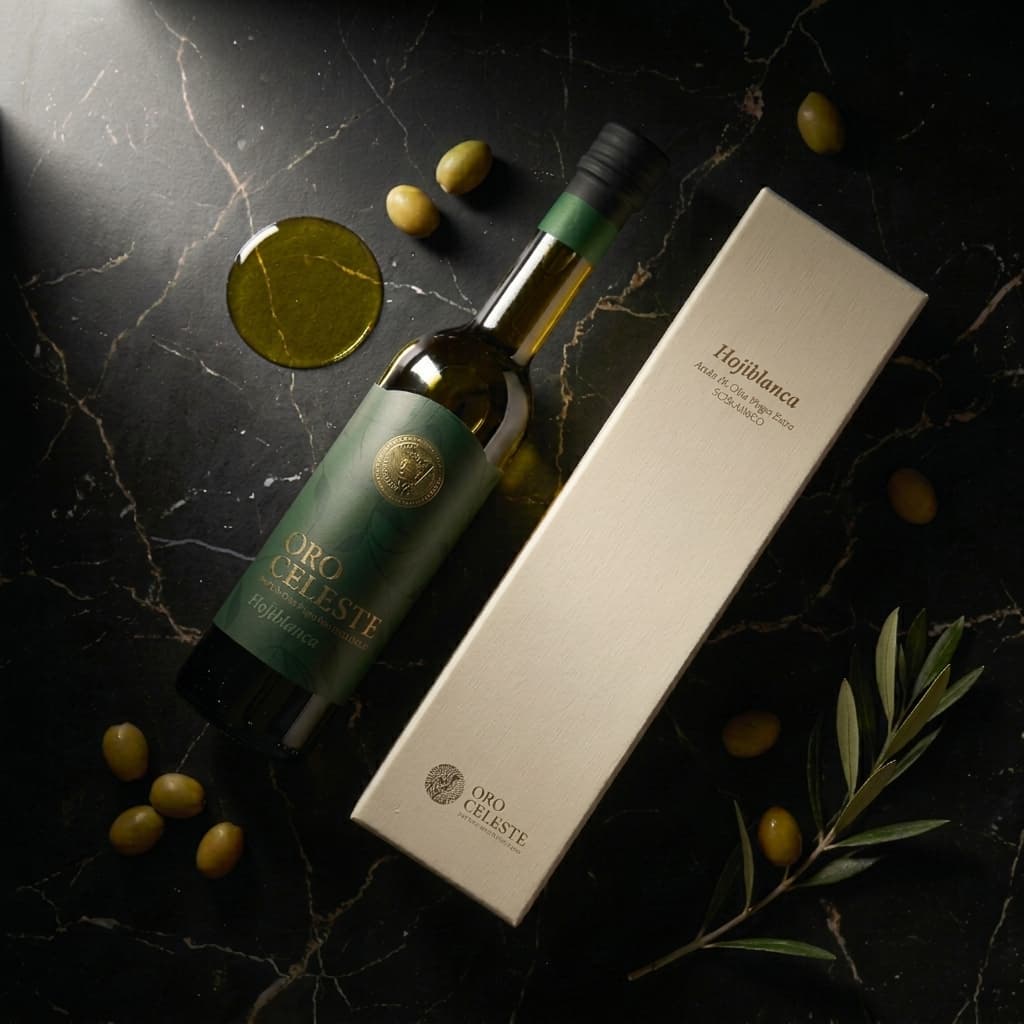
ORO CELESTE addresses this directly by printing the pressing date on every product alongside a cultivar-specific recommended consumption window. This is not a marketing convention; it reflects a genuine quality-management position grounded in the different polyphenol compositions and fatty-acid profiles of each olive variety.
A Freshness Window for Each Cultivar
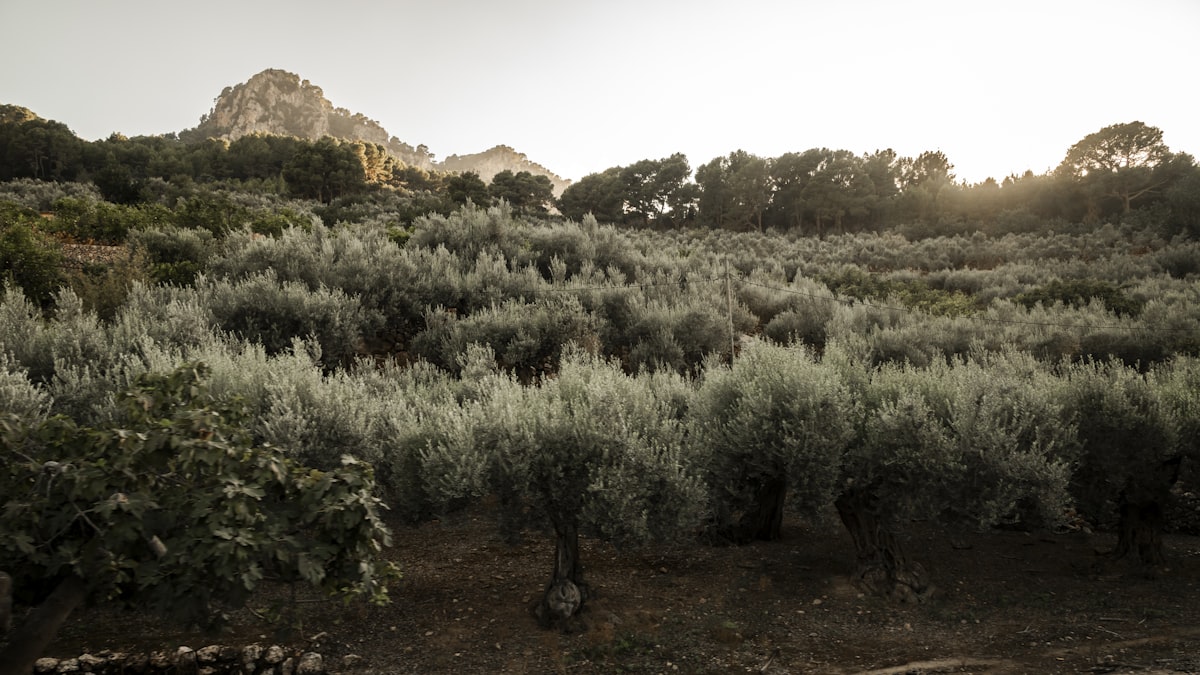
ORO CELESTE currently offers three single-cultivar lines. Because the biochemistry of each olive variety differs, the recommended consumption window after pressing shifts accordingly.
Hojiblanca carries an acidity of 0.16% and a polyphenol content of 600+ mg/kg. Its defining character — delicate aromas of almond and fresh apple — is most vivid in the first months after pressing. ORO CELESTE recommends consuming Hojiblanca within 6 months of the pressing date to experience those nuances at their fullest. Beyond 12 months, a gradual softening of aromatic complexity has been observed.
Sibarita is the lowest-acidity of the three at 0.14%, with a polyphenol content of 500+ mg/kg. Its balanced, medium-fruity profile and relatively stable fatty-acid composition allow it to hold fresh flavour for up to 8 months after pressing. As the most versatile of the three for everyday cooking, ORO CELESTE sets 6–8 months as its optimal consumption range.
Picual registers an acidity of 0.20% and the highest polyphenol content of the three at 800+ mg/kg. Research from the UC Davis Olive Center has reported that cultivars with higher polyphenol concentrations tend to show greater oxidative stability, meaning quality can degrade more slowly over the storage period. Picual's characteristic peppery finish and pleasant bitterness — hallmarks of its oleocanthal content — have been observed to remain well intact for up to 12 months after pressing, which ORO CELESTE designates as the maximum recommended window for this variety.
Three Rules for Keeping Freshness After Opening
The cultivar windows described above assume an unopened bottle. The moment the seal is broken, oxygen, light, and heat begin their work, and a separate set of habits becomes necessary.
Rule one: keep it dark. The polyphenols and chlorophyll in olive oil are sensitive to ultraviolet radiation. IOC guidelines advise avoiding not just direct sunlight but also extended exposure under fluorescent lighting. A closed cupboard or drawer is the right place.
Rule two: watch the temperature. The recognised optimal storage range is 14–18 °C. Storing olive oil in the refrigerator can cause it to cloud or partially solidify — this is a normal low-temperature response, not a quality defect, and the oil clears again at room temperature. In the opposite direction, positioning the bottle near a stove or anywhere the ambient temperature regularly exceeds 30 °C will accelerate rancidity.
Rule three: finish an open bottle within 30–45 days. Regardless of bottle size, air contact begins the countdown. If your household uses olive oil infrequently, a 500 mL bottle is a more practical choice than a larger format — it makes staying within the 45-day window straightforward.
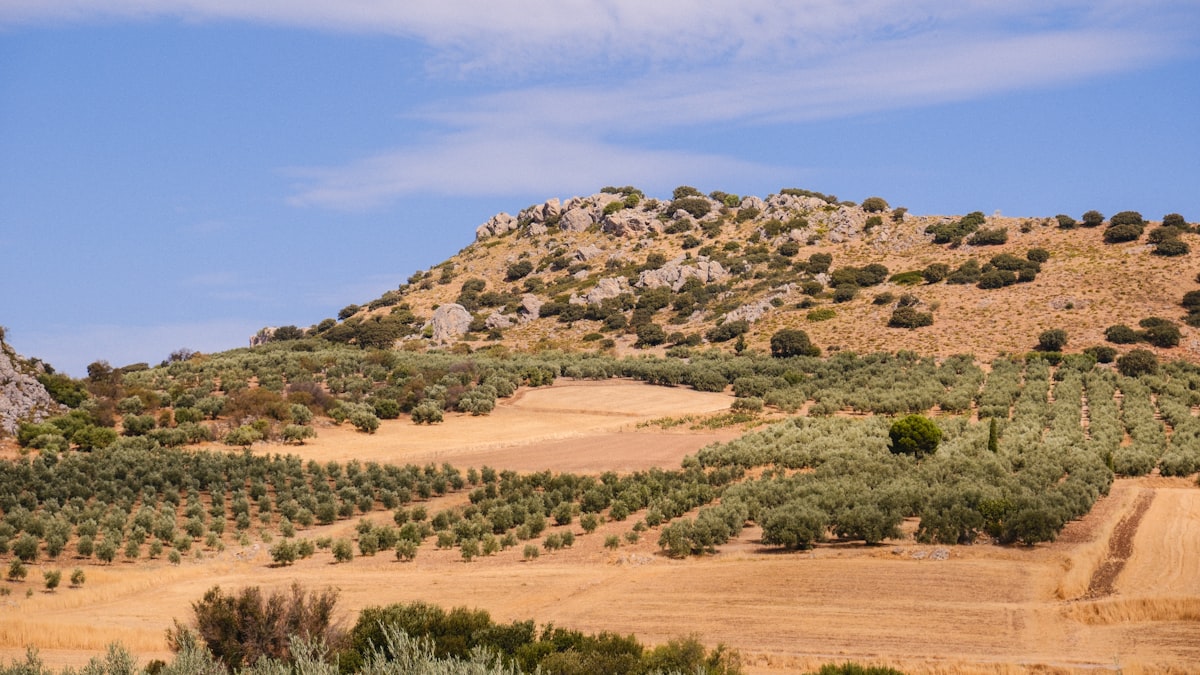
How to Read the Label — Finding the Pressing Date
ORO CELESTE labels carry both the harvest year and the pressing batch information. Look for the field marked 'Pressing Date' or 'Cosecha' (harvest) on the bottom or rear label. Many consumers focus only on the Best Before date, but that figure is typically set 24 months from pressing — a span considerably more generous than the optimal flavour window.
Official documentation from Spain's AICA olive oil origin-management authority makes this distinction explicit: the best-before date satisfies a legal minimum shelf-life requirement and is not intended as a guide to the flavour peak of a premium EVOO. For anyone wanting to experience the oil at its best, choosing a product that clearly states the pressing date and targeting consumption within 6–12 months of that date is the approach that experts recommend.
The Difference Fresh Oil Makes at the Table
The gap between a recently pressed EVOO and an older one is perceptible without specialist training. Drizzled over a salad, a fresh oil lifts a green, herbaceous note. Torn into bread, it delivers a clean bitterness and — in Picual especially — a warm, peppery finish that lingers at the back of the throat. Oils past their prime can show a heavy, waxy texture or an off-note that trained tasters describe as rancio (rancidity), which is among the primary disqualifying defects in the IOC's official panel-test methodology.
ORO CELESTE's commitment to pressing-date transparency rests on a straightforward premise: olive oil belongs in the same category as fresh produce, not preserved goods. Just as wine is discussed in terms of vintage, olive oil is best chosen — and enjoyed — with an eye on when it was pressed.
Frequently asked questions
- What is a pressing date on olive oil and why does it matter?
- The pressing date is the day the olives were harvested and crushed into oil. According to quality data published by the International Olive Council (IOC), polyphenol content begins declining gradually right after pressing, and noticeable changes in flavour and bioactive compounds can appear within 12–18 months depending on storage conditions. Because a bottle's best-before date is typically set 24 months from pressing, the pressing date gives a far more precise picture of where the oil sits within its peak window.
- How long does ORO CELESTE olive oil stay fresh after pressing?
- It depends on the cultivar. ORO CELESTE recommends consuming Hojiblanca within 6 months of pressing to capture its almond and apple nuances at their sharpest. Sibarita, with its stable fatty-acid profile, holds well for up to 8 months. Picual — the highest in polyphenols at 800+ mg/kg — can maintain its characteristic peppery finish for up to 12 months, which ORO CELESTE sets as the maximum recommended window for that variety. All windows assume the bottle remains unopened.
- What is the best way to store olive oil at home?
- Three principles apply. First, keep the oil in a dark cupboard or drawer — both direct sunlight and prolonged exposure to fluorescent lighting degrade polyphenols and chlorophyll, according to IOC guidelines. Second, aim for a storage temperature of 14–18 °C; environments above 30 °C, such as a shelf beside the stove, accelerate oxidation. Third, once opened, try to finish the oil within 30–45 days. Choosing a 500 mL bottle rather than a larger format is a practical way to stay within that window if you don't cook with olive oil every day.
- Is olive oil that has solidified in the fridge still good?
- Yes. Clouding or partial solidification at low temperatures is a natural physical response to cold, not a sign of spoilage. The oil will return to its normal appearance once brought back to room temperature. Refrigeration is not the ideal long-term storage method, but it will not harm the oil.
- What is the difference between a best-before date and a pressing date on olive oil?
- According to official documentation from Spain's AICA olive oil origin-management authority, the best-before date satisfies a legal minimum shelf-life requirement — it is not a guide to when a premium extra virgin olive oil is at its flavour peak. Producers commonly set best-before dates 24 months from pressing. For a high-quality EVOO, the pressing date is the more meaningful reference: experts and ORO CELESTE both recommend targeting consumption within 6–12 months of pressing, well before the best-before date is reached.
Related reading
- Light, Heat, Oxygen, Time: The Four Forces Destroying Your Olive Oil's Aroma
The flavor of extra virgin olive oil is quietly dismantled by four forces: light, heat, oxygen, and time. Here is the science behind each mechanism and what it means for storage.
- Large-Can Olive Oil: How to Buy Smart and Keep It Fresh to the Last Drop
A 3-litre or 5-litre tin of extra virgin olive oil can cut your per-litre cost by 20–40%, but only if you manage freshness after opening. This guide walks through pre-purchase checks, portioning strategies, and storage conditions that protect quality from the first pour to the last.
- Cold, Room Temperature, Hot: How Olive Oil Changes at Every Stage
Olive oil solidifies in the refrigerator and thins dramatically on a hot stove. Understanding the science behind these viscosity shifts opens up a more deliberate approach to cooking with EVOO at every temperature.
- Closer to the Source: A Practical Guide to Buying Olive Oil Direct from Producers
From farm-direct shipping and micro-importers to group buys, there are more ways than ever to reach a producer before a supermarket shelf does. This guide walks through each route, what to verify before you buy, and how to set realistic expectations on price and freshness.
- The Countdown Starts When You Break the Seal: An Olive Oil Oxidation Timeline
The moment you open a bottle of extra virgin olive oil, oxygen, light, and heat begin working against it. This guide maps freshness changes at one week, one month, and three months after opening — and lays out the storage habits that slow the decline.
- The Right Container Makes or Breaks a Bulk Olive Oil Purchase
Decanting a large tin or bottle of extra virgin olive oil into a smaller vessel sounds simple — but the container you choose determines how much of that quality actually survives. A practical guide to material, light-blocking, and seal performance.
Tags
- pressing date
- freshness
- extra virgin olive oil
- storage
- cultivar