Craft
"Bottled in Italy" vs. "100% Italian Olives": Two Phrases, Two Very Different Meanings
The Italian flag on an olive oil label can mean almost anything — or almost nothing. A practical guide to decoding origin labeling and spotting the legal ambiguity hiding in plain sight.
Translated from the Korean edition, originally published August 10, 2026 · read the original
The Two Most Misread Phrases on Any Olive Oil Label
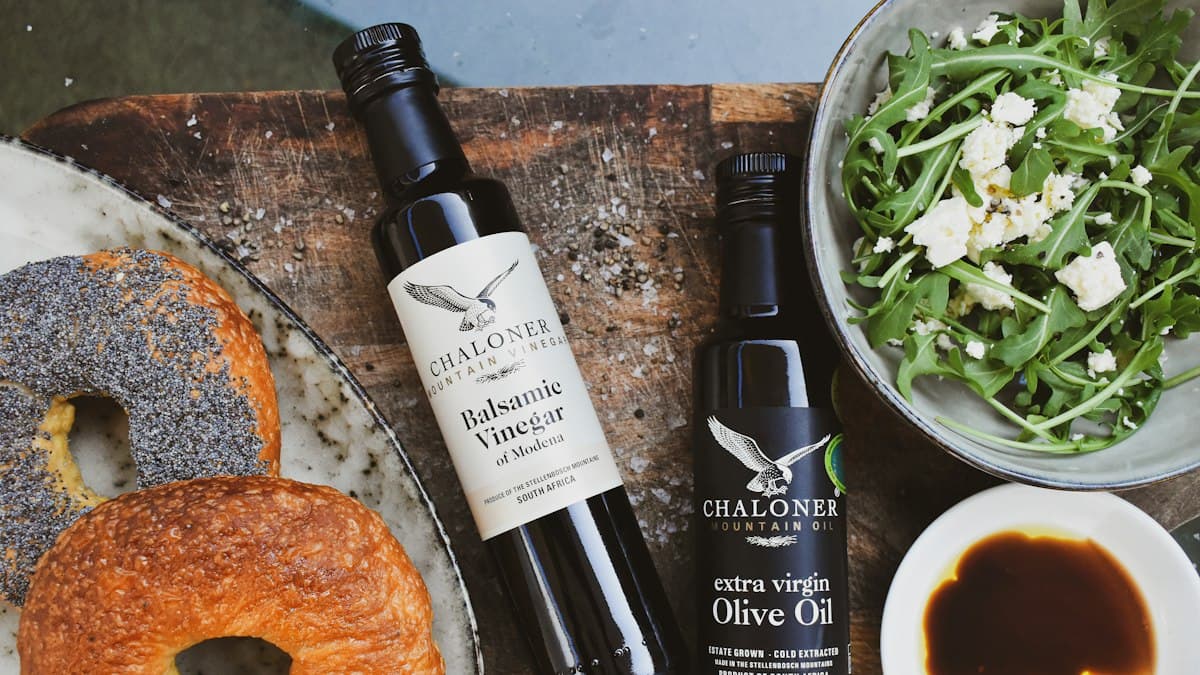
Pick up almost any bottle on a supermarket shelf and you will see Italian-flag colors alongside phrases like "Made in Italy" or "Product of Italy." Italy's reputation as a byword for olive oil quality makes those words powerful marketing language. Yet two very different statements can sit side by side beneath the same Italian imagery: "Bottled in Italy" and "100% Italian Olives."
The first phrase means the oil — regardless of where the olives grew — was put into bottles at an Italian facility. Bulk oil imported from Spain, Greece, Tunisia, or Morocco can be blended and bottled in Italy and still carry that description. The second phrase means the olives themselves were cultivated and pressed on Italian soil. Two bottles with nearly identical packaging can share the same flag yet have starting points thousands of kilometers apart.
The "Legal Ambiguity" That EU Regulation Permits
The European Union addresses origin labeling through EU Regulation No. 29/2012 and its subsequent amendments. Under those rules, extra virgin olive oil (EVOO) labels must state the country or region where the olives were harvested. When olives from more than one country are used, the label must either read "blend of EU olive oils" or list every source country by name.
The gap lies in presentation. The regulation requires that both the olive origin and the bottling location be declared, but it does not mandate that they appear with equal size or prominence. According to a 2020 investigative report by the Italian consumer organization Altroconsumo, a significant share of olive oils sold in Italian supermarkets prominently featured Italian imagery on the front label while relegating the actual olive origin to small print at the bottom of the back panel. That layout — entirely within the letter of the law — is precisely what creates the legal ambiguity consumers encounter.
What PDO and PGI Marks Actually Guarantee
For stricter assurance of geographic authenticity, the EU operates two certification schemes: PDO (Protected Designation of Origin) and PGI (Protected Geographical Indication). PDO certification requires that every stage of production — growing, pressing, and bottling — takes place within the designated region. PGI certification requires only that at least one of those stages occurs in the region, making its geographic link somewhat more flexible than PDO.
Italy alone holds dozens of PDO and PGI olive oils, including Toscano IGP and various Sicilian DOP designations. A product bearing either mark has been verified by a certifying body as having a traceable connection to the named region. That said, the absence of a PDO or PGI mark does not imply poor quality. Many small-scale single-origin EVOO producers in Spain, Greece, and Portugal make outstanding oils without pursuing certification. These marks are one indicator of traceability, not an absolute measure of quality.
Five Things to Check on Every Label
Five pieces of information are worth verifying before any purchase.
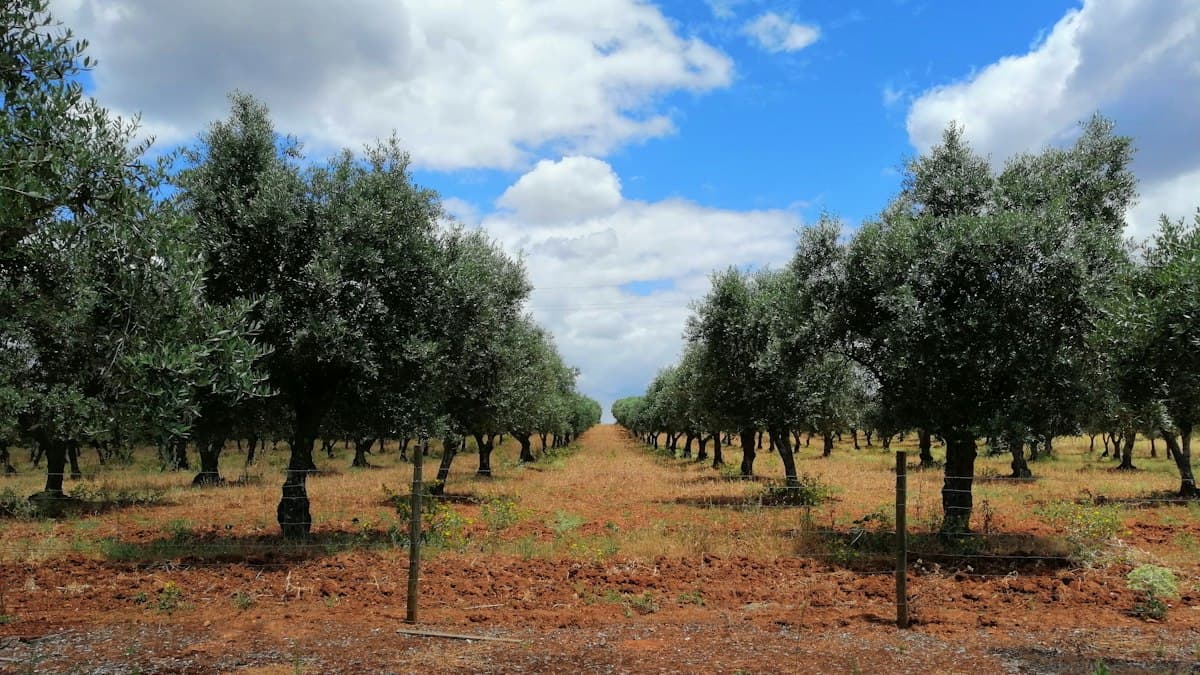
First, the origin of the olives. Look for where the fruit was grown, not where the oil was bottled. If the label reads only "Packed in Italy" or "Bottled in Italy" with no separate olive origin statement, dig further before deciding.
Second, the harvest date. Unlike wine, olive oil does not improve with age. According to International Olive Council (IOC) guidance, the recommended window for consuming unopened EVOO at its best is approximately 18–24 months from production. A label that lists only a best-before date, with no harvest year, gives no indication of when the olives were actually pressed.
Third, acidity. EU regulations set the maximum free fatty acid content for EVOO at 0.8%. Producers who voluntarily print their acidity figure are signaling confidence in their oil; those who omit it are not required to hide anything, but the disclosure itself is worth noting.
Fourth, polyphenol content. Some premium producers voluntarily state polyphenol levels in mg/kg. According to European Food Safety Authority (EFSA) guidelines, polyphenol-related claims on olive oil labels are permitted only when a verified minimum content is present, so a specific mg/kg figure carries more weight than a vague "rich in antioxidants" claim.
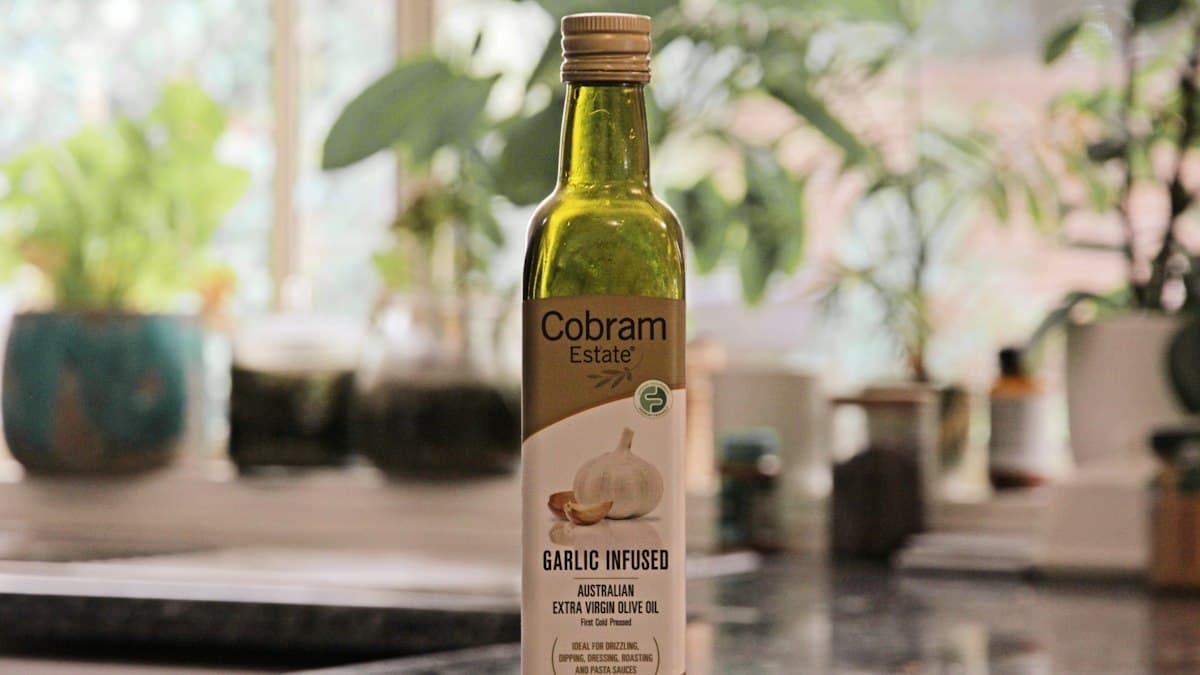
Fifth, cultivar names. When a label names specific varieties — Ojiblanca, Sibarita, Picual, Koroneiki, Arbequina, or others — it signals that the producer has made deliberate, traceable varietal choices. That level of specificity sets a product apart from high-volume blends that list no variety information at all.
Label Literacy Beyond the Flag
Reading an olive oil label well begins with one question: where did these olives actually come from? Italy, Spain, and Greece each have extraordinary olive oil traditions, but a country's image alone does not guarantee what is inside the bottle. According to International Food Information Council (IFIC) data, many consumers cite price and package design as their primary purchase drivers, rating origin labeling as a secondary consideration. That pattern is part of what allows practices built on legal ambiguity to persist.
The practical habit worth building is simple: move past the flag and the country name on the front, and go straight to the small print on the back — olive origin, harvest date, acidity. The more transparently a producer discloses that information, the more confident a buyer can be. Transparency itself, in this category, functions as a quality signal.
Frequently asked questions
- What does "Bottled in Italy" actually mean on an olive oil label?
- It means the oil was packaged at a facility in Italy — nothing more. The olives themselves may have been grown and pressed in Spain, Greece, Tunisia, Morocco, or any combination of countries. The bottling location says nothing about where the fruit came from.
- Is "Product of Italy" the same as "100% Italian Olives"?
- Not necessarily. "Product of Italy" can legally appear on oil that was merely processed or bottled in Italy, even if the olives were sourced elsewhere. "100% Italian Olives" specifically means the fruit was grown and pressed in Italy, which is a meaningfully stronger claim.
- What is the difference between PDO and PGI certification for olive oil?
- PDO (Protected Designation of Origin) requires that every stage — growing, pressing, and bottling — takes place within the defined region. PGI (Protected Geographical Indication) only requires that at least one of those stages occurs in the region, making its geographic link somewhat less strict. Both marks indicate that a certifying body has verified the regional connection, but neither is a guarantee of a specific quality level.
- Does EU regulation require olive oil producers to disclose the country where the olives were grown?
- Yes. Under EU Regulation No. 29/2012 and its subsequent amendments, extra virgin olive oil labels must state the country or countries where the olives were harvested. When olives from multiple countries are blended, all origin countries must be listed. However, the regulation does not specify equal prominence for that information, which is why it often appears in small print on the back of the bottle.
- What five things should I check on an olive oil label before buying?
- Look for: (1) the origin of the olives, not just the bottling location; (2) a harvest date, since the International Olive Council recommends consuming EVOO within roughly 18–24 months of production; (3) acidity, which must be at or below 0.8% for EVOO under EU rules — voluntary disclosure signals confidence in quality; (4) polyphenol content in mg/kg, which some premium producers list voluntarily in line with EFSA guidelines; and (5) cultivar names such as Picual, Koroneiki, or Ojiblanca, which indicate the producer has made deliberate, traceable varietal choices.
Related reading
- Extra Virgin vs. Pure Olive Oil: A Shelf-Side Buying Guide
Two bottles, side by side, same country of origin — yet the price gap can be substantial. Here is what the IOC grade standards, label rules, and food-science research say about choosing between extra virgin and pure olive oil.
- Reading Polyphenol Numbers on an Olive Oil Label: A Step-by-Step Comparison Guide
The mg/kg polyphenol figure printed on an extra virgin olive oil bottle is one of the most useful quality signals a label can carry — but only if you know how to read it. This guide walks through what the number means, how measurement method affects it, and what else to check alongside it.
- Closer to the Source: A Practical Guide to Buying Olive Oil Direct from Producers
From farm-direct shipping and micro-importers to group buys, there are more ways than ever to reach a producer before a supermarket shelf does. This guide walks through each route, what to verify before you buy, and how to set realistic expectations on price and freshness.
- Budget, Mid-Range, or Premium Olive Oil: The Numbers That Actually Separate Them
Every bottle on the shelf says 'extra virgin,' yet prices for 500 ml can vary tenfold. Acidity, polyphenols, harvest timing, and certification are the real dividing lines — and they're all readable on the label.
- No Harvest Year on the Label? Here's How to Read the Bottle Anyway
Finding freshness information on an olive oil label is harder than it looks. A guide to the dates, codes, and quiet signals that reveal what the bottle doesn't say outright.
- One Label, Four Rulebooks: How EVOO Standards Differ Across the EU, IOC, US, and Australia
The words "extra virgin" appear on bottles from every olive-growing country, yet the rules behind them vary in ways that matter to buyers. This guide breaks down how the IOC, EU, USDA, and Australian standards diverge on acidity, sensory evaluation, and certification.
Tags
- label reading
- origin labeling
- evoo
- pdo pgi
- buying guide