Craft
Inside the Tasting Panel: How Experts Judge Olive Oil, Step by Step
A cobalt-blue glass, a palm-warmed sample, and a roomful of trained evaluators — the official IOC sensory panel process reveals more about olive oil quality in minutes than any label ever could.
Translated from the Korean edition, originally published August 26, 2026 · read the original
Why a Blue Glass?
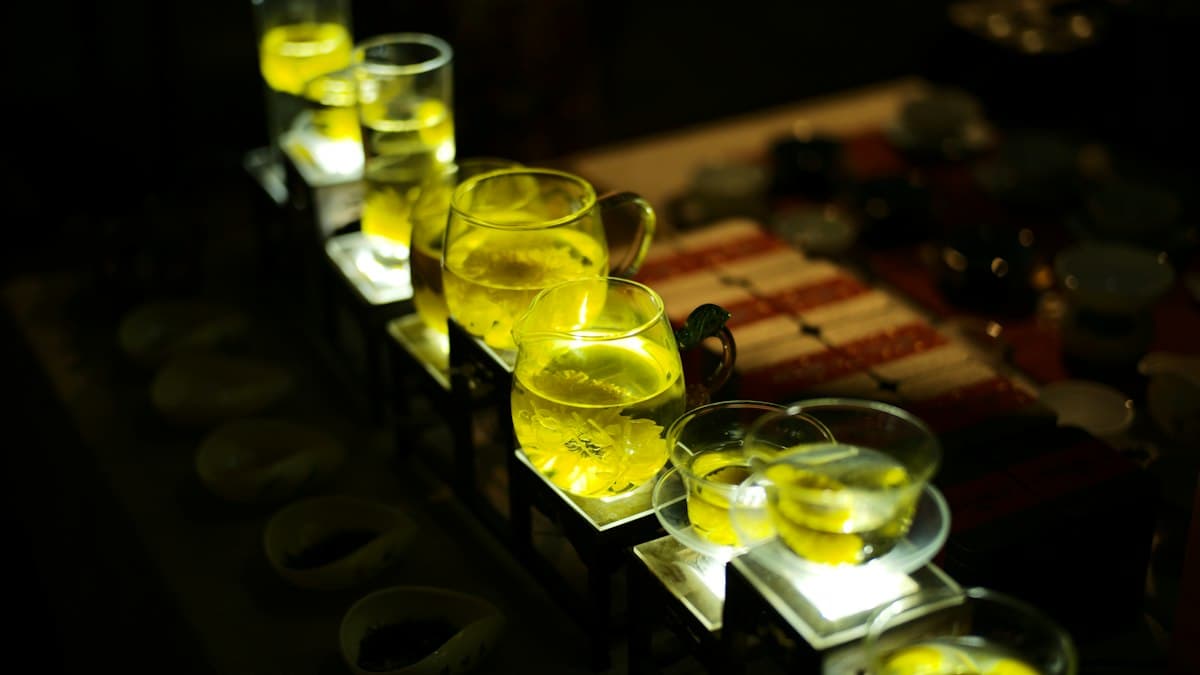
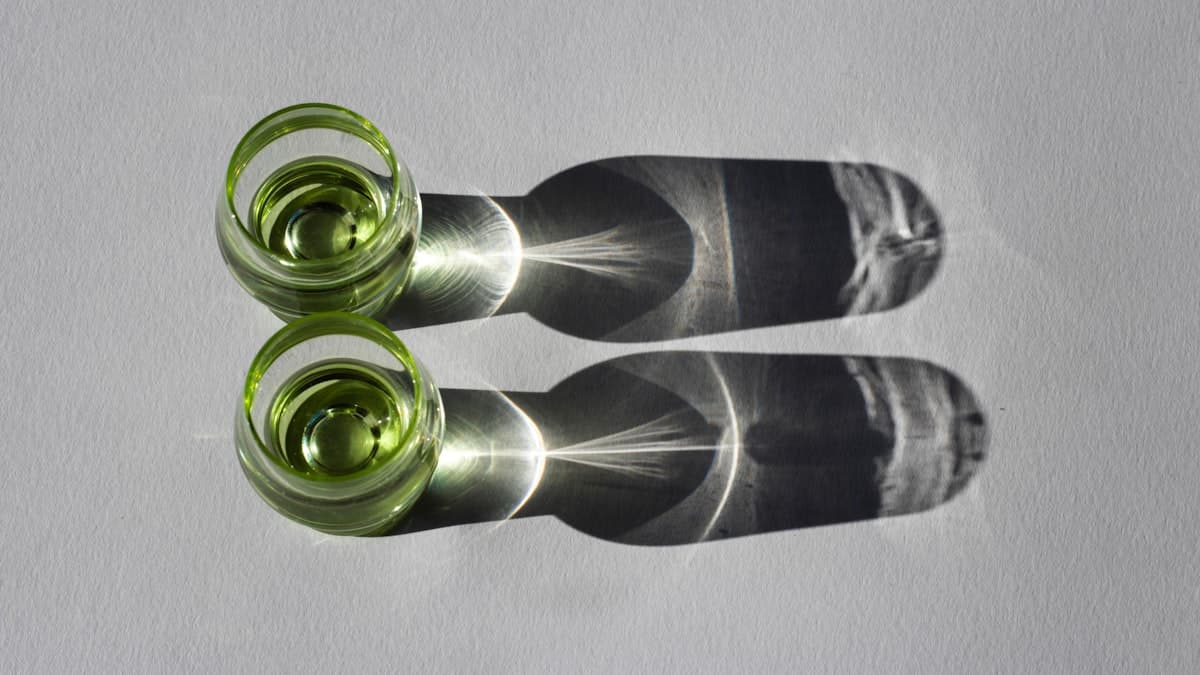
Anyone stepping into a professional olive oil sensory evaluation for the first time tends to stop and stare. Every table holds the same dark cobalt glasses; every evaluator cups one in both palms with eyes closed. The point is to eliminate color as a variable. The IOC's official sensory panel regulation — COI/T.20/Doc. No 15/Rev. 13 — specifies that samples must be presented in opaque dark blue or brown glasses, precisely because visual cues can bias judgment. Golden or green, an oil's color is not part of the criteria that determine Extra Virgin grade.
Standard volume is 15–16 mL. Just before evaluation begins, panelists warm the glass in their palms to 28 ± 2 °C — the temperature range at which volatile aroma compounds are released most actively, as established by IOC protocol.
Aroma — The Nose Grades First
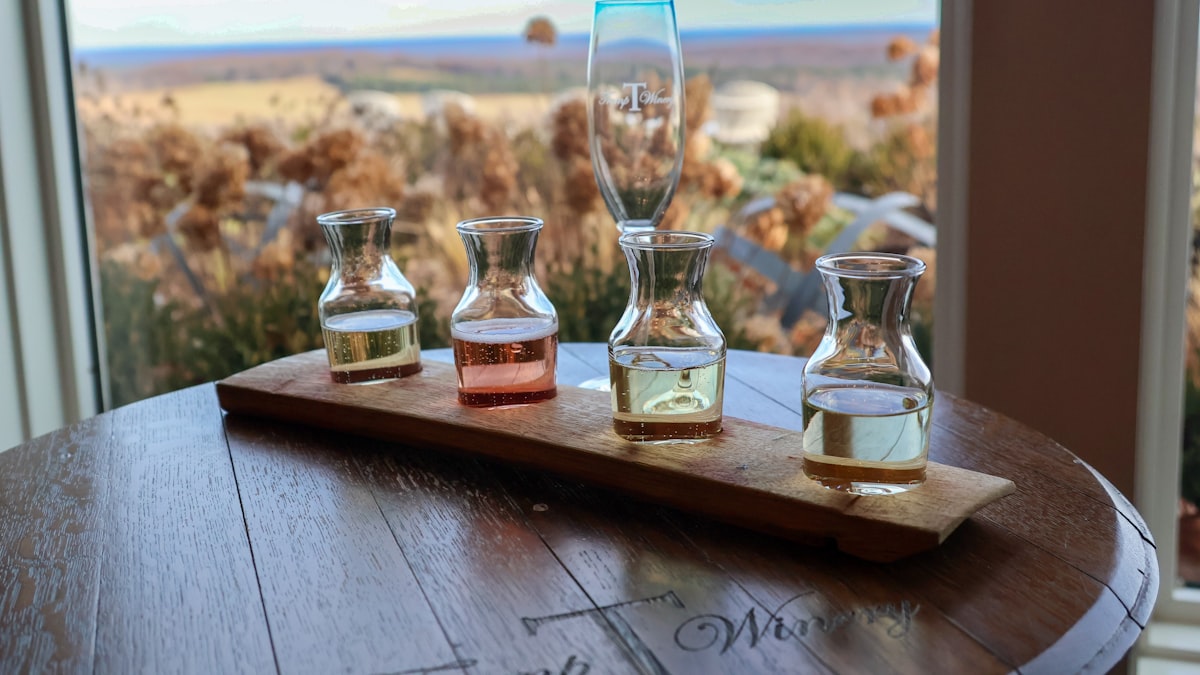
The moment a panelist lifts the watch glass cover from a warmed sample, half the evaluation has already begun. The first step is orthonasal olfaction: nose brought close to the rim, three to four short, sharp inhalations. The key attribute to identify here is fruitiness — the scent of fresh olive fruit.
Fruitiness is assessed by intensity (light, medium, or intense) and by ripeness profile. Green fruity describes aromas from freshly harvested unripe olives: herbs, artichoke, tomato leaf. Ripe fruity describes the rounder notes of fully mature fruit: butter, almond, soft stone fruit.
If instead the panelist detects vinegar, fermentation, rancidity, or mold at this stage, the oil loses its claim to Extra Virgin status. Under the IOC panel system, defects are not recorded as a simple pass/fail — every attribute, positive or negative, is marked on a continuous scale, and the panel median determines the final grade.
Palate — Bitterness and Pungency Are Not Flaws
After the aroma assessment, the panelist takes 3–4 mL into the mouth and performs what Italian tasters call strippaggio: a short, sharp draw of air through slightly parted lips that spreads the oil across the entire tongue and palate. This drives aroma molecules upward through the retro-nasal passage, engaging a second aromatic pathway.
Three taste attributes are evaluated at this stage.
Fruitiness — the olive fruit character perceived on the palate, confirming what the nose found. A positive attribute.
Bitterness — sensed at the back of the tongue and directly linked to polyphenol content, especially oleuropein. According to IOC data, oils pressed from early-harvested olives tend to score higher on bitterness intensity, in proportion to their elevated polyphenol concentration. Many consumers mistake this for a defect; the panel records it as a positive attribute.
Pungency — the peppery, stinging sensation at the back of the throat. Its primary cause is oleocanthal, a phenolic compound. Researchers at Spain's Instituto de la Grasa (CSIC, Seville) have reported that oleocanthal exhibits COX-inhibiting activity similar to ibuprofen in vitro; however, it is too early to conclude what this finding means for human health outcomes. In panel evaluation, pungency is classified as a positive attribute.

Defects — When an Oil Fails
The IOC sensory regulation requires panelists to name defects using a defined vocabulary. The principal defect descriptors and their causes are as follows.
Rancid — oxidative deterioration, the most common defect. Caused by age and exposure to light or heat.
Fusty / Muddy sediment — anaerobic fermentation in olives during storage before milling. Produces a swampy, marsh-like odor.
Musty / Humid — from processing olives affected by mold. Smells of damp storage or humidity.
Winey / Vinegary — fermentation off-note. Occurs when harvested olives are piled too deep for too long, generating acetic acid and ethanol.
Metallic — off-note from prolonged contact with processing equipment during extraction or storage.
Defect intensity is marked on a continuous 0–10 scale. The median score across the panel is then calculated. A median of zero means no defect is present; any median above zero can result in the oil being downgraded from Extra Virgin to Virgin or below.
Panel Composition and Statistical Processing
An official IOC panel consists of 8–12 trained evaluators, each assessing the same sample independently. To control for variation between individuals, results are processed using a statistical model based on the median and robust coefficient of variation (robust CV). Under IOC COI/T.20/Doc. No 15/Rev. 13, if a panel's robust CV for a given sample exceeds the permitted threshold, that sample's results are declared invalid and the evaluation must be repeated.
Between samples, panelists reset the palate with room-temperature still water and plain, unflavored apple slices or neutral crackers. The maximum number of samples evaluated in a single session is typically capped at four to five, because accumulated sensory fatigue sharply reduces result reliability.
Applying This at Home
Replicating full panel-level controls at home is not realistic, but the core of the procedure translates directly.
Start with a dark or opaque cup. Pour in a small amount of oil and cup it in both palms for one to two minutes to bring it up to body temperature. Remove the cover and inhale close to the rim for about three seconds. Ask yourself: is this fresh and fruity, or are there hints of vinegar, must, or rancidity? That first impression alone is a reliable quality signal.
Take a small sip and draw in a little air through your lips, rolling the oil across your whole tongue. Bitterness at the back of the tongue and a peppery sting in the throat both suggest a polyphenol-rich, early-harvest oil. If the oil tastes flat and neutral, with no bitterness or pungency at all, it may have oxidized, been made from over-ripe olives, or simply be past its best.
What separates a fine olive oil from a mediocre one is not the label — it is these brief sensory moments. The procedure that professional panels have refined over decades is, at its core, the discipline of paying close attention to what the oil itself is telling you.
Frequently asked questions
- Why do olive oil tasting panels use blue glasses?
- The IOC's official sensory evaluation protocol (COI/T.20/Doc. No 15/Rev. 13) requires dark, opaque blue or brown glasses so that color cannot influence a panelist's judgment. Whether an oil is golden or deep green tells you nothing about its grade — so sight is deliberately removed from the equation.
- Is bitterness in olive oil a defect?
- No. In the IOC panel system, bitterness is classified as a positive attribute. It is closely linked to polyphenol content — particularly oleuropein — and oils made from early-harvested olives typically score higher on bitterness intensity. Many consumers mistake it for a flaw, but trained panelists record it as a sign of quality.
- What causes the peppery burn at the back of the throat in good olive oil?
- That sensation is called pungency and is primarily caused by oleocanthal, a phenolic compound. Researchers at Spain's Instituto de la Grasa (CSIC, Seville) have reported that oleocanthal exhibits COX-inhibiting activity similar to ibuprofen in vitro, though it is too early to conclude what this means for human health. In a sensory panel, pungency is recorded as a positive attribute.
- What are the most common defects an olive oil panel looks for?
- The IOC protocol uses standardized terms: rancid (oxidation from age, light, or heat), fusty/muddy sediment (anaerobic fermentation during storage), musty/humid (mold from damaged olives), winey/vinegary (excess acetic acid from over-piled fruit after harvest), and metallic (prolonged contact with processing equipment). Each defect is scored on a continuous 0–10 scale; any median score above zero can drop the oil below Extra Virgin grade.
- Can I run a proper olive oil tasting at home?
- You can replicate the essentials. Use a dark or opaque cup, pour in a small amount of oil, and warm it in your palms for one to two minutes. Inhale closely for about three seconds — fresh, fruity aromas are a good sign; vinegar, mustiness, or rancid notes are red flags. Take a small sip, draw in a little air, and roll the oil across your tongue. Bitterness at the back of the tongue and a peppery kick in the throat both suggest a polyphenol-rich, early-harvest oil.
Related reading
- Six Olive Oil Off-Flavors — and How to Tell Them Apart at Home
From musty and winey-vinegary to metallic and rancid, off-flavors are the clearest signal that an extra virgin olive oil has fallen short of grade. This practical guide explains what causes each defect and how to detect them without professional panel training.
- Fruity, Bitter, Pungent: The Three Scores That Decide an EVOO's Grade
Every EVOO tasting note circles back to the same three words. Here is how IOC sensory panels actually use them — and why all three must be present for a oil to hold its extra virgin status.
- Reading Polyphenol Numbers on an Olive Oil Label: A Step-by-Step Comparison Guide
The mg/kg polyphenol figure printed on an extra virgin olive oil bottle is one of the most useful quality signals a label can carry — but only if you know how to read it. This guide walks through what the number means, how measurement method affects it, and what else to check alongside it.
- Set Up a Home Olive Oil Tasting: Lighting, Temperature, Glasses, and Tasting Notes
A professional-level olive oil tasting environment does not require special equipment. This guide walks through the exact setup — lighting, oil temperature, glass selection, and a simple scoresheet — that lets any curious cook build real sensory skills at home.
- Picual, Arbequina, Coratina, Moraiolo: A Cultivar Guide to Olive Oil Flavor
Flavor in extra virgin olive oil begins with the olive itself. This guide breaks down the origins, sensory profiles, polyphenol levels, and best uses of four cultivars that dominate the premium EVOO market.
- QR Codes on Every Bottle: Inside ORO CELESTE's Batch-Level Transparency
ORO CELESTE prints a QR code on every product label, giving shoppers instant access to the batch-specific lab certificate — acidity, polyphenols, and sensory results — for the exact bottle in their hand.
Tags
- sensory evaluation
- tasting panel
- evoo quality
- polyphenols
- olive oil grading