Craft
No Harvest Year on the Label? Here's How to Read the Bottle Anyway
Finding freshness information on an olive oil label is harder than it looks. A guide to the dates, codes, and quiet signals that reveal what the bottle doesn't say outright.
Translated from the Korean edition, originally published August 27, 2026 · read the original
Olive Oil Has a Vintage, Too
Just as wine carries a vintage, olive oil has a harvest year. Because it is a pressed agricultural product, the season in which the olives were picked is the starting point for everything that follows in the bottle. Unlike wine, though, olive oil does not improve with age — it moves in one direction only. The fresher the oil, the higher its polyphenol content and the lower its free fatty acid reading. According to International Olive Council (IOC) standards, an oil must contain no more than 0.8 g of free fatty acids per 100 g to qualify as extra virgin, and that figure is known to rise gradually over time.
The complication is that a significant proportion of olive oil bottles sold worldwide do not state a harvest year. EU labelling regulations make a best-before date mandatory, but printing the harvest year is entirely voluntary. For the consumer standing in a shop, the bottle can be surprisingly hard to date.
Three Dates That May Appear on the Label
Date-related information can appear in up to three distinct forms on an olive oil label. Knowing what each one actually means is where informed buying begins.
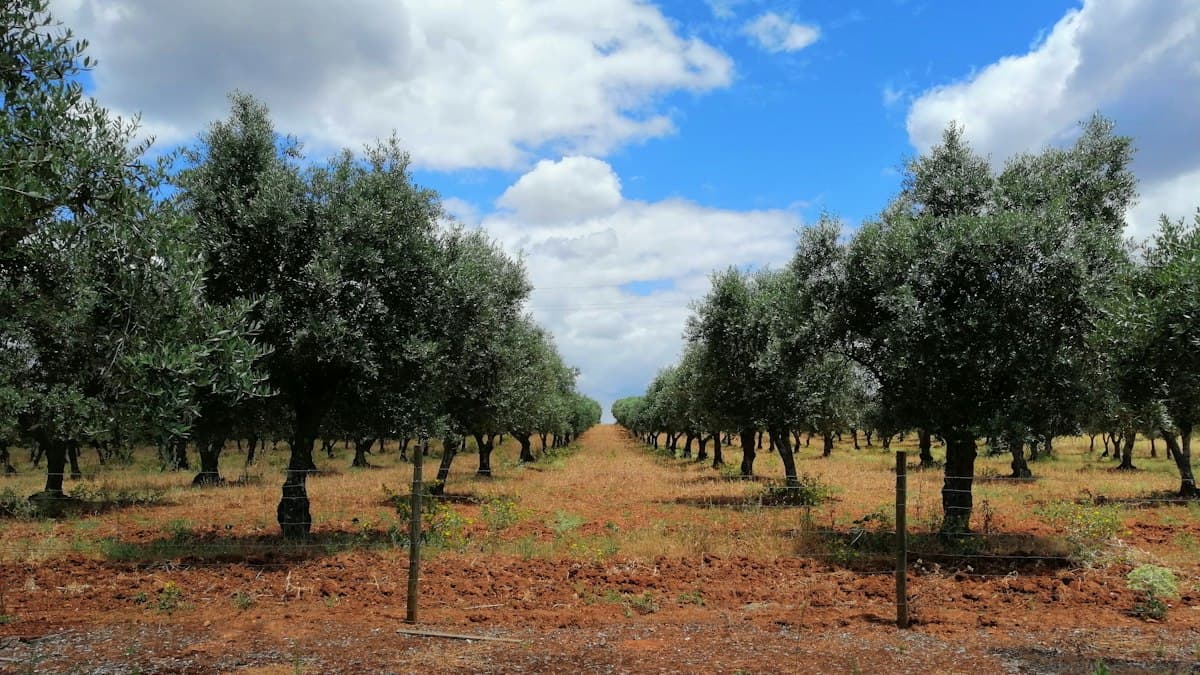
The first is the harvest year (Harvest Year / Cosecha / Raccolto). This is the most direct freshness indicator, and it appears in formats such as "Harvest 2024–2025" or "Campaña 2024/25." Producers in the Northern Hemisphere — Spain, Italy, Greece — typically harvest between October and December; Southern Hemisphere producers in Australia and Chile harvest between April and June. A bottle that states the harvest year gives the consumer everything needed to calculate freshness directly, which is why its presence is generally a mark of transparency.
The second is the pressing date (Date of Pressing / Data di Estrazione). This records the day the olives were milled after harvest, and it appears on some small-estate oils. It is a more precise indicator than the harvest year alone, but it is frequently omitted for lack of label space.
The third is the best-before date (Best Before / Preferibilmente entro). Under EU rules, an olive oil's best-before date may be set up to 24 months from the date of bottling. The catch is that bottling itself may happen anywhere from six to eighteen months after harvest, meaning the best-before date alone can mask considerable age. An oil harvested in 2023, bottled in June 2024, and stamped with a best-before of June 2026 could already be more than two years old by the time a consumer picks it up late in 2025.
Reading a Bottle That Has No Harvest Year
The absence of a harvest year is not a reason to put the bottle back. Several clues elsewhere on the label allow a reasonable freshness estimate.
The best-before back-calculation is the most fundamental approach. Because EU-bottled oil carries a best-before date set no more than 24 months from bottling, subtracting 24 months from that date yields the latest possible bottling date. A best-before of March 2026, for example, indicates bottling no earlier than March 2024. Mapping that against the Northern Hemisphere harvest window (October–December) narrows the likely crop year further. This is a worst-case estimate; the actual oil may be somewhat fresher.
The lot number (Lot Number / Lote) is another avenue. Some producers encode the year and month of production into the lot code — "L2411" might indicate November 2024 — though the convention varies by producer and is not standardised. The brand's website or customer service line can often decode it.
PDO and PGI certification marks serve as indirect indicators. Oils certified under a European Protected Designation of Origin (PDO/DOP) or Protected Geographical Indication (PGI/IGP) — Italian Toscano IGP or Spanish Baena DOP, for instance — must pass regular inspections by the certifying body. That process maintains a minimum quality baseline and a degree of traceability, which adds a layer of confidence even when no harvest year is printed.
Early harvest labelling is also worth noting. Early harvest oils are pressed from olives picked before full ripeness, at the green stage, and tend to carry higher polyphenol levels. Producers who specify early harvest are generally more attentive to freshness across the board. According to IOC data, early-harvest olive oils have been reported to contain significantly higher polyphenol levels than oils pressed from fully ripened fruit.
Other Variables That Shape Freshness
Beyond dates, a label may carry quality figures that speak directly to freshness. Acidity and polyphenol content are the two most telling.
Acidity — the percentage of free fatty acids in the oil — is lower in fresher, more carefully pressed oils. The legal ceiling for extra virgin grade is 0.8%, according to IOC standards, but premium single-origin oils typically read between 0.1% and 0.3%. Polyphenols are linked to the oil's characteristic bitter and peppery notes, and are associated with slowing oxidation within the oil itself. Producers who voluntarily publish both figures on the label are signalling confidence in their product. It is worth remembering, however, that both measurements reflect the state of the oil at bottling; the figures at the time of purchase may differ.
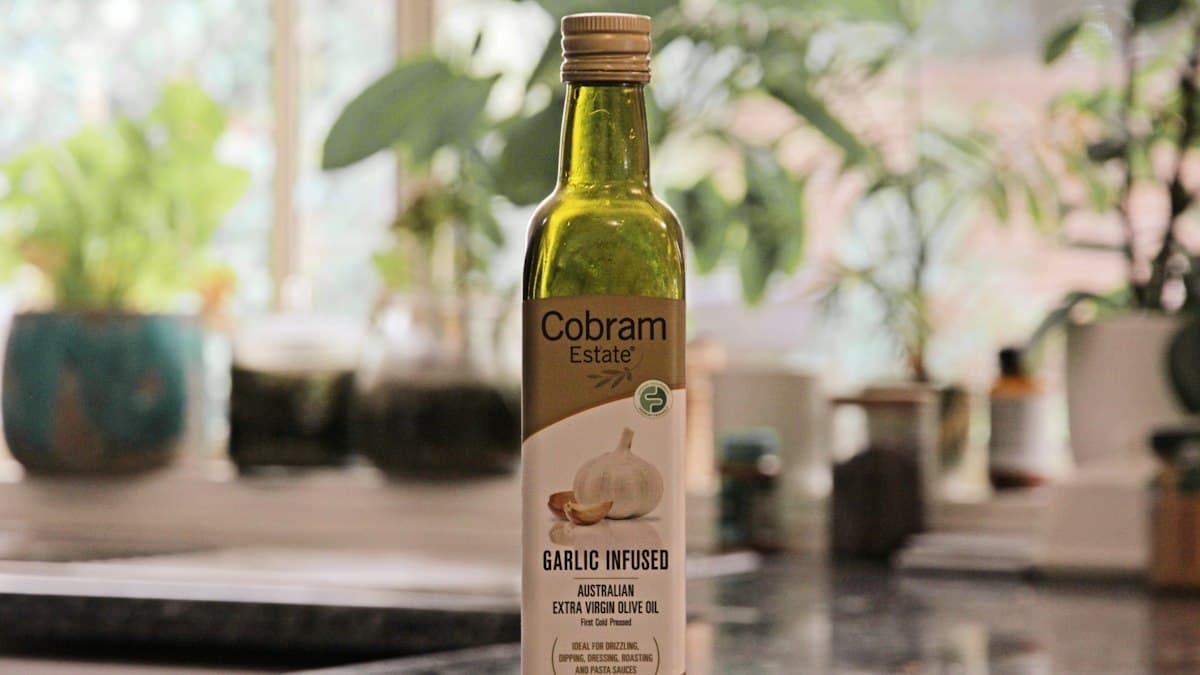
Packaging is a further clue. Dark green glass, tin cans, and other opaque containers are deliberate choices to limit light-induced oxidation. A study published in the Journal of Food Science reported that olive oils exposed to direct light showed a faster decline in polyphenol content over the same storage period compared with oils kept in the dark. A clear PET or glass bottle on a brightly lit shelf, by contrast, is a risk factor worth factoring into the decision.
Developing the Habit Changes What You Buy
Reading an olive oil label feels unfamiliar at first, but a short checklist makes it manageable in under thirty seconds at the shelf. Check first for a stated harvest year. If none appears, back-calculate from the best-before date to estimate when the oil was bottled, and cross-reference with harvest season. If acidity and polyphenol figures are published, treat them as evidence of producer transparency. Round out the picture with the lot number, any certification marks, and the colour of the container.
A bottle without a harvest year is not automatically inferior — many excellent oils simply omit it. What is certain is that the more information a label carries, the easier it is to understand the journey the oil has made before reaching the table. Learning to judge olive oil starts, almost always, with learning to read what is printed on the outside of the bottle.
Frequently asked questions
- Does olive oil have a vintage year like wine?
- Yes. Because olive oil is pressed from a harvested fruit, the year and timing of that harvest directly shape its quality. Unlike wine, however, olive oil does not improve with age — polyphenol content declines and free acidity rises over time, so fresher is almost always better.
- Is the producer required to print a harvest year on the label?
- No. EU labelling regulations require a best-before date but do not mandate a harvest year. Many bottles carry only the best-before date, which makes it harder for consumers to judge true freshness without some detective work.
- How do I estimate the harvest year from the best-before date?
- Under EU rules, the best-before date on a bottled olive oil may be set up to 24 months from the bottling date. Subtracting 24 months from the best-before date gives you the earliest possible bottling date. Cross-referencing that with the Northern Hemisphere harvest season (October–December) or the Southern Hemisphere season (April–June) lets you narrow down the likely crop year.
- What do the acidity percentage and polyphenol figure on the label actually mean?
- Acidity (expressed as a percentage of free fatty acids) must be 0.8% or below for extra virgin grade, according to International Olive Council (IOC) standards; premium single-origin oils often sit between 0.1% and 0.3%. Polyphenols are the antioxidant compounds responsible for olive oil's characteristic bitterness and peppery finish, and they are associated with slowing the oil's own oxidation. Both figures on the label reflect measurements taken at bottling, so they may differ slightly from values at the time of purchase.
- Does a PDO or PGI certification mean the oil is definitely fresh?
- Not directly, but it is a useful indirect signal. Oils carrying a European PDO (Protected Designation of Origin) or PGI (Protected Geographical Indication) — such as Italian Toscano IGP or Spanish Baena DOP — must pass regular inspections by the certifying body, which maintains a minimum quality threshold and traceability. That does not guarantee a specific harvest year, but it does mean the oil meets documented standards.
Related reading
- Closer to the Source: A Practical Guide to Buying Olive Oil Direct from Producers
From farm-direct shipping and micro-importers to group buys, there are more ways than ever to reach a producer before a supermarket shelf does. This guide walks through each route, what to verify before you buy, and how to set realistic expectations on price and freshness.
- Three Dates on Every Olive Oil Label — and How to Read All of Them
Harvest year, pressing date, and best-before: every olive oil bottle carries up to three different dates, and each one tells a different story about freshness. Knowing what each number actually means is the most reliable way to avoid buying oil that has already lost its flavor.
- Reading Polyphenol Numbers on an Olive Oil Label: A Step-by-Step Comparison Guide
The mg/kg polyphenol figure printed on an extra virgin olive oil bottle is one of the most useful quality signals a label can carry — but only if you know how to read it. This guide walks through what the number means, how measurement method affects it, and what else to check alongside it.
- Extra Virgin vs. Pure Olive Oil: A Shelf-Side Buying Guide
Two bottles, side by side, same country of origin — yet the price gap can be substantial. Here is what the IOC grade standards, label rules, and food-science research say about choosing between extra virgin and pure olive oil.
- Budget, Mid-Range, or Premium Olive Oil: The Numbers That Actually Separate Them
Every bottle on the shelf says 'extra virgin,' yet prices for 500 ml can vary tenfold. Acidity, polyphenols, harvest timing, and certification are the real dividing lines — and they're all readable on the label.
- Large-Can Olive Oil: How to Buy Smart and Keep It Fresh to the Last Drop
A 3-litre or 5-litre tin of extra virgin olive oil can cut your per-litre cost by 20–40%, but only if you manage freshness after opening. This guide walks through pre-purchase checks, portioning strategies, and storage conditions that protect quality from the first pour to the last.
Tags