Craft
Three Dates on Every Olive Oil Label — and How to Read All of Them
Harvest year, pressing date, and best-before: every olive oil bottle carries up to three different dates, and each one tells a different story about freshness. Knowing what each number actually means is the most reliable way to avoid buying oil that has already lost its flavor.
Translated from the Korean edition, originally published August 15, 2026 · read the original
The Numbers on the Label — Why They Confuse Buyers
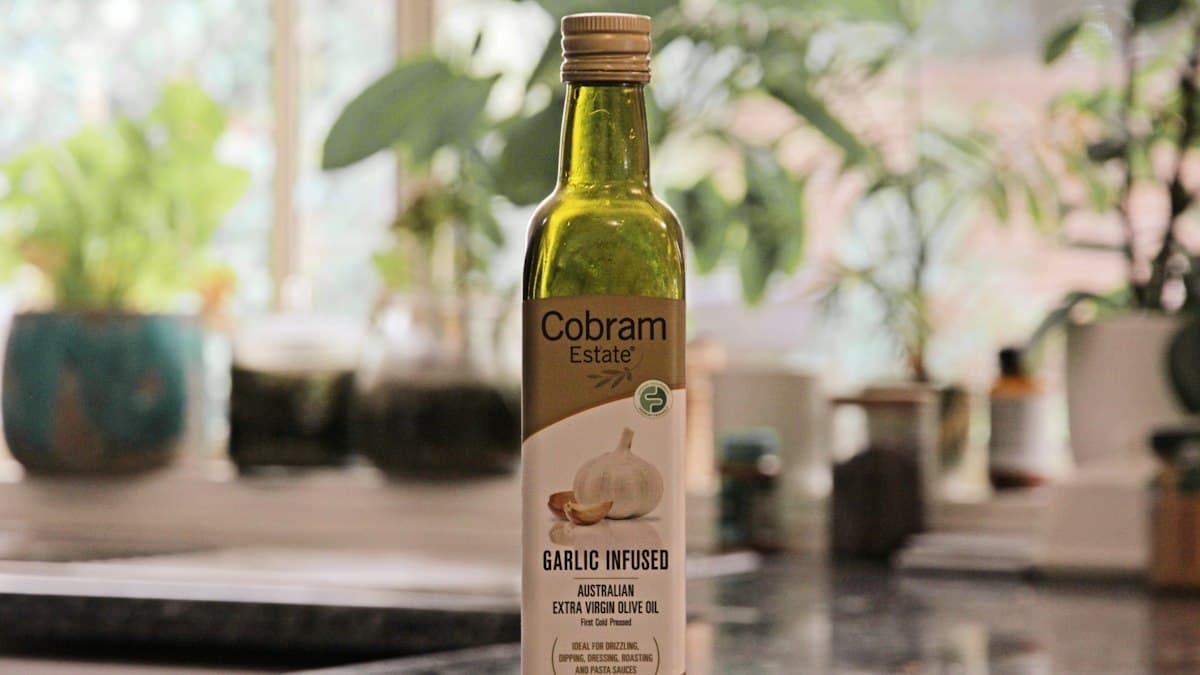
Pick up a bottle of olive oil and somewhere on the label you will find two or three numbers that look like dates. They might read '2024,' 'Best Before 2026.03,' or 'Harvest 2023/24' — formats that vary by country, producer, and grade. Some buyers approach olive oil the way they approach wine, hunting for a vintage year. Others glance only at the best-before date and move on. Neither habit is quite right. For olive oil, date information is the most direct evidence of freshness available to a shopper, and each of the three possible dates communicates something different. Reading all of them together is the surest way to avoid taking home oil that has already lost its character.
The First Number: Harvest Year
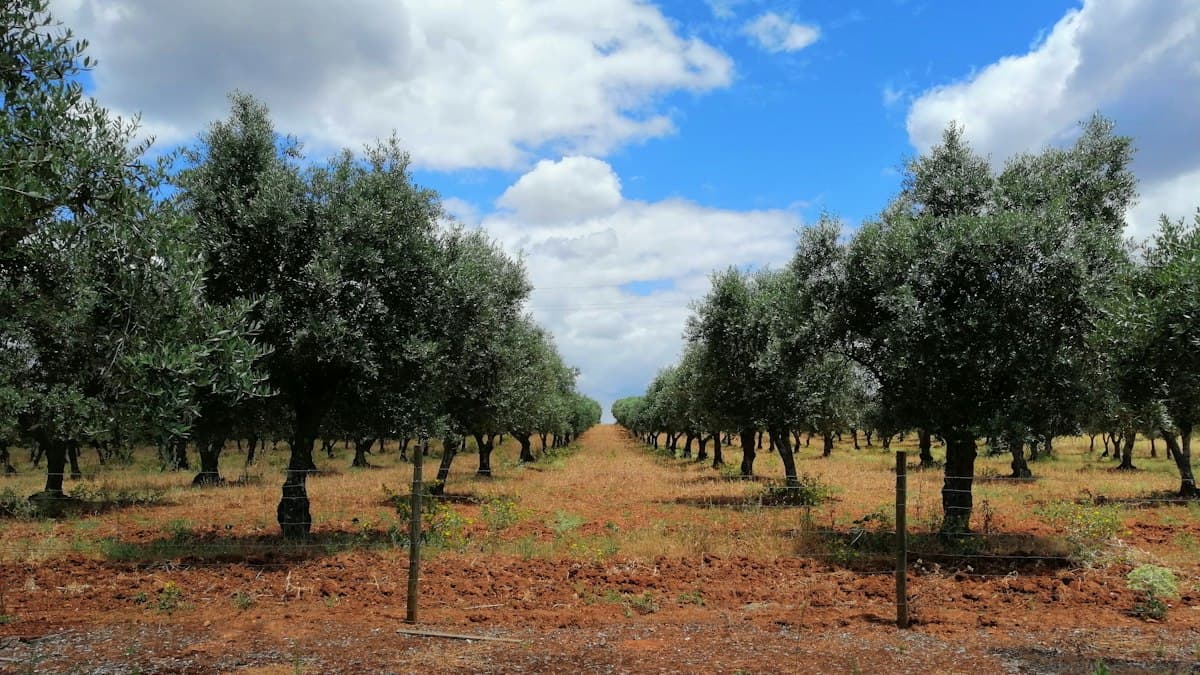
The harvest year is the season in which the olives were picked from the tree. Producers in the northern hemisphere — Spain, Italy, Greece — concentrate their harvest between late October and December, which is why a split notation such as '2023/24' is common. Southern-hemisphere producers in Chile, Australia, and Argentina harvest between April and June and usually record a single year.
The harvest year matters because olive oil is not a fermented or aged product. Wine can gain complexity over time; olive oil simply oxidizes. According to the International Olive Council (IOC), extra virgin olive oil is ideally consumed within 12 to 18 months of pressing. An oil whose harvest year is more than two seasons in the past may still sit within its best-before window while having shed a significant portion of its aroma and flavor.
Many labels omit the harvest year entirely. Large supermarket own-brand oils and budget blends often combine oils from multiple harvest seasons, making a single harvest-year declaration impossible. Single-origin oils and estate-produced oils, by contrast, tend to lead with this information. When no harvest year appears, the next step is to work backward from the best-before date.
The Second Number: Pressing Date
The pressing date — sometimes called the milling date — records exactly when the harvested fruit was crushed and processed into oil. It is a more granular data point than the harvest year, and quality-focused producers are increasingly publishing it on the back label or via a QR code link. Among small cooperatives in Andalusia, Spain, certification language highlighting pressing within 24 hours of harvest has become a recognized quality signal.
The pressing date matters because olives begin to degrade the moment they leave the tree. Enzymatic activity and oxidation both accelerate in harvested fruit. Researchers at the University of Córdoba have reported that olives pressed more than 24 hours after harvest tend to show a measurably higher free fatty acid content compared with fruit pressed immediately after picking. Higher free fatty acids translate directly into a higher acidity reading, making it harder to stay below the 0.8% acidity ceiling that defines extra virgin grade.
When a pressing date is not printed on the label, a producer's willingness to provide that information through their website or a QR code is itself a useful indicator of how seriously they approach traceability.
The Third Number: Best Before
The best-before date is the most visible of the three and the one most shoppers check first. Under EU regulations, extra virgin olive oil must carry a 'Best Before' statement — or its local equivalent, such as 'Termine minimo di conservazione' in Italian — and producers typically set this date 18 to 24 months from pressing.
The problem is that best-before alone is only half the picture. An oil with more than a year of shelf life remaining can still be well past its flavor peak if it was pressed from a 2021 harvest. Conversely, an oil with only four months left on its best-before date may still taste vivid if it comes from the most recent season. The best-before date answers the question 'Is this still acceptable to eat?' It does not answer 'Is this oil at its best right now?' For that, the harvest year and pressing date are essential context.
Reading All Three Dates Together: A Practical Framework
Combining all three numbers gives a far more accurate picture of where an oil sits on the freshness curve. As a working guide:
On harvest year: an oil harvested within the past 12 months is in prime condition; up to 18 months is generally acceptable for flavor; beyond that, expect noticeable loss of aroma and fresh-fruit character even if the oil is technically within grade.
On pressing date: when it is shown, look for a gap of 48 hours or less between harvest and pressing. Producers who display this figure openly are typically the ones whose process justifies scrutiny.
On best-before: choose an oil with at least six months remaining, but treat that figure as one input among three rather than the deciding factor on its own.
Labeling conventions vary by origin and are worth knowing. EU members Spain and Italy must print a best-before date; harvest-year disclosure is voluntary but growing in the premium segment. The United States has no federal requirement for a best-before date, so some California producers print only a pressing date. According to data from the Australian Olive Oil Association (AOOA), the proportion of premium Australian oils carrying both a harvest year and a pressing date has risen steadily since 2020.
Beyond the Dates: Storage Determines What Survives
Even an oil with a flawless date profile will oxidize quickly if it is stored carelessly. The primary enemies of olive oil are light, heat, and oxygen. Dark glass bottles and tin cans suppress oxidation more effectively than clear PET containers. After opening, keep the bottle away from direct sunlight, store it somewhere cool, and aim to finish it within six to eight weeks.
Learning to read the dates on a label is the first practical skill in choosing better olive oil. Build the habit of checking all three numbers against each other, and at the same price point you will consistently reach for oil that is fresher, more aromatic, and more rewarding to cook with.
Frequently asked questions
- What is the harvest year on an olive oil label?
- The harvest year is the calendar year (or season) in which the olives were picked from the tree. Northern-hemisphere producers such as Spain, Italy, and Greece harvest mainly between late October and December, so you often see a split notation like '2023/24.' Southern-hemisphere producers in Chile, Australia, and Argentina harvest between April and June and typically use a single year. Because olive oil oxidizes rather than improves with age, a harvest year that is more than 18 months in the past is a meaningful freshness warning, even if the best-before date has not yet been reached.
- What does the pressing date on olive oil mean?
- The pressing date (sometimes called the milling date) records exactly when harvested olives were crushed and processed into oil. It is more precise than the harvest year. Research from the University of Córdoba has reported that olives pressed more than 24 hours after harvest tend to show a measurably higher free fatty acid content than those pressed immediately, pushing acidity levels closer to — or beyond — the 0.8% ceiling that defines extra virgin grade. Producers who publish pressing dates, either on the label or via a QR code, are generally signaling a commitment to transparency.
- Is the best-before date enough to judge whether olive oil is still good?
- No. The best-before date is the minimum freshness guarantee, not a confirmation that the oil is still flavorful right now. Under EU regulations, extra virgin olive oil must carry a best-before indication, typically set 18 to 24 months from the pressing date. An oil with more than a year of shelf life remaining can still be well past its flavor peak if it was pressed from a harvest two or more years ago. Conversely, an oil with only four months left on its best-before date may taste vibrant if it comes from the most recent harvest season. Always cross-reference the best-before date with the harvest year.
- How do labeling practices differ by country?
- EU member states, including Spain and Italy, are required by regulation to print a best-before date on every bottle; a harvest year is not mandatory but is increasingly common on premium products. In the United States, federal rules do not require a best-before date at all, so some California producers list only a pressing date. According to data from the Australian Olive Oil Association (AOOA), the share of premium Australian oils that carry both a harvest year and a pressing date has grown steadily since 2020.
- What is the ideal way to combine all three dates when choosing olive oil?
- Read them together rather than relying on any one figure. As a practical guide: the harvest year should ideally be within 12 months of today, and no more than 18 months ago; if a pressing date is shown, look for a gap of 48 hours or less between harvest and pressing; and the best-before date should have at least six months remaining. An oil that passes all three checks is almost certainly at or near its flavor peak. One that passes only the best-before check but fails the harvest-year test may be safe to eat but unlikely to deliver the aroma and taste of a genuinely fresh extra virgin olive oil.
Related reading
- No Harvest Year on the Label? Here's How to Read the Bottle Anyway
Finding freshness information on an olive oil label is harder than it looks. A guide to the dates, codes, and quiet signals that reveal what the bottle doesn't say outright.
- Closer to the Source: A Practical Guide to Buying Olive Oil Direct from Producers
From farm-direct shipping and micro-importers to group buys, there are more ways than ever to reach a producer before a supermarket shelf does. This guide walks through each route, what to verify before you buy, and how to set realistic expectations on price and freshness.
- Reading Polyphenol Numbers on an Olive Oil Label: A Step-by-Step Comparison Guide
The mg/kg polyphenol figure printed on an extra virgin olive oil bottle is one of the most useful quality signals a label can carry — but only if you know how to read it. This guide walks through what the number means, how measurement method affects it, and what else to check alongside it.
- The Countdown Starts When You Break the Seal: An Olive Oil Oxidation Timeline
The moment you open a bottle of extra virgin olive oil, oxygen, light, and heat begin working against it. This guide maps freshness changes at one week, one month, and three months after opening — and lays out the storage habits that slow the decline.
- Organic Certification, Carbon Footprint, Water Use: A Practical Guide to Olive Oil Sustainability Labels
Behind every bottle of olive oil sit three measurable sustainability indicators — organic certification standards, carbon footprint figures, and water consumption data. Knowing how to read them turns a label logo from a marketing symbol into a genuine purchasing signal.
- Mapping the Global Olive Oil Trade: Exporters, Importers, and the Re-Export Layer in Between
Oil pressed in Spain reaches American supermarket shelves in bottles labeled Italy — a journey that reveals the layered re-export structure sitting between producer nations and end consumers. This guide traces that flow using IOC trade data.
Tags
- label reading
- freshness
- harvest year
- best before
- extra virgin olive oil