Craft
PDO vs. PGI: How to Read EU Certification on an Olive Oil Label
The EU's geographical indication system assigns olive oils either a PDO or PGI mark — but the two certifications carry different obligations and mean different things on the shelf. Here is what each one guarantees, how producers earn it, and what to look for before you buy.
Translated from the Korean edition, originally published August 19, 2026 · read the original
Two Letters on the Label: PDO and PGI
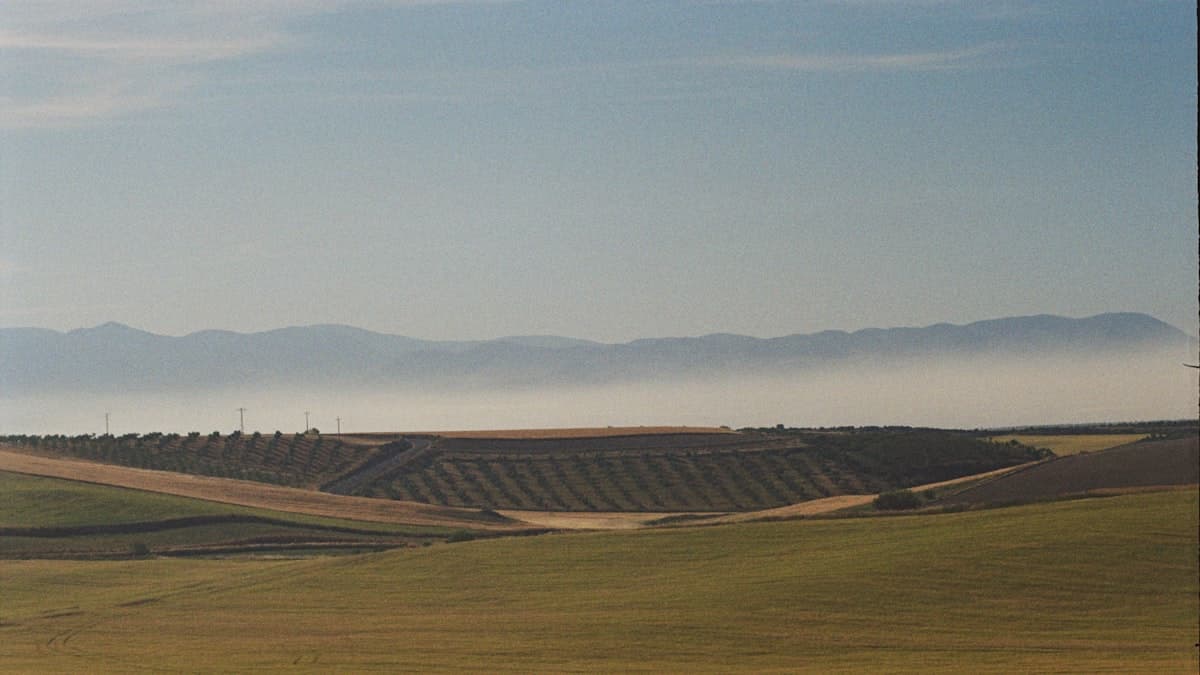
If you have ever noticed a red logo or a blue-and-yellow logo on an olive oil bottle — each printed with the letters 'PDO' or 'PGI' — it is worth knowing that neither is a simple marketing badge. Both are part of the European Union's Geographical Indication system, a framework established by EU law to officially certify the origin and production method of food and agricultural products. For a consumer, the mark is a declaration that the EU has verified where the oil in that bottle came from and how it was made.
According to European Commission data, more than 160 olive oil PDO and PGI designations were registered within the EU as of 2024, with Italy, Spain, Greece, and Portugal accounting for the large majority. The same source confirms that certified olive oils form the second-largest category — after wine — within the EU's geographical indication market for food and agricultural products.
PDO: Land and Oil Must Match Completely
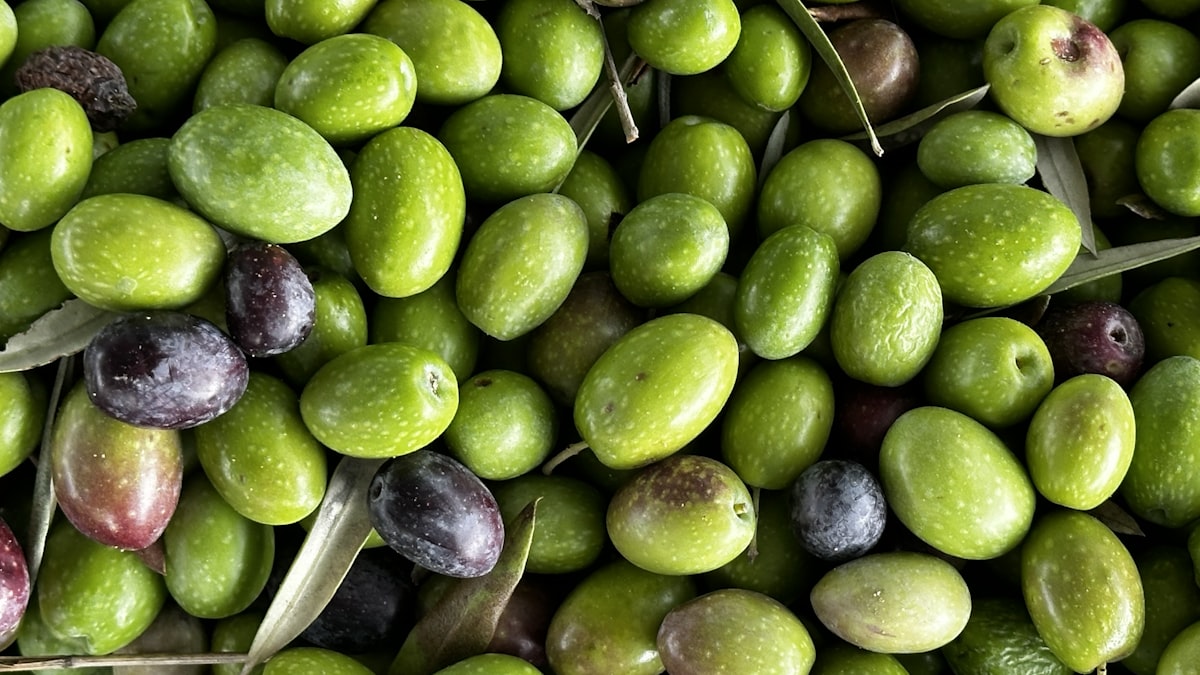
PDO — Protected Designation of Origin — is the stricter of the two certifications. Every stage of production, from growing the olives to pressing and bottling the oil, must take place within the designated geographical zone. Italy's Chianti Classico olive oil and Greece's Sitia olive oil from Crete are well-known examples.
To obtain PDO status, a producer must submit a detailed Product Specification to the EU. This document covers the traditional varieties grown in the region, harvesting methods, pressing temperatures, and maximum acidity limits, among other criteria. The producer must also pass regular audits conducted by an independent certification body. Under EU Regulation 1151/2012, a PDO product may not contain a single drop of raw material sourced outside the area defined in its specification. In effect, the regulation legally protects what might be called the terroir of an olive oil — the interplay of climate, soil, variety, and human practice that gives a product its distinctive character.
PGI: The Link to a Region Is One Step Looser
PGI — Protected Geographical Indication — requires only that at least one stage of the production process is connected to the designated area. The olives might be grown in a specific region while pressing takes place in a neighbouring one, or conversely, pressing and bottling alone might occur within the defined zone. Because the geographic tie is less rigid than under PDO, PGI designations tend to cover larger production volumes and a wider range of price points.
PGI is frequently misread as a lower-quality grade, but that interpretation is not accurate. The certification recognises that a region's reputation or particular characteristics contribute to the quality of the product. Research reports from the Spanish olive oil industry have noted that some PGI olive oils from Andalusia in southern Spain are fully comparable to PDO products in terms of polyphenol content and acidity.
How Producers Earn the Certification
Obtaining PDO or PGI status for the first time generally takes several years. A producer first submits an application to the relevant national authority, which conducts a domestic public consultation before forwarding the dossier to the European Commission. At EU level, a three-month objection period follows, during which other member states or interested parties may raise challenges. If no valid objections are filed, the designation is entered in the EU register and published in the Official Journal. After registration, producers must pass an annual audit by a recognised certification body to maintain the right to use the mark.
Once certified, displaying the EU's red (PDO) or blue-and-yellow (PGI) logo on the packaging is mandatory, and the unique registration number must appear alongside it. Consumers can look up the full certification details for any registered product by searching that number in the European Commission's DOOR (Database of Origin and Registration).

Three Things to Check on the Label
First, look at the logo colour. A red background with white lettering is PDO; a blue-and-yellow combination is PGI. The European Commission has standardised the design of both logos, making them difficult to counterfeit — they are authorised only when printed directly on the packaging.
Second, check that a specific certified region name appears in the product name. PDO and PGI olive oils are required to include the name of the certified area in their designation. A bottle labelled simply as 'Spanish olive oil' or 'Italian olive oil' — using only a broad national name — does not fall under PDO or PGI.
Third, look for the 'Extra Virgin' designation. The great majority of EU olive oil PDO and PGI specifications are built around extra virgin grade as a baseline. Many go considerably further: according to IOC data, a significant number of registered PDO olive oils set their own acidity ceilings at between 0.3% and 0.5%, well below the standard extra virgin limit of 0.8%.
No Certification Does Not Mean Lower Quality
PDO and PGI marks guarantee the authenticity of an oil's origin and production method, but not every exceptional olive oil in the world carries one. Some small-scale producers choose not to apply because of the administrative costs and audit obligations involved. Some emerging regions are still working through the registration process. There are excellent oils on the market that carry no geographical indication at all.
The reverse caution applies equally: relying on a certification mark alone as a measure of quality has its limits. Audits verify documentary compliance and adherence to production standards; they do not measure the polyphenol content or freshness of each individual bottle. PDO and PGI are therefore best understood as a powerful tool for confirming provenance, while a full quality assessment calls for additional information — harvest year, milling date, and storage conditions among them.
Reading a label is ultimately an exercise in understanding the relationship between producer and consumer. PDO and PGI certification is the institutional language the EU has established to formalise that relationship.
Frequently asked questions
- What is the difference between PDO and PGI on an olive oil bottle?
- PDO (Protected Designation of Origin) requires that every step — growing, pressing, and bottling — takes place within the defined geographical area. PGI (Protected Geographical Indication) requires only that at least one stage of production is linked to that area. PDO is therefore the stricter of the two, but PGI is not a lower-quality grade — it recognises that a region's reputation or characteristics contribute meaningfully to the product.
- How do I spot a PDO or PGI mark on a label?
- The EU has standardised the logo designs. A red background with white lettering indicates PDO; a blue-and-yellow combination indicates PGI. Both logos must be printed directly on the packaging and are accompanied by a unique registration number.
- How long does it take a producer to get PDO or PGI certification?
- The process typically takes several years. A producer submits an application to the relevant national authority, which runs a domestic public consultation before forwarding it to the European Commission. The Commission then opens a three-month objection period for other member states and stakeholders. If no valid objections are raised, the name is entered in the EU register. After registration, producers must pass annual audits to keep the certification active.
- Does PDO or PGI certification guarantee a specific quality level?
- Certification verifies origin and compliance with a defined production specification — it does not measure polyphenol content or freshness bottle by bottle. Many PDO product specifications set their own acidity limits stricter than the standard extra virgin threshold; according to IOC data, a significant number of registered PDO olive oils set acidity ceilings between 0.3% and 0.5%. Even so, the mark is best understood as a strong indicator of provenance rather than a direct measure of every quality attribute.
- Is an olive oil without PDO or PGI lower quality?
- Not necessarily. Many excellent olive oils carry no geographical indication at all. Small-scale producers sometimes forego certification because of administrative costs and audit requirements. Emerging regions may still be working through the registration process. A PDO or PGI mark is a reliable guide to where and how an oil was made, but it should be read alongside other label information such as the harvest year, milling date, and storage conditions.
Related reading
- Reading Polyphenol Numbers on an Olive Oil Label: A Step-by-Step Comparison Guide
The mg/kg polyphenol figure printed on an extra virgin olive oil bottle is one of the most useful quality signals a label can carry — but only if you know how to read it. This guide walks through what the number means, how measurement method affects it, and what else to check alongside it.
- Closer to the Source: A Practical Guide to Buying Olive Oil Direct from Producers
From farm-direct shipping and micro-importers to group buys, there are more ways than ever to reach a producer before a supermarket shelf does. This guide walks through each route, what to verify before you buy, and how to set realistic expectations on price and freshness.
- Organic Certification, Carbon Footprint, Water Use: A Practical Guide to Olive Oil Sustainability Labels
Behind every bottle of olive oil sit three measurable sustainability indicators — organic certification standards, carbon footprint figures, and water consumption data. Knowing how to read them turns a label logo from a marketing symbol into a genuine purchasing signal.
- Mapping the Global Olive Oil Trade: Exporters, Importers, and the Re-Export Layer in Between
Oil pressed in Spain reaches American supermarket shelves in bottles labeled Italy — a journey that reveals the layered re-export structure sitting between producer nations and end consumers. This guide traces that flow using IOC trade data.
- Cold Press, First Press, Centrifuge: Decoding the Extraction Claims on Olive Oil Labels
Three terms appear on nearly every bottle of quality olive oil, yet few buyers know which ones carry legal weight and which are historical relics. This guide unpacks what cold press, first press, and centrifuge extraction actually mean — and where EU regulation draws the line.
- Extra Virgin vs. Pure Olive Oil: A Shelf-Side Buying Guide
Two bottles, side by side, same country of origin — yet the price gap can be substantial. Here is what the IOC grade standards, label rules, and food-science research say about choosing between extra virgin and pure olive oil.
Tags
- pdo
- pgi
- eu certification
- extra virgin olive oil
- label reading
- geographical indication