Craft
Importing Olive Oil Personally: Customs, Duties, and Food Safety Rules Explained
Buying olive oil direct from small European producers is increasingly popular, but food imports come with requirements that general merchandise does not. This guide covers duty thresholds, customs procedures, labeling rules, and the most common reasons a shipment gets turned away.
Translated from the Korean edition, originally published August 30, 2026 · read the original

Why Interest in Directly Importing Olive Oil Is Growing
As consumer interest in premium olive oil has grown, so has demand for small-producer bottles from Spain, Italy, and Greece that are not always available through official retail channels. According to trade statistics published by the Korea Customs Service, the declared import value of edible olive oil rose by approximately 18% in 2023 compared with the previous year. Alongside that formal import trade, personal purchases routed through platforms such as Amazon, direct farm websites, and European specialty food retailers have been climbing steadily as well. Food, however, is not treated the same as general merchandise at the border. Knowing in advance which requirements apply — and which circumstances can cause a shipment to be refused — saves both time and money.
Duty-Free Thresholds and the Tariff Rate That Applies Above Them
Goods purchased abroad and shipped directly to a personal address are covered by a small-value personal-use exemption administered by the Korea Customs Service. Under current guidelines, shipments originating in the United States with a declared product value at or below USD 200 clear through a simplified list-clearance process free of customs duty and VAT. For goods shipped from European Union countries, the equivalent threshold is EUR 150. It is worth noting that both figures refer to the product price alone, excluding freight and insurance; a high shipping charge does not raise the exemption ceiling.
Once a shipment exceeds those limits, olive oil is classified under HS Codes 1509.10 (extra virgin and virgin grades) and 1509.90 (other grades), and a standard customs duty rate of 8% applies to the taxable value. A 10% VAT is then levied on top of that figure. Anyone considering a multi-bottle order should calculate the full invoice total against the relevant threshold before ordering.
Why Food Imports Involve More Than Just Paying Duty
Because olive oil is a food, clearing customs duty does not by itself complete the import process. Under South Korea's Special Act on Import Food Safety Management, overseen by the Ministry of Food and Drug Safety (MFDS), an import declaration must be filed along with supporting documents. Even goods imported for personal use become subject to formal declaration once the duty-free threshold is exceeded. At that stage, the following documents may be required.
First, a sanitary certificate or certificate of origin issued by a recognised authority in the exporting country. Second, product composition and specification data consistent with what appears on the label. Third, a commercial invoice and packing list.
Small-value personal imports handled through simplified list-clearance are generally exempt from these requirements, but the moment a shipment becomes subject to formal declaration, the full documentation framework applies. Article 20 of the Special Act on Import Food Safety Management states that imported food must be declared to the MFDS and pass inspection before it may be distributed or sold. Small quantities for personal use may qualify for inspection exemption, but customs authorities retain the right to order an inspection if labeling or composition appears non-compliant.
Labeling Standards and What the Label Must Show
Goods that enter through formal import declaration must satisfy the labeling requirements set out under South Korea's Act on Labeling and Advertising of Foods. For goods imported strictly for personal use, the obligation to attach a Korean-language label is waived. However, a large quantity — or any sign that the goods may be intended for onward distribution — can bring a personal import into inspection scope. Products sold through official Korean retail channels are required to display in Korean: the product name, food category, ingredients, net contents, expiry date, storage instructions, importer details, and country of origin. Passing imported bottles to acquaintances or listing them on resale platforms can constitute unlicensed distribution of an unregistered imported food, which carries legal risk.
Grade labeling is a specific checkpoint worth attention for olive oil. According to International Olive Council (IOC) standards, a product may be labeled extra virgin only if its free acidity does not exceed 0.8%. Multiple consumer-organization investigations have reported that some bottles carrying the label "Extra Virgin" in international markets do not meet that specification in practice. Checking published acidity figures and polyphenol levels — and choosing producers who make that data available — is a practical way to reduce the risk of a mislabeled product.
Common Reasons Shipments Are Refused — and How to Prevent Them
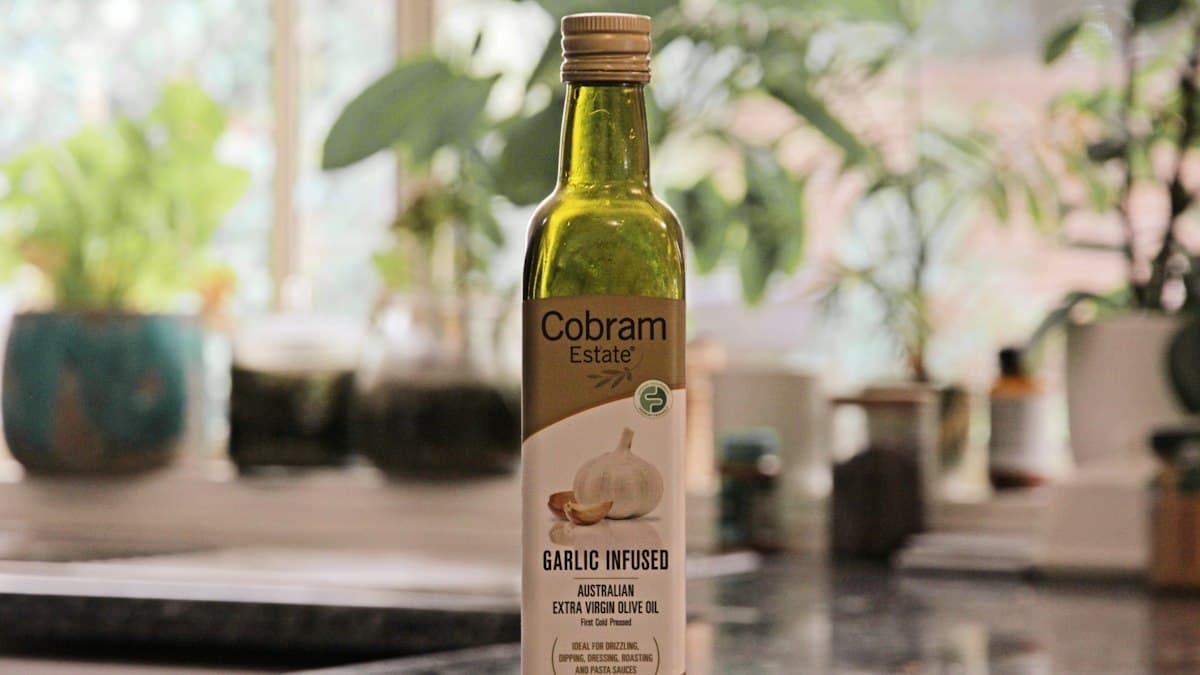
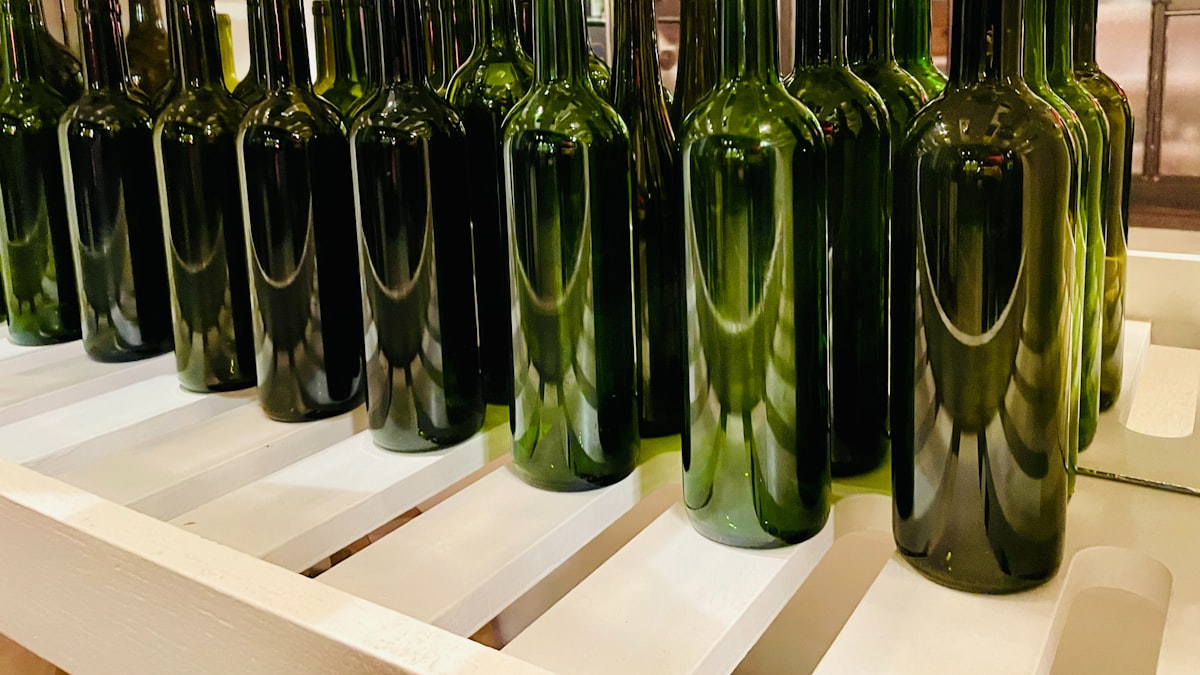
Refusals and return shipments in personal olive oil imports tend to fall into three categories. The first is an absent or non-conforming expiry date. Korean regulations call for dates in a specific format, and some European labels present the day and month in a different sequence that does not satisfy that requirement. The second is damaged packaging or leakage. Glass bottles are vulnerable during long-haul air or sea freight, and a product with any leakage will typically fail sanitary inspection. The third is infused or blended products. Olive oils that include added herbs, spices, or other botanicals may require additional ingredient-by-ingredient review depending on the added components.
Prevention starts before ordering. Ask the seller to confirm the expiry-date format and the condition of packaging materials. Request double bubble-wrap or equivalent protective packing for glass bottles, even if there is an additional cost. Consider placing a small trial order first, confirming it clears customs without incident, and then deciding whether to order in larger quantities. For infused oils, obtain a full ingredient list and check each component against MFDS import-permitted substances before committing to a purchase.
A Pre-Purchase Checklist
Working through the following points in order before placing a direct import order can prevent most avoidable problems.
Confirm that the total product value — for all bottles in a single shipment — falls at or below the applicable duty-free threshold (USD 200 for US-origin shipments; EUR 150 for EU-origin shipments). If the threshold will be exceeded, calculate the realistic landed cost including the 8% duty and 10% VAT, and compare that with locally available alternatives before ordering. Ask the seller whether a certificate of origin or sanitary certificate is available, and whether they can provide it if requested at customs. Request label photographs before purchasing and check that the expiry date, ingredient list, and grade declaration are legible and consistent with applicable standards. For glass-bottle shipments, confirm that the seller uses protective inner packaging, or pay for upgraded packing if the default option is insufficient. For any infused or blended olive oil, obtain a complete list of added ingredients and verify MFDS import eligibility for each one. Following this checklist methodically keeps the failure rate low and makes the experience of sourcing from small producers genuinely worthwhile.
Frequently asked questions
- How much olive oil can I import duty-free when ordering online?
- Under South Korean customs authority (관세청) guidelines, goods shipped from the United States are exempt from customs duty and VAT when the product value is at or below USD 200; goods shipped from EU countries qualify when the product value is at or below EUR 150. These thresholds apply to the declared product price before shipping and insurance costs, so a large freight charge does not raise the threshold.
- What is the customs duty rate on olive oil that exceeds the duty-free limit?
- Edible olive oil falls under HS Codes 1509.10 and 1509.90, which carry a standard tariff rate of 8%. A 10% VAT is applied on top of the taxable value, so the combined tax burden is meaningful on higher-priced bottles. When ordering multiple bottles, it pays to calculate total value against the threshold before placing the order.
- Do I need special documents to import olive oil for personal use?
- Small-value shipments that clear as simplified list-clearance (목록통관) require minimal paperwork. However, once the declared value exceeds the duty-free threshold, the shipment is subject to formal import declaration under South Korea's Special Act on Import Food Safety Management. Documents that may be required include a sanitary or certificate of origin issued by an authorised body in the exporting country, a label and ingredient specification sheet, and a commercial invoice with packing list.
- What are the most common reasons an olive oil shipment gets refused at customs?
- Three situations come up most often. First, missing or non-conforming expiry-date format — Korean regulations require a specific date format, and some European labels present day and month in a different order. Second, damaged packaging or leakage — glass bottles are vulnerable during long air or sea transit, and any product with leaked contents can fail sanitary inspection. Third, infused or blended products — olive oils mixed with herbs or spices may require additional ingredient review depending on what has been added.
- Is it legal to share or resell olive oil I imported personally?
- Goods imported under the personal-use exemption are intended for the importer's own consumption. Distributing them to others or selling them through any channel — including second-hand marketplaces — can be treated as unlicensed distribution of an unregistered imported food product under Korean food safety law. The safest course is to keep personally imported quantities at a level that is clearly consistent with personal use.
Related reading
- Six Olive Oil Off-Flavors — and How to Tell Them Apart at Home
From musty and winey-vinegary to metallic and rancid, off-flavors are the clearest signal that an extra virgin olive oil has fallen short of grade. This practical guide explains what causes each defect and how to detect them without professional panel training.
- Sediment in Your Olive Oil Bottle: Three Causes, Three Very Different Meanings
The deposit settling at the bottom of an olive oil bottle could be natural wax crystals, a polyphenol-rich particle cluster, or—less welcome—residual moisture. An editor's guide to telling them apart and storing your oil accordingly.
- Single Farm vs. Cooperative: How Production Structure Shapes Olive Oil Quality
The bottle on the shelf doesn't reveal how many decision-makers stood between the olive tree and the cap. A close look at single-estate and cooperative production models explains why two bottles labeled extra virgin can taste — and test — so differently.
- Reading Polyphenol Numbers on an Olive Oil Label: A Step-by-Step Comparison Guide
The mg/kg polyphenol figure printed on an extra virgin olive oil bottle is one of the most useful quality signals a label can carry — but only if you know how to read it. This guide walks through what the number means, how measurement method affects it, and what else to check alongside it.
- Cold, Room Temperature, Hot: How Olive Oil Changes at Every Stage
Olive oil solidifies in the refrigerator and thins dramatically on a hot stove. Understanding the science behind these viscosity shifts opens up a more deliberate approach to cooking with EVOO at every temperature.
- Closer to the Source: A Practical Guide to Buying Olive Oil Direct from Producers
From farm-direct shipping and micro-importers to group buys, there are more ways than ever to reach a producer before a supermarket shelf does. This guide walks through each route, what to verify before you buy, and how to set realistic expectations on price and freshness.
Tags
- direct import
- customs
- olive oil buying guide
- food regulations
- extra virgin