Craft
Single Farm vs. Cooperative: How Production Structure Shapes Olive Oil Quality
The bottle on the shelf doesn't reveal how many decision-makers stood between the olive tree and the cap. A close look at single-estate and cooperative production models explains why two bottles labeled extra virgin can taste — and test — so differently.
Translated from the Korean edition, originally published August 4, 2026 · read the original
The Decision Hidden Inside Every Bottle
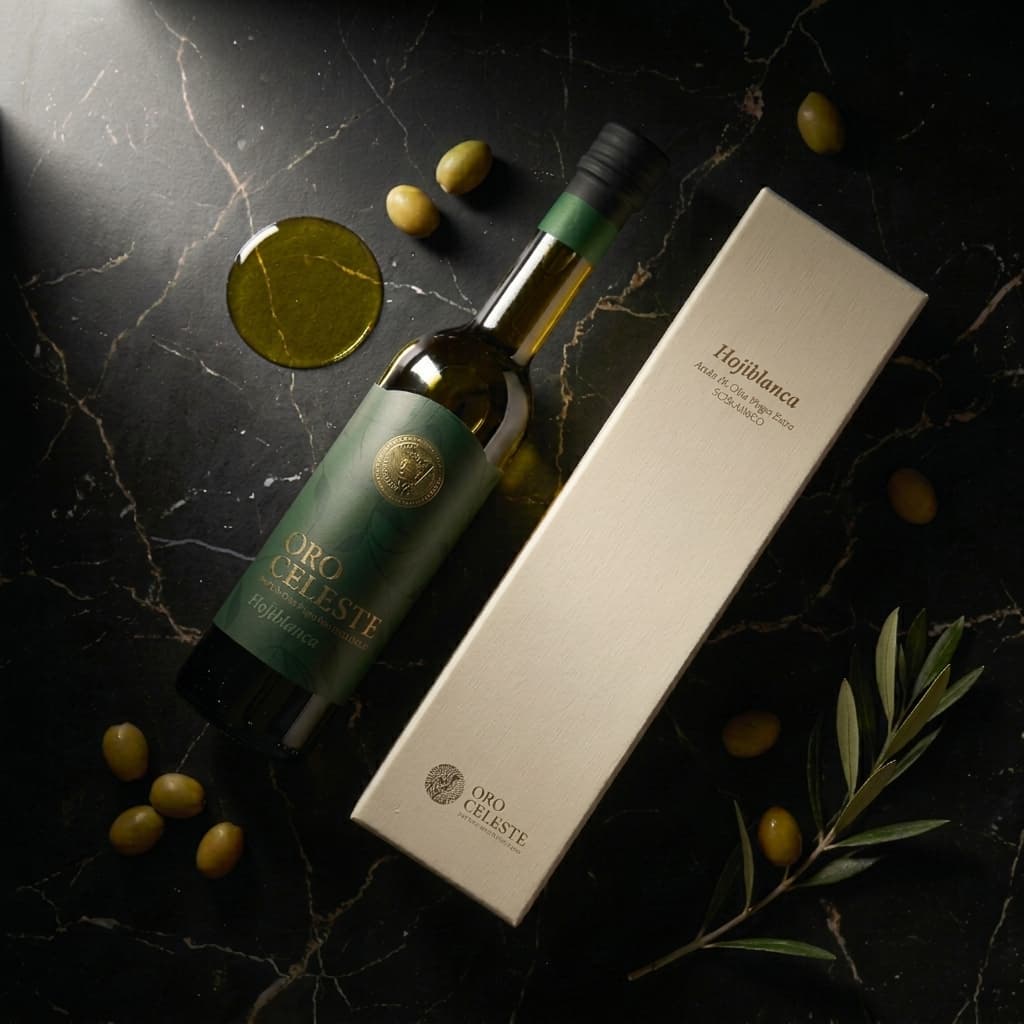
Two bottles sit side by side on a supermarket shelf. Similar price, similar color. Turn them over, and the labels tell entirely different stories. One reads 'Single Estate'; the other lists only a broad region of origin, its contents drawn from many different farms. That distinction is not a marketing flourish — it reflects the entire decision-making architecture that moved olives from tree to bottle.
The olive oil industry organizes itself around two broad production models: the single-estate (or single-origin) model, and the cooperative model. Understanding the structural differences between them goes a long way toward explaining why two bottles carrying the same 'extra virgin' designation can vary so widely in flavor and polyphenol content.
The Cooperative Model — Economies of Scale and Their Trade-Offs
The cooperative system has deep roots across the Mediterranean's main olive-growing regions — Spain, Italy, and Greece. Dozens to hundreds of individual farms deliver their harvested olives to a shared mill; the cooperative then blends, presses, and sells the combined oil. According to International Olive Council (IOC) data, more than approximately 70% of Spain's total olive oil output moves through the cooperative system.
The cooperative's greatest strength is scale. Shared milling equipment and storage tanks reduce the capital burden that would otherwise fall on each individual grower, and collective bargaining power makes it easier to compete on retail price.
The structural weaknesses, however, are just as real. First, traceability is diluted. Once olives from dozens of farms are combined in a single tank, it becomes practically impossible to verify the harvest condition or variety composition of any one orchard after the fact. Second, harvest timing becomes harder to control. Because cooperatives must coordinate delivery schedules across many growers, some farms inevitably miss the narrow optimal window just before full ripeness. According to a report by the European Commission's Directorate-General for Agriculture, research has found that delaying harvest by one to two weeks can reduce an olive's polyphenol content by as much as 30–40%.
The Single-Estate Model — Concentrated Control and Consistency
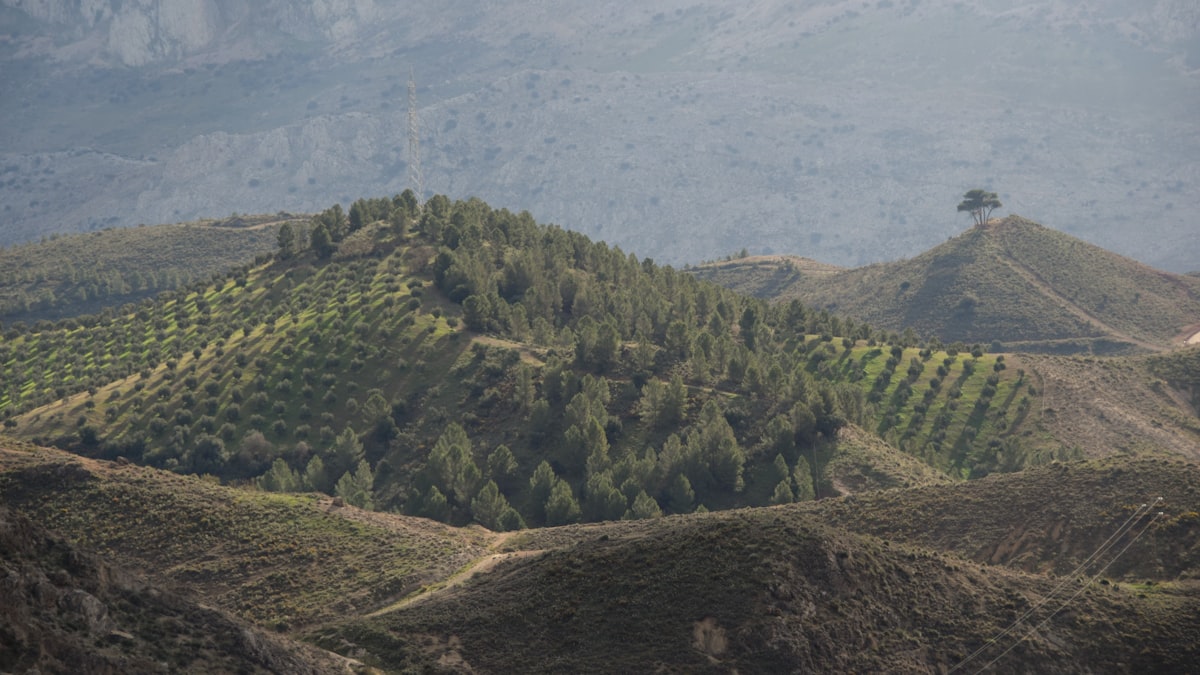
In the single-estate model, one owner or operating entity controls the full chain: cultivation, harvest, milling, and bottling. That is the approach ORO CELESTE has adopted at its Andalusian estate, where the Ojiblanca, Sibarita, and Picual cultivars are each managed separately and decisions about harvest timing and milling temperature are made at the farm level in real time.
The core advantage of that structure is what might be called a unified decision chain. On any given harvest day, operators can check temperature, humidity, and olive maturity and adjust milling accordingly, then carry through to bottling within 24 hours. Because polyphenol oxidation begins the moment an olive is separated from the tree, shrinking the gap between harvest and mill directly preserves quality. Researchers at the University of Florence reported that the difference in oxidation markers — acidity and peroxide value — between oil milled within six hours of harvest and oil milled after 24 or more hours is statistically significant.
ORO CELESTE's Picual maintains acidity of 0.20% and polyphenols of 800+ mg/kg; Ojiblanca reaches 0.16% acidity and 600+ mg/kg polyphenols; Sibarita achieves 0.14% acidity and 500+ mg/kg polyphenols. These figures shift modestly with each harvest year and its conditions, but the origin and handling history behind every batch are documented and traceable — a transparency that is structurally difficult to replicate in the cooperative model.
Blending Philosophy — Why Mixing Cultivars Means Different Things
The two models also approach blending from opposite directions. Cooperative blending is often driven by yield averaging: if one farm's olives are substandard in a given year, folding them into the larger batch dilutes the defect in a way that single-batch bottling would not. Single-estate blending, by contrast, is closer to intentional flavor design — using the distinct characteristics of cultivars grown on the same property to balance acidity, aroma, and texture.
For example, pairing Ojiblanca's bright, fruity aromatics with Picual's assertive bitterness and peppery finish produces layers of complexity that neither cultivar achieves alone. That kind of precision is only possible when the same entity oversees every stage from cultivation through milling.
What to Check When Reading a Label
Several label cues help identify a bottle's production structure. Terms such as 'Single Estate', 'Finca', or 'Single Origin', accompanied by a specific named location below the regional level — a village or estate name rather than simply 'Andalusia' or 'Spain' — suggest a single-estate origin. A broad regional or national designation with no farm name is more consistent with a cooperative blend.
Polyphenol content and acidity figures printed on the label are another useful signal. Publishing that data requires batch-level analytical testing, which is far more straightforward to perform and communicate from a single estate than from a cooperative handling fruit from hundreds of separate farms. The IOC's extra virgin grade threshold is set at acidity below 0.8% and a peroxide value below 20 meq O₂/kg; meeting that standard is required, but disclosing precise figures beyond it remains a producer's choice.
It is too early to conclude that one model is categorically superior to the other. A cooperative with rigorous internal standards and tight delivery windows can produce excellent extra virgin olive oil. What is clear is that for a consumer who wants to know where the olives in their bottle came from and how they were handled, the single-estate model provides a more direct and verifiable answer.
Frequently asked questions
- What is the difference between single-estate and cooperative olive oil?
- In a single-estate model, one owner or operator controls the entire chain — growing, harvesting, milling, and bottling — on a single property. A cooperative pools olives from dozens or hundreds of separate farms into a shared mill, then blends and sells the combined oil. The key practical difference is traceability: in a single-estate bottle, every decision from harvest timing to milling temperature can be attributed to one operation, whereas in a cooperative blend those variables vary across all contributing farms.
- Does cooperative olive oil mean lower quality?
- Not automatically. Cooperatives with rigorous internal quality standards can produce excellent extra virgin olive oil. The structural challenge is that blending olives from many farms with different harvest dates and handling practices makes consistent quality harder to guarantee and harder to verify after the fact. A cooperative that enforces strict delivery windows and rapid milling can narrow that gap considerably.
- How does harvest timing affect polyphenol levels?
- According to a report by the European Commission's Directorate-General for Agriculture, delaying harvest by one to two weeks has been associated with a reduction in olive polyphenol content of up to 30–40%. Because cooperatives must coordinate delivery schedules across many farms, some growers inevitably miss the optimal harvest window, whereas a single-estate operation can act on the same day conditions are right.
- How quickly should olives be milled after harvest?
- Polyphenol oxidation begins as soon as the olive is separated from the tree, so the shorter the gap between harvest and milling, the better the oil's chemistry is preserved. Researchers at the University of Florence reported that the difference in oxidation markers — acidity and peroxide value — between oil milled within six hours of harvest and oil milled after 24 or more hours is statistically significant.
- How can I tell from a label whether an olive oil comes from a single estate or a cooperative?
- Look for terms such as 'Single Estate', 'Finca', or 'Single Origin' paired with a specific named location smaller than a broad regional designation. If the label says only 'Product of Andalusia' or 'Product of Spain' without a farm name, it is more likely a cooperative blend. Transparency about polyphenol content and acidity on the label is another useful signal: publishing batch-level analytical data is far easier for a single estate than for a large cooperative handling fruit from hundreds of farms.
Related reading
- Every Bottle, Its Own QR Code: Inside ORO CELESTE's Batch Traceability System
ORO CELESTE attaches a unique QR code to each production batch, linking directly to that batch's certificate of analysis. This guide explains why acidity and polyphenol figures shift from batch to batch — and what genuine transparency on the label is actually worth to a buyer.
- Hand-Picked, Raked, or Shaken: How the Harvest Method Shapes Your Olive Oil
From hand picking to mechanical shakers, the moment olives leave the tree sets the ceiling for acidity, polyphenols, and flavor. A method-by-method comparison for anyone who wants to buy smarter.
- Reading Polyphenol Numbers on an Olive Oil Label: A Step-by-Step Comparison Guide
The mg/kg polyphenol figure printed on an extra virgin olive oil bottle is one of the most useful quality signals a label can carry — but only if you know how to read it. This guide walks through what the number means, how measurement method affects it, and what else to check alongside it.
- Closer to the Source: A Practical Guide to Buying Olive Oil Direct from Producers
From farm-direct shipping and micro-importers to group buys, there are more ways than ever to reach a producer before a supermarket shelf does. This guide walks through each route, what to verify before you buy, and how to set realistic expectations on price and freshness.
- Picual, Arbequina, Coratina, Moraiolo: A Cultivar Guide to Olive Oil Flavor
Flavor in extra virgin olive oil begins with the olive itself. This guide breaks down the origins, sensory profiles, polyphenol levels, and best uses of four cultivars that dominate the premium EVOO market.
- Sediment in Your Olive Oil Bottle: Three Causes, Three Very Different Meanings
The deposit settling at the bottom of an olive oil bottle could be natural wax crystals, a polyphenol-rich particle cluster, or—less welcome—residual moisture. An editor's guide to telling them apart and storing your oil accordingly.
Tags
- single estate
- cooperative
- production
- extra virgin
- traceability
- polyphenols