Craft
Your Olive Oil Solidified in the Fridge — Here's Why That's Fine
When olive oil turns cloudy and waxy in the refrigerator, it is not spoiling — it is responding to temperature exactly as its fatty acid composition predicts. An OLEA editor breaks down the science of solidification and the storage conditions that actually protect quality.
Translated from the Korean edition, originally published August 6, 2026 · read the original
Cloudy and Solid — Is Something Wrong with the Oil?
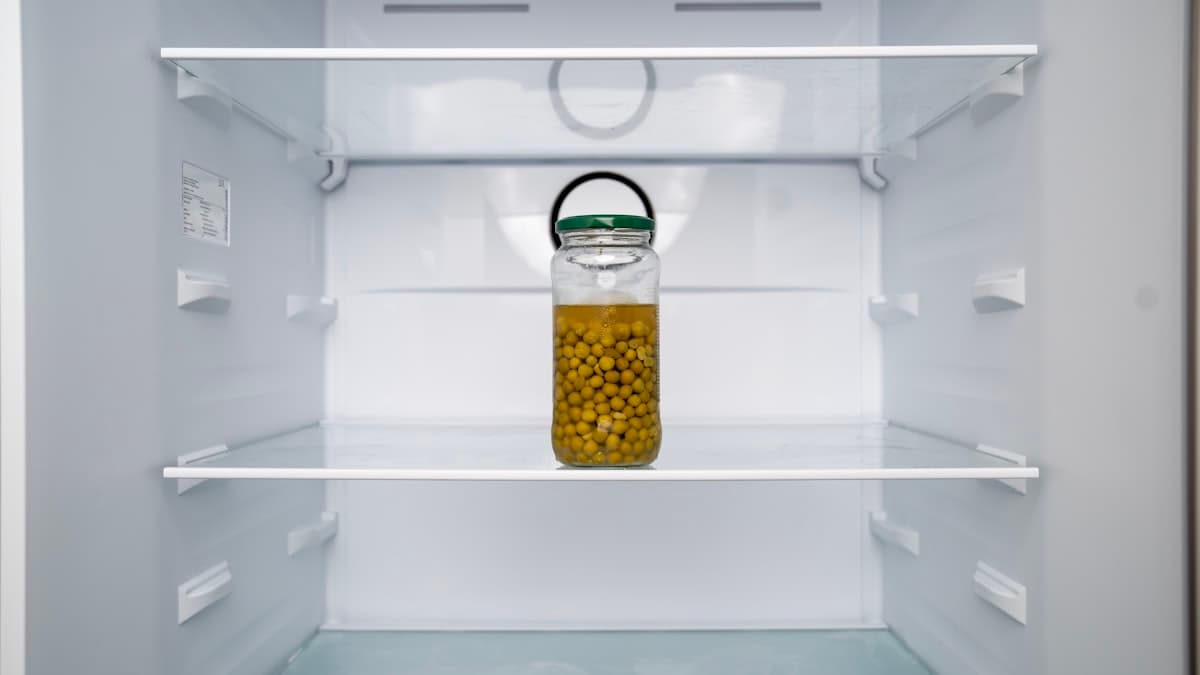
Pull a bottle of olive oil from a cold cupboard or the refrigerator in winter and you may find the contents turned a pale, buttery white, as firm as soft wax. For anyone encountering it for the first time, the instinct is to wonder whether the oil has spoiled. It has not.
The explanation lies in fatty acid composition. The dominant component of olive oil is oleic acid, a monounsaturated fatty acid. According to International Olive Council (IOC) data, oleic acid accounts for roughly 55–83% of extra virgin olive oil (EVOO). Oleic acid has a solidification point of approximately 4 °C — which sits squarely within the 4–7 °C range of a standard refrigerator. The same principle that keeps palm oil and coconut oil solid at room temperature (their high saturated-fat content) works in reverse here: solidification in the cold is a sign that unsaturated fats are present, not that anything has gone wrong.
A Refrigeration Experiment — How the Oil Behaves at Different Temperatures
To observe the changes directly, the same extra virgin olive oil sample was held in three environments for 24 hours each.
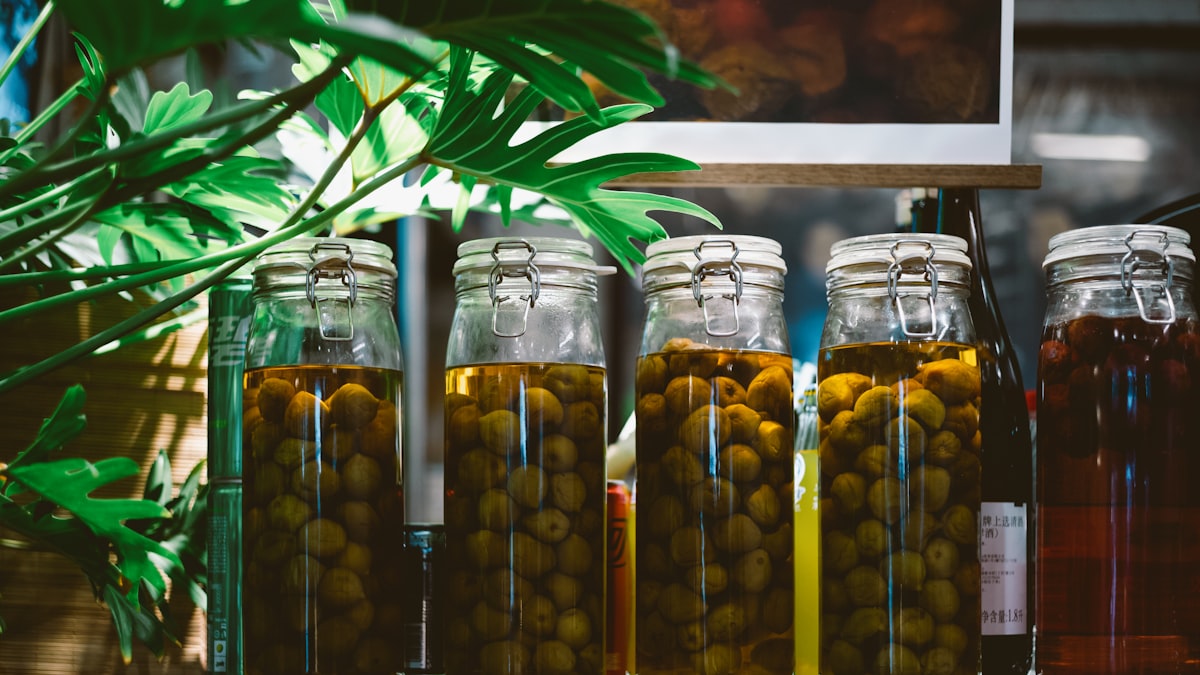
In the freezer (approximately −18 °C), the oil solidified completely into an opaque, cream-colored block that did not move when the bottle was tilted. In the refrigerator (approximately 5 °C), the oil reached a semi-solid state with visible white clumps forming against the glass. At room temperature (approximately 20 °C), the oil remained a clear, golden liquid throughout.
The telling detail came after refrigeration: when the chilled bottle was left on the counter for about 30 minutes, the oil returned to a fully transparent liquid with no intervention. That reversible phase change indicates the chemical structure was never altered. The California Olive Oil Council (COOC) has reported that repeated cycles of chilling and thawing do not permanently damage the flavor or quality of olive oil.
Does Solidification Prove an Oil Is Genuine?
A claim that circulates widely online holds that olive oil which solidifies in the refrigerator must be pure. That is half right.
A genuine olive oil with adequate oleic acid content does tend to solidify when chilled. However, solidification is not an absolute quality marker. A blend of olive oil and cheaper vegetable oils may also solidify, depending on the ratio and the specific oils used. Conversely, some high-quality olive oils — depending on cultivar characteristics or processing — have a lower solidification point and may not set completely in a standard refrigerator.
Solidification is one data point, not a definitive test. A thorough quality assessment requires looking at acidity, polyphenol content, analytical chemistry results, and recognized certification.
Optimal Storage Conditions for Olive Oil
Once it is clear that solidification does not indicate a damaged oil, the practical question becomes how to store olive oil well. The four variables that govern quality over time are light, heat, oxygen, and moisture.
Temperature. The IOC's recommended storage range is 14–18 °C. Within this band, oxidation is slow and the oil stays liquid. Refrigerator temperatures (4–7 °C) slow oxidation even further but introduce the solidification cycle, and each time the bottle moves between fridge and counter, condensation can form inside and potentially carry moisture into the oil — a minor but real contamination risk over time.
Light. Light degrades both polyphenols and chlorophyll in olive oil. Dark glass or tin containers offer better protection than clear glass, and a closed cupboard away from direct sunlight is preferable to storing bottles on an open counter or windowsill.
Oxygen. Every moment the bottle is open, oxidation proceeds. Sealing the bottle immediately after use reduces exposure. Because headspace in a large bottle fills with air as the oil is consumed, buying smaller bottles more frequently is a practical way to limit oxygen contact across the life of a bottle.
When Refrigeration Makes Sense — and When It Does Not
Refrigeration is not inherently the wrong choice; context determines whether it helps or hinders.
If the kitchen consistently exceeds 28 °C in summer, refrigerating olive oil will slow oxidation more effectively than any room-temperature cupboard can. If an opened bottle will take longer than six months to finish, cold storage is a reasonable precaution. In either case, the practical approach is to decant a week's worth into a small, tightly sealed container kept at room temperature and refrigerate the remainder — avoiding the constant in-and-out temperature cycling that the full bottle would otherwise experience.
For everyday use — daily cooking, regular finishing — a cool, dark, room-temperature space in the 14–18 °C range is the most convenient and equally effective option. And regardless of storage method, rapidly re-liquefying a solidified oil in the microwave is best avoided: localized overheating can accelerate oxidation in those hot spots.
Understanding the Physics Points Toward Better Storage
Olive oil solidifies in the refrigerator because unsaturated fatty acids crystallize at low temperatures. It is a physical event, not a chemical one — no spoilage, no structural change, and a return to clear liquid once the bottle warms up. At the same time, treating solidification as proof of purity oversimplifies the science; it is a useful clue, not a verdict.
Preserving a good olive oil over time comes down to managing three variables together: temperature, light, and oxygen. A sealed bottle in a cool, dark place is the baseline. When refrigeration is genuinely needed, a decanting strategy keeps daily-use oil accessible while protecting the reserve.
Frequently asked questions
- Is it normal for olive oil to solidify in the refrigerator?
- Yes. Olive oil is predominantly oleic acid, a monounsaturated fatty acid with a solidification point of around 4 °C — right in the range of a typical refrigerator. The change is purely physical: the oil returns to liquid once it warms back to room temperature, and according to the California Olive Oil Council (COOC), repeated chilling and thawing has not been reported to permanently damage flavor or quality.
- Does olive oil solidifying in the fridge prove it is pure?
- Only partially. Pure olive oil with sufficient oleic acid content does tend to solidify when chilled, but solidification alone is not a reliable purity test. Some blends of olive oil and lower-grade vegetable oils can also solidify depending on the mix, while certain high-quality oils may not fully solidify due to variety characteristics or processing. Quality is better assessed through acidity, polyphenol content, and certified lab analysis.
- What is the best temperature to store olive oil?
- The International Olive Council (IOC) recommends storing olive oil between 14 °C and 18 °C. At this range the oil stays liquid and oxidizes slowly. Refrigerator temperatures (4–7 °C) slow oxidation further but cause solidification and risk introducing condensation moisture when the bottle is repeatedly moved in and out.
- Should I refrigerate olive oil or keep it at room temperature?
- For daily use, a cool, dark cupboard at 14–18 °C is both practical and quality-preserving. Refrigeration makes sense if your kitchen regularly exceeds 28 °C or if an opened bottle will take more than six months to finish. In that case, decant what you need for the week into a small, sealed container kept at room temperature and store the rest in the fridge.
- Can I microwave solidified olive oil to liquefy it quickly?
- This is best avoided. Microwaving creates localized hot spots that can accelerate oxidation in those areas. The recommended approach is simply to leave the bottle on the counter for about 30 minutes and let it return to liquid naturally.
Related reading
- Cold, Room Temperature, Hot: How Olive Oil Changes at Every Stage
Olive oil solidifies in the refrigerator and thins dramatically on a hot stove. Understanding the science behind these viscosity shifts opens up a more deliberate approach to cooking with EVOO at every temperature.
- Olive Oil Confit: A Complete Guide to Low-Temperature Oil Cooking
Confit — the French technique of slow-cooking ingredients submerged in oil at low heat — finds a natural partner in extra virgin olive oil, which preserves moisture, concentrates flavor, and adds its own grassy depth to garlic, vegetables, and poultry alike.
- Set Up a Home Olive Oil Tasting: Lighting, Temperature, Glasses, and Tasting Notes
A professional-level olive oil tasting environment does not require special equipment. This guide walks through the exact setup — lighting, oil temperature, glass selection, and a simple scoresheet — that lets any curious cook build real sensory skills at home.
- The Countdown Starts When You Break the Seal: An Olive Oil Oxidation Timeline
The moment you open a bottle of extra virgin olive oil, oxygen, light, and heat begin working against it. This guide maps freshness changes at one week, one month, and three months after opening — and lays out the storage habits that slow the decline.
- The Right Container Makes or Breaks a Bulk Olive Oil Purchase
Decanting a large tin or bottle of extra virgin olive oil into a smaller vessel sounds simple — but the container you choose determines how much of that quality actually survives. A practical guide to material, light-blocking, and seal performance.
- Before or After: The Complete Guide to Seasoning with Olive Oil
Coating ingredients with olive oil before cooking and finishing a dish with it afterward are two fundamentally different techniques. This guide covers oil-coating mechanics, marinade sequencing, and the heat chemistry that determines when each approach works best.
Tags
- storage
- solidification
- extra virgin olive oil
- fatty acids
- kitchen guide