Craft
Climate Change Is Reshaping the Olive Oil Supply — Here's the Scale of It
Mediterranean heat extremes and chronic drought have pushed global olive oil production to decade-low levels. The supply crunch goes beyond pricing: it signals a structural shift in where and how olive oil is made.
Translated from the Korean edition, originally published August 9, 2026 · read the original
The Numbers: How Far Has Production Fallen?
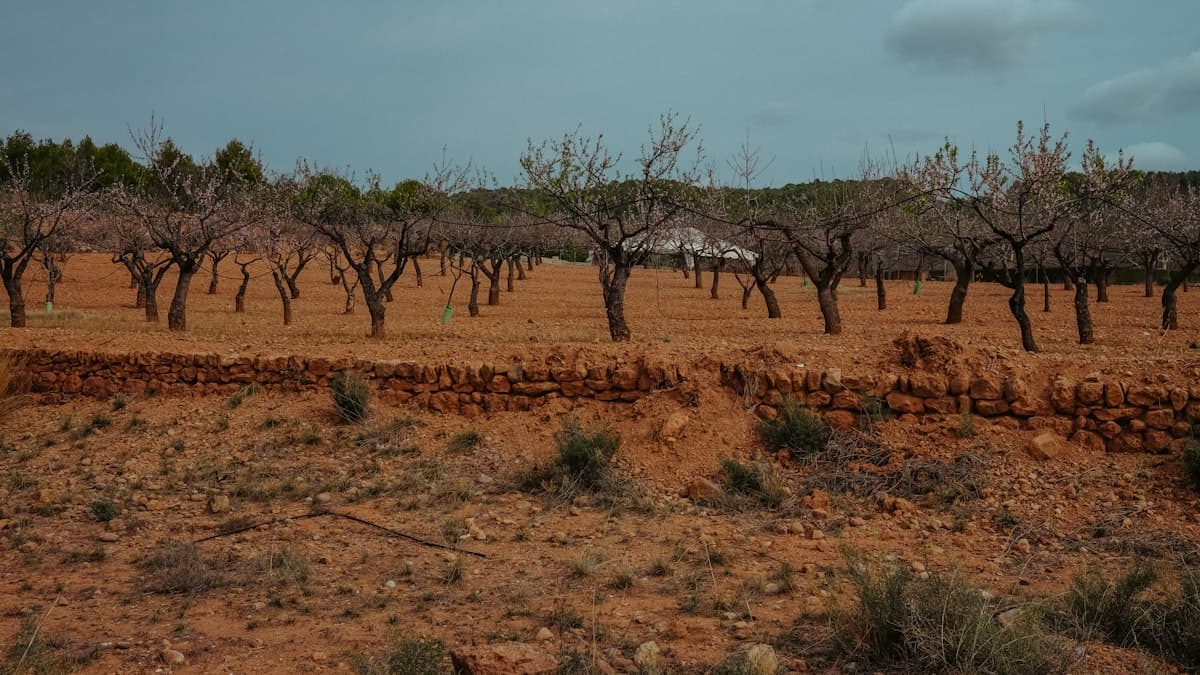
The olive oil market is under serious pressure. According to an International Olive Council (IOC) report, global olive oil production in the 2022/23 season came to approximately 2.49 million tonnes — a drop of roughly 30% against the preceding five-year average. Spain, which is responsible for more than 40% of world output, fell below 800,000 tonnes in the same season, its lowest figure in a decade. Italy and Greece recorded simultaneous declines, making the supply contraction a pan-European event rather than an isolated national problem.
With supply down, prices moved sharply upward. According to Spain's Ministry of Agriculture, Fisheries and Food, the farmgate price of Spanish extra virgin olive oil surpassed €9 per kilogram in the second half of 2023 — more than double the level of two years earlier. The rise consumers felt at the shelf was even steeper: data from UK grocery research firm Kantar showed that retail olive oil prices in major European markets climbed more than 50% year-on-year on average in 2023.
Three Ways Climate Change Is Hitting the Olive Harvest
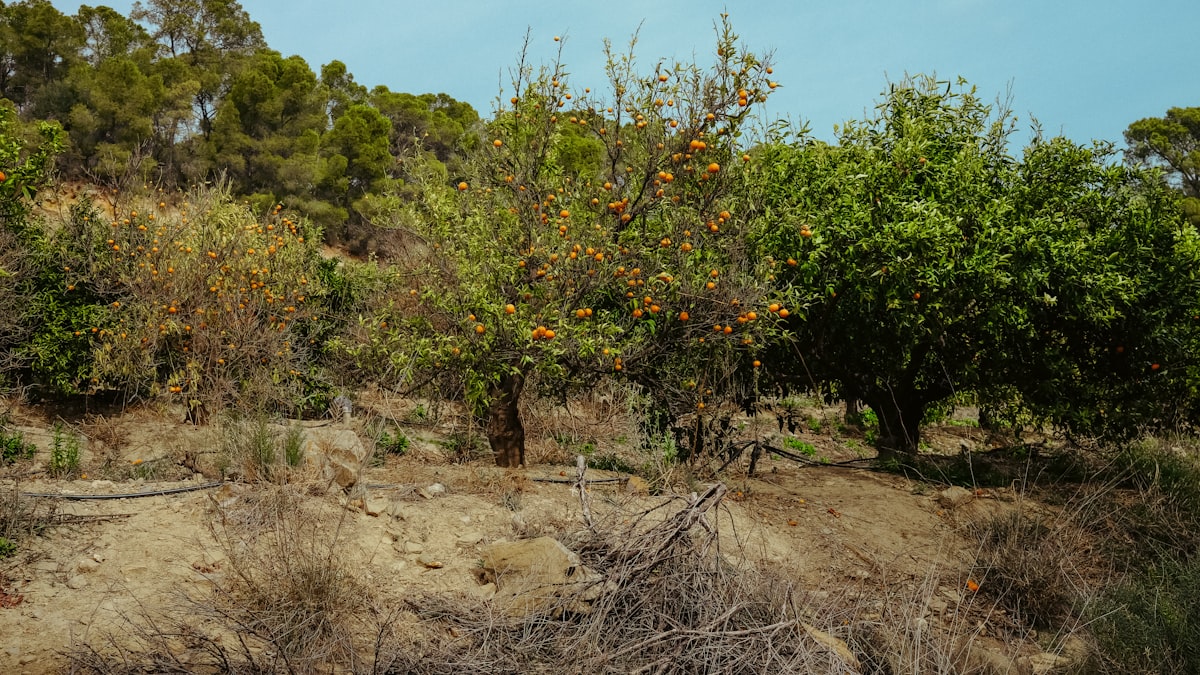
Olive trees have adapted over centuries to the Mediterranean climate. But the pace of recent change is proving difficult even for this resilient crop to absorb.
The first pressure is extreme heat. According to a report by the Copernicus Climate Change Service (C3S), average temperatures across the Mediterranean in the summer of 2023 were approximately 2.5°C above pre-industrial levels — the highest on record. When temperatures spike sharply during the spring flowering period, pollination success rates are reported to fall significantly; sustained high heat through fruit development reduces the moisture content of the olive itself, lowering oil yield at the press.
The second pressure is chronic drought. Data from Spain's State Meteorological Agency (AEMET) show that rainfall in Andalusia during the 2022–2023 olive growing season was roughly half the long-term average. While olive trees are relatively drought-tolerant, multiple agricultural studies report that severe moisture deficits during the critical fruit-development window reduce both fruit weight and the proportion of extractable oil.
The third pressure is disrupted biennial cycles. Olive trees naturally alternate between higher- and lower-yield years. Climate disruption is making that rhythm increasingly erratic, and — as experts have noted — the peak output of even the better years is trending lower than in the past. This structural downward drift is what most concerns industry analysts.
Production by Origin: From Spain to North Africa
Spain has absorbed the largest losses, but the crisis is not confined to any single country. According to the Italian farming association Coldiretti, Italian olive oil production fell approximately 34% year-on-year in 2023. In parts of Tuscany and Puglia, the olive fruit fly (Bactrocera oleae) survived in greater numbers through increasingly mild winters, compounding weather-related damage.
Greece fared comparatively better but saw portions of its olive-growing land lost to large-scale wildfires in 2023. Paradoxically, the difficulties along the northern Mediterranean have elevated the standing of North African origins. According to IOC data, Tunisia produced approximately 240,000 tonnes in the 2022/23 season — a record result — and attracted strong interest from European buyers. Morocco is similarly being watched as a growing force in the global supply picture.
The Quality Paradox: Polyphenols Under Stress
A production decline does not translate solely into higher prices; it also shifts the quality landscape. Research has reported that olives under drought stress produce elevated levels of polyphenols and other antioxidant compounds as a physiological survival response. A study by a research team at Spain's National Research Council (CSIC) found that moderate water stress significantly increases concentrations of oleocanthal and oleuropein-type polyphenols in extra virgin olive oil.
For producers, this creates a strategic argument: make less, but make it better. Growers in premium Spanish designations such as Priego de Córdoba and Montes de Toledo have responded to lower volumes by tightening quality thresholds and targeting higher-value market segments — a direction the data on stress-induced polyphenol accumulation appears to support, though researchers note it is too early to draw firm conclusions about consumer health outcomes.
How Consumers Are Responding to the Crunch
Higher prices are visibly reshaping buying behaviour. In Italy — the European Union's largest consuming market — NielsenIQ data recorded a roughly 8% decline in retail olive oil sales volume in 2023. Sunflower and canola oils saw some demand gains, but the perception that olive oil's flavour and character cannot be straightforwardly substituted has so far prevented a wholesale shift.
The more striking response has come from Asia. Despite price increases, interest in extra virgin olive oil has continued to grow steadily across import markets including Japan and China. According to the IOC's annual report, olive oil consumption across the Asia-Oceania region has more than doubled compared with the early 2010s. A consumer segment willing to absorb price rises in exchange for a premium product is clearly forming in these markets.
The Outlook: A Structural Transition, Not a Temporary Blip
Viewed through the lens of long-term climate change rather than a run of bad seasons, the olive oil industry appears to be entering a structural transition. According to the World Meteorological Organization (WMO), the Mediterranean region is warming at approximately 1.5 times the global average rate, and that trajectory is expected to continue.
Producers are responding on several fronts: trialling drought-resistant cultivars, modernising irrigation infrastructure, relocating cultivation to higher elevations, and developing emerging origins in Morocco, Tunisia and Portugal. Taken together, these shifts suggest that the production map of olive oil is being redrawn. For consumers, knowing an oil's origin, cultivar and harvest year is becoming less a mark of connoisseurship and more a practical guide to understanding what you are actually buying.
Frequently asked questions
- How much has global olive oil production dropped because of climate change?
- According to the International Olive Council (IOC), global olive oil production in the 2022/23 season was approximately 2.49 million tonnes — roughly 30% below the preceding five-year average. Spain, which accounts for more than 40% of world output, fell below 800,000 tonnes for the first time in a decade.
- Why did olive oil prices rise so sharply in 2023?
- Reduced supply drove Spanish farmgate prices for extra virgin olive oil above €9 per kilogram in the second half of 2023 — more than double the price of two years earlier, according to Spain's Ministry of Agriculture, Fisheries and Food. Kantar data showed retail prices across major European markets rising more than 50% year-on-year on average.
- Which olive oil producing countries were hit hardest?
- Spain suffered the most severe losses. Italy's output fell approximately 34% year-on-year in 2023, according to the farming association Coldiretti, partly due to the olive fruit fly (Bactrocera oleae) surviving milder winters in greater numbers. Greece lost some growing areas to wildfires. Tunisia, by contrast, produced around 240,000 tonnes in 2022/23 — a record performance, per IOC data — and attracted increased interest from European buyers.
- Does drought stress affect the quality of extra virgin olive oil?
- Research published by a team at Spain's National Research Council (CSIC) found that moderate water stress significantly increases the concentration of oleocanthal and oleuropein-type polyphenols in extra virgin olive oil. This is associated with higher antioxidant compound levels, though it is too early to conclude what the precise health implications are for consumers.
- Is the olive oil shortage temporary or a long-term structural problem?
- The World Meteorological Organization (WMO) reports that the Mediterranean region is warming at approximately 1.5 times the global average rate, a trend expected to continue. Producers are responding by trialling drought-resistant cultivars, modernising irrigation, shifting cultivation to higher elevations, and sourcing from emerging origins such as Morocco, Tunisia and Portugal. Most analysts treat the current disruption as the beginning of a longer structural realignment rather than a short-term weather anomaly.
Related reading
- Five Countries, 90% of the World's Olive Oil: A Producer-by-Producer Guide
Spain, Italy, Greece, Turkey, and Morocco together account for more than 90% of global olive oil output. This guide maps the distinct climates, cultivars, and production trends that make each origin taste different.
- Hand-Picked, Raked, or Shaken: How the Harvest Method Shapes Your Olive Oil
From hand picking to mechanical shakers, the moment olives leave the tree sets the ceiling for acidity, polyphenols, and flavor. A method-by-method comparison for anyone who wants to buy smarter.
- Reading Polyphenol Numbers on an Olive Oil Label: A Step-by-Step Comparison Guide
The mg/kg polyphenol figure printed on an extra virgin olive oil bottle is one of the most useful quality signals a label can carry — but only if you know how to read it. This guide walks through what the number means, how measurement method affects it, and what else to check alongside it.
- Cold, Room Temperature, Hot: How Olive Oil Changes at Every Stage
Olive oil solidifies in the refrigerator and thins dramatically on a hot stove. Understanding the science behind these viscosity shifts opens up a more deliberate approach to cooking with EVOO at every temperature.
- Closer to the Source: A Practical Guide to Buying Olive Oil Direct from Producers
From farm-direct shipping and micro-importers to group buys, there are more ways than ever to reach a producer before a supermarket shelf does. This guide walks through each route, what to verify before you buy, and how to set realistic expectations on price and freshness.
- Olive Oil Confit: A Complete Guide to Low-Temperature Oil Cooking
Confit — the French technique of slow-cooking ingredients submerged in oil at low heat — finds a natural partner in extra virgin olive oil, which preserves moisture, concentrates flavor, and adds its own grassy depth to garlic, vegetables, and poultry alike.
Tags
- supply crisis
- climate change
- extra virgin olive oil
- mediterranean
- production