Craft
Five Countries, 90% of the World's Olive Oil: A Producer-by-Producer Guide
Spain, Italy, Greece, Turkey, and Morocco together account for more than 90% of global olive oil output. This guide maps the distinct climates, cultivars, and production trends that make each origin taste different.
Translated from the Korean edition, originally published August 17, 2026 · read the original
Where Olive Oil Actually Comes From
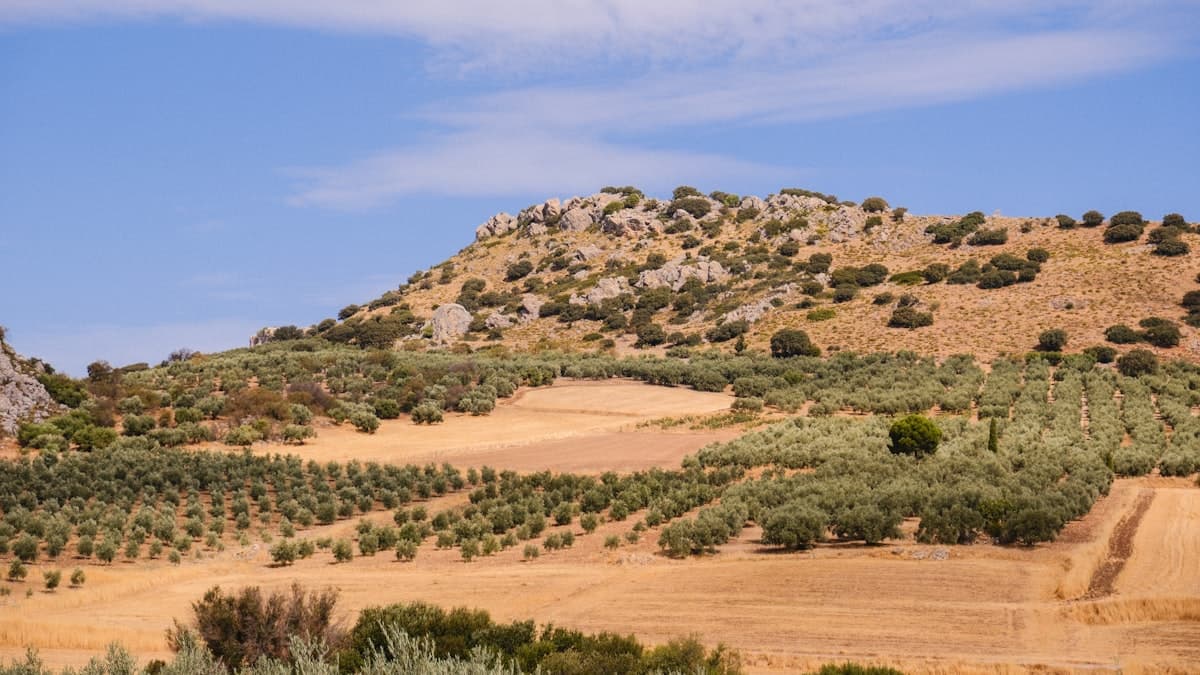
The overwhelming majority of the world's olive oil originates in the Mediterranean basin and its immediate surroundings. According to International Olive Council (IOC) data for the 2023/24 season, global production is estimated at approximately 3.1 million tonnes, with Spain, Italy, Greece, Turkey, and Morocco together accounting for more than 90% of that total. These five countries differ in latitude, climate, soil, and agricultural history, yet all sit within what agronomists call the viable boundary for olive cultivation — the band in which olive trees can survive and produce fruit. From the Iberian Peninsula in the west to the Anatolian plateau in the east, and south to the foothills of the Atlas Mountains in North Africa, the olive oil world is wider and more varied than most buyers realise.
Spain: Dominant Producer, Home of Picual
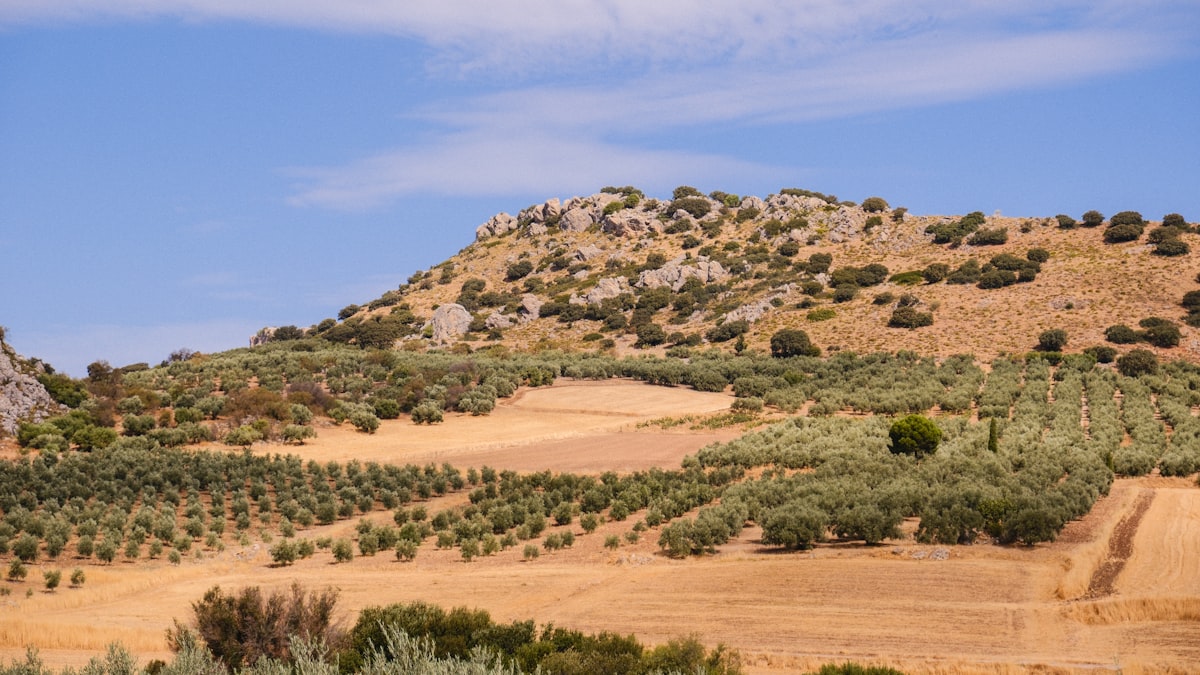
IOC figures for the 2023/24 season place Spain's output at approximately 1.4 million tonnes, comfortably retaining its position as the world's largest producer. Total olive grove area exceeds 2.5 million hectares — the largest of any single country. The core production zone is Andalusia, where the provinces of Jaén, Córdoba, and Seville together account for close to 80% of national output.
The defining cultivar is Picual, which holds the distinction of being the most widely planted single olive variety in the world. Picual is known for elevated levels of phenolic compounds, including oleocanthal, which contribute to its characteristic bitter, pungent finish and reportedly high oxidative stability. In recent years, the rapid spread of the so-called super-intensive (hedgerow) growing system has raised production efficiency considerably, though critics argue it erodes traditional tree forms and reduces ecological diversity.
Italy: Kingdom of Variety
Italy trails Spain substantially in volume, but its cultivar diversity and cultural influence on the global olive oil market remain unmatched. IOC statistics put 2023/24 Italian production at approximately 220,000 tonnes, though year-to-year swings driven by weather can be significant. More than 500 olive varieties are registered in Italy, with each region offering a distinct profile: Coratina in Puglia, Frantoio and Leccino in Tuscany, and Nocellara del Belice in Sicily, to name only a few.
Italy makes active use of PDO (DOP) and PGI (IGP) certification to protect and promote origin value. However, because domestic consumption substantially exceeds domestic production, it is standard practice to import bulk oil — frequently from Spain — for blending and re-export. For this reason, a label reading 'Italian olive oil' deserves careful scrutiny; a certified DOP designation or a statement confirming the oil was both extracted and bottled in Italy offers a more reliable indication of true provenance.
Greece: The World's Highest Per-Capita Consumers
No country consumes more olive oil per person than Greece. According to IOC data, annual per-capita consumption in Greece runs at roughly 12–13 kg, noticeably higher than Italy (approximately 8 kg) or Spain (approximately 9 kg). Production for the 2023/24 season is estimated at approximately 250,000–300,000 tonnes, with the island of Crete alone contributing more than one-third of the national total.
The flagship cultivar is Koroneiki. Small in fruit size, it yields oil with an intense aroma and high polyphenol levels. The harvest window for Koroneiki is short and hand-picking remains prevalent, which pushes production costs up — but the resulting oil is consistently noted for a layered character in which fresh herbal notes and a sharp peppery bite coexist.
Turkey and Morocco: Rising Forces
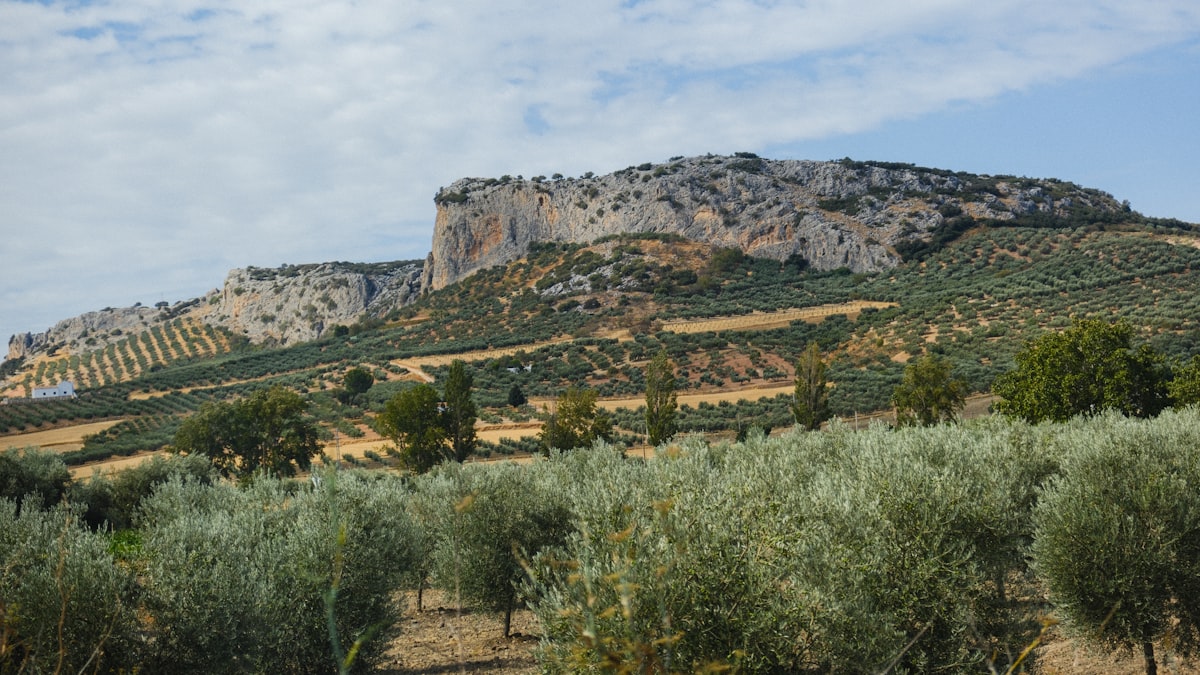
Turkey's olive cultivation is concentrated along the Aegean coast, principally in the provinces of İzmir, Aydın, and Balıkesir. IOC data for 2023/24 records Turkish output at more than 300,000 tonnes — enough in some seasons to place the country third globally, ahead of Greece. The main cultivars — Ayvalık, Gemlik, and Memecik — tend to yield oils with a softer, more mellow fruit character compared with the assertive profiles typical of Picual or Koroneiki. Domestic consumption absorbs a large share of production, which limits export volumes, but premium EVOO exports to European and Asian markets have been growing steadily.
Morocco is the most important olive oil producer on the African continent. According to IOC statistics, Morocco's olive grove area has surpassed one million hectares, and 2023/24 season output was reported at approximately 180,000–200,000 tonnes. The primary growing regions are Marrakech-Safi, Fès-Meknès, and Souss-Massa, where local and introduced cultivars — including Picholine Marocaine, Menara, and Picual — grow alongside one another. Through its Plan Maroc Vert agricultural policy, the Moroccan government has invested consistently in modernising the olive sector, with a clear strategic direction toward increasing the share of certified EVOO in total exports.
Origin Is Context, Not Just Geography
When reading an olive oil label, the country of origin is more than a geographical footnote. Origin encodes climate, soil type, cultivar, and harvest method — all of which shape both flavour and chemical composition. An oil grown under the fierce, dry sun of the Mediterranean lowlands and one pressed from fruit harvested in the cool higher elevations of the Atlas foothills will simply taste different, even if both are correctly labelled extra virgin olive oil.
A Spanish oil built around Picual tends to be bold and distinctly bitter; a Greek Koroneiki-based oil typically shows a lighter, herb-driven profile; an Italian oil can range from buttery and gentle to assertively peppery depending on the cultivar. No single origin is categorically superior. What matters is developing the habit of reading origin alongside cultivar, harvest year, acidity, and polyphenol figures together — that combination is where serious olive oil literacy begins.
Frequently asked questions
- Which country produces the most olive oil in the world?
- According to International Olive Council (IOC) data for the 2023/24 season, Spain is the world's largest producer by a wide margin, with output of approximately 1.4 million tonnes — more than all other major producers combined.
- Which country consumes the most olive oil per person?
- Greece leads by a significant margin. IOC figures put per-capita annual consumption in Greece at roughly 12–13 kg, compared with approximately 9 kg in Spain and 8 kg in Italy.
- What does 'Product of Italy' on an olive oil label actually mean?
- Italian domestic production consistently falls short of domestic consumption. It is common practice for Italian bottlers to import bulk olive oil — often from Spain — and blend or re-export it under Italian labelling. Checking whether the label specifies a PDO/DOP designation, or states that the oil was both produced and bottled in Italy, gives a clearer picture of true origin.
- What is the Koroneiki cultivar, and why is Greek olive oil associated with high polyphenols?
- Koroneiki is the dominant cultivar in Greece, especially on Crete. Its small fruit yields oil with an intense aroma and high polyphenol content. Because the harvest window is narrow and hand-picking remains common, production costs are higher — but the resulting oil is widely regarded for its distinctive herbal character and peppery finish.
- Is Morocco a significant olive oil producer?
- Yes. According to IOC statistics, Morocco's olive grove area has surpassed one million hectares, and 2023/24 season output was reported at approximately 180,000–200,000 tonnes, making it the most important producer on the African continent. The Moroccan government has invested steadily in modernising the sector through its Plan Maroc Vert agricultural policy, with a stated goal of increasing certified EVOO exports.
Related reading
- Reading Polyphenol Numbers on an Olive Oil Label: A Step-by-Step Comparison Guide
The mg/kg polyphenol figure printed on an extra virgin olive oil bottle is one of the most useful quality signals a label can carry — but only if you know how to read it. This guide walks through what the number means, how measurement method affects it, and what else to check alongside it.
- Picual, Arbequina, Coratina, Moraiolo: A Cultivar Guide to Olive Oil Flavor
Flavor in extra virgin olive oil begins with the olive itself. This guide breaks down the origins, sensory profiles, polyphenol levels, and best uses of four cultivars that dominate the premium EVOO market.
- Climate Change Is Reshaping the Olive Oil Supply — Here's the Scale of It
Mediterranean heat extremes and chronic drought have pushed global olive oil production to decade-low levels. The supply crunch goes beyond pricing: it signals a structural shift in where and how olive oil is made.
- Cold, Room Temperature, Hot: How Olive Oil Changes at Every Stage
Olive oil solidifies in the refrigerator and thins dramatically on a hot stove. Understanding the science behind these viscosity shifts opens up a more deliberate approach to cooking with EVOO at every temperature.
- Closer to the Source: A Practical Guide to Buying Olive Oil Direct from Producers
From farm-direct shipping and micro-importers to group buys, there are more ways than ever to reach a producer before a supermarket shelf does. This guide walks through each route, what to verify before you buy, and how to set realistic expectations on price and freshness.
- Olive Oil Confit: A Complete Guide to Low-Temperature Oil Cooking
Confit — the French technique of slow-cooking ingredients submerged in oil at low heat — finds a natural partner in extra virgin olive oil, which preserves moisture, concentrates flavor, and adds its own grassy depth to garlic, vegetables, and poultry alike.
Tags
- producing countries
- olive oil origins
- cultivars
- extra virgin olive oil
- mediterranean