Craft
Filtered or Unfiltered Olive Oil: A Guide to Choosing the Right Bottle
Cloudiness in an olive oil bottle can signal freshness — or spoilage, depending on its cause. This guide breaks down the difference between filtered and unfiltered EVOO, what each offers, and how to match the choice to the way you actually cook.
Translated from the Korean edition, originally published August 17, 2026 · read the original
Haze as a Feature, Not a Flaw
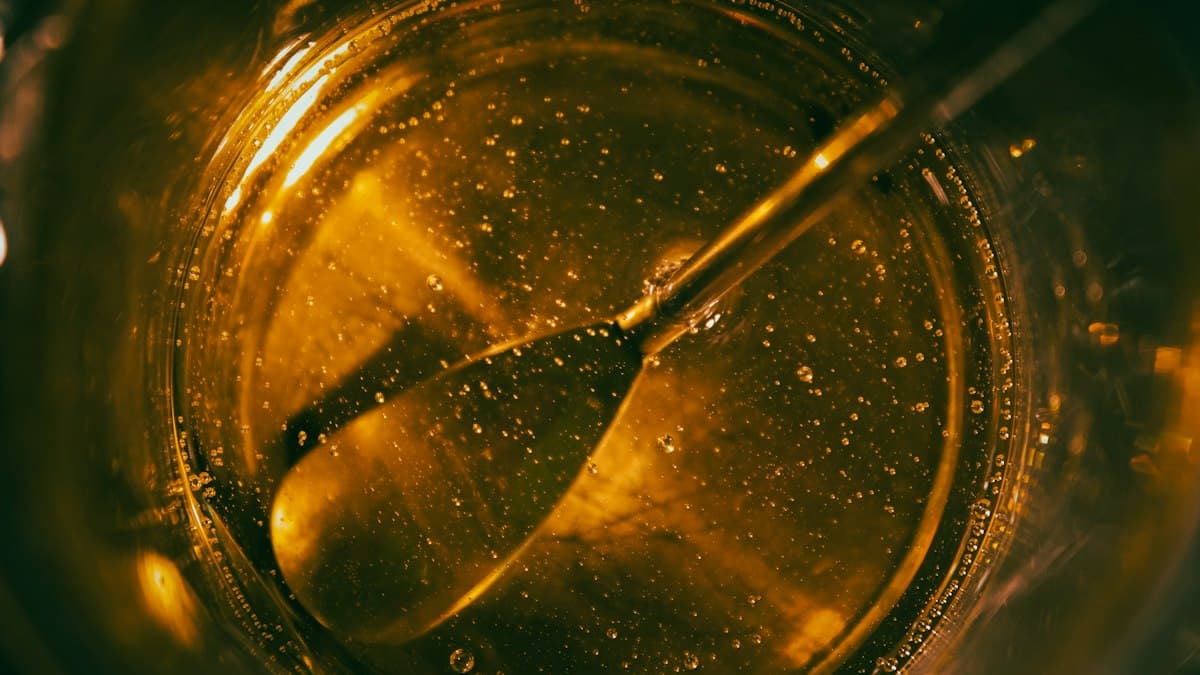
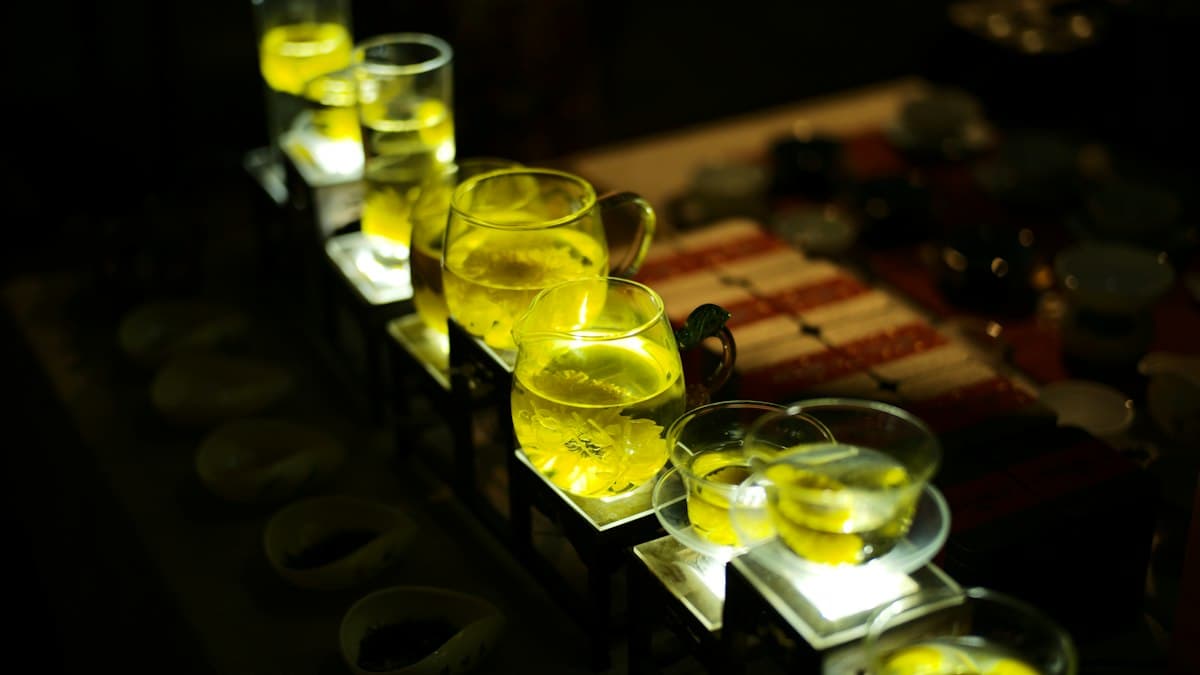
Hold a bottle of olive oil up to the light and you may see one of two things: a clear, jewel-like liquid, or a soft, milky haze. For anyone new to quality olive oil, the cloudy bottle can look like a defect. In the world of serious EVOO, however, cloudiness can actually signal freshness — the key is understanding which kind of cloudiness you are looking at.
There are two distinct causes. The first is natural: fine olive particles, residual vegetation water, yeasts, and enzymes left behind from pressing. Oil that still carries these suspended solids is called unfiltered — or in Italian, torbido or non filtrato. The second cause is temperature shock or degradation during poor storage, which can also turn oil opaque. These two types of cloudiness look and behave differently. A healthy unfiltered oil holds a uniform, yellow-green haze; oil clouded by damage tends toward brown and may show clumped sediment.
How the Filtration Process Works
Olive oil as it comes off the press is inevitably turbid. Sometimes called fresco oil in the mill, it contains fragments of olive flesh, vegetation water, enzymes, and fine solids. Filtration is the process of removing them.
The traditional approach is natural decantation: oil rests in large tanks until gravity pulls the solids to the bottom. It is slow, but it subjects the oil to minimal physical stress. The modern approach uses cotton or cellulose-pad filters to move the oil through a mechanical press — faster, and consistent enough for large production volumes. Both routes produce the clear liquid that is sold as filtered oil.
Filtered oil is more stable. By removing residual water and fine organic matter, filtration eliminates two key drivers of oxidation and fermentation. Researchers at the University of Córdoba reported that filtered extra virgin olive oil, stored under identical conditions, showed a slower rate of rancidity development and a longer effective shelf life than its unfiltered equivalent.
The Appeal — and the Risks — of Unfiltered Oil
The enthusiasm among chefs and collectors for unfiltered oil is easy to understand. Oil that goes directly from press to bottle without a filtration step is more likely to retain the full spectrum of volatile aromatic compounds that define a freshly milled olive. The grassy, fruity, and peppery notes can be more pronounced — some tasting professionals describe it as an oil still in motion.
Polyphenol content is another point of interest. According to the International Olive Council (IOC), some water-soluble phenolic compounds can be removed along with the vegetation water during filtration. The actual magnitude of that loss depends on origin, cultivar, and filtration method, and many filtered oils still achieve high polyphenol counts, so this is not a blanket advantage for unfiltered oil — only a tendency worth being aware of.
The risks are equally real. Residual water and olive solids are a ready food source for yeasts and bacteria, which means unfiltered oil can turn rancid surprisingly quickly once opened. Research reported by Italy's Council for Agricultural Research and Economics (CREA) recommends consuming unfiltered oil within four to six weeks of opening and storing it in a cool, dark place throughout. Left in warm light, an unfiltered oil can lose its character in a matter of days — far faster than a filtered equivalent.
Matching the Style to How You Cook
The right choice depends on how you use oil and how quickly you go through it.
Fresh and unheated applications: Unfiltered oil shows best when no heat is involved — spooned over salads, served alongside good bread, finished over carpaccio or a composed appetiser. The seasonal freshness of a just-pressed harvest comes through most clearly here. The condition is that you need to be realistic about finishing the bottle within two to three weeks.
Cooking and longer storage: For sautéing, roasting, marinades, or baking — or for anyone who keeps a bottle in the cupboard for weeks at a time — filtered oil is the more practical choice. Its greater stability means slower flavour drift and less risk of rancidity before the bottle is finished.
Gifting and collecting: Unfiltered oil undergoes a natural transformation in the bottle: solids gradually settle and the oil slowly clears over time. For enthusiasts who enjoy following an oil through this living change, an unfiltered bottle offers an experience that no filtered oil can replicate.
Reading the Label
Label language for unfiltered oil varies by country. Italian producers write non filtrato or torbido; Spanish labels say sin filtrar; English-language markets use 'unfiltered' or 'cloudy'. Some producers reach for the more poetic Italian nuvolo — meaning cloud-like.
Beyond the filtration descriptor, several other label details are worth checking. A stated crop year makes it easier to gauge freshness at a glance. Free acidity must be 0.8% or below for extra virgin classification; a lower figure generally reflects careful handling between harvest and press. Polyphenol content is not a mandatory declaration, but producers who choose to print it usually do so because they are confident in the number. The European Food Safety Authority (EFSA) has established that an olive oil may carry a polyphenol-related health claim only when it delivers at least 5 mg of hydroxytyrosol and its derivatives per 20 g — a useful benchmark when comparing declared values.
Principles of Storage and Use
For any olive oil — filtered or not — the three enemies are light, heat, and oxygen. A dark glass bottle or tin, a cool storage spot away from the stove, and the habit of replacing the cap immediately after pouring are the baseline.
Unfiltered oil demands that baseline be applied more strictly. Refrigeration may cause the oil to partially solidify; this is natural wax crystallisation, not a quality problem, and the oil returns to its liquid state at room temperature. By contrast, an unfiltered bottle left near a sunny window or on a warm countertop in summer can deteriorate noticeably within days.
There is no universal answer to which style is the better oil. The question that actually matters is which style suits the way a particular person cooks and shops. What truly determines quality is not the presence or absence of haze, but the calibre of the raw fruit and the care taken in the hours immediately after pressing.
Frequently asked questions
- Is unfiltered olive oil better than filtered?
- Neither is categorically better. Unfiltered EVOO tends to carry more vivid fresh flavour and may retain slightly more water-soluble phenols, but it is less stable and should be used within four to six weeks of opening, according to research reported by Italy's CREA. Filtered oil is more practical for cooking, longer storage, and larger households.
- Why is my olive oil cloudy?
- Cloudiness has two very different causes. A uniform yellow-green haze is typical of unfiltered oil and reflects naturally suspended olive particles, water, and enzymes — a sign of minimal processing. A brownish or clumped cloudiness can indicate temperature damage or spoilage and is worth investigating before use.
- Does filtering remove polyphenols from olive oil?
- According to the International Olive Council (IOC), some water-soluble phenolic compounds can be carried off with the olive vegetation water during filtration. In practice, the actual loss varies with origin, cultivar, and filtration method, and many filtered oils still achieve high polyphenol levels.
- How should I store unfiltered olive oil?
- Unfiltered oil requires strict attention to the three enemies of any olive oil — light, heat, and oxygen — and then some. Keep it in a dark, cool place, seal the bottle tightly after every use, and aim to finish it within four to six weeks of opening, as recommended by Italy's CREA researchers. If it solidifies slightly in the refrigerator, that is normal wax crystallisation; it will re-liquefy at room temperature.
- What label terms should I look for when buying unfiltered olive oil?
- Look for 'non filtrato' or 'torbido' on Italian labels, 'sin filtrar' on Spanish ones, and 'unfiltered' or 'cloudy' in English-language markets. Some producers use the poetic Italian term 'nuvolo' (meaning cloud-like). Also check for a stated crop year, a free acidity below 0.8% for extra virgin grade, and — where declared — polyphenol content. The European Food Safety Authority (EFSA) sets 5 mg of hydroxytyrosol and its derivatives per 20 g of olive oil as the threshold for a permitted health claim on polyphenols.
Related reading
- The Countdown Starts When You Break the Seal: An Olive Oil Oxidation Timeline
The moment you open a bottle of extra virgin olive oil, oxygen, light, and heat begin working against it. This guide maps freshness changes at one week, one month, and three months after opening — and lays out the storage habits that slow the decline.
- The Right Container Makes or Breaks a Bulk Olive Oil Purchase
Decanting a large tin or bottle of extra virgin olive oil into a smaller vessel sounds simple — but the container you choose determines how much of that quality actually survives. A practical guide to material, light-blocking, and seal performance.
- Closer to the Source: A Practical Guide to Buying Olive Oil Direct from Producers
From farm-direct shipping and micro-importers to group buys, there are more ways than ever to reach a producer before a supermarket shelf does. This guide walks through each route, what to verify before you buy, and how to set realistic expectations on price and freshness.
- Six Olive Oil Off-Flavors — and How to Tell Them Apart at Home
From musty and winey-vinegary to metallic and rancid, off-flavors are the clearest signal that an extra virgin olive oil has fallen short of grade. This practical guide explains what causes each defect and how to detect them without professional panel training.
- Set Up a Home Olive Oil Tasting: Lighting, Temperature, Glasses, and Tasting Notes
A professional-level olive oil tasting environment does not require special equipment. This guide walks through the exact setup — lighting, oil temperature, glass selection, and a simple scoresheet — that lets any curious cook build real sensory skills at home.
- Organic Certification, Carbon Footprint, Water Use: A Practical Guide to Olive Oil Sustainability Labels
Behind every bottle of olive oil sit three measurable sustainability indicators — organic certification standards, carbon footprint figures, and water consumption data. Knowing how to read them turns a label logo from a marketing symbol into a genuine purchasing signal.
Tags
- unfiltered olive oil
- filtered olive oil
- extra virgin olive oil
- olive oil storage
- olive oil guide