Craft
ORO CELESTE 2025 Vintage: Three Cultivars, Three Distinct Characters
ORO CELESTE's 2025 harvest brought three early-picked extra virgin lines — Ojiblanca, Sibarita, and Picual — each with its own acidity, polyphenol count, and sensory profile. Tasted side by side, the differences between cultivars grown in the same region and the same season are striking.
Translated from the Korean edition, originally published August 1, 2026 · read the original
Same Year, Same Region — Why the 2025 Vintage Deserves Attention
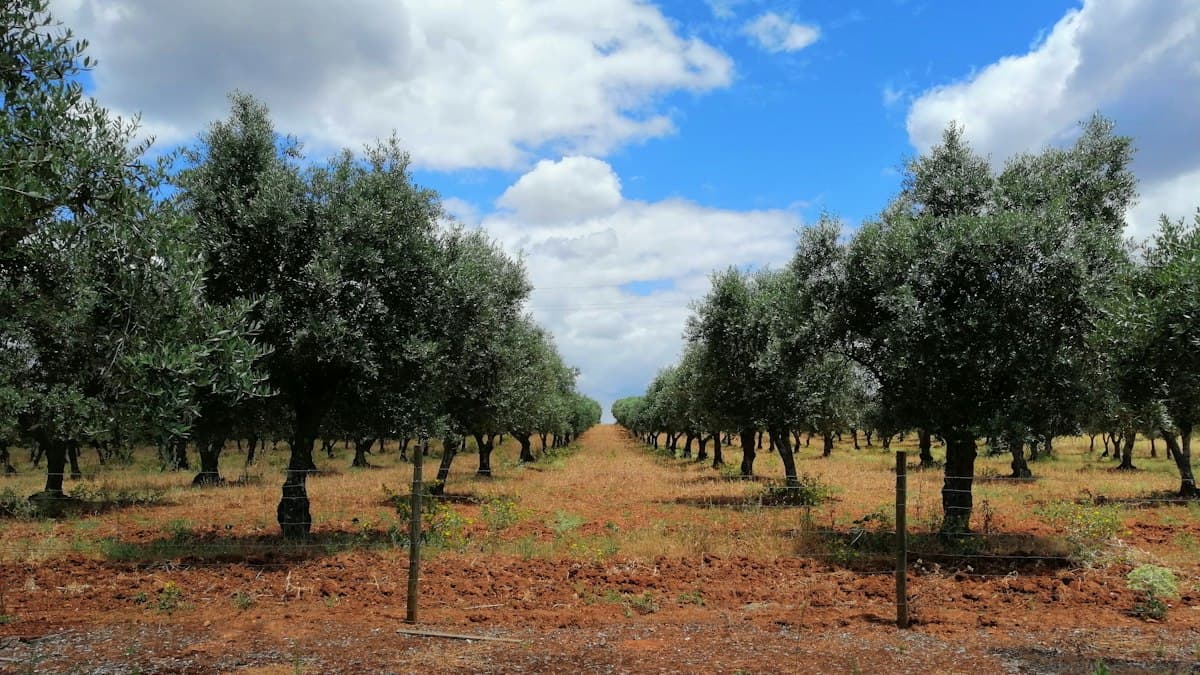
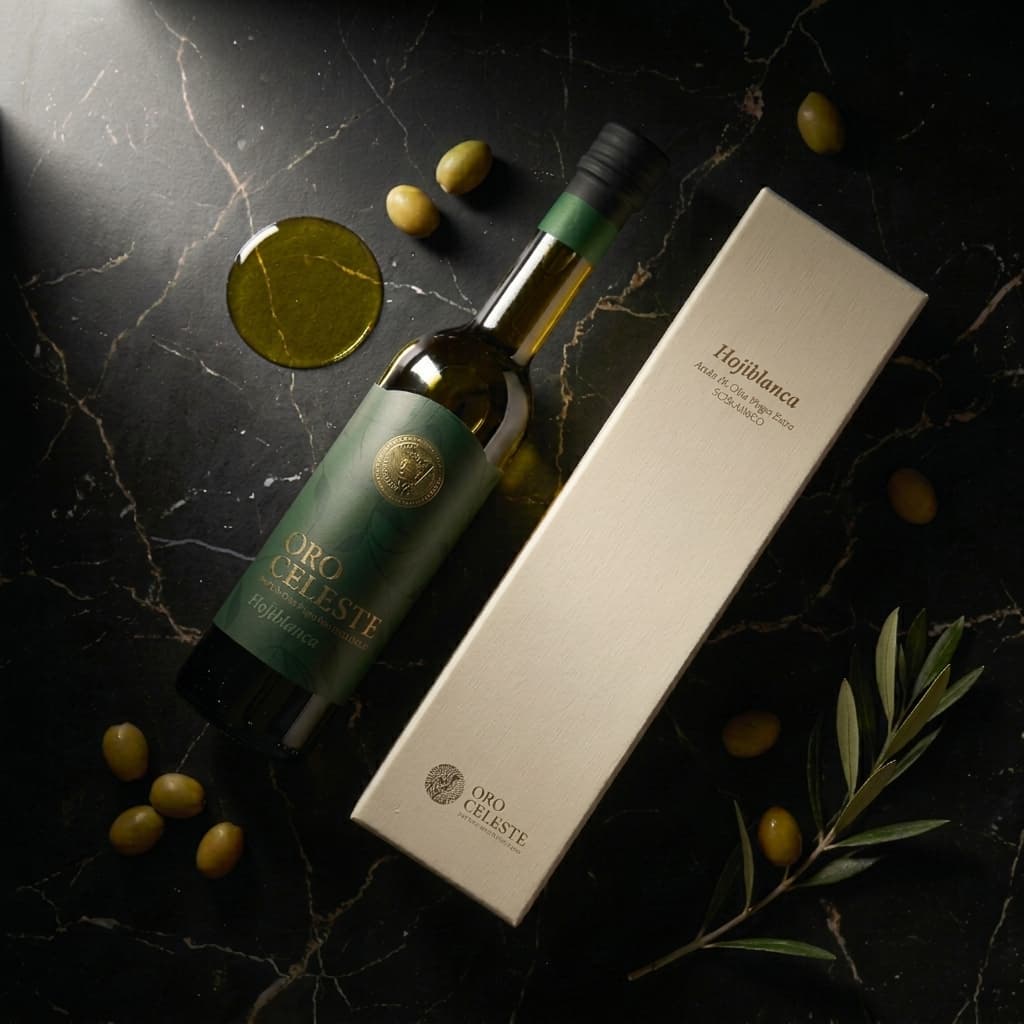
Olive oil quality shifts from one year to the next. Rainfall during flowering, temperature at harvest, oxygen exposure in the minutes after milling — every variable is locked inside the bottle. According to the International Olive Council (IOC) 2024 report, the 2024–2025 harvest season across Andalusia in southern Spain brought below-average rainfall, yielding fruit that was small and firm. That condition is associated with lower oil yield but higher polyphenol concentration. ORO CELESTE's three 2025 vintage lines — Ojiblanca, Sibarita, and Picual — were shaped by exactly that environment.
All three are extra virgin grade, produced by early harvesting: fruit is gathered while still heavily green, before full ripeness. Early harvesting is associated with higher polyphenol content and lower peroxide values, two markers that specialists watch closely when assessing freshness.
Ojiblanca — Delicate Sweetness with a Nutty Finish
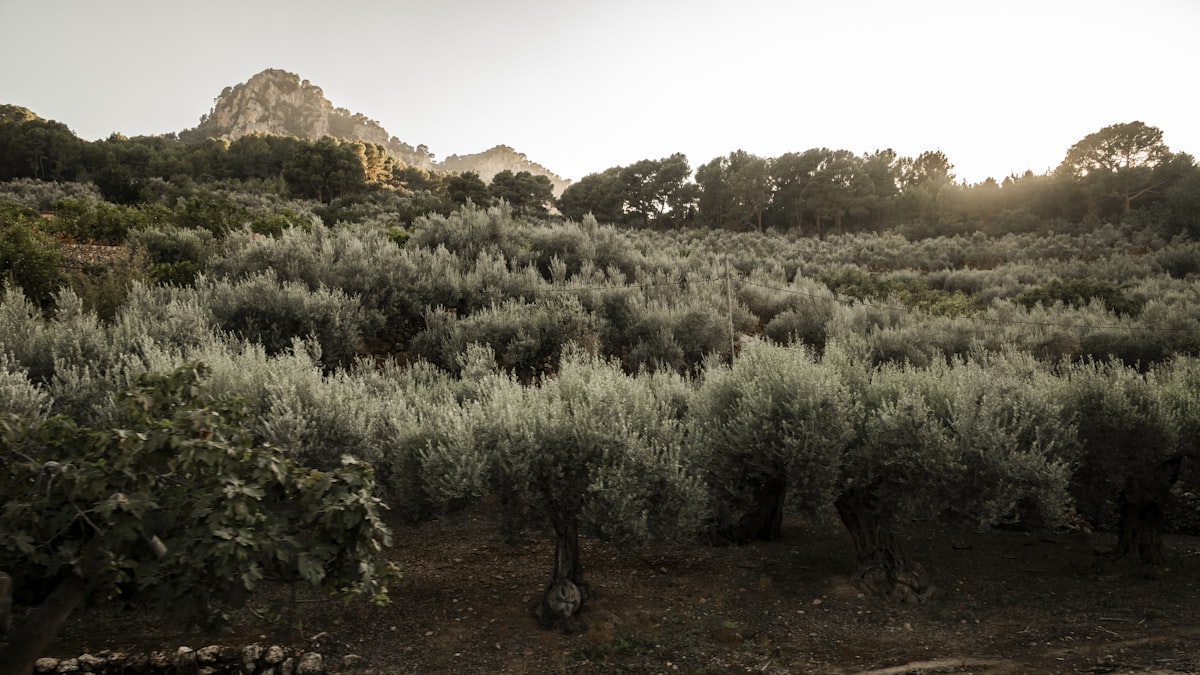
Ojiblanca is native to the border region between Córdoba and Málaga in Spain. ORO CELESTE's 2025 Ojiblanca measures at 0.16% acidity and over 600 mg/kg polyphenols. The low acidity keeps any sharp, biting sensation to a minimum, allowing the oil's softer aromatic register — fresh almond, green apple — to come forward cleanly.
Working through the sensory profile in stages: on the nose, white flowers and ripe peach are the first impressions. The palate entry is round and gentle, opening into a mid-palate note reminiscent of roasted hazelnut. The finish is short and clean, which is why Ojiblanca is frequently paired with fatty fish dishes or refined white-sauce pastas where the oil should support rather than dominate.
Sibarita — The Lowest Acidity, and a Sense of Balance
Sibarita is a small-production cultivar from the Córdoba region, relatively little known outside Spain but increasingly cited by Spanish specialists as a cultivar to watch in the premium segment. ORO CELESTE's 2025 Sibarita records 0.14% acidity — the lowest of the three — and over 500 mg/kg polyphenols.
Research published in the Journal of Food Chemistry has reported that the Sibarita variety carries a high oleic acid ratio and a low linoleic acid ratio, which is associated with comparatively strong oxidative stability. In the glass, ripe tomato, fresh herbs, and a faint thread of banana overlap. Bitterness and pungency are present in near-equal measure, giving the oil a neutral, even-handed structure that neither pushes nor pulls. That makes Sibarita a natural starting point for someone new to high-quality olive oil, and an equally practical choice for cooks who want an oil that enhances rather than competes with delicate ingredients.
Picual — High Polyphenols and a Full-Bodied Personality
Picual is centered in Spain's Jaén province and, according to IOC production statistics from 2023, accounts for roughly 20% of global olive oil output. ORO CELESTE's 2025 Picual measures 0.20% acidity and over 800 mg/kg polyphenols — the highest of the three cultivars.
The aromatic intensity is unmistakable. Freshly cut grass, olive leaf, and green tomato stem come through with clarity, and a long, assertive peppery finish (picante) follows after swallowing. That peppery sensation is associated with oleocanthal, an antioxidant compound characteristic of olive oil; the bitterness has been reported to originate from oleuropein-class polyphenols. Given its intensity, Picual works best in preparations where the oil is meant to be noticed — grilled fish, sautéed vegetables, or poured directly onto thick bread.
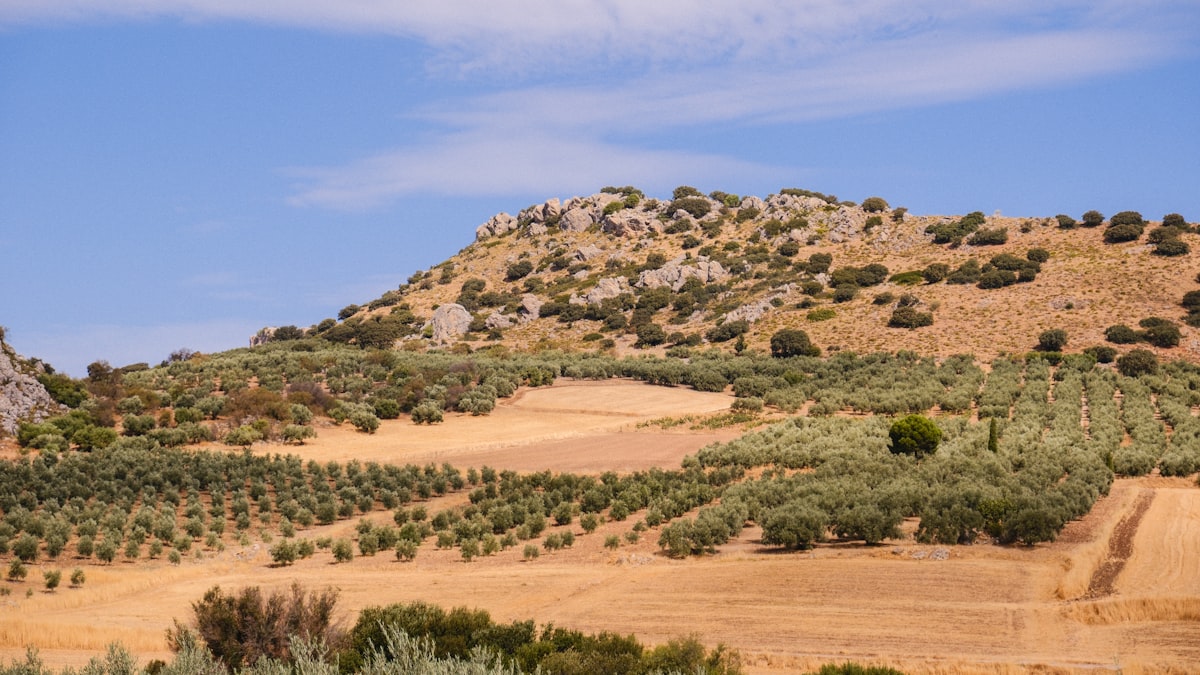
The Three Cultivars, Placed Side by Side
The numbers alone suggest a tidy hierarchy, but tasting the three together reveals something more dimensional. Sibarita carries the most restrained structure overall — the lowest acidity, and the softest interplay of bitter and pungent — yet its polyphenol count is lower than Ojiblanca's. Ojiblanca sits in the middle ground: a gentle mouthfeel and moderate polyphenol level that give it broad, everyday versatility. Picual, with the highest polyphenol count and the most forceful flavors of the three, appeals both to those who seek intensity for its own sake and to those particularly interested in the antioxidant components olive oil research has focused on.
Across the full 2025 vintage, one common thread runs through all three: every line measures well below the 0.8% acidity ceiling for extra virgin classification, and the combination of early harvesting and cold-press milling has preserved a clear, fresh green note in each. Because olive oil flavor evolves after bottling, the IOC quality guidelines recommend consuming extra virgin olive oil within 18 months of harvest.
Choosing Between Them — A Use-Case Guide
Many olive oil specialists recommend approaching the three in sequence if you are tasting them for the first time: start with the balanced Sibarita, move to the nuttier Ojiblanca, then step up to Picual's full intensity. For anyone already comfortable with assertive, grassy oils, a bottle of the 2025 Picual offers a direct measure of what this vintage delivers at its most expressive.
When the goal is to let the ingredients speak — a simply dressed salad, steamed fish, fresh ricotta — the lower-acidity, milder character of Sibarita or Ojiblanca tends to serve that purpose well. When the oil itself is meant to be the defining element of a dish, Picual's presence is unambiguous. Keeping all three in the kitchen and rotating by application is one of the most practical ways to make the most of what high-quality extra virgin olive oil can do.
Frequently asked questions
- What makes the ORO CELESTE 2025 vintage different from previous years?
- According to the International Olive Council (IOC) 2024 report, the 2024–2025 harvest season in Andalusia, southern Spain, saw below-average rainfall, producing smaller, denser fruit. This is associated with lower oil yield but higher polyphenol concentration — conditions reflected across all three ORO CELESTE 2025 lines.
- Which ORO CELESTE 2025 cultivar has the lowest acidity?
- The Sibarita records the lowest acidity of the three at 0.14%, followed by Ojiblanca at 0.16% and Picual at 0.20%. All three are well below the 0.8% ceiling that defines extra virgin grade.
- Which ORO CELESTE 2025 cultivar has the most polyphenols?
- The Picual leads with over 800 mg/kg of polyphenols. Ojiblanca follows at over 600 mg/kg, and Sibarita comes in at over 500 mg/kg. All three were produced using early-harvest and cold-press methods, which are associated with higher polyphenol retention.
- What does the peppery finish in Picual olive oil come from?
- The lingering peppery sensation characteristic of Picual is associated with oleocanthal, an antioxidant compound found in olive oil. The bitterness, meanwhile, has been reported to originate from oleuropein-class polyphenols. Both are naturally more concentrated in early-harvest oils.
- How long can I keep a bottle of ORO CELESTE 2025 before the flavor changes?
- Olive oil flavor evolves over time after bottling. The IOC quality guidelines recommend consuming extra virgin olive oil within 18 months of harvest to enjoy it at its best. Because the 2025 vintage carries pronounced fresh green notes from early harvesting, earlier consumption is particularly worthwhile.
Related reading
- Córdoba Terroir: The Soil, Altitude, and Microclimate Behind ORO CELESTE
In the inland hills of Córdoba, Andalusia, limestone soils, elevations of 400–600 m, and a rare transitional microclimate converge to shape the acidity, polyphenol concentration, and flavor profile of ORO CELESTE's extra virgin olive oils.
- ORO CELESTE Ojiblanca: Apple, Grass, and a Long Almond Finish
ORO CELESTE's Ojiblanca registers 0.16% acidity and more than 600 mg/kg polyphenols — numbers that frame a flavor profile built in three distinct layers, from green-apple aroma to a gently peppery close.
- Early Harvest in Andalusia: How November Shapes ORO CELESTE's Three Cultivars
While most producers wait for full ripeness, ORO CELESTE times three separate harvests in early November — catching Ojiblanca, Sibarita, and Picual at the narrow window when polyphenols peak and acidity is at its lowest.
- One Label, Four Rulebooks: How EVOO Standards Differ Across the EU, IOC, US, and Australia
The words "extra virgin" appear on bottles from every olive-growing country, yet the rules behind them vary in ways that matter to buyers. This guide breaks down how the IOC, EU, USDA, and Australian standards diverge on acidity, sensory evaluation, and certification.
- Reading Polyphenol Numbers on an Olive Oil Label: A Step-by-Step Comparison Guide
The mg/kg polyphenol figure printed on an extra virgin olive oil bottle is one of the most useful quality signals a label can carry — but only if you know how to read it. This guide walks through what the number means, how measurement method affects it, and what else to check alongside it.
- Cold, Room Temperature, Hot: How Olive Oil Changes at Every Stage
Olive oil solidifies in the refrigerator and thins dramatically on a hot stove. Understanding the science behind these viscosity shifts opens up a more deliberate approach to cooking with EVOO at every temperature.
Tags
- oro celeste
- 2025 vintage
- cultivar comparison
- extra virgin olive oil
- flavor profile
- early harvest