Craft
Spain by the Numbers: Varieties, Regions, and the Scale Behind the World's Largest Olive Oil Producer
Spain accounts for roughly 44 percent of global olive oil output, according to the International Olive Council — a dominance built on centuries of agricultural practice, a vast cooperative network, and more than 300 native cultivars. This guide maps the regional breakdown and variety-by-variety profile behind that figure.
Translated from the Korean edition, originally published August 20, 2026 · read the original
Why Spain Leads the Global Olive Oil Market
Any serious discussion of olive oil begins with Spain. According to an International Olive Council (IOC) report, Spain produced approximately 840,000 tonnes of olive oil in the 2022/23 season — roughly 44 percent of estimated global production of around 1.9 million tonnes. Italy followed at approximately 300,000 tonnes and Greece at roughly 250,000 tonnes, but neither comes close to Spain in volume.
The scale of Spanish production cannot be explained by favorable climate alone. Centuries of accumulated agricultural knowledge, an extensive cooperative system, and the genetic diversity of more than 300 native olive varieties all play a role. According to data from Spain's Ministry of Agriculture, Fisheries and Food (MAPA), Spain's total olive cultivation area stands at approximately 2.6 million hectares — the largest in the world.
Andalusia: The Heart of Spanish Olive Oil
Within Spain, Andalusia occupies an unrivalled position. MAPA data shows the region is responsible for around 80 percent of national olive oil output, with four provinces at the center of that production: Jaén, Córdoba, Sevilla, and Granada.
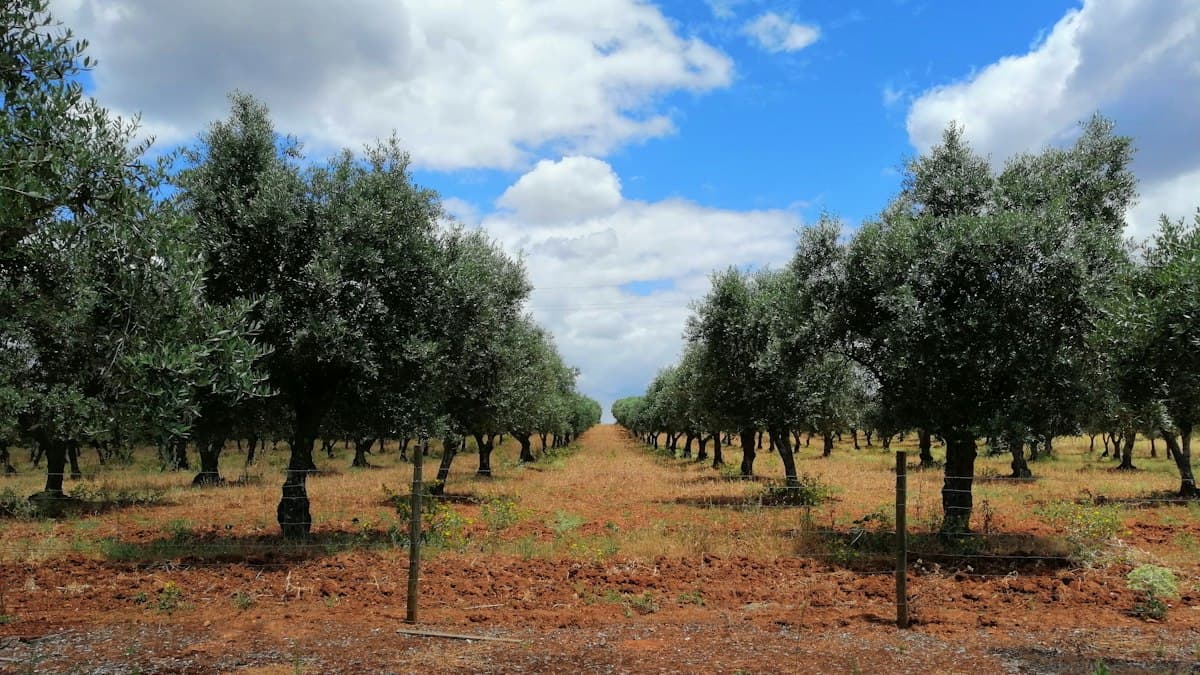
Jaén alone is widely regarded as the single largest administrative olive oil production zone in the world. According to IOC figures, the province has approximately 570,000 hectares under olive cultivation and typically accounts for 20–30 percent of Spain's entire national harvest. The sight of olive groves rolling across the province's broad hillsides has become a defining image of the region.
Beyond Andalusia, Castilla-La Mancha, Extremadura, and Catalonia are significant producing regions. Catalonia, as the home of the Arbequina cultivar, has carved out a distinct presence in the premium extra virgin market.
The Variety Map: Picual's Commanding Presence
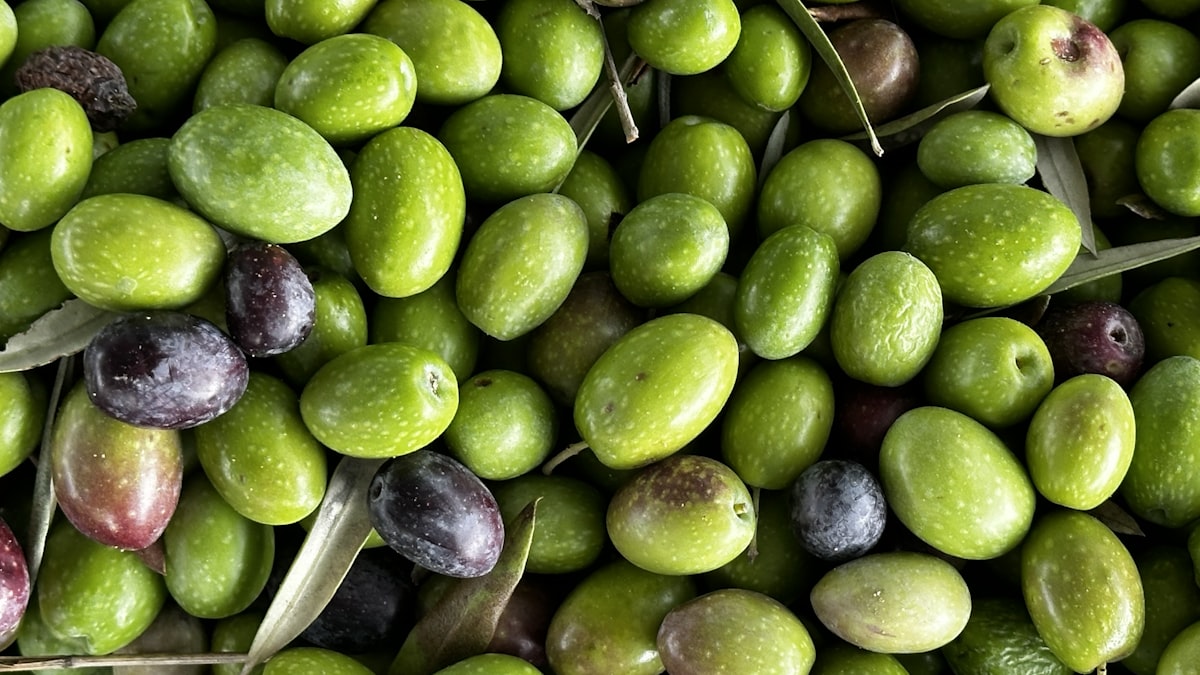
Spain's cultivar landscape is dominated by Picual. According to Spain's National Institute of Agricultural and Food Research and Technology (INIA), Picual covers approximately 50 percent of the country's total olive cultivation area, making it the single largest variety by a wide margin. Its core growing territory is eastern Andalusia, especially Jaén, where its vigorous growth habit and high oil yield make it well suited to large-scale farming.
Picual oils tend to be relatively high in polyphenols and are characterized by an intense flavor profile — typically described as green grass, tomato leaf, and fresh herbs. Their strong oxidative stability is an additional reason producers favor the variety for commercial distribution and longer shelf life.
The second cultivar to know is Hojiblanca, grown primarily in the provinces of Málaga and Córdoba. INIA data puts Hojiblanca at approximately 16 percent of Spain's total cultivation area. Its oils are noted for a rich fruit character with a well-balanced bitterness and pungency, which has made it popular in the premium extra virgin segment. Sibarita is a rarer variety centered on the Sevilla area; production volumes are small, but the cultivar is regarded by specialists for its delicate aromatics and low acidity. Arbequina originated in Catalonia but is now grown at industrial scale in Andalusia as well. Its early harvest window and suitability for mechanical picking have aligned it with the expansion of modern super-high-density orchard systems, and reports indicate its planted area has been growing steadily.
Production Swings and Climate Risk
Spain's annual olive oil output can shift dramatically from one season to the next. IOC statistics show that over the past decade Spanish production ranged from a low of approximately 630,000 tonnes in the 2017/18 season to a high of approximately 1.75 million tonnes in 2018/19. The main drivers of this volatility are the alternating bearing cycle — a natural tendency for olive trees to produce heavy and light crops in alternating years — and increasingly extreme weather events.
Observers report that summer heat and drought in Andalusia have been intensifying in recent years. A 2023 report by the World Meteorological Organization (WMO) noted that the Mediterranean basin is warming faster than the global average, and researchers say this may have direct and indirect effects on olive development. Spanish producer associations have been investing continuously in research into more drought-tolerant varieties and in more efficient irrigation technology.
DOP and IGP: Spain's Regional Quality Framework
Spain is also a global reference point for olive oil quality governance. According to European Commission data, more than 30 olive oil Protected Designation of Origin (DOP) and Protected Geographical Indication (IGP) certifications are registered in Spain — the highest number of any EU member state.
Prominent examples include Sierra Mágina in Jaén, Priego de Córdoba in Córdoba, and Les Garrigues in Catalonia. Each certification is underpinned by strict specifications covering permitted cultivars, harvesting practices, and milling standards, giving consumers a verifiable guarantee of geographic origin and production method.
A Starting Point for Understanding Spanish Olive Oil
Spain's olive oil industry extends well beyond agricultural output — it underpins regional ecosystems, cultural identity, and a significant export economy. Understanding the variety-by-variety profile and the regional structure of production is a practical first step toward choosing and appreciating Spanish oils with greater confidence. The most direct route is a side-by-side comparison: the robust intensity of Picual, the balanced elegance of Hojiblanca, and the gentle fruitiness of Arbequina each offer a genuinely different experience in the glass.
Frequently asked questions
- How much of the world's olive oil does Spain produce?
- According to the International Olive Council (IOC), Spain produced approximately 840,000 tonnes of olive oil in the 2022/23 season, representing about 44 percent of estimated global output of roughly 1.9 million tonnes that year. Italy and Greece are the next largest producers, but at roughly 300,000 and 250,000 tonnes respectively, the gap is substantial.
- Which region of Spain produces the most olive oil?
- Andalusia accounts for around 80 percent of Spain's total olive oil production, according to Spain's Ministry of Agriculture, Fisheries and Food (MAPA). Within Andalusia, the province of Jaén is considered the single largest administrative olive oil production zone in the world, with approximately 570,000 hectares under cultivation and a share of 20–30 percent of Spain's national output, per IOC figures.
- What is the most widely grown olive variety in Spain?
- Picual is by far the dominant cultivar. According to Spain's National Institute of Agricultural and Food Research and Technology (INIA), Picual covers roughly 50 percent of Spain's total olive cultivation area. It is concentrated mainly in eastern Andalusia, particularly Jaén, and is prized for its high oil yield, strong oxidative stability, and intense flavor profile of green grass, tomato, and herbs.
- Why does Spain's olive oil production vary so much from year to year?
- Two main factors drive the variability. First, olive trees naturally alternate between high- and low-yield years — a phenomenon known as alternating bearing. Second, climate events such as summer heat waves and drought increasingly affect harvests. IOC statistics show Spain's annual output has ranged from a low of approximately 630,000 tonnes in the 2017/18 season to a high of approximately 1.75 million tonnes in 2018/19. A 2023 World Meteorological Organization report noted that the Mediterranean basin is warming faster than the global average, which researchers say may have direct and indirect effects on olive growing.
- How many DOP certifications does Spain have for olive oil?
- According to European Commission data, Spain has more than 30 registered Protected Designation of Origin (DOP) and Protected Geographical Indication (IGP) certifications for olive oil — the highest count of any EU member state. Well-known examples include Sierra Mágina and Priego de Córdoba in Andalusia, and Les Garrigues in Catalonia. Each certification sets strict requirements covering permitted cultivars, harvesting methods, and milling standards.
Related reading
- Spain's Top EVOO Estates: A Guide to the Names That Keep Winning
Not all single-estate Spanish olive oils occupy the same tier. From Jaén and Granada to the Tabernas Desert and Extremadura, this guide maps the Spanish houses that international competition judges and critic guides return to year after year.
- One Farm, Three Cultivars: The Córdoba Origin of ORO CELESTE
On a single estate in Córdoba, Andalusia, ORO CELESTE presses Ojiblanca, Sibarita, and Picual olives within 24 hours of harvest — capturing the terroir of one of Spain's most storied olive-growing regions in every bottle.
- Reading Polyphenol Numbers on an Olive Oil Label: A Step-by-Step Comparison Guide
The mg/kg polyphenol figure printed on an extra virgin olive oil bottle is one of the most useful quality signals a label can carry — but only if you know how to read it. This guide walks through what the number means, how measurement method affects it, and what else to check alongside it.
- Mapping the Global Olive Oil Trade: Exporters, Importers, and the Re-Export Layer in Between
Oil pressed in Spain reaches American supermarket shelves in bottles labeled Italy — a journey that reveals the layered re-export structure sitting between producer nations and end consumers. This guide traces that flow using IOC trade data.
- Cold Press, First Press, Centrifuge: Decoding the Extraction Claims on Olive Oil Labels
Three terms appear on nearly every bottle of quality olive oil, yet few buyers know which ones carry legal weight and which are historical relics. This guide unpacks what cold press, first press, and centrifuge extraction actually mean — and where EU regulation draws the line.
- Picual, Arbequina, Coratina, Moraiolo: A Cultivar Guide to Olive Oil Flavor
Flavor in extra virgin olive oil begins with the olive itself. This guide breaks down the origins, sensory profiles, polyphenol levels, and best uses of four cultivars that dominate the premium EVOO market.