Guides
Eating for Your Eyes: A Dietary Guide to Olive Oil and Eye Health
As screen time climbs and interest in macular and dry-eye health grows, researchers are examining how the fat-soluble nutrients and polyphenols in extra virgin olive oil may contribute to a diet that supports long-term eye health.
Translated from the Korean edition, originally published June 20, 2026 · read the original

Why Eye-Health Diets Are Getting More Attention
Longer hours in front of screens have sharpened interest in macular function and eye fatigue. According to World Health Organization data, a significant share of the global population affected by visual impairment has been reported to have connections to nutritional imbalance, and age-related macular degeneration and cataracts are consistently cited as growing concerns among middle-aged and older adults. Against that backdrop, the Mediterranean diet — and extra virgin olive oil at its center — has emerged as a focus of eye-health dietary research.
The eye is among the most metabolically active organs in the body and is considered particularly vulnerable to oxidative stress. A growing body of research suggests that a sustained dietary pattern rich in antioxidant-dense foods may contribute to reducing the oxidative burden on ocular tissue, and olive oil has become a recurring element in that discussion.
Why Extra Virgin Olive Oil Stands Out in Eye-Health Diets
Extra virgin olive oil's relevance to eye-health nutrition can be examined from three angles.
First, it acts as a carrier that improves the absorption of fat-soluble antioxidant nutrients. Lutein and zeaxanthin — the carotenoids most frequently mentioned in relation to macular health — are fat-soluble. A study published in the American Journal of Clinical Nutrition reported that lutein bioavailability increases meaningfully when consumed alongside a healthy fat such as olive oil. This is the reason that pairing lutein-rich vegetables like kale, spinach, and broccoli with olive oil — whether in cooking or as a dressing — is widely recommended.
Second, its vitamin E content. Extra virgin olive oil contains tocopherols, the natural form of vitamin E. Vitamin E has been reported to contribute to protecting retinal cells from oxidative damage, and research has noted that it may help stabilise the lipid membranes of photoreceptor cells within the macula.
Third, its polyphenols, including oleocanthal. Oleocanthal and oleuropein, two of the signature polyphenols in extra virgin olive oil, are associated with anti-inflammatory activity. The European Food Safety Authority (EFSA) has recognised a health claim stating that a daily intake of 20 g of extra virgin olive oil contributes to the protection of blood lipids from oxidative stress. Researchers have discussed whether this same antioxidant mechanism may have an indirect bearing on the vascular health of the eye, though the evidence is still accumulating.
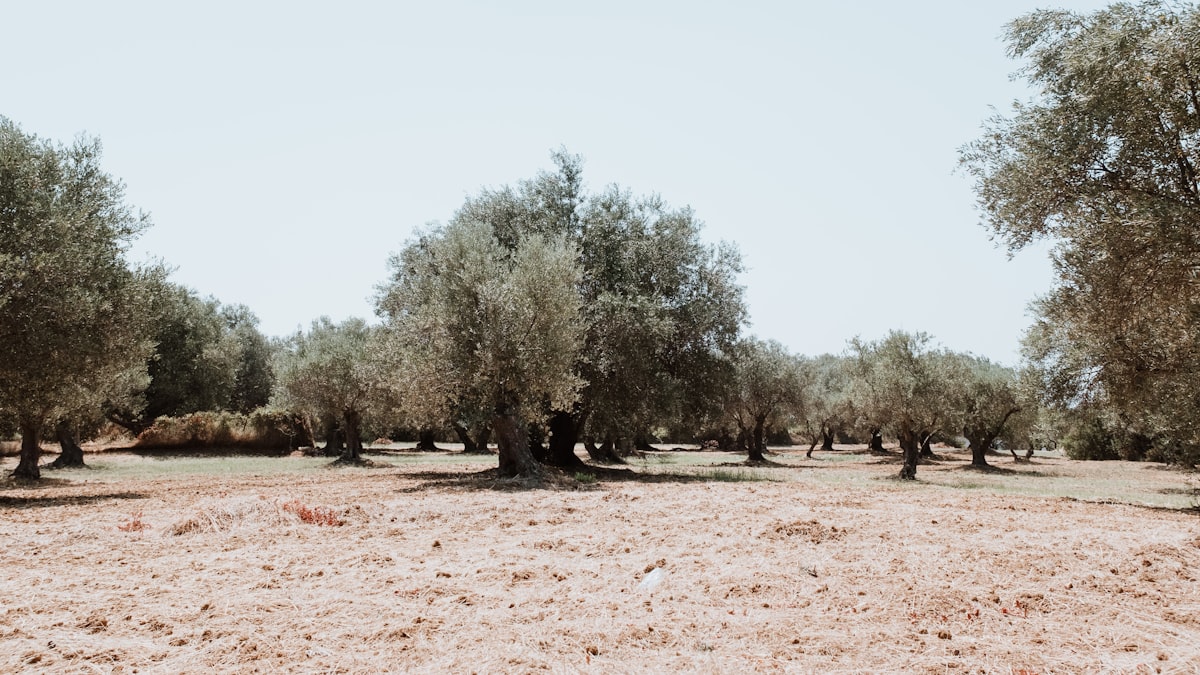
Building a Mediterranean Plate with Eye Health in Mind
Olive oil contributes most when it works alongside other ingredients to raise the overall nutritional density of a meal. A Mediterranean diet structured with eye health in mind typically centres on the following.
A vegetable-forward plate. Dark leafy greens high in lutein and zeaxanthin — kale, spinach, rocket — and orange and yellow vegetables such as sweet peppers, corn, and squash are generally recommended at least three times a week. Using extra virgin olive oil as a dressing or a low-heat cooking fat helps the body absorb the fat-soluble carotenoids they contain.
Oily fish as a regular companion. DHA, found in abundance in mackerel, sardines, and salmon, is a primary structural component of retinal photoreceptors. Dietary guidelines from the European Society of Cardiology (ESC) have reported a positive association between consuming oily fish at least twice a week alongside an olive-oil-centred diet and overall cardiovascular and metabolic health.
Nuts and eggs. Almonds and walnuts provide vitamin E and zinc, while egg yolks are recognised as concentrated sources of lutein and zeaxanthin. Research has noted that the lutein in egg yolks exists in a form that is absorbed with particular efficiency.
Temperature management during cooking. Keeping cooking temperatures at or below 170–180 °C minimises polyphenol loss in extra virgin olive oil. Low-heat sautéing, dressings, and marinades align better with the goals of an eye-health diet than high-heat frying.
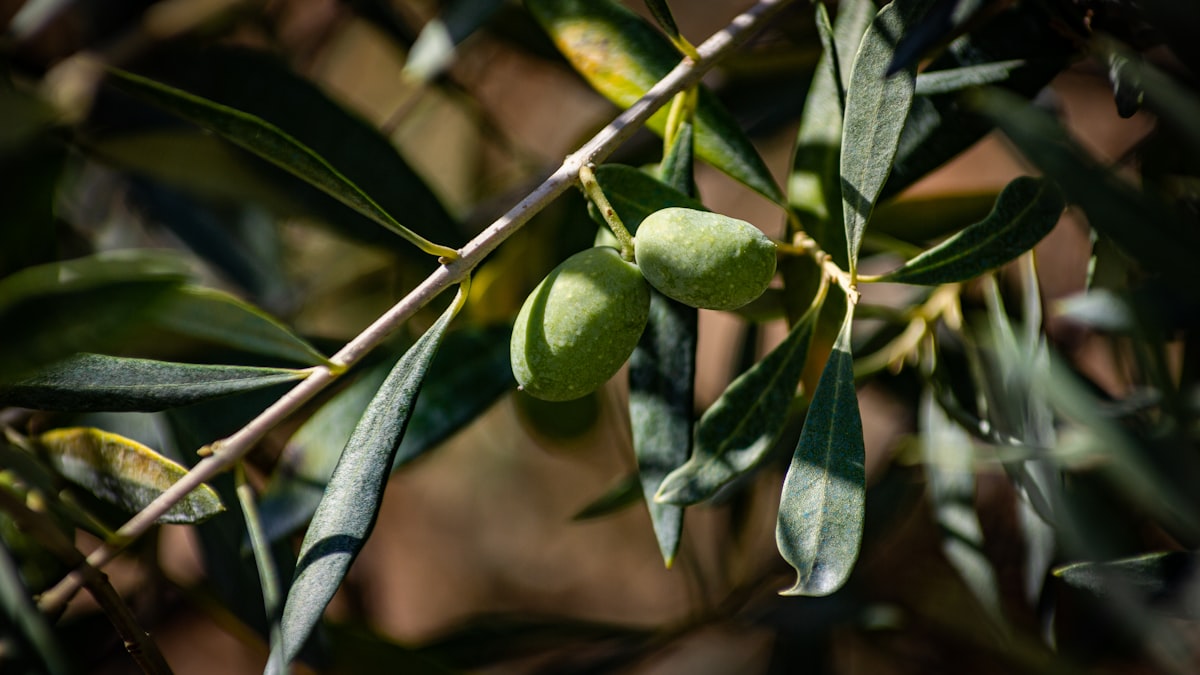
Polyphenol Levels and Cultivar Choice
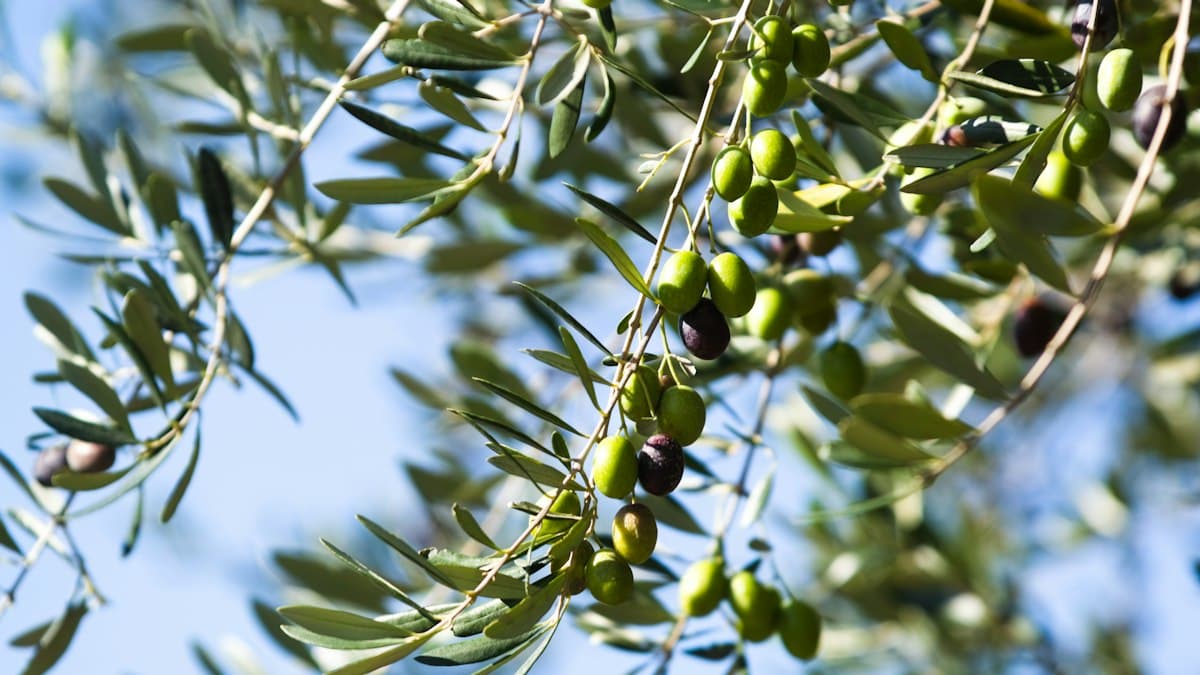
Not all olive oils carry the same polyphenol load. Harvest timing, cultivar, milling method, and storage conditions all influence polyphenol concentration significantly. According to the International Olive Council (IOC), extra virgin olive oils produced from early-harvested, unripe olives can contain several times more polyphenols than oils pressed from fully ripe fruit.
On the cultivar side, Spanish-origin varieties such as Picual and Ojiblanca are frequently noted for relatively high polyphenol content. When constructing a diet with eye health as a consideration, checking for a declared polyphenol count or Total Phenol Index (TPI) on the label before purchasing can be a useful habit.
A Practical Daily Routine for an Eye-Health Diet
Dietary change delivers the most meaningful results when approached as a sustained habit rather than a short-term intervention. A follow-up analysis of the AREDS2 study, published in the journal Ophthalmology, observed that participants who scored higher on Mediterranean diet adherence tended to show a lower likelihood of progression to intermediate age-related macular degeneration. It is too early to conclude that diet prevents or treats all eye conditions, and regular eye examinations remain an essential complement to any dietary strategy.
Incorporating one to two tablespoons of extra virgin olive oil daily — as a salad dressing or a cooking fat — alongside a consistent intake of lutein-rich vegetables represents a small, practical shift that is associated with building the long-term nutritional foundation that researchers describe in the context of eye-health diets.
Frequently asked questions
- Does olive oil help with eye health?
- Extra virgin olive oil is associated with eye-health diets primarily because dietary fat helps the body absorb fat-soluble carotenoids such as lutein and zeaxanthin. Research published in the American Journal of Clinical Nutrition reported that lutein absorption increases meaningfully when consumed alongside healthy fats like olive oil. It is too early to conclude that olive oil alone prevents or treats any eye condition.
- What nutrients in olive oil are relevant to eye health?
- Three are most discussed in the research literature: olive oil's role as a carrier fat that raises the bioavailability of lutein and zeaxanthin; its tocopherol (vitamin E) content, which is reported to contribute to protecting retinal cell membranes from oxidative damage; and polyphenols such as oleocanthal and oleuropein, which are associated with anti-inflammatory activity.
- How does the Mediterranean diet relate to macular health?
- A follow-up analysis of the AREDS2 study, published in the journal Ophthalmology, observed that participants with higher Mediterranean diet scores tended to show a lower rate of progression to intermediate age-related macular degeneration. The authors noted that it is too early to conclude that diet prevents or reverses macular disease, and regular eye examinations remain essential.
- Which olive oil cultivars have the highest polyphenol content?
- Polyphenol levels vary with harvest timing, cultivar, milling method, and storage conditions. According to the International Olive Council (IOC), extra virgin olive oils pressed from early-harvested (unripe) olives can contain several times more polyphenols than oils from fully ripe fruit. Spanish cultivars such as Picual and Ojiblanca are frequently noted in the literature for relatively high polyphenol concentrations. Products that display a total polyphenol count or Total Phenol Index (TPI) make comparison easier.
- What is the best cooking temperature for preserving olive oil's polyphenols?
- Keeping the cooking temperature at or below 170–180 °C is generally recommended to minimise polyphenol loss in extra virgin olive oil. Low-heat sautéing, salad dressings, and marinades are preferable to high-heat stir-frying when the goal is to retain the oil's active compounds.
Related reading
- Does Olive Oil You Eat Reach Your Skin? A Clinical Research Roundup
A growing body of clinical research is examining whether regular dietary intake of olive oil is associated with measurable changes in skin hydration and elasticity. This guide summarizes the current evidence, its limits, and how the findings sit within the broader context of Mediterranean eating patterns.
- Senescent Cells, Senolytics, and the Question of Olive Oil Polyphenols
The senolytic diet hypothesis has drawn attention to plant polyphenols as potential allies against aging cells. This guide maps where extra virgin olive oil's oleocanthal and related phenolic compounds currently sit in that research — and what the evidence cannot yet support.
- Olive Oil, Antioxidants, and Fatigue: A Guide to the Emerging Clinical Research
Extra virgin olive oil is drawing growing attention in oxidative stress and chronic fatigue research, with its polyphenols and oleic acid studied for potential roles in cellular energy metabolism. Here is what the current clinical evidence actually shows.
- Bone Health on the Table: What the Osteoblast and Calcitriol Research Says About Olive Oil
From oleic acid's reported role in osteoblast differentiation to calcitriol absorption and polyphenol activity, a growing body of cell and animal research links extra virgin olive oil to bone metabolism — though the clinical picture is still forming.
- Olive Oil and Inflammation: What Two Decades of Research Have Found
From oleocanthal's proposed COX-inhibiting mechanism to EFSA's conditional polyphenol claim, this guide traces what peer-reviewed research has — and has not — established about EVOO's role in an anti-inflammatory diet.
- Olive Oil, Cortisol, and Dietary Fat: Where the Research Actually Stands
Chronic stress and elevated cortisol have become defining health concerns of our time. A growing body of research is examining whether the type of dietary fat we consume — extra virgin olive oil in particular — may be linked to how the body regulates its stress response.
Tags
- eye health
- extra virgin olive oil
- mediterranean diet
- lutein
- polyphenols