Guides
Olive Oil and Kidney Health: Where Mediterranean Diet Research Stands Today
The kidneys filter roughly 180 litres of blood every day yet rarely signal distress until damage is already advanced. Researchers studying the Mediterranean diet are now examining whether extra virgin olive oil's fatty-acid profile and polyphenols are associated with markers relevant to kidney function.
Translated from the Korean edition, originally published June 19, 2026 · read the original

Kidneys and the Misunderstood Role of Dietary Fat
The kidneys filter approximately 180 litres of blood every day, excreting waste products and excess electrolytes in urine with remarkable precision. Because they rarely produce obvious symptoms when under stress, they are sometimes called a "silent organ" — by the time significant functional decline becomes apparent, a considerable degree of damage may already have occurred. This dynamic has driven growing interest in preventive dietary management.
Dietary fat has long been mischaracterised as a burden on kidney health. Research is increasingly reporting, however, that the type of fat matters. The monounsaturated fatty acid oleic acid, which predominates in extra virgin olive oil (EVOO), along with the oil's polyphenol antioxidants, is thought to be involved in several physiological pathways relevant to kidney function.
Where Mediterranean Diet Research Points
The Mediterranean diet uses olive oil as its principal fat source and is built around vegetables, legumes, whole grains, and fish. According to a large cohort analysis published in the Journal of the American Society of Nephrology (JASN) in 2020, higher adherence to the Mediterranean diet was associated with a lower observed incidence of chronic kidney disease (CKD). The research team suggested that part of this association may relate to the qualitative composition of dietary fat — specifically the proportion of olive oil consumed.
A systematic review published in the journal Nutrients in 2022 further reported that oleic acid and polyphenol compounds in olive oil may influence biomarkers associated with oxidative stress and inflammation. The authors were careful to note, however, that it is too early to conclude a direct causal relationship with kidney function.
The Role of Polyphenols and Oleocanthal
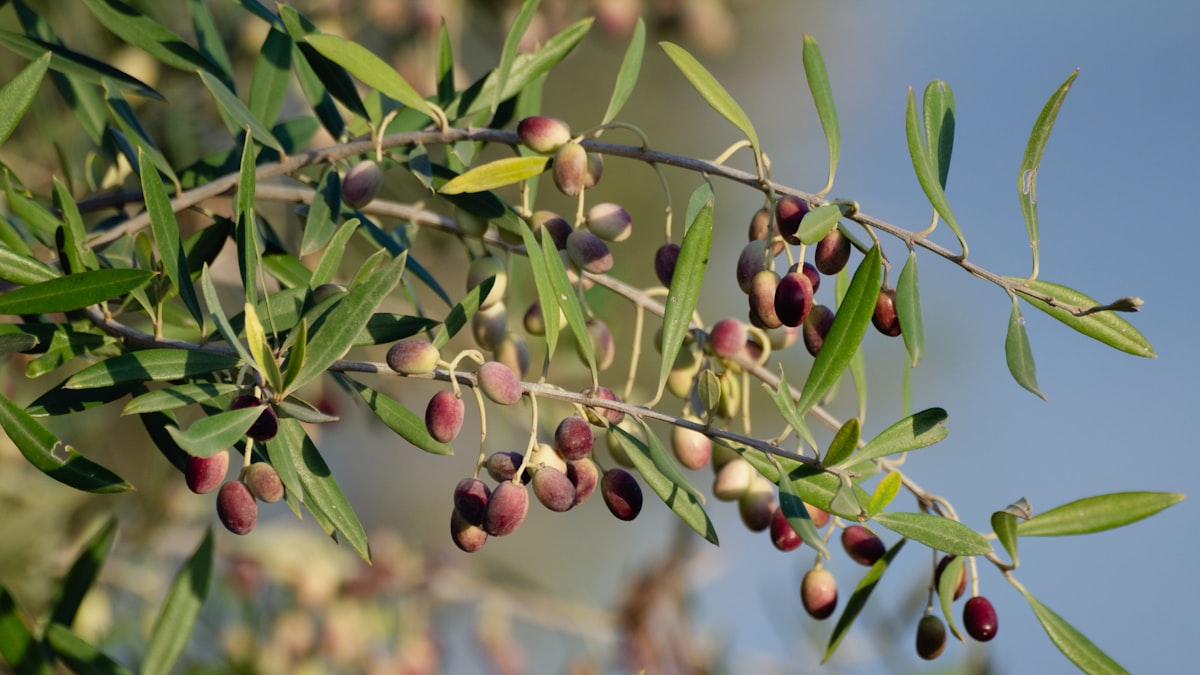
Extra virgin olive oil contains polyphenols including hydroxytyrosol, oleocanthal, and oleuropein, all of which are noted for their antioxidant properties. According to an animal study published in Free Radical Biology and Medicine in 2021, hydroxytyrosol may be involved in reducing oxidative damage to kidney cells. The researchers acknowledged that animal findings cannot be applied directly to humans, and that further clinical studies are needed.
Oleocanthal is known to share structural characteristics with ibuprofen and has been reported to influence certain inflammatory signalling pathways. Because chronic low-grade inflammation is thought to be associated with declining kidney function, related research is ongoing. It is important to understand this in the context of everyday dietary patterns rather than as a pharmacological claim.
Polyphenol content varies considerably depending on cultivar, harvest timing, and processing method. High-quality extra virgin olive oils produced by cold extraction shortly after harvest tend to preserve higher polyphenol concentrations.
Balancing Dietary Fatty Acids for Kidney Health
Oleic acid, the primary fatty acid in olive oil and a monounsaturated fat (MUFA), has been reported to have a more favourable effect on blood lipid profiles than saturated or trans fats. A review published in the Journal of Renal Nutrition in 2019 suggested that fat quality may contribute to broader nutritional management strategies for people with CKD. The authors noted, however, that patients with already-reduced kidney function should coordinate any dietary approach with their clinical team.
In kidney-conscious eating, controlling intake of sodium, phosphorus, potassium, and protein is widely considered central. Olive oil contains negligible amounts of all four, which means it can potentially serve as an energy source within a kidney-friendly dietary pattern — though the appropriate quantity remains an individual matter to be determined with a healthcare provider.
Limitations of the Research and the Road Ahead
The studies published to date present intriguing associations between olive oil and markers relevant to kidney health, but most are observational in design, short-term interventions, or based on animal models. Long-term randomised controlled trials (RCTs) directly demonstrating improvements in kidney function remain limited, making definitive conclusions premature at this stage.
Researchers consistently emphasise the importance of the overall dietary pattern rather than the effects of any individual food. The most consistent finding across the literature is that olive oil consumed within the full framework of the Mediterranean diet — alongside vegetables, whole grains, and fish — shows a more meaningful association with systemic health, including kidney-related markers, than olive oil considered in isolation.
Olive oil is a well-regarded choice among dietary fats, but it cannot be characterised as a means of preventing or treating any specific condition. For those interested in supporting kidney health through diet, a balanced eating pattern that includes olive oil, combined with regular kidney function screening, is the approach most consistently recommended in the literature.
Frequently asked questions
- Can olive oil help protect kidney function?
- Current research suggests an association between higher adherence to the Mediterranean diet — with olive oil as its primary fat source — and a lower observed rate of chronic kidney disease, according to a large cohort analysis published in the Journal of the American Society of Nephrology in 2020. However, researchers caution that it is too early to conclude a direct causal relationship, and no food should be treated as a substitute for medical care.
- Why is extra virgin olive oil considered kidney-friendly compared with other fats?
- Extra virgin olive oil is low in sodium, phosphorus, potassium, and protein — the four dietary components typically restricted in kidney-conscious eating plans. Its predominant fatty acid, oleic acid (a monounsaturated fat), has been reported to have a more favourable effect on blood lipid profiles than saturated or trans fats. A 2019 review in the Journal of Renal Nutrition suggested that fat quality may contribute to overall nutritional management strategies for people with chronic kidney disease, though individual needs should always be discussed with a clinician.
- What do polyphenols in olive oil have to do with kidneys?
- A systematic review published in the journal Nutrients in 2022 reported that oleic acid and polyphenols found in olive oil — including hydroxytyrosol, oleocanthal, and oleuropein — may influence biomarkers related to oxidative stress and inflammation. A 2021 animal study in Free Radical Biology and Medicine further reported that hydroxytyrosol may be involved in reducing oxidative damage to kidney cells, though the researchers noted that animal findings cannot be directly extrapolated to humans without additional clinical trials.
- Does polyphenol content vary between different bottles of olive oil?
- Yes, significantly. Polyphenol levels in extra virgin olive oil depend on the cultivar, harvest timing, and processing method. Oils produced by cold extraction shortly after harvest tend to retain higher polyphenol concentrations. This means two bottles labelled 'extra virgin' can differ considerably in their polyphenol content.
- Should someone with kidney disease add more olive oil to their diet?
- The research to date is largely observational, short-term, or based on animal models — long-term randomised controlled trials directly demonstrating improvements in kidney function remain limited. Researchers consistently emphasise overall dietary patterns over any single food. Anyone with existing kidney disease should coordinate all dietary changes, including fat intake, with their medical team before making adjustments.
Related reading
- Olive Oil, Cortisol, and Dietary Fat: Where the Research Actually Stands
Chronic stress and elevated cortisol have become defining health concerns of our time. A growing body of research is examining whether the type of dietary fat we consume — extra virgin olive oil in particular — may be linked to how the body regulates its stress response.
- Menopause, Dietary Fat, and EVOO: A Guide to the Growing Research
As estrogen levels decline during menopause, the quality of dietary fat may play a meaningful role in everyday wellbeing. EVOO research in this area is expanding — here is what the evidence currently shows.
- Bone Density Around Menopause: What Clinical Research Says About Olive Oil
As estrogen levels fall, bone resorption accelerates — and researchers have begun asking whether the quality of dietary fat plays a role. A look at the clinical and nutritional-epidemiology evidence linking extra virgin olive oil to bone metabolism around menopause.
- Dietary Fat, Magnesium, and the Mediterranean Table: What the Research Shows So Far
Evidence is accumulating that the type of dietary fat consumed alongside magnesium-rich foods may influence how well that mineral is absorbed. This guide surveys current research on olive oil, fatty acid composition, and mineral metabolism.
- Beyond BMI: Dietary Fat Quality, Olive Oil, and Metabolic Health Research
Two people can share the same BMI and yet show markedly different blood lipid profiles, insulin sensitivity, and visceral fat distribution. A growing body of clinical research suggests that the type of fat consumed — not just total calories — may be a meaningful variable in metabolic health.
- Does Olive Oil You Eat Reach Your Skin? A Clinical Research Roundup
A growing body of clinical research is examining whether regular dietary intake of olive oil is associated with measurable changes in skin hydration and elasticity. This guide summarizes the current evidence, its limits, and how the findings sit within the broader context of Mediterranean eating patterns.