Guides
EVOO Gift Sets by Price: A Buyer's Guide for Any Occasion
Choosing an olive oil gift set is harder than it looks when the packaging hides the quality. This guide breaks down what to check on the label and which price tier delivers what.
Translated from the Korean edition, originally published July 1, 2026 · read the original

Why Olive Oil Has Become a Go-To Gift
Demand for health-conscious gifts has grown steadily across major gifting seasons, and extra virgin olive oil has moved near the centre of that shift. According to a processed-food market segment report by the Korea Agro-Fisheries and Food Trade Corporation (aT), the domestic olive oil category recorded double-digit average annual growth over recent years, making it the fastest-expanding segment within edible oils. Industry observers have noted a clear trend of consumers replacing traditional sesame- or perilla-oil gift sets with EVOO alternatives as interest in healthy eating has risen.
As a gift, olive oil has several practical advantages. It stores at room temperature, suits almost any diet, and arrives in bottles or tins whose visual weight makes for a polished presentation. Perhaps most importantly, the idea of olive oil as a quality ingredient is already widely understood across age groups, so there is little risk of it missing the mark.
Three Label Checks Before You Buy
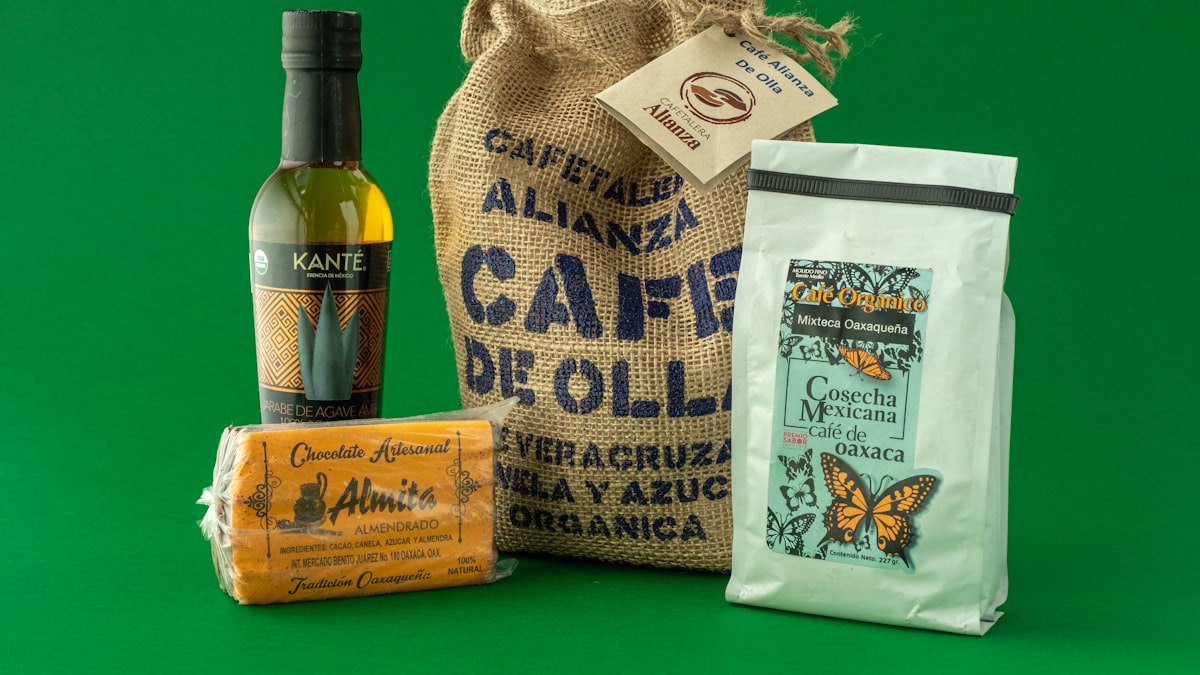
The outer packaging of an olive oil gift set tells you very little about what is inside. Three figures on the label do the real work.
First, free acidity. According to the International Olive Council (IOC), extra virgin olive oil must register a free fatty acid content of 0.8% or below. A lower number reflects both the freshness of the source olives and the hygiene standards of the mill. As a practical benchmark, 0.3% or under is considered good; 0.2% or under places an oil in the top tier.
Second, polyphenol content. These are the natural antioxidant compounds that give EVOO its characteristic bitterness and peppery finish, expressed in mg/kg (equivalent to ppm). The European Food Safety Authority (EFSA) has reported that olive oil polyphenols—specifically hydroxytyrosol and its derivatives—may contribute to the protection of blood LDL from oxidation when at least 5 mg is supplied per 20 g of oil consumed daily. That finding was established under specific study conditions and individual results may vary depending on overall diet.
Third, harvest year and bottling date. Olive oil is generally recommended for consumption within 18–24 months of harvest. Because gift sets can spend more time in distribution than standard retail stock, checking the harvest date or bottling date on the label is especially important.
A Guide to Each Price Tier
Entry Level — An Accessible, Thoughtful Gesture
Entry-level gift sets typically combine a single 500 ml bottle of mid-range Spanish or Italian EVOO with modest gift-box packaging. To keep costs down, these sets usually feature blended oils drawn from multiple cultivars, and most fall in the 0.5–0.8% acidity range. Polyphenol figures are often not printed on the label at this tier. These sets work well for colleagues or acquaintances—an easy, good-natured introduction rather than a statement gift.
Mid-Range — Single-Varietal Character
From this price point upward, single-varietal oils begin to appear. Cultivars such as Picual, Arbequina, Koroneiki, and Ojiblanca each carry distinct flavor profiles, and recipients who already cook with olive oil tend to respond particularly well to sets that let them compare. Target products with acidity at or below 0.3% and polyphenols at or above 300 mg/kg to secure solid mid-range quality. Formats like a 500 ml bottle paired with a 250 ml bottle, or curated food bundles including olive pickles or herb salts, are common at this tier.
Premium Tier — Certified Origin, Careful Production
At this level, Spanish DOP (Denominación de Origen Protegida) and Italian IGP (Indicazione Geografica Protetta) certified oils take center stage. Many are produced via cold-press or early-harvest methods, which pushes polyphenol levels into the 400–600 mg/kg range. Presentation typically moves to dark glass bottles or metal tins that inhibit oxidation while lending the set a considered, design-led feel. This tier suits gifts for parents, a senior colleague, or a close friend where the intention is to communicate genuine care.
Top Tier — Limited Batches and Verified Excellence
At the highest price point, the headliners are limited-batch releases from producers with competition records, or clearly vintage-dated single-varietal oils where every production variable is documented. Awards from internationally recognized competitions—DLG (Germany), NYIOOC (New York), and LAOO (Los Angeles)—offer independently verified quality signals that add to the gift's credibility. Acidity at or below 0.2% and polyphenol content at or above 600 mg/kg are achievable at this tier. Wooden-box packaging, ribbon finishes, and the full unboxing experience make these sets equally appropriate for milestone occasions.
Matching the Set to the Recipient
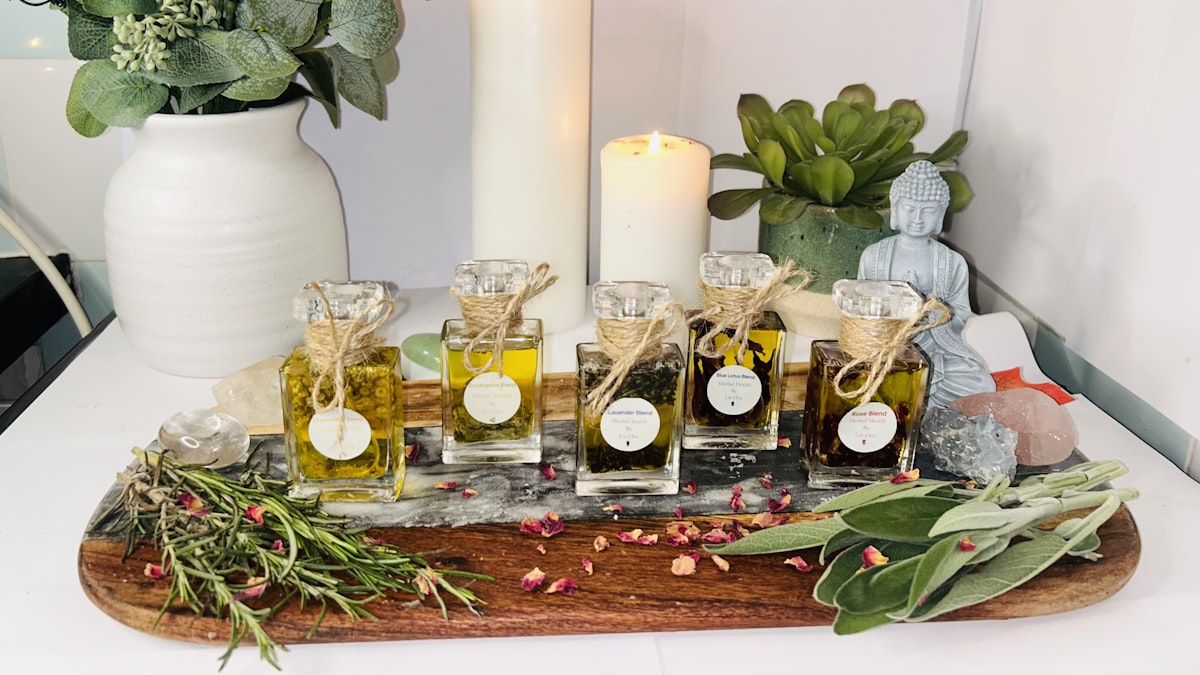
The best gift is the one that fits the person receiving it. A few practical scenarios:
For someone who loves to cook: A set of two or three single-varietal oils in smaller volumes (250 ml or less) is ideal. The sharp green-grass intensity of Picual, the soft buttery nuance of Arbequina, and the delicate almond note of Ojiblanca each behave differently in the kitchen—having all three to compare is genuinely useful.
For someone focused on health: Prioritize products where both acidity and polyphenol content are printed on the label. Numeric transparency is itself a mark of producer confidence, and it makes explaining the gift straightforward.
For someone new to olive oil: A single mid-size bottle paired with a printed recipe card lowers the barrier to use. A mild blend or a soft-character cultivar like Arbequina makes a better first impression than an intensely peppery early-harvest oil.
A Final Checklist Before You Commit
Running through five questions before finalizing a gift set significantly reduces the chance of disappointment. First, does the label clearly state "Extra Virgin"? Second, is the acidity figure printed? Third, is a harvest year or bottling date shown? Fourth, is polyphenol content listed on the label or the product detail page? Fifth, is the container a dark glass bottle or a metal tin rather than clear glass? Light-blocking packaging slows oxidation and is a basic sign that the producer takes shelf life seriously. A set that answers yes to all five is likely to satisfy any recipient, regardless of which price tier it sits in.
Frequently asked questions
- What acidity level should an EVOO gift set have?
- According to the International Olive Council (IOC), extra virgin olive oil must have a free acidity of 0.8% or below. For a gift, look for 0.3% or under as a marker of above-average quality, and 0.2% or under for top-tier oils.
- How much do polyphenols matter in an olive oil gift?
- Polyphenols are the natural antioxidant compounds responsible for EVOO's characteristic bitterness and pepperiness. The European Food Safety Authority (EFSA) has reported that olive oil polyphenols—specifically hydroxytyrosol and its derivatives—may contribute to the protection of blood LDL from oxidation when at least 5 mg is consumed per 20 g of oil daily. That corresponds roughly to oils above 250 mg/kg. Mid-range and premium gift sets often list polyphenol content on the label or product page; its presence is itself a sign of producer confidence.
- How do I check whether an olive oil gift set is still fresh?
- Look for a harvest date or bottling date on the label. Olive oil is generally recommended for consumption within 18–24 months of harvest. Gift sets can sit in distribution longer than single bottles, so this check matters more, not less, when buying for a gift.
- What is the difference between a single-varietal and a blended EVOO gift set?
- A blended oil combines multiple cultivars—often for consistency and cost efficiency. A single-varietal (monovarietal) oil is pressed from one cultivar, such as Picual, Arbequina, or Ojiblanca, and expresses the distinct flavor character of that variety. Single-varietal sets typically appear from the mid-price tier upward and are especially well received by recipients who already cook with olive oil.
- Does a competition award on the label mean the olive oil is actually better?
- Awards from established international competitions—DLG (Germany), NYIOOC (New York), and LAOO (Los Angeles) among the most cited—indicate that the oil was evaluated by trained panels and met documented quality thresholds. They are a useful independent signal, particularly in premium-tier gift sets where the price demands some form of external validation. Awards do not guarantee a specific acidity or polyphenol figure, so checking those numbers separately is still worthwhile.
Related reading
- Spain's Top EVOO Estates: A Guide to the Names That Keep Winning
Not all single-estate Spanish olive oils occupy the same tier. From Jaén and Granada to the Tabernas Desert and Extremadura, this guide maps the Spanish houses that international competition judges and critic guides return to year after year.
- Organic EVOO Certifications Decoded: Euro-leaf, USDA, and Demeter
Three certification marks — the EU Euro-leaf, USDA Organic, and Demeter — divide the organic EVOO shelf into meaningfully different tiers. Understanding what each one actually requires makes it far easier to judge whether the premium is worth paying.
- Tunisia's Olive Oil Is No Longer Just a Bulk Story
Tunisia has reclaimed its position as the world's second-largest EVOO producer and is steadily expanding single-cultivar labelling — a shift that is reframing a country long associated with anonymous bulk supply.
- EVOO Medal Labels: How the Three Major Awards Actually Work
Gold and silver medal stickers appear on many EVOO bottles, but the contests behind them differ significantly in scale, methodology, and what a win really signals. Here is how NYIOOC, Olive Japan, and World's Best Olive Oils each operate—and how to read what those labels mean at the shelf.
- Premium EVOO at Every Price Point: A Global Farm Map
Within the global premium EVOO tier, estates cluster around a consistent set of signals — single origin, single cultivar, and published lab results. This guide charts the farms and labels that define that space, from Andalusia to California.
- Supermarket Shelf Science: How Light and Position Degrade Your Olive Oil
A transparent bottle under fluorescent lighting can accelerate rancidity in extra virgin olive oil within a matter of weeks. Here is what every shopper should understand about how light, heat, and shelf position quietly alter polyphenol levels and acidity before the bottle even reaches home.