Guides
Exchange Rates, Tariffs, and Harvest Seasons: The Forces Behind Every EVOO Price Tag
The price of a bottle of extra virgin olive oil is shaped by three interlocking variables: currency exchange rates, import tariffs, and the olive harvest season. This guide unpacks each factor so readers can make more informed buying decisions.
Translated from the Korean edition, originally published July 1, 2026 · read the original
What Goes Into the Price of a Single Bottle
The price tag on a bottle of extra virgin olive oil (EVOO) carries more information than it might appear to. From the moment olives are harvested in Spain, Italy, or Greece, pressed into oil, bottled, and shipped to a retail shelf, a series of forces push that price up or pull it down. Three variables do most of the work: currency exchange rates, import tariffs, and the olive harvest season. Understanding how they interact is the first step toward reading a price tag with real insight.
Exchange Rates — The Variable Consumers Feel Most Directly
Spanish olive oil is traded in euros. When an importer pays a European supplier, every movement in the won-to-euro rate changes the actual cost of bringing oil into the country. The weaker the won, the more local currency is needed to buy the same volume. According to Bank of Korea foreign-exchange statistics, the won-euro rate climbed by nearly 15 percent during the second half of 2022 compared with the start of that year, adding significant pressure to food import costs across the board.
Importers rarely reprice immediately. More commonly, they absorb the movement until current stock is depleted and a new shipment must be ordered — typically three to six months later. That is why consumers often experience shelf price increases well after a currency depreciation makes the news, rather than in the immediate aftermath.
The reverse dynamic — a strengthening won reducing import costs — does eventually translate into lower prices, but research on imported food distribution, both domestic and international, has repeatedly documented that prices rise faster than they fall. This asymmetric adjustment is not unique to olive oil; it is a structural feature of imported food markets generally.
Tariffs and Non-Tariff Costs — The Hidden Layers of an Import Price
Since the Korea–EU Free Trade Agreement came into force, import duties on olive oil from EU member states have been reduced in stages. According to Korean Customs Service tariff schedules, the preferential FTA rate applied to extra virgin olive oil (HS code 1509.10) of EU origin is now substantially lower than the standard Most Favoured Nation (MFN) rate. Compared with the pre-FTA era, this has contributed to a degree of downward pressure on retail prices.
Tariffs, however, are only one layer. Value-added tax at the point of import declaration, port handling and unloading fees, domestic freight, and labelling and certification costs all stack on top to form the final landed cost. Oils from outside the EU — Australia, Chile, Tunisia, for example — are subject to different FTA rates or, in some cases, the full MFN rate, which is why two bottles of the same volume but different origin can sit at noticeably different price points even before marketing or retail margins are considered.
Harvest Season and Yield — The Most Fundamental Price Driver
If exchange rates and tariffs shape the cost of bringing oil to market, the size of the olive harvest determines the international base price of EVOO itself. According to International Olive Council (IOC) reports, annual olive oil production in Spain — the world's largest producer — has swung between roughly 800,000 tonnes in poor years and more than 1,400,000 tonnes in abundant ones, a difference of over 60 percent. Drought, heat, and pest pressure from the olive fruit fly (Bactrocera oleae) can devastate a crop and send international spot prices sharply higher.
The 2023–2024 season illustrated this vividly. Severe drought across Andalusia pushed Spanish output close to historically low levels. According to IOC market data, the international wholesale price for Spanish extra virgin olive oil exceeded €7,000 per tonne at certain points during that period — more than double the figure recorded a year earlier. That price shock worked its way through to retail shelves in importing countries, including Korea, with a lag of several months.
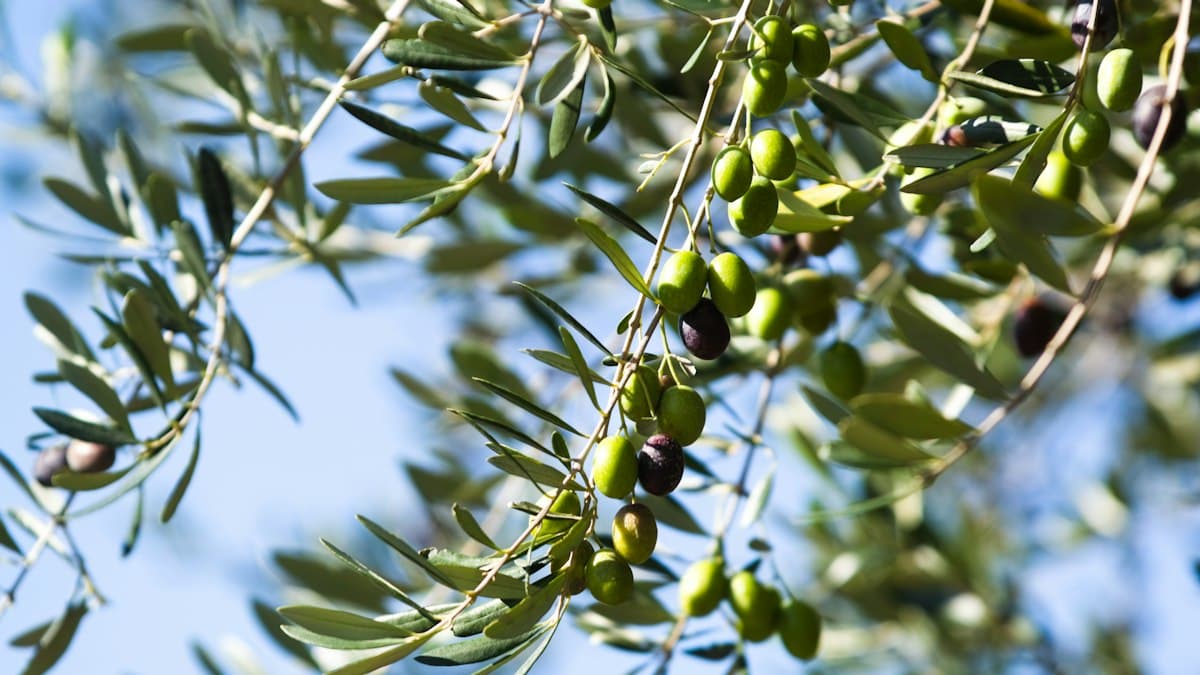
In abundant years the dynamic reverses: international prices stabilise and import cost pressures ease. As a general pattern, Northern Hemisphere harvests are concentrated between October and December, and new-season oil tends to reach retail distribution in meaningful volumes from January through March — often the point at which seasonal price adjustments become visible.
How the Three Factors Combine — A Timeline of the Shelf Price
Exchange rates, tariffs, and harvest yields do not operate in isolation. When a poor harvest drives international prices up at the same moment the local currency weakens, import costs rise on two fronts simultaneously. Conversely, a bumper harvest season coinciding with a strong won can amplify the consumer's sense of price stability. When two or more variables move in an unfavourable direction at the same time, short-term price spikes at the shelf level become more pronounced.
Importers and distributors use several strategies to cushion these swings — forward contracts, pre-season inventory builds, or bulk purchasing agreements. Large retail channels can often lock in a per-unit cost and hold prices steady for a defined period. Smaller specialist importers and premium small-volume products, on the other hand, tend to reflect international price movements more quickly, which is why artisan or single-estate bottles can appear to reprice before mainstream supermarket lines do.
Reading the Market to Buy More Thoughtfully
Understanding this pricing structure offers a few practical reference points.
First, January through March — when freshly pressed oil from the October–December Northern Hemisphere harvest enters circulation in volume — is generally the best window to find new-vintage EVOO in peak condition. Whether the price is favourable depends on how the preceding harvest season went.
Second, during periods of significant currency volatility, stock that has already cleared customs and is sitting in domestic warehouses may still be priced at pre-movement rates. Because the cost of a new shipment typically takes three to six months to work through to the shelf, earlier-imported inventory can briefly represent better value.
Third, building a habit of reading the label carefully pays dividends. Under the same "extra virgin" designation, bottles can differ widely in producing country, cultivar, harvest date, acidity, and polyphenol content. Price alone is a poor proxy for quality. Looking at the harvest year alongside origin information gives a more honest picture of what is actually in the bottle.
Pausing in front of the olive oil shelf to consider what lies behind the price tag is, in the end, a straightforward way to become a more informed buyer.
Frequently asked questions
- Why does the price of olive oil in stores go up months after the news reports a weak currency?
- Importers typically absorb short-term exchange-rate movements rather than repricing immediately. When existing stock runs out and a new shipment is ordered — usually three to six months later — the higher import cost is passed on to the shelf price. That lag is why consumers often notice price increases well after the currency shift made headlines.
- Does the EU–Korea free trade agreement lower the cost of European olive oil?
- Yes, to a meaningful degree. Under the FTA, the preferential tariff rate applied to extra virgin olive oil (HS code 1509.10) of EU origin is substantially lower than the standard MFN rate, according to Korean Customs Service tariff schedules. However, VAT, port handling fees, domestic freight, and labelling certification costs still layer on top, so the final shelf price reflects more than the tariff line alone.
- How much can olive oil production vary from one year to the next?
- Considerably. According to International Olive Council (IOC) reports, Spanish olive oil output — the world's largest — has ranged from roughly 800,000 tonnes in poor years to over 1,400,000 tonnes in abundant ones, a swing of more than 60 percent. Drought, heat stress, and pests such as the olive fruit fly (Bactrocera oleae) are the main culprits behind low-yield seasons.
- What happened to olive oil wholesale prices in 2023–2024?
- Severe drought in Andalusia pushed Spanish production close to historically low levels. According to IOC market data, the international wholesale price for Spanish extra virgin olive oil exceeded €7,000 per tonne at points during that period — more than double the figure from the same time the previous year. That price shock fed through to retail markets worldwide with a lag of several months.
- Is there a better time of year to buy extra virgin olive oil?
- January through March is generally when freshly pressed oil from the Northern Hemisphere harvest (October–December) begins arriving in significant volumes, making it the best window to find the newest vintage in peak condition. If a strong harvest has kept international prices stable, this period can also offer good value. Checking the harvest year on the label alongside the origin and cultivar gives a clearer picture of quality than price alone.
Related reading
- Andalusia: How One Region Came to Produce a Third of the World's Olive Oil
From Phoenician traders to single-estate pressing, Spain's Andalusia has held its place at the center of global olive oil production for more than a thousand years. A look at the history behind the world's largest EVOO-producing region.
- The Mediterranean Diet Just Topped the U.S. News Rankings for the Eighth Year Running
U.S. News & World Report has ranked the Mediterranean diet first overall for eight consecutive years, scoring 4.8 out of 5.0 in its most recent comprehensive evaluation. OLEA looks at where extra-virgin olive oil fits within that eating pattern.
- Four Cooking Oils, Four Nutritional Profiles: EVOO, Sesame, Perilla, and Avocado Compared
Extra virgin olive oil, sesame oil, perilla oil, and avocado oil share shelf space in many kitchens, yet their fatty-acid profiles and specialty compounds differ considerably. A look at what the data actually shows.
- Eight Years at the Top: Why the Mediterranean Diet Keeps Winning
U.S. News & World Report has ranked the Mediterranean diet number one for the eighth consecutive year in its 2025 Best Diets evaluation. Here is a look at the scoring methodology and the clinical evidence behind the result.
- EVOO Daily Intake: Calories, Quantities, and What the Evidence Actually Recommends
One tablespoon of extra virgin olive oil delivers roughly 119 kcal. This guide walks through what major institutions and clinical research say about daily quantities, and how to fit EVOO into a real diet.
- Can Olive Oil Be Collected? Inside the Emerging Gourmet Asset Market
Sotheby's wine and spirits sales reached $127.5 million in 2025, up roughly 12% year-on-year, as a younger generation of buyers reshapes the collectible food and drink market. Extra-virgin olive oil — through limited-run pressings, single-estate auctions, and numbered bottles — is edging into that conversation.
Tags
- evoo
- olive oil pricing
- import tariffs
- exchange rates
- harvest season