Guides
Dark Glass Bottle or Aluminum Can: Which Container Actually Protects Your EVOO?
The container holding your extra virgin olive oil determines how much light, oxygen, and heat it absorbs from the moment it is filled to the moment it reaches your table. A close look at the science behind dark glass and aluminum cans.
Translated from the Korean edition, originally published July 1, 2026 · read the original
Why the Container Shapes EVOO Quality
The oxidation clock on extra virgin olive oil starts ticking the moment it leaves the press. Three factors drive the process: light, oxygen, and heat. All three attack polyphenols and oleic acid, raising acidity and stripping the oil of its characteristic fresh-fruit aroma. Even an outstanding-grade oil will degrade faster if it is placed in the wrong container. According to IOC technical documentation, EVOO stored in containers that properly block light and oxygen has been reported to maintain significantly lower oxidation levels 18 months later compared to oil stored without those protections.
Choosing the right container is not a question of packaging aesthetics. It is the first step in quality control that a consumer can actively influence at the point of purchase.
Dark Glass Bottles: A Proven Tradition With Real Limits
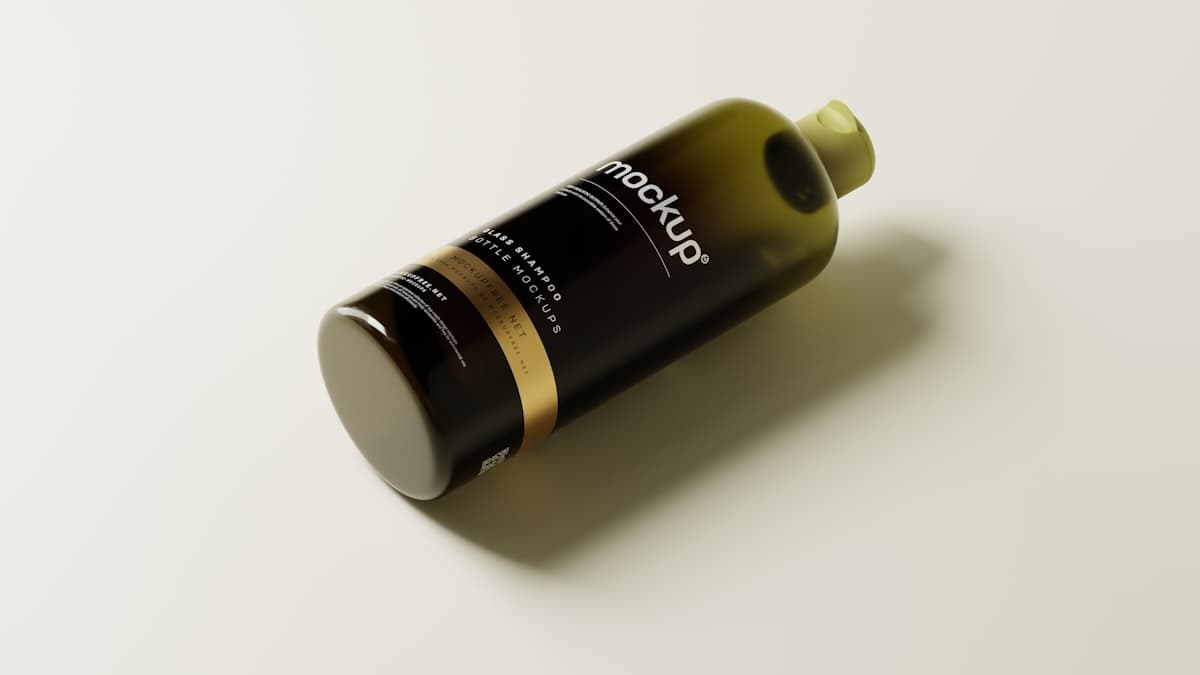
Dark amber or deep green glass is reported to block 70–90% of visible light, filtering a substantial portion of the 400–500 nm UV range — the band most responsible for accelerating oleic acid oxidation — and research has found that this meaningfully slows oxidation compared to clear glass. According to data published by a research team at the University of Seville (CSIC), EVOO stored in dark glass bottles showed polyphenol retention roughly 20% higher than oil stored in clear glass at the 12-month mark.
Dark glass is also chemically inert: it does not react with its contents, which effectively eliminates concerns about micro-migration of chemical compounds. A practical bonus is that the consumer can see the oil directly, checking its color and clarity at any point.
The weaknesses are equally clear. Glass is heavy and breakable, and each time the bottle is opened a small amount of oxygen enters. In any storage environment where ambient light is present, the light-blocking advantage can fall to less than half its rated performance. After opening, the bottle must be kept upright in a cool, dark space.
Aluminum Cans: Total Light Exclusion, Ideal for Long-Haul Supply Chains
Aluminum cans — including traditional tin-lined formats — block 100% of visible and UV light. Their oxygen transmission rate approaches zero, meaning the oil inside is essentially isolated from the outside environment until the seal is broken. A report from Italy's Institute of Sciences of Food Production (ISPA-CNR) found that EVOO packaged in aluminum containers using nitrogen flushing tended to maintain lower peroxide values over the same storage period compared to dark glass products.
Aluminum's high strength-to-weight ratio also reduces breakage risk during long-distance shipping, and the format has been assessed as carrying a lower carbon footprint per unit volume than glass. These logistical advantages become especially pronounced in large-format containers of 3–5 litres.
The limitations matter too. Once opened, aluminum cans are not as straightforward to reseal as a screw-cap glass bottle, and an imperfect seal can actually accelerate oxygen ingress. The opaque walls make it impossible to check remaining volume at a glance, and some consumers perceive the format as less premium. There is also a noted risk — if internal food-safe coating quality is low — of metallic off-flavours migrating into the oil, so confirming that any aluminum can carries a certified food-safe interior lining is an important step before purchase.
Head to Head: Light Blocking, Oxygen Barrier, and Everyday Practicality
On light-blocking performance, the aluminum can holds the advantage. Dark glass provides substantial protection, but in any environment where direct light reaches the bottle, complete protection cannot be guaranteed. On oxygen barrier performance before opening, aluminum again leads. After opening, however, the everyday usability and resealing reliability of a dark glass bottle with a metal screw cap is generally rated as more practical.
For shelf-life expectations, the IOC guidelines are the relevant benchmark. The IOC recommends consuming EVOO within 18–24 months of milling, and regardless of container type, consumption within 30–45 days of opening is considered best practice. No container, however well engineered, can prevent quality loss when oil is left open and sitting for weeks.
Storage Conditions and Good Daily Habits
The storage environment matters as much as the container itself. Both formats perform best when kept away from direct light in a cool, dark location — ideally a room between 14 and 18 °C. Leaving a bottle on the kitchen counter or on a windowsill as a decorative object quickly cancels out the light-blocking benefit of dark glass.
After opening, decanting into smaller portions as needed is advisable, and minimising oxygen contact time when transferring from a large container to a smaller one is recommended. For aluminum cans, a separate dispensing nozzle or a small dark-glass dispenser kept on the counter for daily use makes the format considerably more convenient.
Refrigeration is generally not recommended for olive oil. The solidification that occurs at low temperatures is a normal physical response of oleic acid, not a sign of spoilage, but repeatedly moving the oil between refrigerator and room temperature can introduce condensation and therefore moisture into the container.
A Practical Checklist for Buying
A few things are worth verifying before committing to any container. For dark glass bottles: confirm the glass is genuinely dark amber or deep green — pale green or blue glass offers only limited light protection. For aluminum cans: check that the interior carries a certified food-safe coating and that the seal is intact. For either format: choose a product that states the harvest date or milling date on the label. That is the most reliable way to establish a quality baseline. Products that list only a best-before date make it considerably harder to judge freshness.
Ultimately, both dark glass and aluminum cans are meaningfully superior to clear glass or plastic PET bottles for storing EVOO. Whichever format you choose, the benefit it offers depends on the storage habits you bring to it.
Frequently asked questions
- Does the container type really affect olive oil quality?
- Yes. According to IOC technical documentation, EVOO stored in containers that properly block light and oxygen has been reported to maintain significantly lower oxidation levels after 18 months compared to oil stored in inadequate packaging. Light, oxygen, and heat all accelerate the breakdown of polyphenols and oleic acid.
- How much light does a dark glass bottle actually block?
- Dark amber or dark green glass is reported to block 70–90% of visible light, including a substantial portion of the 400–500 nm UV range that accelerates oleic acid oxidation. According to research published by a team at the University of Seville (CSIC), EVOO stored in dark glass bottles showed polyphenol retention approximately 20% higher than oil stored in clear glass at the 12-month mark.
- Is an aluminum can better than a dark glass bottle for storing olive oil?
- For unopened oil, aluminum cans have the edge: they block 100% of visible and UV light and have a near-zero oxygen transmission rate. A report from Italy's Institute of Sciences of Food Production (ISPA-CNR) found that nitrogen-flushed EVOO in aluminum containers tended to maintain lower peroxide values over the same storage period compared to dark glass. After opening, however, dark glass bottles with screw caps are generally more practical to reseal securely.
- How long does olive oil stay fresh after opening, regardless of container?
- IOC guidelines recommend consuming EVOO within 18–24 months of milling. After opening, consumption within 30–45 days is considered ideal regardless of the container type. No packaging can fully compensate for prolonged exposure to oxygen once the seal is broken.
- Should I refrigerate olive oil to make it last longer?
- Refrigeration is generally not recommended for olive oil. Cold temperatures cause it to solidify — a normal physical response of oleic acid, not a quality defect — but repeatedly cycling between refrigerator and room temperature can introduce condensation and moisture into the bottle. Storing EVOO in a cool, dark place ideally between 14 and 18 °C is the approach most consistent with IOC guidance.
Related reading
- Dark Bottle, 14–18 °C, Minimal Headspace: The Science Behind Storing EVOO Right
Light, heat, and oxygen are the three forces that degrade extra virgin olive oil from the moment it leaves the mill. ORO CELESTE's storage recommendations address each one with a clear scientific rationale.
- Heat, Smoke, and Polar Compounds: The Chemistry of Cooking with Olive Oil
Heating olive oil triggers a cascade of hydrolysis, oxidation, and polymerization reactions that accelerate past the smoke point. This guide traces the science of polar compound formation and explains why high-polyphenol EVOO tends to hold up better under heat.
- Light, Heat, Time: The Three Forces Draining Your EVOO's Flavor
Extra virgin olive oil's polyphenols and aroma compounds degrade faster than most cooks realize, driven by light exposure, temperature, and time. Here is what the research says about keeping them intact at home.
- Does Olive Oil You Eat Reach Your Skin? A Clinical Research Roundup
A growing body of clinical research is examining whether regular dietary intake of olive oil is associated with measurable changes in skin hydration and elasticity. This guide summarizes the current evidence, its limits, and how the findings sit within the broader context of Mediterranean eating patterns.
- Senescent Cells, Senolytics, and the Question of Olive Oil Polyphenols
The senolytic diet hypothesis has drawn attention to plant polyphenols as potential allies against aging cells. This guide maps where extra virgin olive oil's oleocanthal and related phenolic compounds currently sit in that research — and what the evidence cannot yet support.
- Olive Oil, Antioxidants, and Fatigue: A Guide to the Emerging Clinical Research
Extra virgin olive oil is drawing growing attention in oxidative stress and chronic fatigue research, with its polyphenols and oleic acid studied for potential roles in cellular energy metabolism. Here is what the current clinical evidence actually shows.
Tags