Guides
Light, Heat, Time: The Three Forces Draining Your EVOO's Flavor
Extra virgin olive oil's polyphenols and aroma compounds degrade faster than most cooks realize, driven by light exposure, temperature, and time. Here is what the research says about keeping them intact at home.
Translated from the Korean edition, originally published March 12, 2023 · read the original
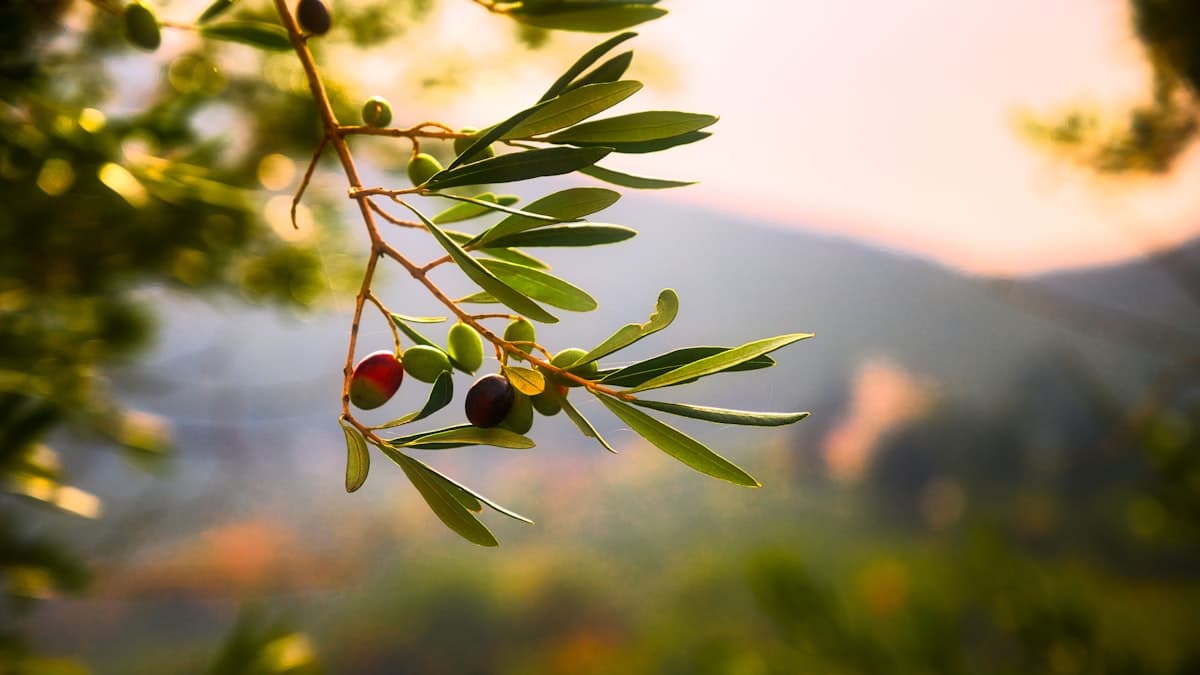
Extra virgin olive oil's clock starts ticking from the moment of pressing. Two bottles filled on the same day can show measurably different aroma profiles and polyphenol levels just a month later, depending solely on how they were stored. The International Olive Council (IOC) and EU processing standards consistently point to the same three variables: light, heat, and time. To preserve flavor as long as possible, the core principle is straightforward — choose a freshly pressed oil in a dark glass bottle, keep it at a stable 14–18 °C away from heat sources, and finish it within 2–3 months of opening.
Strong Light Accelerates Oxidation
Exposure to ultraviolet and visible light is associated with faster rancidity in olive oil. This is why dark glass — amber or green — has become the industry standard for bottling. EVOO in clear glass or PET containers can lose flavor from retail shelf lighting alone. Storage experiments published in Frontiers in Nutrition and Foods reported that EVOO held at 25 °C under light showed a noticeably faster rate of polyphenol decline than EVOO kept in the dark at the same temperature. At home, the safest approach is to choose a product in a dark glass bottle and keep it in a drawer or cupboard where light cannot reach it.
14–18 °C, Away from Any Heat Source
The 14–18 °C range is consistently cited in the literature as the practical storage target. An 18-month long-term storage trial reported in a food chemistry journal found that polyphenol loss in EVOO tracked at a similar pace at 5 °C and 15 °C, accelerated clearly at 25 °C, and dropped very steeply at 50 °C. The same study noted that at cooler temperatures more than 80% of initial polyphenols remained after the same storage period, whereas at typical indoor room temperature the figure fell to roughly half. Spots next to a gas range or on top of a microwave oven should be avoided. A kitchen cupboard or pantry drawer out of direct sunlight is the most practical choice for most households. Refrigeration is not generally recommended: the oil solidifies when chilled, which suppresses aroma, and the warming cycle each time it is removed can encourage oxidation.
18 Months from Pressing, 2–3 Months After Opening
The commonly cited best-before window for EVOO is approximately 18 months from the harvest pressing date. That said, polyphenols and volatile aroma compounds decline faster than that timeline might suggest, which is why finishing an opened bottle within 2–3 months is the better benchmark for flavor. From the moment you first open a bottle, oxygen contact begins inside it; with every pour, the headspace grows and oxidation accelerates. For the same total volume, choosing two smaller 250–500 ml bottles over a single large one generally makes freshness easier to manage. The guide on balancing bottle size and freshness covers how to match container size to your household's typical usage rate.
What Else to Check on the Label
Even a perfectly managed storage environment cannot compensate for oil that was already past its prime before it reached the shelf. Among products in the same price range, look for those that state both a pressing date and a harvest year. Brands that publish third-party lab certificates are signaling that their acidity and polyphenol figures are verifiable rather than assumed. Reading five things to check on an olive oil label alongside the guide on how extra virgin grade is defined can sharpen judgment considerably when standing in front of a retail shelf.
Checking for a pressing date before you buy, and making a habit of sealing the bottle tightly after every use — these two small steps are the most reliable way to keep a good oil tasting the way it was meant to.
Frequently asked questions
- What is the best temperature to store extra virgin olive oil?
- Studies in food chemistry journals report that polyphenol degradation in EVOO accelerates noticeably above 25 °C and becomes very steep at 50 °C. A stable 14–18 °C — such as a dark kitchen cupboard — is widely cited as the practical ideal for home storage.
- How long does an opened bottle of olive oil last?
- Once opened, oxygen contact begins immediately and increases every time you pour, as headspace grows inside the bottle. Finishing an opened bottle within 2–3 months is generally considered the best way to preserve flavor and polyphenol content.
- Does light really damage olive oil?
- Yes. Storage experiments published in Frontiers in Nutrition and Foods reported that EVOO held at 25 °C under light lost polyphenols measurably faster than EVOO stored in the dark at the same temperature. Dark glass — amber or green — is the standard precisely because it blocks ultraviolet and visible light.
- Should I refrigerate extra virgin olive oil?
- Refrigeration is not generally recommended. Chilling causes the oil to solidify, which mutes its aroma, and the condensation cycle as it warms again can accelerate oxidation. A cool, dark cupboard is a more practical solution for most households.
- What bottle size is best for keeping olive oil fresh?
- Because headspace grows with every pour, two smaller bottles of 250–500 ml tend to stay fresher longer than one large bottle of equivalent total volume — assuming you finish each smaller bottle within 2–3 months of opening.
Related reading
- Dark Glass Bottle or Aluminum Can: Which Container Actually Protects Your EVOO?
The container holding your extra virgin olive oil determines how much light, oxygen, and heat it absorbs from the moment it is filled to the moment it reaches your table. A close look at the science behind dark glass and aluminum cans.
- Dark Bottle, 14–18 °C, Minimal Headspace: The Science Behind Storing EVOO Right
Light, heat, and oxygen are the three forces that degrade extra virgin olive oil from the moment it leaves the mill. ORO CELESTE's storage recommendations address each one with a clear scientific rationale.
- Does Cooking Destroy Olive Oil Polyphenols? A Guide by Method
Heating extra virgin olive oil does reduce its polyphenol content — but how much depends heavily on temperature, time, and where you start. A data-driven look at retention patterns across common cooking methods, with practical tips for keeping more of those compounds on your plate.
- Heat, Smoke, and Polar Compounds: The Chemistry of Cooking with Olive Oil
Heating olive oil triggers a cascade of hydrolysis, oxidation, and polymerization reactions that accelerate past the smoke point. This guide traces the science of polar compound formation and explains why high-polyphenol EVOO tends to hold up better under heat.
- Does Olive Oil You Eat Reach Your Skin? A Clinical Research Roundup
A growing body of clinical research is examining whether regular dietary intake of olive oil is associated with measurable changes in skin hydration and elasticity. This guide summarizes the current evidence, its limits, and how the findings sit within the broader context of Mediterranean eating patterns.
- Senescent Cells, Senolytics, and the Question of Olive Oil Polyphenols
The senolytic diet hypothesis has drawn attention to plant polyphenols as potential allies against aging cells. This guide maps where extra virgin olive oil's oleocanthal and related phenolic compounds currently sit in that research — and what the evidence cannot yet support.