Guides
Fat-Soluble Vitamins Need Fat: Where Olive Oil Fits In
Vitamins A, D, E, and K require dietary fat to reach the bloodstream, and the oleic-acid-rich structure of extra virgin olive oil makes it a nutritionally coherent vehicle for that process. A look at what the research actually reports.
Translated from the Korean edition, originally published August 24, 2026 · read the original
What Fat-Soluble Vitamins Are — and Why Fat Matters
Vitamins divide neatly into two camps: water-soluble and fat-soluble. The B vitamins and vitamin C dissolve in water and cross the intestinal lining without much ceremony. Vitamins A, D, E, and K work differently. Their molecular structure means they dissolve in fat, not water, and during digestion they must be packaged inside tiny emulsified fat droplets — called micelles — that bile acids assemble in the small intestine. Only once inside a micelle can these vitamins travel to the intestinal epithelium and enter the body. If there is not enough dietary fat present in the same meal, fat-soluble vitamins are liable to pass straight through the gut without being taken up.
Vitamin D is the most widely discussed of the group when it comes to deficiency. According to data from the Korean Medical Association, more than 70% of Korean adults have blood vitamin D levels below the recommended threshold of 20 ng/mL — a pattern driven largely by limited sun exposure but compounded by inefficient absorption of vitamin D from food and supplements.
Does the Type of Fat Influence Absorption?
Quantity of fat matters, but researchers have begun asking whether the kind of fat also plays a role. A clinical study published in the American Journal of Clinical Nutrition in 2015 reported that participants taking identical vitamin D supplements showed a greater rise in blood vitamin D levels when the accompanying meal was high in fat compared with a low-fat meal, suggesting that fat content at the time of ingestion is a meaningful variable.
The question of fat type is more open. Some researchers have proposed that fats rich in monounsaturated fatty acids (MUFAs) may form micelles more efficiently than saturated fats, which could in theory favor the absorption of fat-soluble nutrients. The evidence for this hypothesis is not yet sufficient to draw firm conclusions. What is well established, however, is that extra virgin olive oil derives roughly 70% of its fatty-acid content from oleic acid, the principal monounsaturated fatty acid — a fact that nutritionists cite as a theoretically sound basis for olive oil's role as a carrier for fat-soluble nutrients during digestion.
The Role of Olive Oil's Polyphenols
Beyond oleic acid, extra virgin olive oil (EVOO) is recognized for its content of polyphenols — hydroxytyrosol, oleuropein, and oleocanthal among them. Research has reported that some of these compounds may influence the activity of lipase, the digestive enzyme that breaks down fat, which could indirectly shape the digestive environment in which fat-soluble nutrients are processed. It is too early to conclude, however, that olive oil polyphenols directly raise vitamin D absorption.
The more defensible framing is mechanistic: fat-soluble vitamins require micelles assembled from dietary fat to reach the intestinal mucosa, and olive oil is a fat source that contributes to that micelle formation. Nutrition science regards this as a plausible and coherent hypothesis, even while the research continues to develop.

Practical Takeaways at the Table
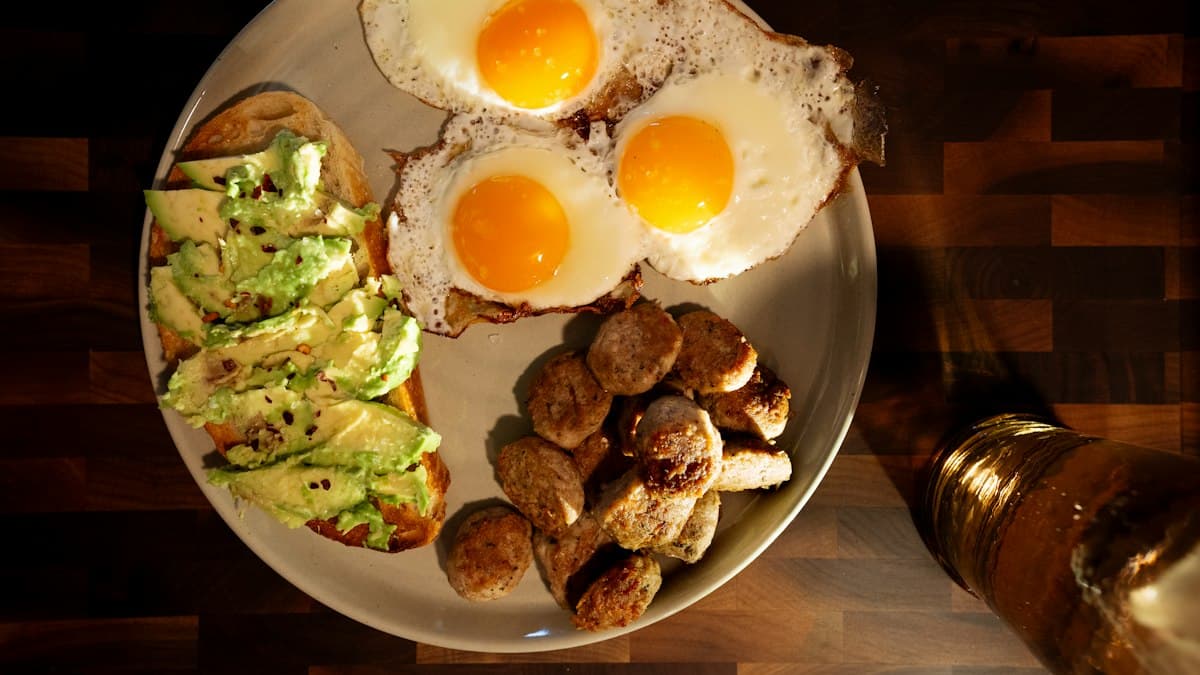
Foods that supply meaningful amounts of vitamin D include oily fish such as salmon, mackerel, and tuna, as well as egg yolks and certain mushroom varieties. Cooking these ingredients in olive oil, or incorporating olive oil into the same meal, pairs the fat-soluble vitamin with a fat source in a single sitting — exactly the conditions thought to support efficient absorption. For those who take vitamin D supplements, nutrition experts generally advise taking them with or shortly after a fat-containing meal rather than on an empty stomach.
The same logic applies to vitamins E and K. Adding an olive oil dressing to a vegetable salad goes beyond flavour: it may help establish the conditions for absorbing fat-soluble compounds already present in the vegetables, including vitamin K in leafy greens and carotenoids that the body can convert to vitamin A. A study published in the American Journal of Clinical Nutrition in 2004 found that participants using a fat-containing dressing absorbed significantly more carotenoids from salad vegetables than those using a fat-free dressing.
What to Consider When Choosing an Olive Oil
If the aim is to use olive oil as part of a nutrient-supportive diet, quality is worth considering alongside quantity. According to the International Olive Council (IOC), extra virgin olive oil must have a free fatty acid acidity of no more than 0.8% — a threshold that serves as a baseline indicator of freshness and integrity. Polyphenol content is widely cited as a further marker of quality: a higher-polyphenol EVOO is associated with a richer antioxidant profile.
The view that regularly incorporating a high-polyphenol extra virgin olive oil into meals may contribute to a favorable absorption environment for fat-soluble nutrients is gaining traction in nutrition research. That said, experts are careful to note that outcomes can vary considerably depending on an individual's health status, medications, and digestive function. The sensible approach is to treat olive oil as one element of a balanced, varied diet rather than a standalone solution.
Frequently asked questions
- Why do fat-soluble vitamins need fat to absorb?
- Vitamins A, D, E, and K dissolve in fat, not water. During digestion, bile acids emulsify fat droplets into structures called micelles, and fat-soluble vitamins hitch a ride inside those micelles to reach the intestinal lining. Without enough dietary fat in the same meal, much of the vitamin can pass through the gut unabsorbed.
- Does the type of fat matter for vitamin D absorption?
- Possibly. A study published in the American Journal of Clinical Nutrition in 2015 reported that participants taking the same vitamin D supplement absorbed more of it when the accompanying meal was higher in fat. Some researchers have suggested that monounsaturated fatty acids may be particularly efficient at forming the micelles needed for transport, but the evidence is not yet conclusive enough to make a firm recommendation.
- Does olive oil help absorb vitamin D from supplements?
- Olive oil can supply the dietary fat that supports micelle formation, which is the mechanism by which fat-soluble vitamins are transported to the intestinal wall. Nutritionists generally advise taking vitamin D supplements with a fat-containing meal rather than on an empty stomach, and olive oil used in that meal could contribute to that fat intake. It is too early to conclude that olive oil specifically raises vitamin D absorption over other fat sources.
- Does adding olive oil dressing to salad actually increase nutrient absorption?
- Research suggests it may. A study published in the American Journal of Clinical Nutrition in 2004 found that participants who used a fat-containing dressing absorbed significantly more carotenoids — provitamin A compounds — from salad vegetables than those who used a fat-free dressing. Vitamin K, also found in many leafy vegetables, is fat-soluble by the same mechanism.
- What should I look for when choosing an olive oil for everyday cooking?
- According to the International Olive Council (IOC), extra virgin olive oil must have a free fatty acid acidity of no more than 0.8%. Beyond grade, polyphenol content is commonly cited as an indicator of freshness and antioxidant richness. A higher-polyphenol EVOO used regularly as part of a balanced diet is considered by many nutrition researchers to support a favorable environment for fat-soluble nutrient absorption, though individual results can vary with health status, medications, and digestive function.
Related reading
- The Mediterranean Diet Just Topped the U.S. News Rankings for the Eighth Year Running
U.S. News & World Report has ranked the Mediterranean diet first overall for eight consecutive years, scoring 4.8 out of 5.0 in its most recent comprehensive evaluation. OLEA looks at where extra-virgin olive oil fits within that eating pattern.
- Dietary Fat, Magnesium, and the Mediterranean Table: What the Research Shows So Far
Evidence is accumulating that the type of dietary fat consumed alongside magnesium-rich foods may influence how well that mineral is absorbed. This guide surveys current research on olive oil, fatty acid composition, and mineral metabolism.
- From Mouth to Bloodstream: How Olive Oil Fat Is Digested and Absorbed
After you swallow a spoonful of olive oil, its fats travel a precisely orchestrated route — emulsification in the small intestine, packaging into chylomicrons, and a journey through the lymphatic system before reaching the bloodstream. This guide walks through the physiology, step by step.
- Four Cooking Oils, Four Nutritional Profiles: EVOO, Sesame, Perilla, and Avocado Compared
Extra virgin olive oil, sesame oil, perilla oil, and avocado oil share shelf space in many kitchens, yet their fatty-acid profiles and specialty compounds differ considerably. A look at what the data actually shows.
- Olive Oil on an Empty Stomach: Timing, Dosage, and What the Research Actually Shows
The Mediterranean habit of swallowing a spoonful of extra virgin olive oil before breakfast has gone global. Here is what current research says about timing, optimal amount, and why polyphenol content is the variable that matters most.
- Calcium Doesn't Absorb Alone: How Olive Oil Fits Into Bone-Health Eating
Dietary fat plays a recognized role in the absorption of fat-soluble vitamins — the same vitamins that help the body put calcium to use. This guide examines what happens in the gut when dairy and extra-virgin olive oil share a meal, and what that means for a bone-conscious diet.
Tags
- vitamin d
- fat-soluble vitamins
- evoo
- nutrition
- absorption
- olive oil and health