Guides
A Drizzle on Rice, Potatoes, and Pasta: What Studies Say About Olive Oil and Post-Meal Blood Sugar
Research is accumulating on how combining extra virgin olive oil with carbohydrate-rich foods — rice, potatoes, pasta — may alter the speed of post-meal blood sugar rise. Here is a look at the mechanisms involved and how to apply the findings at the table.
Translated from the Korean edition, originally published August 23, 2026 · read the original
Carbohydrates, Blood Sugar, and the Role of Fat
Eating a bowl of rice raises blood sugar. That is a perfectly normal physiological response. During digestion, carbohydrates are broken down into glucose and absorbed into the bloodstream; the speed and magnitude of that process defines what nutritionists call the glycemic response. The concern with modern diets is that a high proportion of refined carbohydrates produces repeated sharp spikes and rapid drops in blood glucose.
Dietary fat has attracted attention as one variable that can influence this pattern. Extra virgin olive oil — the cornerstone ingredient of the Mediterranean diet — has been the subject of several studies reporting that it may affect post-meal glycemic response when eaten alongside carbohydrate-rich foods. The findings prompt a closer look at how a meal is composed, not just what it contains.
How Fat Slows the Digestive Process
The pathways by which fat influences carbohydrate metabolism are reasonably well understood. First, fat is known to reduce the gastric emptying rate — the speed at which food moves from the stomach into the small intestine. When that transit slows, glucose is absorbed into the bloodstream more gradually and the post-meal blood sugar curve tends to flatten.
Second, fat has been reported to stimulate the release of gut hormones in the small intestine, including GLP-1 (glucagon-like peptide-1). GLP-1 promotes insulin secretion and further suppresses gastric emptying, contributing to a more moderate rise in post-meal blood glucose.
Third, oleic acid — the dominant fatty acid in olive oil — has been the subject of research suggesting it does more than supply energy: studies indicate it may interact with fatty acid receptors involved in regulating digestive speed. That said, consistent clinical replication of all these mechanisms has not yet been established, and individual variation is known to be considerable.
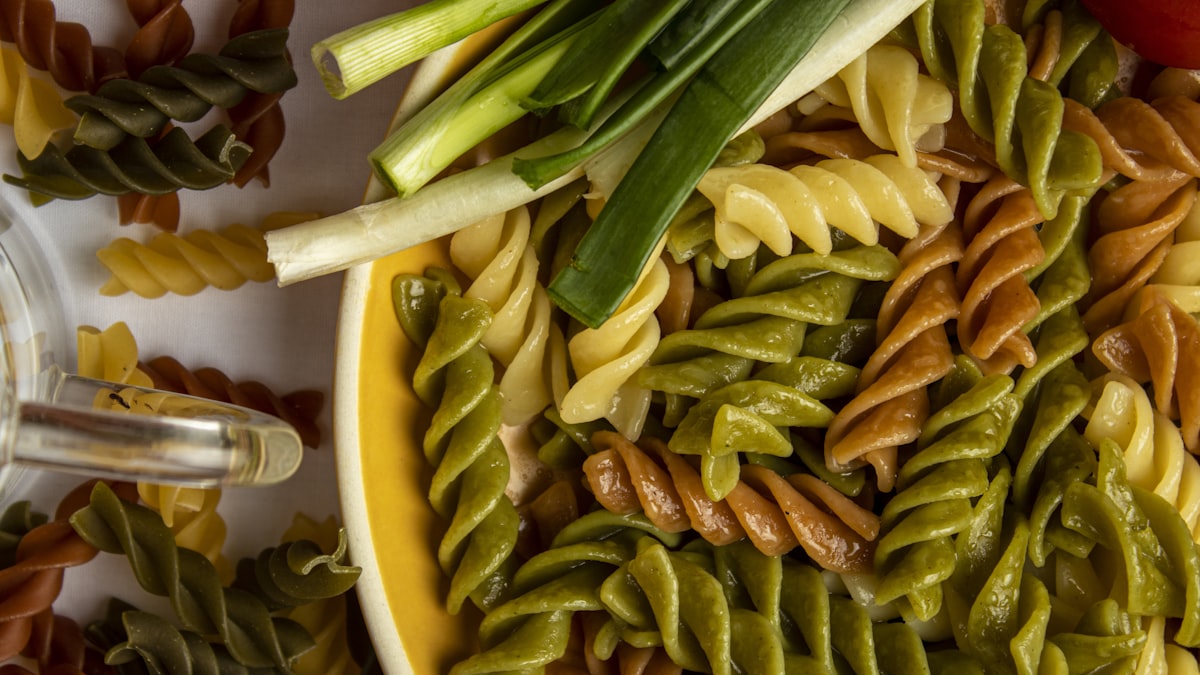
Research Snapshots: Pasta, Potatoes, and Rice
Pasta and olive oil
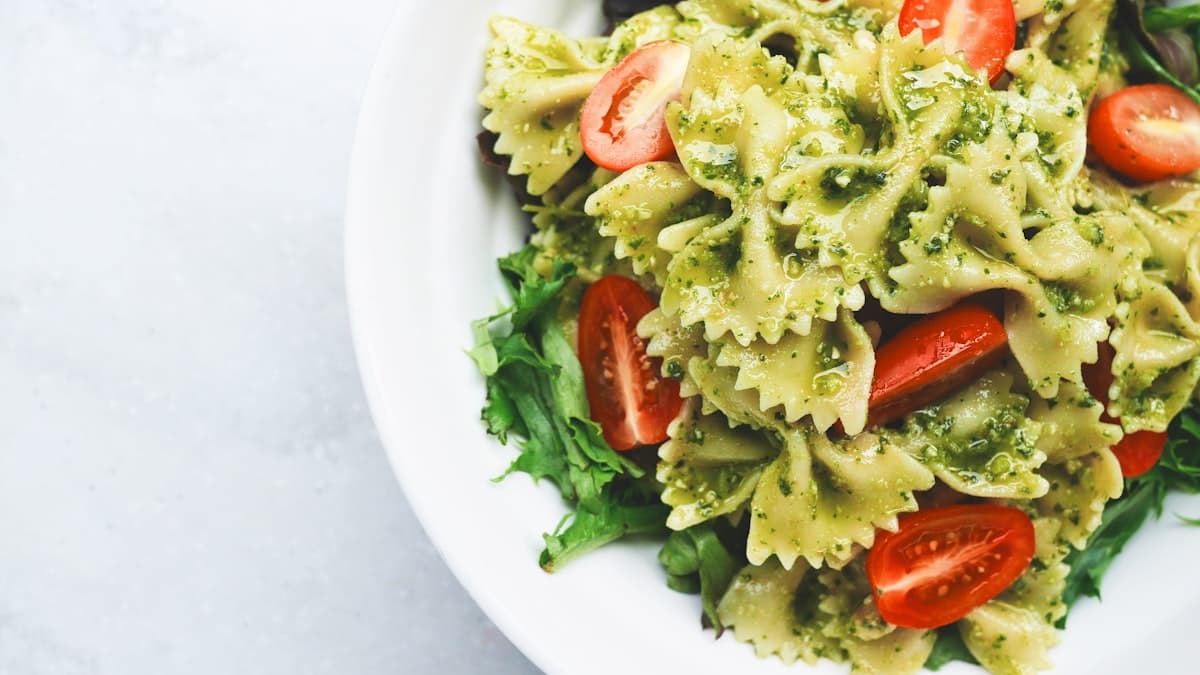
A study published by researchers at the University of Bologna found that pasta served with olive oil produced a lower post-meal blood glucose peak and a more gradual rise compared with pasta eaten without oil. Pasta already has a relatively low glycemic index compared with bread or white rice; the Bologna team's results supported the hypothesis that adding olive oil may reinforce that characteristic.
Potatoes and olive oil
Potatoes are a food whose glycemic index shifts considerably depending on how they are cooked and whether they are cooled before eating. Research published in the British Journal of Nutrition reported that cooling cooked potatoes before reheating them increases their resistant starch content, which is associated with a lower glycemic response. Adding olive oil to potatoes is thought to introduce an additional gastric-emptying delay that could further spread out the rate of blood sugar rise — though attributing the effect to any single factor would be premature.
Rice and olive oil
Combining fat with rice is not unfamiliar across Asian food traditions — Japan's onigiri and Korea's sesame-oil bibimbap are long-standing examples. A 2015 study presented at an American Chemical Society meeting reported that cooking rice with coconut oil and then cooling it could increase resistant starch content by up to tenfold. Direct comparison studies using olive oil in place of coconut oil remain limited, but some researchers in nutrition science have suggested that similar fatty acid mechanisms might be at work. That possibility has not yet been confirmed in equivalent trials.
The Polyphenol Factor: What Sets Olive Oil Apart
The characteristic that most clearly distinguishes extra virgin olive oil from generic vegetable oils is its polyphenol content. EVOO contains a range of phenolic compounds — oleuropein, hydroxytyrosol, and oleocanthal among the most studied.
Research published in Molecular Nutrition & Food Research reported that the phenolic compounds in olive oil may contribute to inhibiting alpha-glucosidase, an enzyme in the small intestine involved in breaking carbohydrates down into glucose. If that enzyme's activity is reduced, the hypothesis holds that glucose enters the bloodstream more slowly, moderating the post-meal blood sugar curve. The researchers noted, however, that actual absorption levels in the body and individual differences in response mean it is too early to draw firm conclusions.
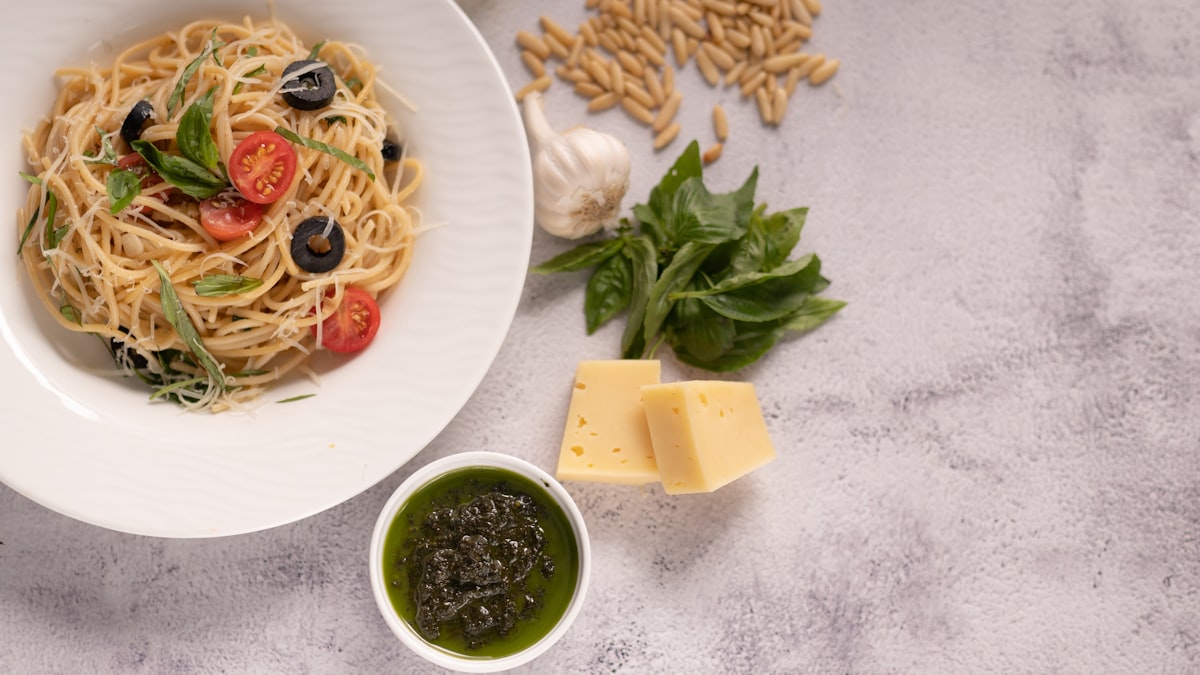
Putting the Research to Work at the Table
A few practical points are worth keeping in mind when applying these findings to everyday eating.
Amount and timing. The effects observed in most studies were associated with approximately 10–20 ml — about one to two tablespoons — of olive oil per meal. Using more raises overall calorie intake without a clear proportional benefit, so a measured drizzle is the practical starting point.
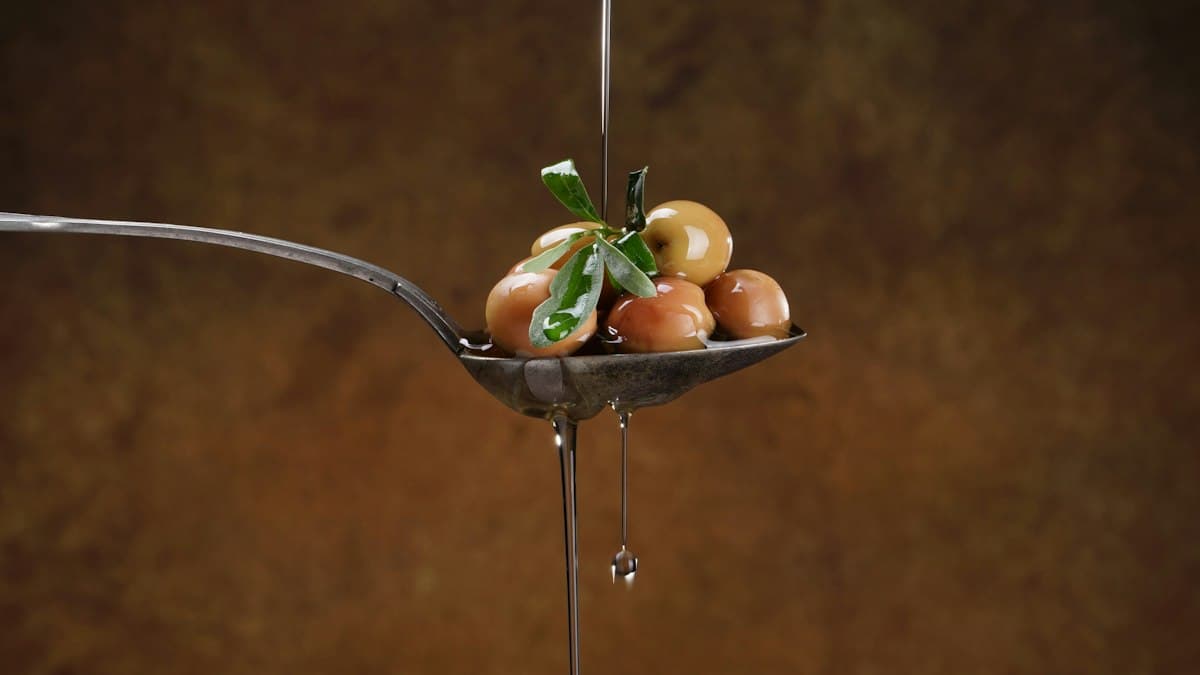
Finishing versus cooking. Polyphenols in olive oil are partially degraded at high temperatures. Drizzling EVOO over cooked pasta, stirring it into warm rice, or spooning it over cooked potatoes preserves more of these compounds than using it as a high-heat cooking oil.
The whole meal matters. Isolating the effect of olive oil from everything else on the plate is methodologically difficult. Studies that show the most consistent trends tend to involve olive oil as part of a balanced meal that also includes vegetables, protein, and whole grains — not as a standalone intervention.
Quality as a baseline. Choosing an extra virgin olive oil with low acidity and high polyphenol content is the starting premise. Products with acidity below 0.2% and polyphenol content above 500 mg/kg are frequently cited as quality benchmarks in the research literature.
Keeping Things in Proportion
The body of evidence suggesting that olive oil may moderate the glycemic response to carbohydrate-rich foods is growing, but it is not sufficient to position olive oil as a solution to blood sugar management. The gap between controlled study conditions and real-world eating habits is substantial, and the response varies with individual metabolic health, the type of carbohydrate consumed, and the overall composition of the meal.
What is well established is that the Mediterranean diet — in which olive oil plays a central role alongside a wide variety of foods — has attracted sustained attention as a healthy dietary pattern. A habit of finishing carbohydrate-rich dishes with a measured drizzle of quality extra virgin olive oil may contribute at minimum to greater dietary variety and flavor, and is associated in the broader research literature with a more favorable overall nutritional profile.
Frequently asked questions
- Does olive oil lower blood sugar after eating carbs?
- Research suggests that adding olive oil to carbohydrate-rich meals may help moderate the speed of post-meal blood sugar rise, rather than lower blood sugar outright. The effect is associated with fat slowing gastric emptying and, in the case of extra virgin olive oil, polyphenols that may inhibit certain digestive enzymes. It is too early to call it a definitive solution, and individual responses vary considerably.
- How much olive oil should I use with a carb-heavy meal?
- Most of the studies that observed a moderating effect on glycemic response used roughly 10–20 ml — about one to two tablespoons — per meal. Using more than that adds significant calories without a clear additional benefit, so a measured drizzle is the practical recommendation.
- Is it better to drizzle olive oil on cooked pasta or stir it in while cooking?
- Extra virgin olive oil's polyphenols degrade at high heat, so adding it after cooking — drizzled over pasta, stirred into cooked rice, or spooned over warm potatoes — helps preserve more of those compounds compared with using it as a high-heat cooking medium.
- Does the type of olive oil matter for glycemic response?
- Extra virgin olive oil is consistently the focus of research in this area because it contains significantly higher levels of phenolic compounds — oleuropein, hydroxytyrosol, oleocanthal — than refined olive oils. Products with acidity below 0.2% and polyphenol content above 500 mg/kg are frequently cited as quality benchmarks.
- Can olive oil reduce the glycemic index of white rice?
- Direct comparison studies on olive oil and white rice remain limited. A 2015 study reported by the American Chemical Society found that cooking rice with coconut oil and then cooling it could increase resistant starch content by up to tenfold; some nutrition researchers have suggested similar fat-based mechanisms might apply to olive oil, but this has not been confirmed in equivalent trials for olive oil specifically.
Related reading
- Olive Oil and the Post-Meal Blood Sugar Curve: What the Research Shows
A growing body of clinical research suggests that adding extra virgin olive oil to a meal may alter the post-meal blood sugar curve. From Mediterranean diet trials to glycemic response experiments, here is a guide to what the evidence currently says.
- Dietary Fat, Magnesium, and the Mediterranean Table: What the Research Shows So Far
Evidence is accumulating that the type of dietary fat consumed alongside magnesium-rich foods may influence how well that mineral is absorbed. This guide surveys current research on olive oil, fatty acid composition, and mineral metabolism.
- Beyond BMI: Dietary Fat Quality, Olive Oil, and Metabolic Health Research
Two people can share the same BMI and yet show markedly different blood lipid profiles, insulin sensitivity, and visceral fat distribution. A growing body of clinical research suggests that the type of fat consumed — not just total calories — may be a meaningful variable in metabolic health.
- Does Olive Oil You Eat Reach Your Skin? A Clinical Research Roundup
A growing body of clinical research is examining whether regular dietary intake of olive oil is associated with measurable changes in skin hydration and elasticity. This guide summarizes the current evidence, its limits, and how the findings sit within the broader context of Mediterranean eating patterns.
- Senescent Cells, Senolytics, and the Question of Olive Oil Polyphenols
The senolytic diet hypothesis has drawn attention to plant polyphenols as potential allies against aging cells. This guide maps where extra virgin olive oil's oleocanthal and related phenolic compounds currently sit in that research — and what the evidence cannot yet support.
- Olive Oil, Antioxidants, and Fatigue: A Guide to the Emerging Clinical Research
Extra virgin olive oil is drawing growing attention in oxidative stress and chronic fatigue research, with its polyphenols and oleic acid studied for potential roles in cellular energy metabolism. Here is what the current clinical evidence actually shows.
Tags
- blood sugar
- glycemic response
- extra virgin olive oil
- carbohydrates
- mediterranean diet