Guides
Olive Oil and the Post-Meal Blood Sugar Curve: What the Research Shows
A growing body of clinical research suggests that adding extra virgin olive oil to a meal may alter the post-meal blood sugar curve. From Mediterranean diet trials to glycemic response experiments, here is a guide to what the evidence currently says.
Translated from the Korean edition, originally published July 25, 2026 · read the original
Why Fat Changes the Blood Sugar Curve
When you eat carbohydrates, glucose is absorbed rapidly in the small intestine and blood sugar rises quickly. When fat is present in the same meal, however, gastric emptying slows, and the rate of glucose absorption across the intestinal wall is also known to moderate. This mechanism has long supported the hypothesis that the type and amount of fat in a meal can influence the height and duration of a post-meal blood sugar spike.
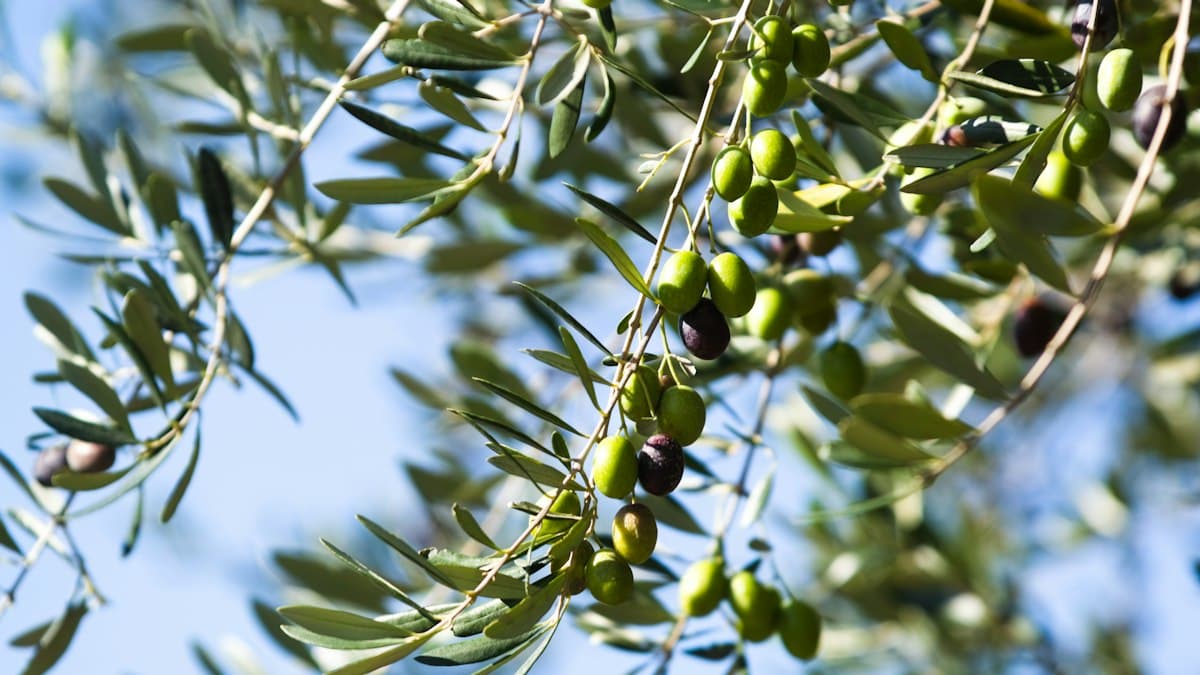
Extra virgin olive oil (EVOO) is dominated by oleic acid, a monounsaturated fatty acid that accounts for more than 70% of its total fatty acid content, alongside trace bioactive compounds including polyphenols, squalene, and tocopherols. Unlike saturated fats, oleic acid has been reported to carry a lower likelihood of negatively affecting insulin receptor sensitivity. In vitro research also exists suggesting that the polyphenol fraction may slow α-glucosidase enzyme activity in the small intestine. Whether that enzyme-inhibiting effect translates into a clinically meaningful outcome in a real meal setting, however, is too early to conclude.
A Closer Look at the Key Clinical Studies
One of the most frequently cited pieces of evidence is a crossover trial by an Italian research team published in Diabetes Care in 2016. In that study, 25 people with type 2 diabetes consumed an identical high-carbohydrate meal in three conditions: with olive oil added, with butter added, and with no added fat. The researchers reported that the post-meal two-hour blood glucose area under the curve (AUC) was significantly lower in the olive oil group than in either of the other two conditions. The team proposed that a combined effect of oleic acid and polyphenols may have contributed to delayed gastric emptying and changes in incretin hormone secretion.
A 2020 Spanish-Italian meta-analysis published in Nutrients reported that a Mediterranean diet including EVOO was associated with reductions in fasting blood glucose and the insulin resistance marker HOMA-IR. The researchers were careful to note, however, that isolating whether the effect was driven by olive oil alone, or by the broader interaction of vegetables, whole grains, fish, and other dietary components, is methodologically difficult. The more reasonable current interpretation is that olive oil contributes as part of an overall dietary pattern rather than as a standalone agent.
Polyphenol Content and Glycemic Response
Polyphenol research in this area is becoming increasingly specific. Oleocanthal and oleuropein — two of the most studied polyphenols in EVOO — are known to be involved in antioxidant and anti-inflammatory pathways, and some studies have raised the possibility that these compounds may contribute to maintaining pancreatic β-cell function. A 2023 systematic review in Food Chemistry, however, found that direct controlled clinical trials comparing high-polyphenol EVOO against low-polyphenol EVOO remain insufficient, and this is an area the reviewers identified as requiring further study.
Polyphenol levels in commercially available EVOO vary enormously — from roughly 50 mg/kg to more than 1,000 mg/kg — depending on origin, cultivar, harvest timing, and processing method. Early-harvest oils that are cold-pressed shortly after harvest tend to be richer in polyphenols, while oils stored in clear glass bottles or held for extended periods may see meaningful polyphenol loss through oxidation.
Where Olive Oil Sits in Mediterranean Diet Research
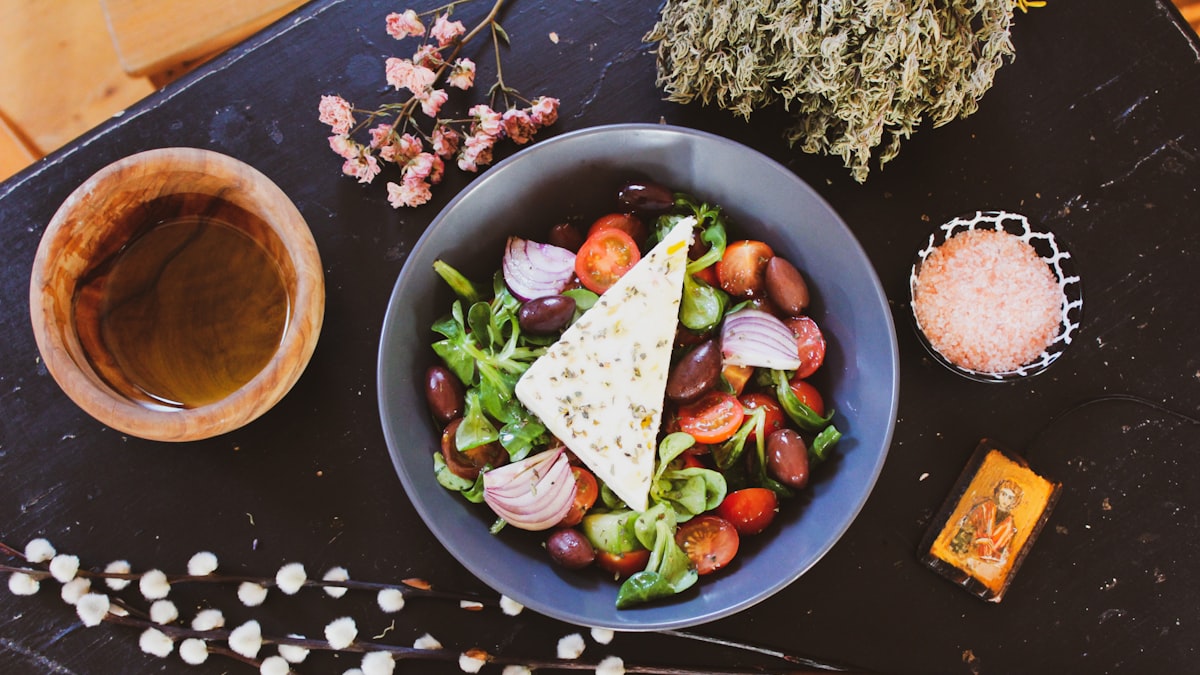
Setting aside individual-ingredient studies, the Mediterranean diet — which positions olive oil as the principal cooking and dressing fat — is among the dietary patterns with the most consistently accumulated evidence for a favorable relationship with blood sugar markers. A preliminary analysis from the PREDIMED-Plus study, published in The Lancet in 2018, reported that participants following the Mediterranean diet showed more favorable fasting blood glucose and glycemic variability outcomes compared with the control group. Olive oil intake was included as one of the core indicators of dietary adherence in that study.
It is equally important to note that blood sugar responses vary substantially between individuals. Research using continuous glucose monitors (CGMs) has consistently shown that the same food can produce very different spike patterns in different people. A 2015 study from the Weizmann Institute of Science, published in Cell, reported that gut microbiome composition, genetic factors, and lifestyle account for a substantial share of the variation in post-meal glycemic response between individuals. The role of olive oil in blood sugar outcomes therefore needs to be evaluated within each person's broader dietary and lifestyle context.
How to Use Olive Oil in Everyday Eating
The studies reviewed here most commonly delivered olive oil as a salad dressing, a bread dip, or drizzled over sautéed vegetables — approximately 15–30 ml per meal, consumed at the same time as or just before eating. Finishing dishes raw or with minimal heat tends to preserve more polyphenols than high-temperature frying.
When buying, it is worth looking for bottles that display a harvest date or production date alongside polyphenol content and acidity figures. A lower acidity level is an indirect indicator that the source olives were in better condition at pressing; polyphenol content is driven largely by cultivar and harvest timing. After opening, keep the bottle away from direct sunlight and heat, and aim to finish it within two to three months.
Olive oil alone is unlikely to resolve blood sugar concerns. What the dietary research consistently supports, though, is an overall pattern that limits refined carbohydrates and balances vegetables, whole grains, and protein — with olive oil as the primary cooking fat. That pattern, rather than any single ingredient, is where the evidence is strongest.
Frequently asked questions
- Does olive oil lower blood sugar after a meal?
- Some clinical studies report that including extra virgin olive oil in a meal is associated with a lower post-meal blood glucose area under the curve compared with butter or no added fat. A 2016 study published in Diabetes Care found this pattern in 25 people with type 2 diabetes. However, researchers caution that it is too early to conclude that olive oil independently controls blood sugar, and individual responses vary considerably.
- How does fat in olive oil affect the glycemic response?
- Fat is known to slow gastric emptying, which in turn slows the rate at which glucose is absorbed in the small intestine, potentially moderating the height and duration of a post-meal blood sugar spike. Oleic acid, which makes up more than 70% of the fatty acids in extra virgin olive oil, has been reported to carry a lower risk of negatively affecting insulin receptor sensitivity compared with saturated fats.
- Do the polyphenols in olive oil affect blood sugar?
- In vitro studies suggest that key extra virgin olive oil polyphenols such as oleocanthal and oleuropein may inhibit α-glucosidase enzyme activity in the small intestine, which could slow glucose absorption. However, a 2023 systematic review published in Food Chemistry noted that direct clinical trials comparing high-polyphenol versus low-polyphenol extra virgin olive oil are still insufficient, and this area requires more research before firm conclusions can be drawn.
- What does the Mediterranean diet research say about olive oil and blood sugar?
- The Mediterranean diet, which uses olive oil as its primary fat, is one of the dietary patterns with the strongest accumulated evidence for a favorable relationship with blood sugar markers. A preliminary analysis from the PREDIMED-Plus study, published in The Lancet in 2018, reported that the Mediterranean diet group showed more favorable fasting blood glucose and glycemic variability outcomes compared with the control group, with olive oil intake included as a key compliance indicator.
- How much olive oil was used in the blood sugar studies, and how was it consumed?
- The studies reviewed most commonly used approximately 15–30 ml of extra virgin olive oil per meal, consumed as a salad dressing, as a dip for bread, or drizzled over cooked vegetables at the same time as or just before the meal. Minimizing high-heat cooking preserves more polyphenols. After opening a bottle, storing it away from direct light and heat and using it within two to three months is generally recommended to limit oxidation-related polyphenol loss.
Related reading
- A Drizzle on Rice, Potatoes, and Pasta: What Studies Say About Olive Oil and Post-Meal Blood Sugar
Research is accumulating on how combining extra virgin olive oil with carbohydrate-rich foods — rice, potatoes, pasta — may alter the speed of post-meal blood sugar rise. Here is a look at the mechanisms involved and how to apply the findings at the table.
- Does Olive Oil You Eat Reach Your Skin? A Clinical Research Roundup
A growing body of clinical research is examining whether regular dietary intake of olive oil is associated with measurable changes in skin hydration and elasticity. This guide summarizes the current evidence, its limits, and how the findings sit within the broader context of Mediterranean eating patterns.
- Senescent Cells, Senolytics, and the Question of Olive Oil Polyphenols
The senolytic diet hypothesis has drawn attention to plant polyphenols as potential allies against aging cells. This guide maps where extra virgin olive oil's oleocanthal and related phenolic compounds currently sit in that research — and what the evidence cannot yet support.
- Olive Oil, Antioxidants, and Fatigue: A Guide to the Emerging Clinical Research
Extra virgin olive oil is drawing growing attention in oxidative stress and chronic fatigue research, with its polyphenols and oleic acid studied for potential roles in cellular energy metabolism. Here is what the current clinical evidence actually shows.
- Bone Health on the Table: What the Osteoblast and Calcitriol Research Says About Olive Oil
From oleic acid's reported role in osteoblast differentiation to calcitriol absorption and polyphenol activity, a growing body of cell and animal research links extra virgin olive oil to bone metabolism — though the clinical picture is still forming.
- Olive Oil and Inflammation: What Two Decades of Research Have Found
From oleocanthal's proposed COX-inhibiting mechanism to EFSA's conditional polyphenol claim, this guide traces what peer-reviewed research has — and has not — established about EVOO's role in an anti-inflammatory diet.
Tags
- blood sugar
- glycemic response
- extra virgin olive oil
- mediterranean diet
- polyphenols