Guides
Calcium Doesn't Absorb Alone: How Olive Oil Fits Into Bone-Health Eating
Dietary fat plays a recognized role in the absorption of fat-soluble vitamins — the same vitamins that help the body put calcium to use. This guide examines what happens in the gut when dairy and extra-virgin olive oil share a meal, and what that means for a bone-conscious diet.
Translated from the Korean edition, originally published August 31, 2026 · read the original
Calcium Needs More Than Itself
Calcium is the mineral most closely associated with bones and teeth, yet intake alone tells only part of the story — absorption rate matters just as much, and that detail is often overlooked. For calcium to actually cross the intestinal wall and enter the bloodstream, several cofactors must be present. One of the most critical is vitamin D, and vitamin D is a fat-soluble vitamin.
Fat-soluble vitamins dissolve in fat rather than water, which has a direct practical consequence: absorption across the small intestinal mucosa has been reported to improve when adequate dietary fat is present at the same meal. In other words, even a calcium-rich serving of dairy may not translate to optimal calcium utilization if the meal lacks sufficient dietary fat — because without fat, vitamin D itself may not be fully absorbed, and its indirect influence on calcium use may be diminished.
The Fat-Soluble Environment Olive Oil Creates
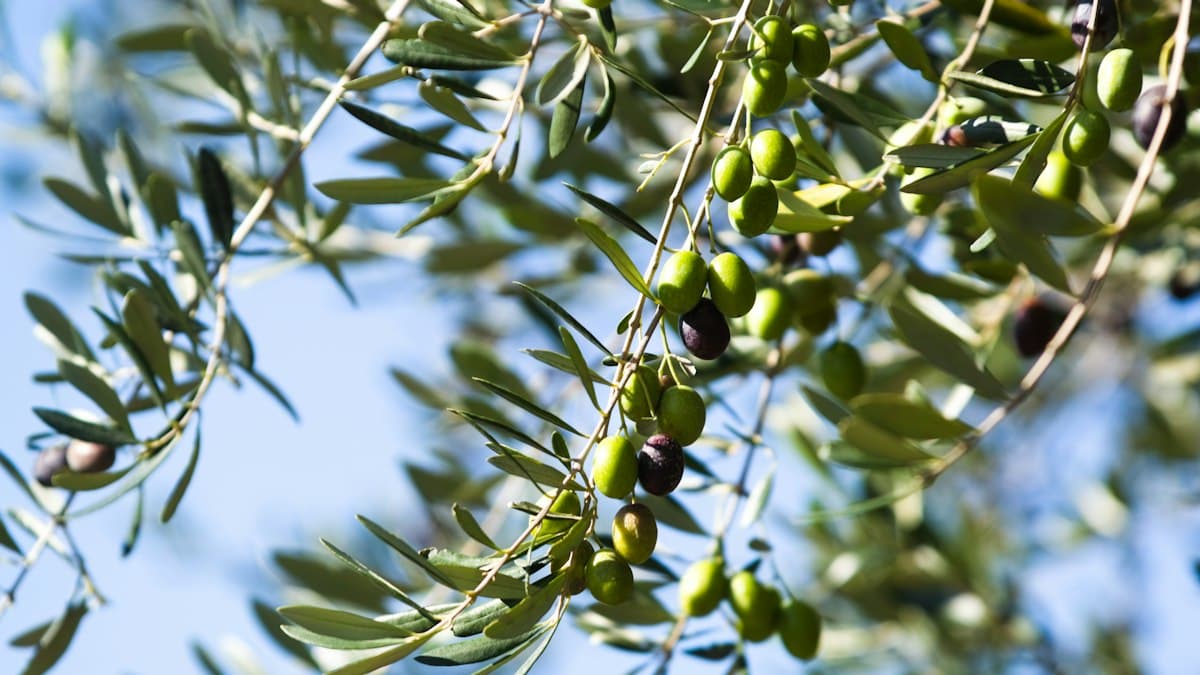
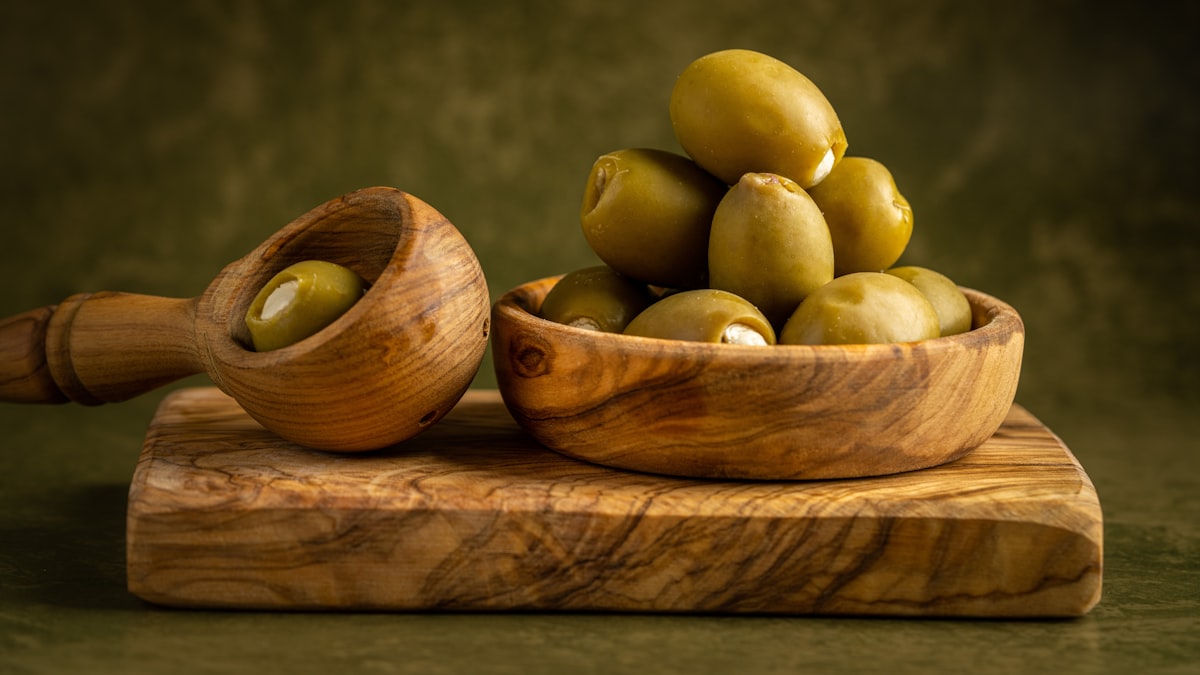
The primary component of extra-virgin olive oil (EVOO) is oleic acid, a monounsaturated fatty acid that is reported to account for approximately 70–80% of its total fatty acid content. Research has reported that oleic acid stimulates bile acid secretion, which aids in the emulsification of fats. When bile acids are secreted in sufficient amounts, the fat-soluble environment inside the intestine improves, allowing fat-soluble nutrients — vitamins A, D, E, and K — to be incorporated efficiently into micelle structures for absorption.
A study published in the American Journal of Clinical Nutrition reported that meals containing adequate fat produced a significantly greater rise in blood concentrations of fat-soluble vitamins compared with low-fat meals. That said, it is too early to isolate olive oil's contribution from the broader dietary context, and results may differ depending on overall diet composition and an individual's health status.
Vitamin K2 and the Direction Calcium Travels
Another nutrient that frequently comes up in discussions of calcium is vitamin K2. It is associated with the activation of a protein called osteocalcin, which is involved in the process of binding calcium to bone. Like vitamin D, K2 is fat-soluble — its absorption also depends on an adequate fat-rich meal environment.
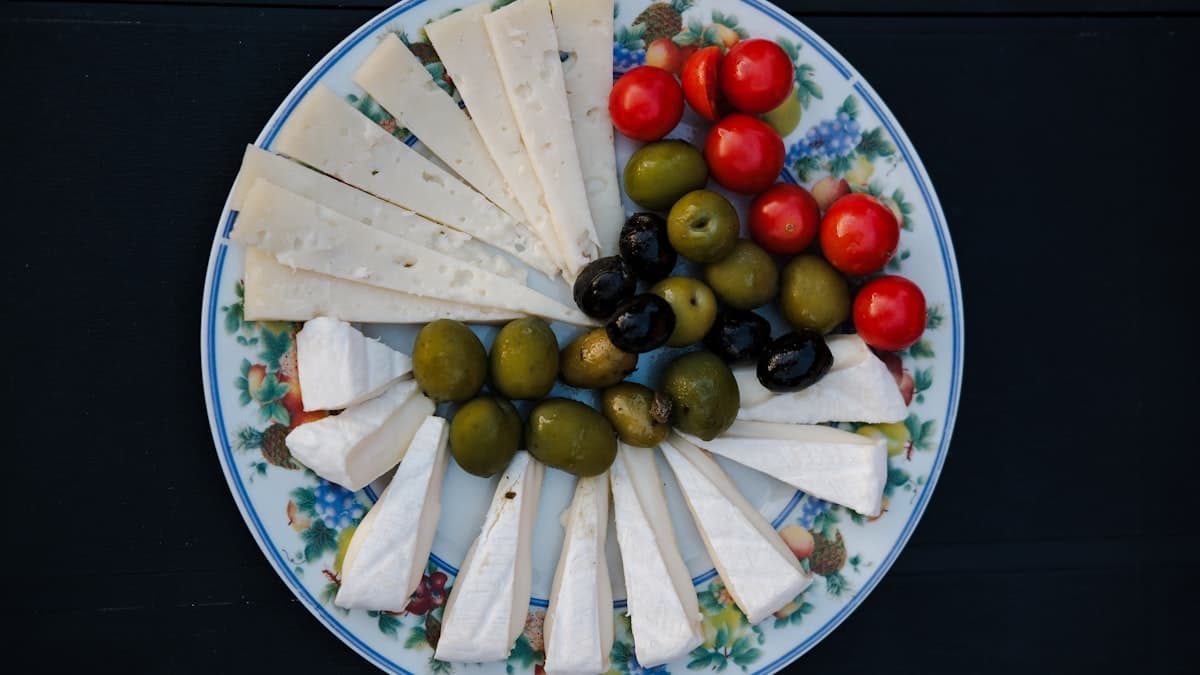
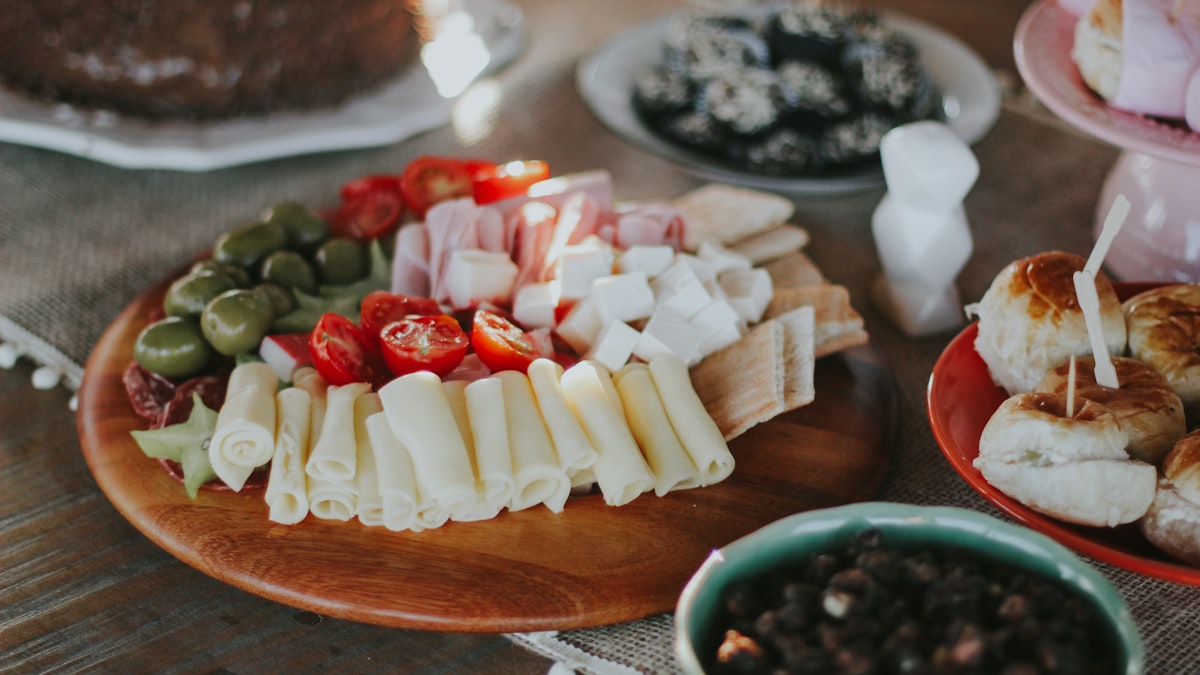
The Mediterranean diet, which traditionally pairs dairy foods (cheese, butter, yogurt) with extra-virgin olive oil at the same meal, naturally creates a structure in which calcium, vitamin D, and vitamin K2 can be consumed together. According to data from the European Food Safety Authority (EFSA), the food cultures of the Mediterranean basin have long placed olive oil and dairy within the same meal, and this dietary pattern has been consistently examined in research related to bone mineral density.
Polyphenols and Oxidative Stress — An Indirect Link
Extra-virgin olive oil contains polyphenols including oleocanthal and hydroxytyrosol, compounds that have been reported to contribute to cellular protection through antioxidant activity. Some researchers have raised the hypothesis that oxidative stress may negatively affect osteoblast activity — the cells responsible for building bone — though the available clinical data are not yet sufficient to draw firm conclusions about any specific effect.
A team of researchers at the University of Córdoba, Spain, published findings from an animal-model study in which groups given olive oil polyphenols showed altered patterns in bone marker indicators. Whether these results apply equally to humans is a question that requires additional clinical investigation.
Putting It Into Practice at the Table
Translating the background into actual meals does not require complicated planning. A few combinations are worth considering.
Yogurt + olive oil drizzle: A swirl of extra-virgin olive oil over plain Greek yogurt brings the calcium of dairy and a fat-soluble environment together in a single bowl. The grassy, slightly bitter character of a good EVOO balances well against the acidity of yogurt.
Cheese + olive oil marinade: Feta or ricotta submerged in extra-virgin olive oil keeps well and functions naturally as a Mediterranean-style starter, combining a calcium source with dietary fat in a single preparation.
Milk-based soup + olive oil finish: A white soup made with milk rather than cream gains both depth of flavor and a fat-soluble context when finished with a spoonful of olive oil — no added cream necessary.
The broader point is to look at the pattern of the whole diet rather than focusing on the function of any single ingredient. The WHO's nutritional guidelines recommend evaluating dietary patterns in their entirety rather than judging individual nutrients in isolation.
Editor's Note
The relationship between olive oil and calcium is best understood not as a direct causal link but as an indirect one: olive oil may contribute to creating the fat-soluble environment in which vitamins D and K2 — the key intermediary nutrients for calcium absorption and utilization — can be absorbed more effectively. The Mediterranean diet has long embodied this structure in practice. Individual outcomes, however, vary according to personal health status, underlying conditions, and any medications being taken, so anyone considering a specific dietary approach is advised to consult a qualified health professional.
Frequently asked questions
- Does olive oil actually help your body absorb calcium?
- Not directly. The connection is indirect: calcium absorption depends heavily on vitamin D, which is fat-soluble. Research has reported that fat-soluble vitamins reach meaningfully higher blood concentrations when consumed with adequate dietary fat. Extra-virgin olive oil can provide that fat, helping to create the gut environment in which vitamin D — and therefore calcium utilization — may function more effectively. It is too early to attribute a specific effect to olive oil alone.
- What is the role of vitamin K2 in calcium and bone health?
- Vitamin K2 is associated with the activation of a protein called osteocalcin, which is involved in binding calcium to bone. Like vitamin D, K2 is fat-soluble, meaning it requires adequate dietary fat for absorption. Dairy foods such as cheese and butter contain both calcium and vitamin K2, and pairing them with extra-virgin olive oil is consistent with how the Mediterranean diet has traditionally structured meals.
- What did the American Journal of Clinical Nutrition find about fat and fat-soluble vitamins?
- A study published in the American Journal of Clinical Nutrition reported that meals containing adequate fat produced a significantly greater rise in blood concentrations of fat-soluble vitamins compared with low-fat meals. The research did not isolate olive oil specifically, and outcomes can vary depending on overall diet composition and individual health status.
- Do the polyphenols in extra-virgin olive oil have any connection to bone health?
- Some researchers have raised the hypothesis that oxidative stress may negatively affect osteoblast activity, and polyphenols such as oleocanthal and hydroxytyrosol found in EVOO have been reported to have antioxidant properties. An animal-model study published by researchers at the University of Córdoba, Spain, observed changes in bone marker indicators in groups given olive oil polyphenols. Whether those findings translate to humans remains an open question requiring further clinical research, and it is too early to draw firm conclusions.
- What are practical ways to combine olive oil and calcium-rich foods in a meal?
- Several straightforward pairings work well. A drizzle of extra-virgin olive oil over plain Greek yogurt brings calcium and a fat-rich environment into a single bowl. Feta or ricotta marinated in EVOO makes a simple Mediterranean-style starter. A milk-based white soup finished with a spoonful of olive oil gains both flavor and a fat-soluble context without heavy cream. The WHO's nutritional guidelines recommend evaluating dietary patterns as a whole rather than focusing on individual nutrients, so these combinations are best understood as part of a varied, balanced diet.
Related reading
- Bone Health and the Mediterranean Table: The Case for EVOO in Your Daily Diet
Research is accumulating on how an olive oil-centered Mediterranean diet may contribute to maintaining bone density. A look at the roles of polyphenols and oleic acid, alongside practical guidance on building that diet.
- Bone Health After Menopause: The Role EVOO Can Play at the Table
As estrogen declines at menopause, bone density can shift more quickly than many women expect. A growing body of research is exploring how extra virgin olive oil — the cornerstone of the Mediterranean diet — may fit into a bone-supportive eating pattern.
- Dietary Fat, Magnesium, and the Mediterranean Table: What the Research Shows So Far
Evidence is accumulating that the type of dietary fat consumed alongside magnesium-rich foods may influence how well that mineral is absorbed. This guide surveys current research on olive oil, fatty acid composition, and mineral metabolism.
- Beyond BMI: Dietary Fat Quality, Olive Oil, and Metabolic Health Research
Two people can share the same BMI and yet show markedly different blood lipid profiles, insulin sensitivity, and visceral fat distribution. A growing body of clinical research suggests that the type of fat consumed — not just total calories — may be a meaningful variable in metabolic health.
- Does Olive Oil You Eat Reach Your Skin? A Clinical Research Roundup
A growing body of clinical research is examining whether regular dietary intake of olive oil is associated with measurable changes in skin hydration and elasticity. This guide summarizes the current evidence, its limits, and how the findings sit within the broader context of Mediterranean eating patterns.
- Senescent Cells, Senolytics, and the Question of Olive Oil Polyphenols
The senolytic diet hypothesis has drawn attention to plant polyphenols as potential allies against aging cells. This guide maps where extra virgin olive oil's oleocanthal and related phenolic compounds currently sit in that research — and what the evidence cannot yet support.
Tags
- calcium absorption
- fat-soluble vitamins
- bone health
- extra virgin olive oil
- mediterranean diet
- vitamin d