Guides
Olive Oil on an Empty Stomach: Timing, Dosage, and What the Research Actually Shows
The Mediterranean habit of swallowing a spoonful of extra virgin olive oil before breakfast has gone global. Here is what current research says about timing, optimal amount, and why polyphenol content is the variable that matters most.
Translated from the Korean edition, originally published August 4, 2026 · read the original
Why 'Olive Oil on an Empty Stomach' Has Captured Attention
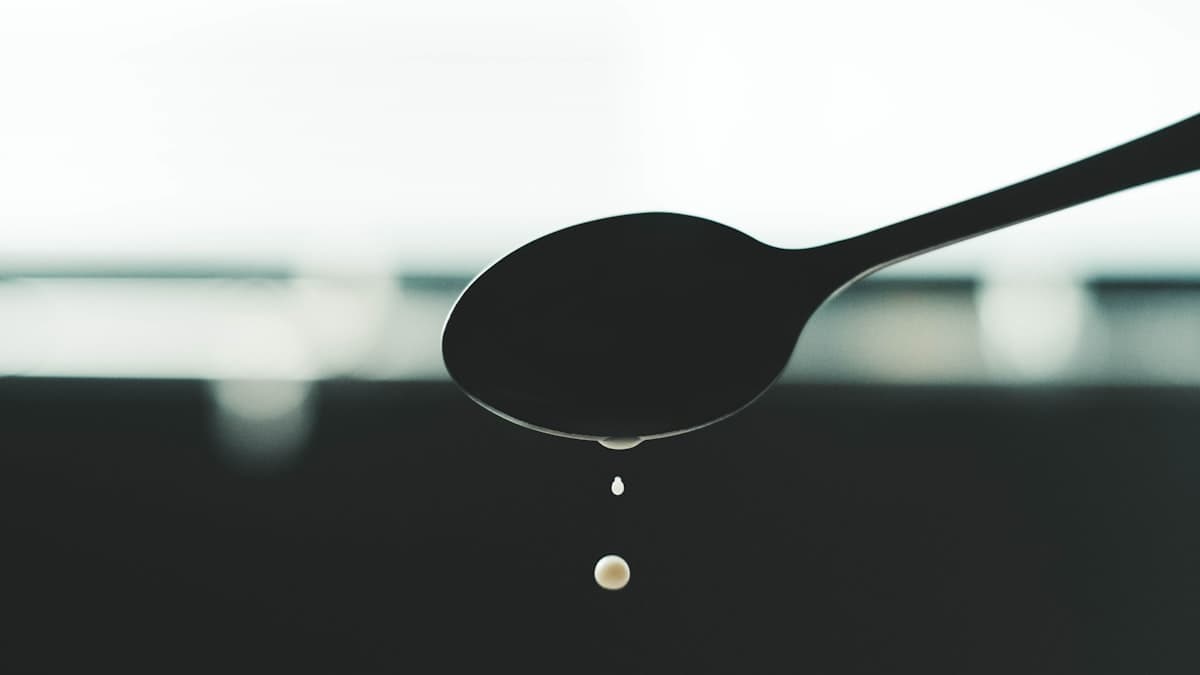
Along the Mediterranean coast, swallowing a spoonful of extra virgin olive oil (EVOO) before breakfast has long been a household habit. In recent years that habit has travelled rapidly through social media and wellness communities, turning 'empty-stomach olive oil' into a recurring search term worldwide. It may look like a passing trend, but the scientific discussion underneath it centres on something concrete: how the body absorbs oleic acid and phenolic compounds when the stomach is empty compared with when food is already present.
When no food is present, gastric acid concentration and digestive enzyme secretion follow a different pattern. That difference, researchers hypothesise, may influence both lipid absorption rates and the bioavailability of polyphenols — which is what has drawn increasing attention to the timing question.
Absorption and Timing — What the Research Reports
A review published in the journal Nutrients in 2020 reported that phenolic compounds in EVOO — including oleocanthal and oleuropein — may encounter conditions more favourable for absorption when taken on an empty stomach, because the longer transit time through the small intestinal mucosa allows for extended contact. The authors added, however, that this effect is likely to vary with individual gut microbiota composition and gastric emptying speed, and stated that the evidence is not yet sufficient to support broad generalisation.
Separately, a clinical observational study conducted by a research team at Spain's CSIC (Consejo Superior de Investigaciones Científicas) found that participants who consumed EVOO before breakfast showed statistically higher blood concentrations of phenolic metabolites than those who consumed it after a meal. The researchers noted that the participant group was small, and cautioned against drawing definitive conclusions from the result.
Oleic acid itself is lipid-soluble and follows the fat-absorption pathway regardless of fasting status. There is, however, an interpretation that when the stomach is empty, bile acid secretion is stimulated more rapidly, accelerating emulsification and increasing initial contact with lipase enzymes — a plausible mechanism, though one that requires further clinical investigation.
The Evidence Behind 'One Spoonful'
Both the International Olive Council (IOC) and the European Food Safety Authority (EFSA) have referenced a daily intake of 20 g — approximately 1.5 tablespoons — as a benchmark in discussions of EVOO's phenolic compounds. In its 2011 official opinion, EFSA stated that a daily intake of 20 g of EVOO may contribute to the protection of blood LDL lipids from oxidative stress, provided that the oil contains phenolic compounds at or above a defined threshold of 5 mg per 20 g.
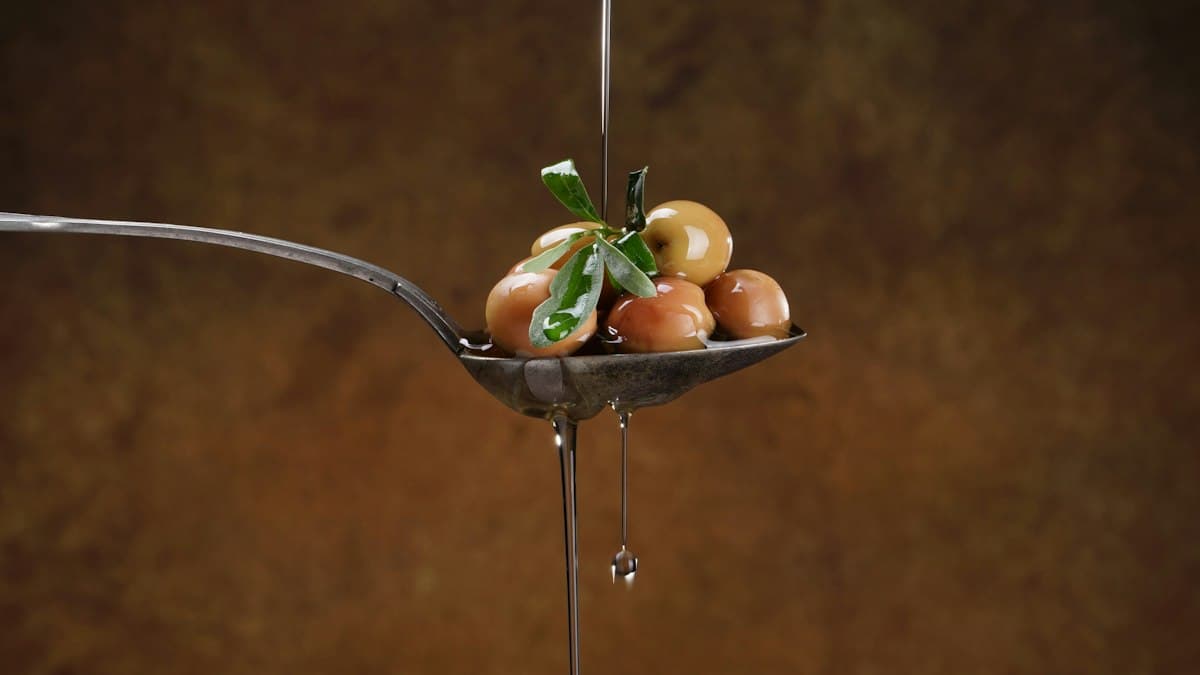
The popular 'morning spoonful' of 15 mL sits at the lower boundary of that reference amount. When consuming olive oil on its own, 15–20 mL is the range most commonly mentioned in the context of minimising gastric mucosal irritation; there is currently no well-supported rationale for going beyond that amount. It is also worth remembering that 15 mL of olive oil provides roughly 120 kcal, which should be factored into overall daily energy intake.
Why Polyphenol Content Is the Variable That Matters
Any discussion of timing becomes secondary if the oil itself is low in phenolic compounds. Polyphenol content varies widely depending on cultivar, harvest date, pressing method, and storage conditions. A significant proportion of EVOOs on the market are reported to contain fewer than 200 mg/kg of polyphenols — below the 250 mg/kg level implied by the EFSA standard of 5 mg per 20 g.
Oils produced from early-harvest olives tend to have higher polyphenol density. Low acidity is widely used as an indicator that freshness has been well preserved during production and storage. If the goal is to maximise phenolic intake through morning consumption, selecting an oil that clearly states both its acidity and its polyphenol content is the most straightforward starting point.
Beyond Timing: Other Factors to Consider
Empty-stomach consumption is not equally suited to everyone. In people with gastroesophageal reflux disease (GERD) or gallbladder issues, fat consumed on an empty stomach can stimulate gallbladder contractions and cause discomfort, as reported in clinical observations. For those individuals, consuming the olive oil alongside a small amount of whole-grain bread or vegetables is often mentioned as a practical alternative.
On the question of the best moment within the morning, some researchers have suggested that 30–60 minutes after waking may align with a more stable phase of gastric acid secretion compared with the immediate post-waking period. No large-scale clinical trial has directly compared the two windows, however, so it is too early to conclude which is preferable.
Because heat reduces polyphenol content, olive oil taken for its phenolic properties should always be consumed unheated. Storing an opened bottle in a cool, dark place and finishing it within 60 days are the standard recommendations for maintaining quality.
A Checklist Before You Start
For anyone considering making empty-stomach olive oil a daily habit, a few points are worth reviewing first. Confirm that the EVOO has an acidity of 0.3% or below and a stated polyphenol content of 250 mg/kg or more. Begin with 5 mL (one teaspoon) for the first week and observe how your digestive system responds before increasing the amount. Follow the olive oil with a regular meal within 30 minutes so that the fasting window does not extend unnecessarily. And if you have any history of digestive conditions, discuss the plan with a physician before proceeding.
The empty-stomach habit connects naturally to the broader philosophy of the Mediterranean diet. The evidence suggests that no single ingredient or single routine determines health outcomes on its own; rather, this kind of practice carries its greatest meaning as part of an overall dietary pattern built around plant-based fats, vegetables, and whole grains.
Frequently asked questions
- Does taking olive oil on an empty stomach improve absorption?
- A 2020 review published in Nutrients reported that phenolic compounds in EVOO — including oleocanthal and oleuropein — may encounter more favorable absorption conditions when the small intestine is not occupied with other food, allowing longer mucosal contact time. However, the same researchers noted that outcomes vary with individual gut microbiota and gastric emptying rate, and that the evidence is not yet sufficient to generalize the finding.
- How much olive oil should I take on an empty stomach?
- The European Food Safety Authority (EFSA) referenced 20 g (roughly 1.5 tablespoons) per day in its 2011 opinion on olive oil polyphenols. The commonly cited 'morning spoonful' of 15 mL sits at the lower end of that range. There is currently no strong evidence to recommend going above 15–20 mL when consuming olive oil on its own, and the calorie count — approximately 120 kcal per 15 mL — is worth factoring into daily intake.
- What polyphenol level should an EVOO have to meet the EFSA standard?
- EFSA's 2011 opinion specifies that the protective effect on blood LDL lipids applies when the olive oil provides at least 5 mg of phenolic compounds per 20 g — equivalent to 250 mg/kg or more. Many commercially available EVOOs fall below 200 mg/kg, so checking the stated polyphenol content before purchasing is worthwhile, especially if the goal is to maximize phenolic intake.
- Is olive oil on an empty stomach safe for everyone?
- Not necessarily. In people with gastroesophageal reflux disease (GERD) or gallbladder concerns, consuming fat on an empty stomach can stimulate gallbladder contractions and cause discomfort, as reported in clinical observations. For those groups, consuming a small amount of whole-grain bread or vegetables alongside the olive oil is often suggested as an alternative approach. Anyone with a digestive condition should consult a physician before adopting the habit.
- Does it matter what time of morning you take it?
- Some researchers have noted that 30–60 minutes after waking — rather than immediately upon rising — may coincide with a more stable phase of gastric acid secretion, which could be relevant to comfort and absorption. However, no large-scale clinical trial has directly compared early-morning versus mid-morning timing, so it is too early to draw firm conclusions.
Related reading
- Telomeres, Oxidative Markers, and EVOO: What the Research Shows So Far
A growing body of research is examining how extra virgin olive oil's polyphenols and oleic acid relate to telomere length and oxidative stress biomarkers. This editor's note surveys the current science and its limitations.
- Cortisol, Stress, and Olive Oil: What the Dietary Research Has Found
When chronic stress disrupts cortisol output, the overall dietary pattern — not any single food — appears to matter most. Here is a look at what current research says about the Mediterranean diet, the HPA axis, and where extra-virgin olive oil fits in.
- Visceral Fat After Menopause: Where Olive Oil and the Mediterranean Diet Fit In
After menopause, falling estrogen shifts fat storage toward the abdomen. Here is what the latest research says about olive oil, monounsaturated fats, and the Mediterranean dietary pattern in relation to visceral fat.
- Bone Density Around Menopause: What Clinical Research Says About Olive Oil
As estrogen levels fall, bone resorption accelerates — and researchers have begun asking whether the quality of dietary fat plays a role. A look at the clinical and nutritional-epidemiology evidence linking extra virgin olive oil to bone metabolism around menopause.
- Dietary Fat, Magnesium, and the Mediterranean Table: What the Research Shows So Far
Evidence is accumulating that the type of dietary fat consumed alongside magnesium-rich foods may influence how well that mineral is absorbed. This guide surveys current research on olive oil, fatty acid composition, and mineral metabolism.
- Does Olive Oil You Eat Reach Your Skin? A Clinical Research Roundup
A growing body of clinical research is examining whether regular dietary intake of olive oil is associated with measurable changes in skin hydration and elasticity. This guide summarizes the current evidence, its limits, and how the findings sit within the broader context of Mediterranean eating patterns.
Tags
- evoo
- wellness
- polyphenols
- absorption
- morning routine