Guides
Olive Oil and Skin Aging: What Polyphenol and Antioxidant Research Actually Shows
Extra virgin olive oil contains hundreds of phenolic compounds — including oleocanthal and hydroxytyrosol — that researchers have linked to oxidative stress reduction and collagen-related pathways. Here is what the key studies say, and what remains to be proven.
Translated from the Korean edition, originally published August 3, 2026 · read the original
Skin Aging as an Oxidative Stress Problem
Skin aging follows two broad tracks. Intrinsic aging is driven by genetic programming; extrinsic aging is triggered by external factors such as UV radiation, pollution, and smoking. Both tracks share a common underlying mechanism: oxidative stress. When reactive oxygen species (ROS) attack cell-membrane lipids, DNA, and proteins, collagen and elastin fibers break down — producing deeper wrinkles and loss of elasticity.
This is where extra virgin olive oil (EVOO) enters the conversation. Beyond its fatty acid profile, EVOO contains hundreds of phenolic compounds that have been reported to play a role in scavenging free radicals. According to a review published in Nutrients in 2020, the phenolic components of olive oil may inhibit lipid peroxidation and contribute to the activity of intracellular antioxidant enzymes.
The Polyphenol Profile of Extra Virgin Olive Oil
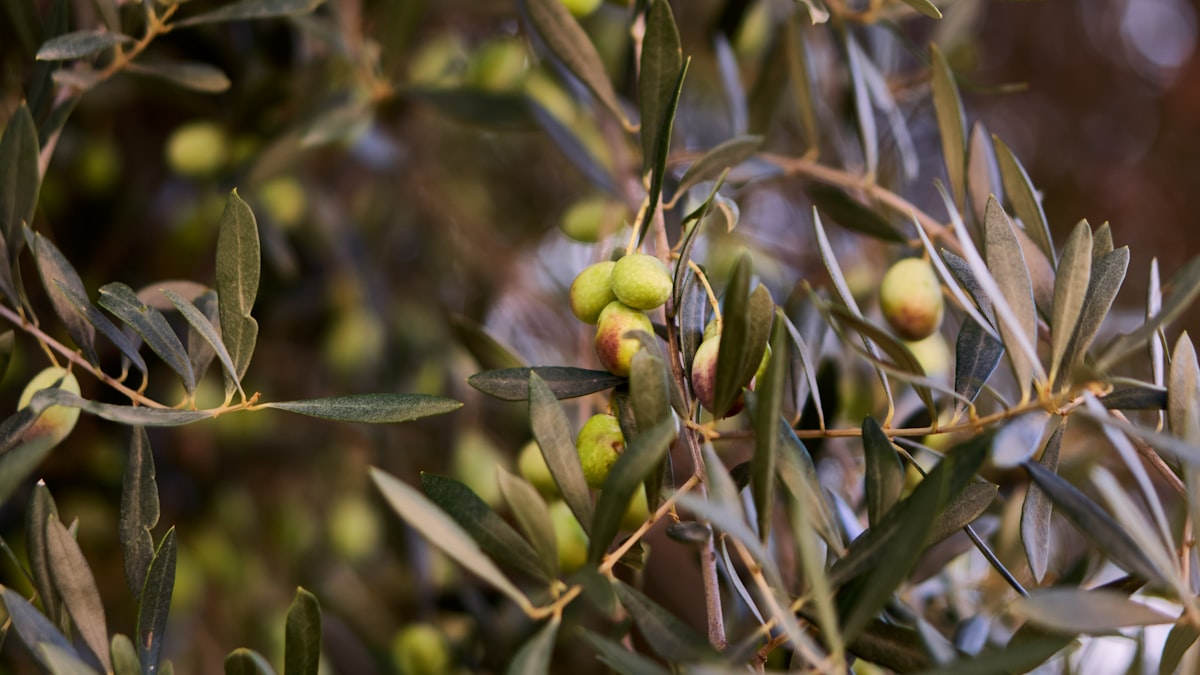
Three compounds within EVOO's phenolic profile have attracted the most research attention. First, oleocanthal shares a structural resemblance with ibuprofen and has been reported to interact with COX enzyme pathways involved in inflammatory signaling. The 2005 study by Beauchamp et al., published in Nature, is frequently cited as the starting point for this line of inquiry. Second, oleuropein and its metabolite hydroxytyrosol have been reported to show higher free-radical scavenging activity than vitamin E in DPPH and ABTS assays, according to a study in Food Chemistry (2017). Third, squalene is itself a natural component of the skin's sebum layer and has been suggested to contribute to protecting skin cells from UV-induced lipid oxidation, though the clinical evidence for this remains limited.
Polyphenol content in EVOO ranges broadly — from tens to several hundred mg/kg — depending on cultivar, harvest timing, and processing method. According to data from the International Olive Council (IOC), early-harvested, cold-pressed EVOO consistently shows significantly higher phenolic concentrations.
Collagen Synthesis and Photoaging: Current Research
The visible markers of skin aging — wrinkles and sagging — are closely tied to the depletion of collagen and elastin in the dermis. UVB radiation is known to activate matrix metalloproteinases (MMPs), enzymes that accelerate collagen degradation.
A cell study published in the Journal of Dermatological Science in 2019 reported that dermal fibroblasts treated with hydroxytyrosol showed a tendency toward reduced UVB-induced MMP-1 expression. However, the study was conducted under in vitro conditions, and it is too early to conclude that dietary intake of olive oil would produce the same outcome in living tissue.
Epidemiological research on the Mediterranean diet more broadly also exists. Data from the EPIC cohort study — which analyzed populations across six European countries and was published in 2012 — suggested that a Mediterranean dietary pattern centered on olive oil may be inversely associated with markers of skin photoaging. Researchers themselves emphasize, however, that diet is a complex variable, making it difficult to isolate olive oil as an independent cause.
Eating It vs. Applying It: Different Mechanisms
Consuming olive oil and applying it topically engage entirely different biological pathways. When ingested, polyphenols are metabolized by gut microbiota, and the resulting compounds can reach skin tissue through the bloodstream. A 2021 review in Antioxidants reported that hydroxytyrosol is detectable in plasma after oral intake and has been associated with reductions in oxidative stress biomarkers.
Topical application faces different constraints. Most polyphenols have relatively large molecular weights and are hydrophilic, which makes penetrating the skin barrier difficult. Squalene is a notable exception: its high affinity for sebum raises the possibility of direct involvement in surface skin protection, but even here the research community considers clinical efficacy insufficiently established.
From a practical standpoint, using EVOO consistently in dressings, marinades, and other low-heat preparations is generally considered more favorable for preserving polyphenol content. High-temperature cooking can degrade some heat-sensitive phenolic compounds, though a study published in Food and Chemical Toxicology (2018) reported that oleocanthal is largely retained at temperatures below 180°C.
Quality Determines Polyphenol Content
One prerequisite applies to every claim in this area: the olive oils used in research are almost always high-quality EVOO — low in acidity, high in polyphenol concentration. Standard "pure olive oil" or refined olive oil has a markedly different phenolic profile and should not be assumed to behave the same way.
Per IOC standards, EVOO must have acidity below 0.8% and a peroxide value below 20 meq/kg. Beyond those thresholds, polyphenol content is rarely declared on labels, so checking the harvest year, origin, and any third-party certification becomes important when selecting a bottle. Because polyphenols oxidize and diminish over time after harvest, the production date and best-by date are meaningful criteria alongside the quality benchmarks.
The most accurate framing supported by current research is not that olive oil is a standalone solution to skin aging, but rather that it can serve as one polyphenol-rich element within a balanced dietary pattern. Related clinical trials are ongoing, and more precise guidance on intake levels and measurable effects is expected to emerge from larger-scale human studies in the years ahead.
Frequently asked questions
- Can olive oil really slow skin aging?
- Research suggests that polyphenols in extra virgin olive oil — particularly hydroxytyrosol and oleocanthal — are associated with reduced oxidative stress markers, which play a role in skin aging. However, it is too early to conclude that consuming olive oil directly prevents or reverses skin aging; larger-scale clinical trials in humans are still ongoing.
- How much polyphenol does extra virgin olive oil contain?
- Polyphenol content in extra virgin olive oil varies widely — from tens to several hundred mg/kg — depending on cultivar, harvest timing, and processing method. According to the International Olive Council (IOC), early-harvested, cold-pressed EVOO tends to have significantly higher phenolic concentrations.
- Is it better to eat olive oil or apply it to skin?
- The two routes work differently. When consumed, polyphenols are metabolized by gut microbiota, and their byproducts can reach skin tissue via the bloodstream. A 2021 review in Antioxidants reported that hydroxytyrosol is detectable in plasma after oral intake and has been associated with reductions in oxidative stress biomarkers. Topical application is limited by the relatively large molecular size and hydrophilic nature of most polyphenols, which makes crossing the skin barrier difficult. Squalene is an exception, given its affinity for sebum, but clinical evidence for topical efficacy remains insufficient.
- Does cooking destroy the polyphenols in olive oil?
- High heat can degrade some heat-sensitive phenolic compounds. However, a study published in Food and Chemical Toxicology (2018) reported that oleocanthal is largely retained at temperatures below 180°C. Using EVOO in dressings, marinades, or other low-heat preparations is generally considered more favorable for preserving polyphenol content.
- What should I look for when buying olive oil for its polyphenol content?
- Polyphenol levels are rarely listed on labels, so other indicators matter: check the harvest year, origin, and any third-party certification. Per IOC standards, EVOO must have acidity below 0.8% and a peroxide value below 20 meq/kg. Because polyphenols oxidize and diminish over time, the production date and best-by date are important selection criteria alongside those quality benchmarks.
Related reading
- Senescent Cells, Senolytics, and the Question of Olive Oil Polyphenols
The senolytic diet hypothesis has drawn attention to plant polyphenols as potential allies against aging cells. This guide maps where extra virgin olive oil's oleocanthal and related phenolic compounds currently sit in that research — and what the evidence cannot yet support.
- Olive Oil in Post-Exercise Recovery Diets: A Guide to the Polyphenol and Muscle-Damage Research
Studies in sports nutrition are examining whether the polyphenols in extra virgin olive oil are associated with lower oxidative-stress markers after intense exercise. Here is a summary of where the research currently stands.
- Oleocanthal: The Molecule Behind That Peppery Throat Sting in Fresh EVOO
Polyphenols are the defining variable that separates extra virgin olive oil from ordinary fat — and oleocanthal is the most talked-about molecule among them. Here is how it was discovered, what has been demonstrated, and where the science draws the line.
- Does Olive Oil You Eat Reach Your Skin? A Clinical Research Roundup
A growing body of clinical research is examining whether regular dietary intake of olive oil is associated with measurable changes in skin hydration and elasticity. This guide summarizes the current evidence, its limits, and how the findings sit within the broader context of Mediterranean eating patterns.
- Olive Oil, Antioxidants, and Fatigue: A Guide to the Emerging Clinical Research
Extra virgin olive oil is drawing growing attention in oxidative stress and chronic fatigue research, with its polyphenols and oleic acid studied for potential roles in cellular energy metabolism. Here is what the current clinical evidence actually shows.
- Bitter, Pungent, and Perfectly Fine: How Oleocanthal and Oleacein Work on Your Palate
The sharp bitterness and throat-catching sting in a great extra virgin olive oil are not defects — they are the fingerprint of two polyphenol compounds, oleocanthal and oleacein, binding to distinct receptors in your mouth and throat.