Guides
The 600+ Club: World's Highest-Polyphenol Extra Virgin Olive Oils Compared
The EU health-claim threshold of 250 mg/kg polyphenols is closer to a starting line than a finish line. The world's elite high-polyphenol EVOOs begin at double that figure and, in a handful of cases, climb four to eight times higher.
Translated from the Korean edition, originally published February 18, 2025 · read the original
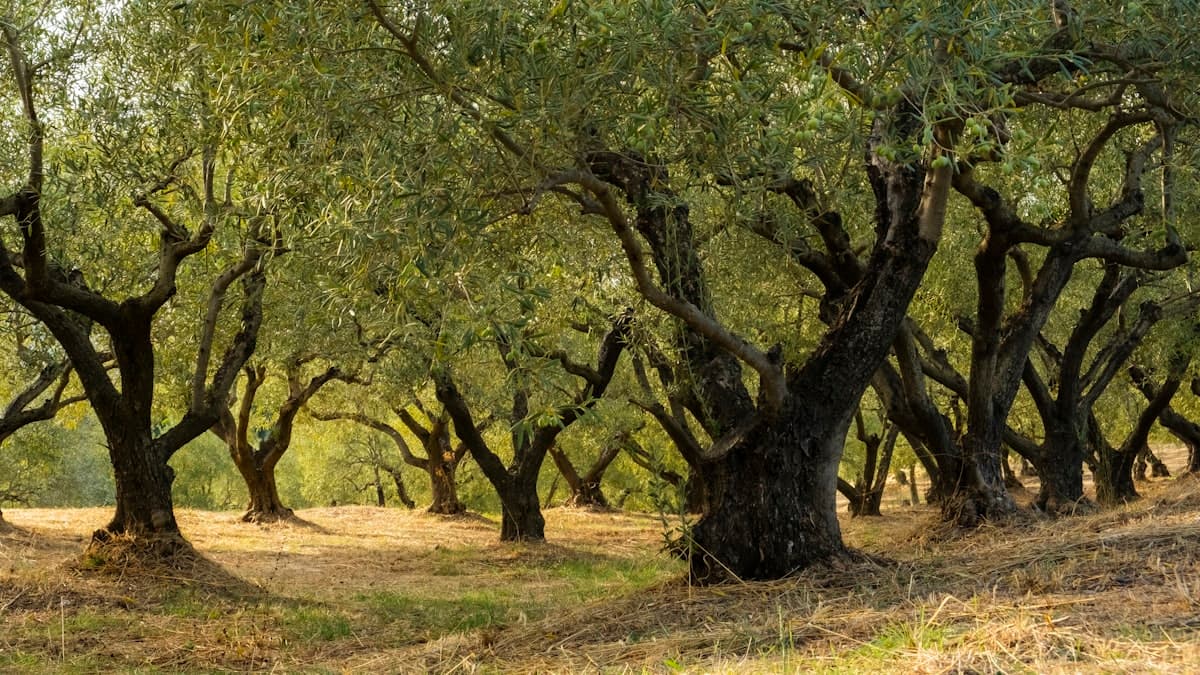
The EU health-claim threshold of 250 mg/kg polyphenols is, in practical terms, a relatively modest baseline. The premium end of the global EVOO market starts at roughly 500–600 mg/kg — about double that figure — and a select group of single-estate producers report values between 1,000 and 2,000 mg/kg. Within the broad category of "extra virgin olive oil," the farms that consistently occupy high-polyphenol territory are few.
What 600 mg/kg Actually Means
The polyphenols in olive oil are a collective measure of antioxidant compounds including oleocanthal, oleuropein, and hydroxytyrosol. Together they drive the peppery finish and pleasant bitterness of a fresh-pressed oil, and they directly influence its oxidative stability. EU Regulation 1924/2006 permits producers to carry the health claim that the oil "protects blood lipids from oxidative stress" only when polyphenol content reaches 250 mg/kg or above. In market practice, however, "high-polyphenol" labelling typically begins at around double that threshold, and 600 mg/kg is widely treated as the entry point into a more serious premium category.
Single Estates in the 600+ Club
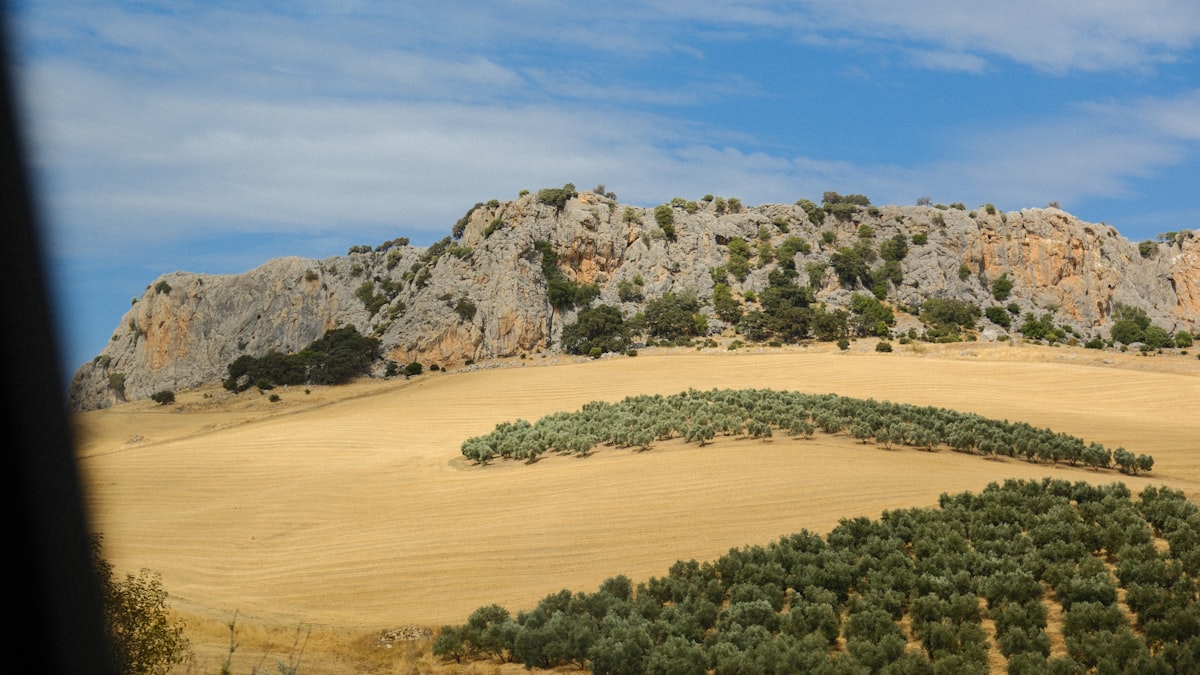
Sakellaropoulos Organic Farms, based in Laconia, Greece, is among the most frequently cited producers at this level. According to reports in the international trade press, the farm's FYLLIKON First Harvest has recorded polyphenol levels around 2,000 mg/kg, the AGOURELAIO Early Harvest approximately 1,563 mg/kg, and the ARMONIA single-variety expression approximately 1,180 mg/kg — placing them in the four-to-eight-times-above-EU-threshold range.
In Spain, Oro Bailén Reserva Familiar Picual from Jaén has consistently published figures in the 600–800 mg/kg range, as has O-MED Picual from Granada. In Sicily, Centonze's Nocellara del Belice single-variety oil has been reported at 600–700 mg/kg, varying by vintage.
Why Lab Disclosure Is the Dividing Line
Polyphenol levels change quickly with vintage, pressing date, and storage conditions. The critical distinction between a credible 600+ claim and a marketing figure lies in the documentation behind it: which institution measured the oil, at what point after harvest, and whether that certificate is published for every vintage.
Producers who release third-party quantitative certificates — from bodies such as IRTA, OliveOilTest, or MOI — for each new harvest stand in a different position from those who cite only internal laboratory results in promotional materials. That information gap is material when a buyer is comparing labels that carry the same "polyphenol 600+" claim.
What to Look for When Buying
High-polyphenol EVOOs in the 600+ range are available internationally through specialist importers, premium food retailers, and direct online channels. Whichever route you use, the most reliable signal on any bottle is whether the producer provides, alongside the polyphenol figure, a specific vintage year, a pressing or bottling date, and a named third-party testing body.
It is also worth keeping in mind that a higher polyphenol number does not in itself confirm proportionally greater benefit — the figure is best read as a nutritional data point, in the same way you would read fat or vitamin content, rather than as a therapeutic guarantee.
Acidity, polyphenol values, and availability for any of the brands mentioned can vary by vintage and import channel. Always verify current details on the label and with the retailer at the time of purchase.
Frequently asked questions
- What is considered a high-polyphenol olive oil?
- EU Regulation 1924/2006 permits a health claim for EVOOs at 250 mg/kg or above, but most producers and reviewers treat 500–600 mg/kg as the true entry point for 'high-polyphenol' olive oil. A growing number of single-estate producers regularly exceed 1,000 mg/kg.
- Which olive oil brands have polyphenols above 600 mg/kg?
- Among the most cited are Sakellaropoulos Organic Farms (Greece), with reported figures up to 2,000 mg/kg on certain harvests; Oro Bailén Reserva Familiar Picual and O-MED Picual from Spain, both reported in the 600–800 mg/kg range; and Centonze Nocellara del Belice from Sicily, reported at 600–700 mg/kg depending on vintage.
- Does higher polyphenol content mean a healthier olive oil?
- Polyphenol content is a measurable nutritional characteristic, and EU Regulation 1924/2006 associates levels above 250 mg/kg with protecting blood lipids from oxidative stress. However, it is too early to conclude that higher numbers translate proportionally to greater health benefit; polyphenol content is best treated as one nutritional data point among several.
- How do I know if a polyphenol number on an olive oil label is reliable?
- The key signal is whether the producer publishes a third-party lab certificate — from bodies such as IRTA, OliveOilTest, or MOI — for each specific vintage, rather than citing only in-house analysis figures in marketing materials. Look for the measurement date, testing institution, and vintage year alongside any polyphenol claim.
- Why do polyphenol levels vary so much from bottle to bottle?
- Polyphenol concentration in EVOO is affected by cultivar, harvest timing, pressing date, storage conditions, and time elapsed since bottling. Levels can fall significantly after the oil is made, which is why vintage-specific third-party certificates matter more than a generic label claim.
Related reading
- Does Olive Oil You Eat Reach Your Skin? A Clinical Research Roundup
A growing body of clinical research is examining whether regular dietary intake of olive oil is associated with measurable changes in skin hydration and elasticity. This guide summarizes the current evidence, its limits, and how the findings sit within the broader context of Mediterranean eating patterns.
- Senescent Cells, Senolytics, and the Question of Olive Oil Polyphenols
The senolytic diet hypothesis has drawn attention to plant polyphenols as potential allies against aging cells. This guide maps where extra virgin olive oil's oleocanthal and related phenolic compounds currently sit in that research — and what the evidence cannot yet support.
- Olive Oil, Antioxidants, and Fatigue: A Guide to the Emerging Clinical Research
Extra virgin olive oil is drawing growing attention in oxidative stress and chronic fatigue research, with its polyphenols and oleic acid studied for potential roles in cellular energy metabolism. Here is what the current clinical evidence actually shows.
- Olive Oil in Post-Exercise Recovery Diets: A Guide to the Polyphenol and Muscle-Damage Research
Studies in sports nutrition are examining whether the polyphenols in extra virgin olive oil are associated with lower oxidative-stress markers after intense exercise. Here is a summary of where the research currently stands.
- Oil Pulling with Olive Oil: The Trend, the Clinical Evidence, and the Limits
A social media revival has influencers swapping coconut oil for extra virgin olive oil in the oil-pulling routine. OLEA looks at what the clinical record actually supports — and where the claims outrun it.
- Oleocanthal: The Molecule Behind That Peppery Throat Sting in Fresh EVOO
Polyphenols are the defining variable that separates extra virgin olive oil from ordinary fat — and oleocanthal is the most talked-about molecule among them. Here is how it was discovered, what has been demonstrated, and where the science draws the line.
Tags
- polyphenols
- extra virgin olive oil
- high polyphenol evoo
- antioxidants
- olive oil guide