Guides
Marina Colonna: A Single-Estate Standard from Italy's Quietest Olive Region
Tucked into the rolling hills of Molise, Italy's smallest region, Marina Colonna has spent decades proving that a single-estate philosophy — from grove to bottle — can set a benchmark for extra virgin olive oil quality.
Translated from the Korean edition, originally published June 25, 2026 · read the original
Molise: Italy's Quietest Olive Oil Region
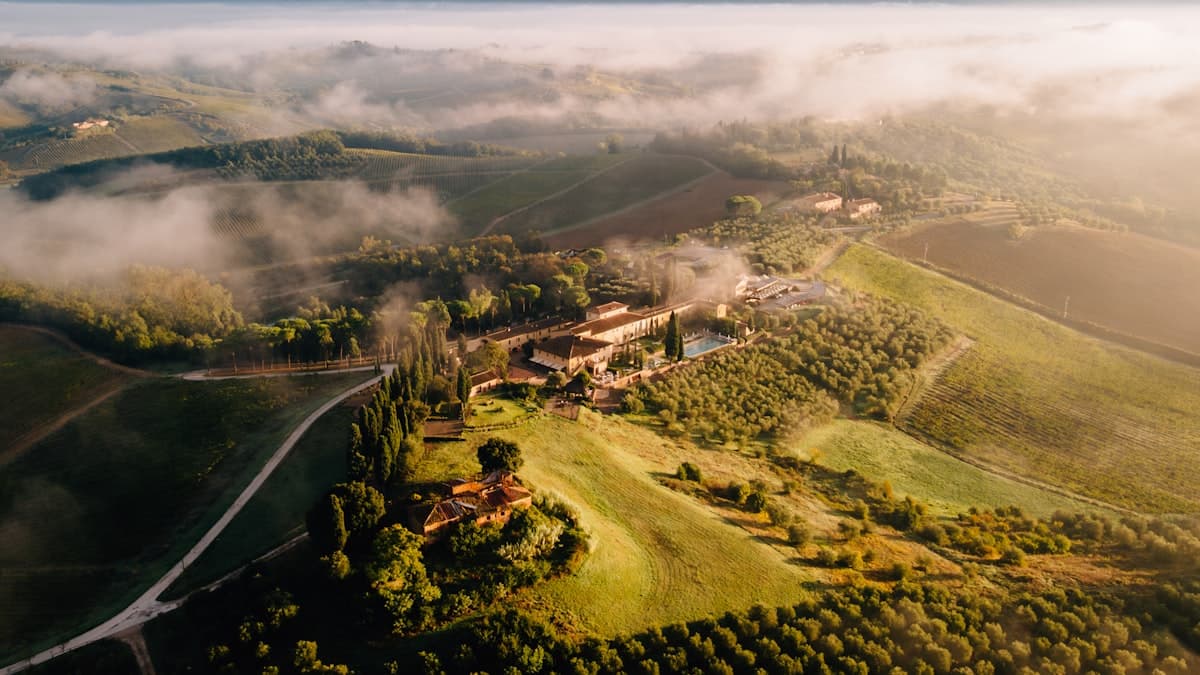
Among Italy's twenty regions, Molise is the smallest — and for a long time it was overshadowed by the louder reputations of Tuscany and Puglia. Yet the Marina Colonna estate, positioned in the central hill country of Molise, has steadily demonstrated that this understated region is capable of producing world-class extra virgin olive oil.
The property spans more than 1,000 hectares, with roughly 100 hectares dedicated exclusively to olives. Some individual trees are reported to be well over 500 years old. According to data from Italy's Ministry of Agricultural, Food and Forestry Policies (MIPAAF), Molise's terraced hillside growing environment offers excellent drainage and sun exposure — conditions that favour fruit with a high oleic acid content.
The Single-Estate Philosophy: Seed to Bottle
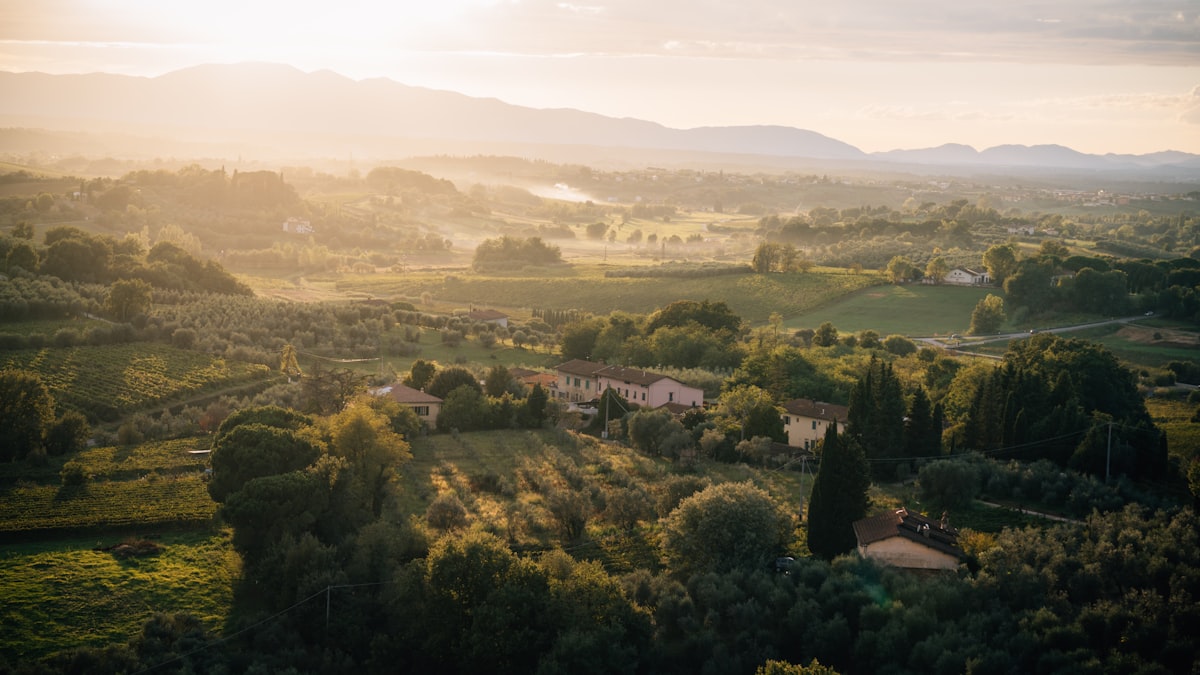
The defining principle at Marina Colonna is that every step of production — cultivation, harvest, milling, and bottling — is completed within the boundaries of a single estate. Because no outside fruit is ever blended in, the character of the terroir transfers directly into the oil, and the producer can disclose essential information — harvest year, cultivar composition, acidity — with full transparency.
Under International Olive Council (IOC) guidelines, extra virgin olive oil must meet an acidity threshold of 0.8% or below. Marina Colonna's core range is reported to come in well beneath that ceiling, a result of careful harvest timing combined with rapid milling. An IOC technical report specifically notes that milling within 24 hours of harvest is critical to acidity management.
Cultivar Diversity: A Chorus of Molise Varieties
Marina Colonna centres its production on native Molise cultivars — Italianazza, Gentile di Molise, and Olivastra — while incorporating classic Italian varieties such as Leccino and Moraiolo. This multi-cultivar approach produces a layered flavour profile in which fresh herbal notes, almond, and peppery nuance overlap and reinforce one another.
The 2023 edition of FLOS OLEI, the olive oil quality guide, described Molise as one of the Mediterranean basin's most underrated producing regions and listed Marina Colonna among its leading producers. The estate also holds a consecutive awards record at the New York International Olive Oil Competition (NYIOOC).
Polyphenols and the Logic of Early Harvest
Compounds such as oleocanthal and hydroxytyrosol in extra virgin olive oil are the subject of active research interest. A health claim approved by the European Food Safety Authority (EFSA) in 2011 states that olive oils containing polyphenols at 250 mg/kg or above are associated with protection of blood LDL cholesterol from oxidative damage. It is too early to conclude, however, what specific effect any individual oil may have, as outcomes vary with personal dietary habits and health status.
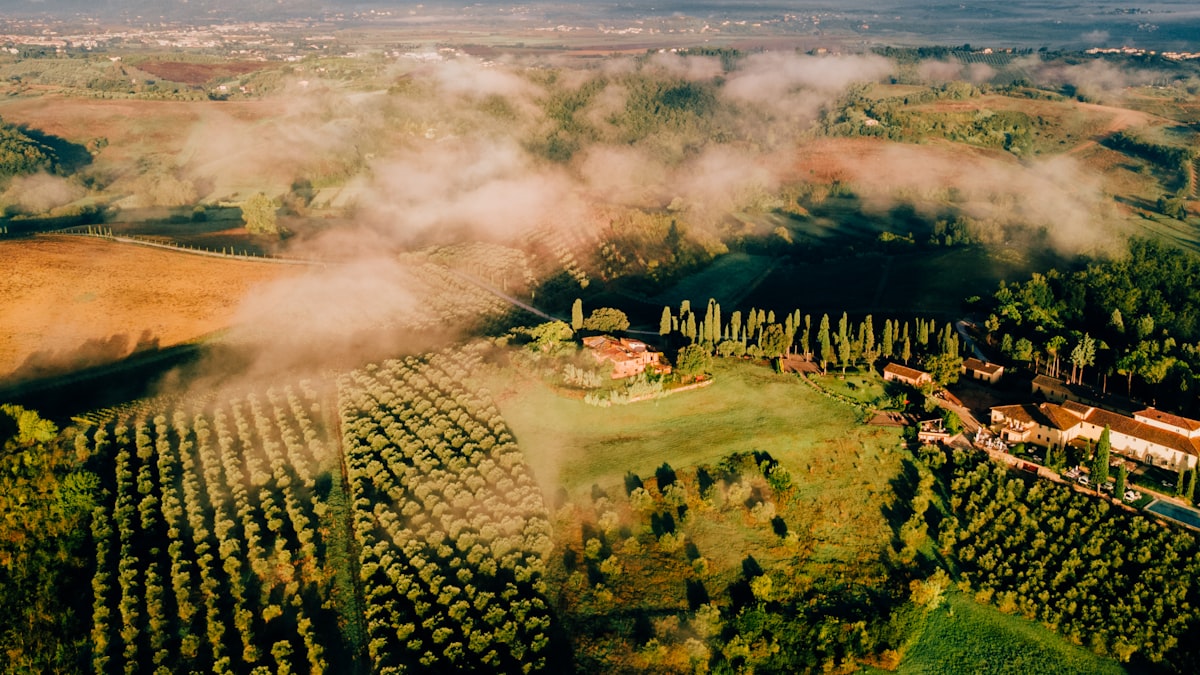
According to CNR-ISAFOM, the Italian National Research Council's Institute for Mediterranean Agricultural and Forest Systems, olives harvested before full ripeness tend to contain significantly higher polyphenol levels than those picked at peak maturity. Marina Colonna's early-harvest approach is understood as a deliberate trade-off: lower yield in exchange for higher quality.
What to Look For When Buying and Storing
Always check the harvest year printed on the label. The general industry recommendation is to consume the oil within 18 months of production; once a bottle is opened, using it within approximately six to eight weeks is considered optimal for preserving flavour. IOC storage guidelines advise keeping olive oil in a cool, dark environment at 14–18 °C.
Oils with a high polyphenol content — such as those produced by Marina Colonna — often display a pronounced bitterness and a sharp, peppery finish on the throat. These are not defects; they are recognised markers of freshness and sound raw material. A single bottle of single-estate Molise oil carries within it the contours of those hillsides, the discipline of an early harvest, and a production philosophy built on transparency.
Frequently asked questions
- What makes Marina Colonna olive oil a single-estate product?
- Every stage — growing, harvesting, milling, and bottling — takes place on the same farm in Molise. No outside fruit is blended in, which means the oil's character reflects the estate's own terroir, and key details like harvest year, cultivar, and acidity can be disclosed transparently on the label.
- Why does early-harvest olive oil tend to have more polyphenols?
- According to CNR-ISAFOM, the Italian olive oil research institute, olives picked before full ripeness tend to contain significantly higher polyphenol levels than those harvested at peak maturity. The trade-off is a lower oil yield per kilo of fruit — a quality-over-quantity decision that producers like Marina Colonna make deliberately.
- How should I store a high-polyphenol extra virgin olive oil once opened?
- IOC storage guidelines recommend keeping olive oil at 14–18 °C in a cool, dark space. Once opened, consuming the oil within approximately six to eight weeks helps preserve its flavour. Always check the harvest year on the label; the general industry recommendation is to use the oil within 18 months of production.
Related reading
- Lab Numbers vs. Living Bodies: The Truth About Olive Oil Antioxidant Assays
DPPH, FRAP, and Folin-Ciocalteu tests can put a number on an olive oil's polyphenol potential — but in-vitro results and in-vivo bioavailability are not the same thing. This guide examines the gap between the two and what it means at the table.
- Heat, Smoke, and Polar Compounds: The Chemistry of Cooking with Olive Oil
Heating olive oil triggers a cascade of hydrolysis, oxidation, and polymerization reactions that accelerate past the smoke point. This guide traces the science of polar compound formation and explains why high-polyphenol EVOO tends to hold up better under heat.
- Does Olive Oil You Eat Reach Your Skin? A Clinical Research Roundup
A growing body of clinical research is examining whether regular dietary intake of olive oil is associated with measurable changes in skin hydration and elasticity. This guide summarizes the current evidence, its limits, and how the findings sit within the broader context of Mediterranean eating patterns.
- Senescent Cells, Senolytics, and the Question of Olive Oil Polyphenols
The senolytic diet hypothesis has drawn attention to plant polyphenols as potential allies against aging cells. This guide maps where extra virgin olive oil's oleocanthal and related phenolic compounds currently sit in that research — and what the evidence cannot yet support.
- Olive Oil, Antioxidants, and Fatigue: A Guide to the Emerging Clinical Research
Extra virgin olive oil is drawing growing attention in oxidative stress and chronic fatigue research, with its polyphenols and oleic acid studied for potential roles in cellular energy metabolism. Here is what the current clinical evidence actually shows.
- Bone Health on the Table: What the Osteoblast and Calcitriol Research Says About Olive Oil
From oleic acid's reported role in osteoblast differentiation to calcitriol absorption and polyphenol activity, a growing body of cell and animal research links extra virgin olive oil to bone metabolism — though the clinical picture is still forming.
Tags
- marina colonna
- molise
- single-estate
- extra virgin olive oil
- polyphenols