Guides
California Organic Olive Oil: McEvoy Ranch and the CCOF Standard Explained
McEvoy Ranch in Marin County has helped define what organic olive oil means in California. A close look at CCOF certification standards and the farm's field-to-bottle philosophy reveals how American organic EVOO earns—and keeps—its label.
Translated from the Korean edition, originally published June 26, 2026 · read the original
Why California Olive Farms Are Drawing Attention
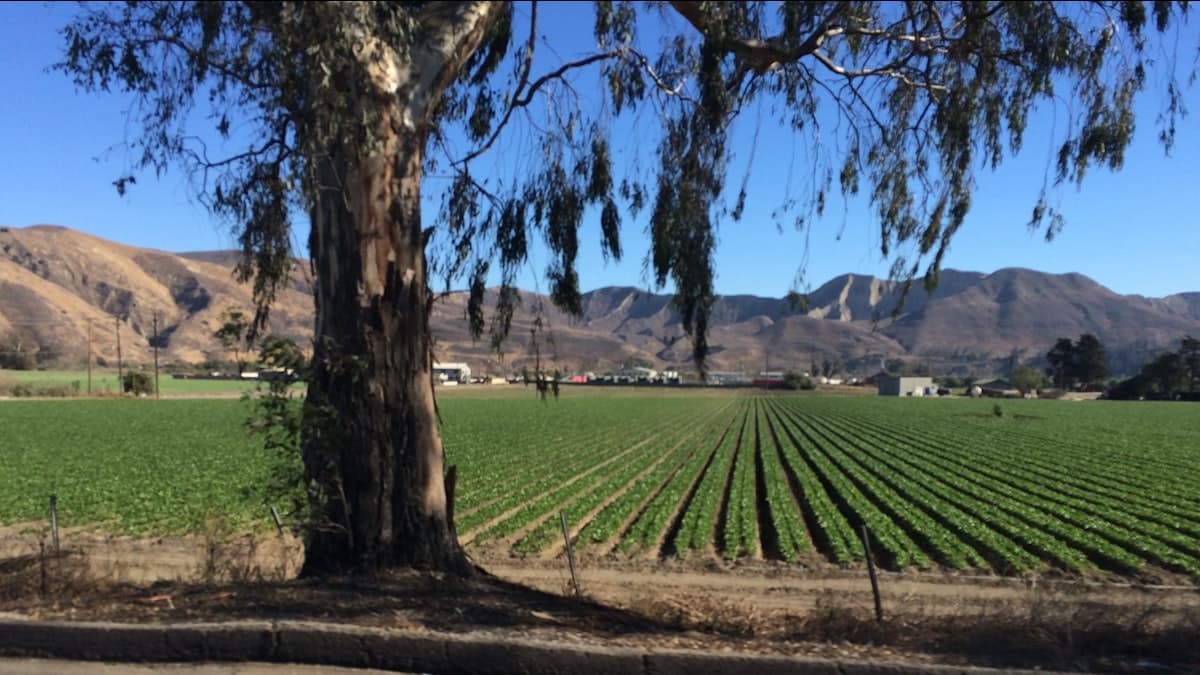
McEvoy Ranch, situated in Marin County in northern California, has been a defining presence in the state's premium olive oil industry since its founding in the early 1990s. Founder Nan McEvoy drew on Tuscan farming traditions to establish a 550-acre (approximately 220-hectare) property, and the farm committed to organic cultivation from the outset. Today it holds certification from CCOF (California Certified Organic Farmers) and is consistently cited as a reference point whenever organic standards in the California olive oil industry are discussed.
California accounts for approximately 99% of all olive oil produced in the United States. According to data from the California Olive Oil Council (COOC), in-state extra virgin olive oil production has grown steadily since the 2010s, with the share of certified organic products rising alongside overall volume. As consumer interest in origin transparency and farming practices has intensified, the credibility of certification labels has become an increasingly significant factor in purchasing decisions.
What CCOF Organic Certification Actually Guarantees
Founded in 1973, CCOF is among the earliest organic certification bodies in the United States and operates as an accredited certifier under the USDA National Organic Program (NOP). According to CCOF official documentation, obtaining certification requires that a producer refrain from using prohibited synthetic pesticides, chemical fertilizers, and genetically modified seeds for a minimum of three consecutive years, with annual on-site inspections required for renewal.
For olive oil specifically, the CCOF standard rests on three pillars. First, soil health: synthetic nitrogen fertilizers are prohibited, and producers must maintain soil microbial ecosystems through compost, cover crops, and crop rotation. Second, integrated pest management (IPM): synthetic insecticides are replaced by biological controls such as the introduction of beneficial insects and the deployment of pheromone traps. Third, contamination prevention during processing and handling: certified olive oil must be processed, stored, and transported separately from non-certified products, with full documentation required at every stage.
Under USDA NOP regulations, a finished product carrying the word 'Organic' on its label must be composed of at least 95% certified organic ingredients. The designation '100% Organic' requires that every ingredient and every processing aid meet certification requirements. McEvoy Ranch is known to operate a product line carrying the '100% Organic' designation.
McEvoy Ranch's Farming Approach — Tuscan Philosophy, California Terroir
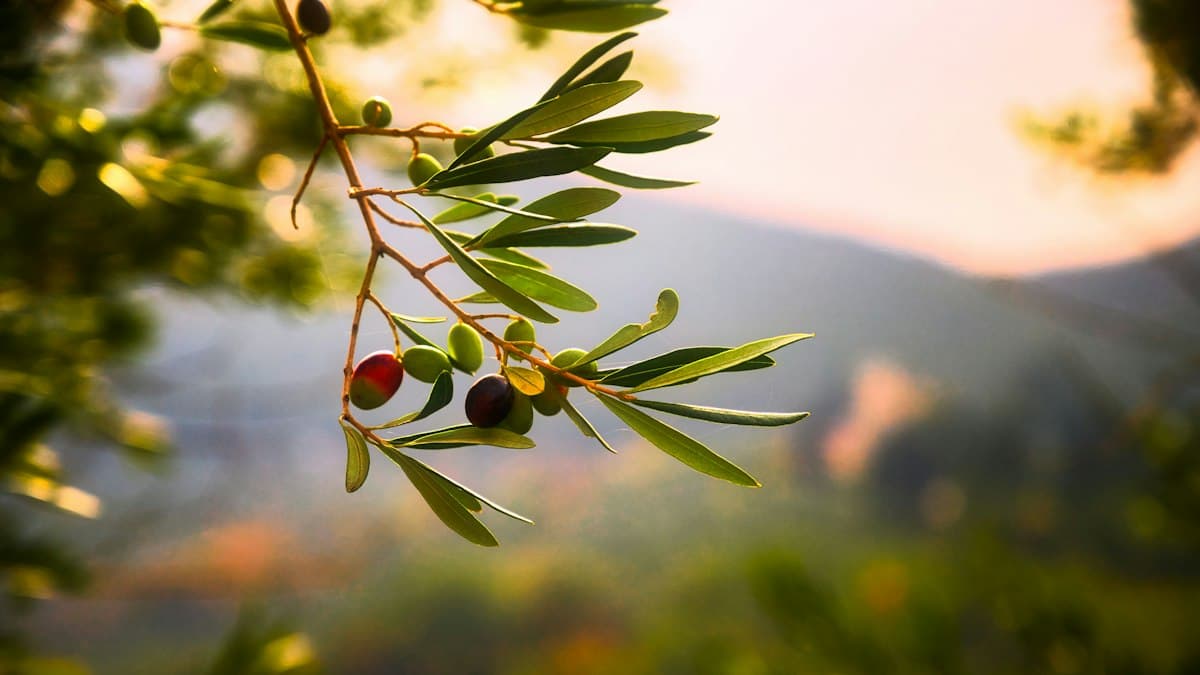
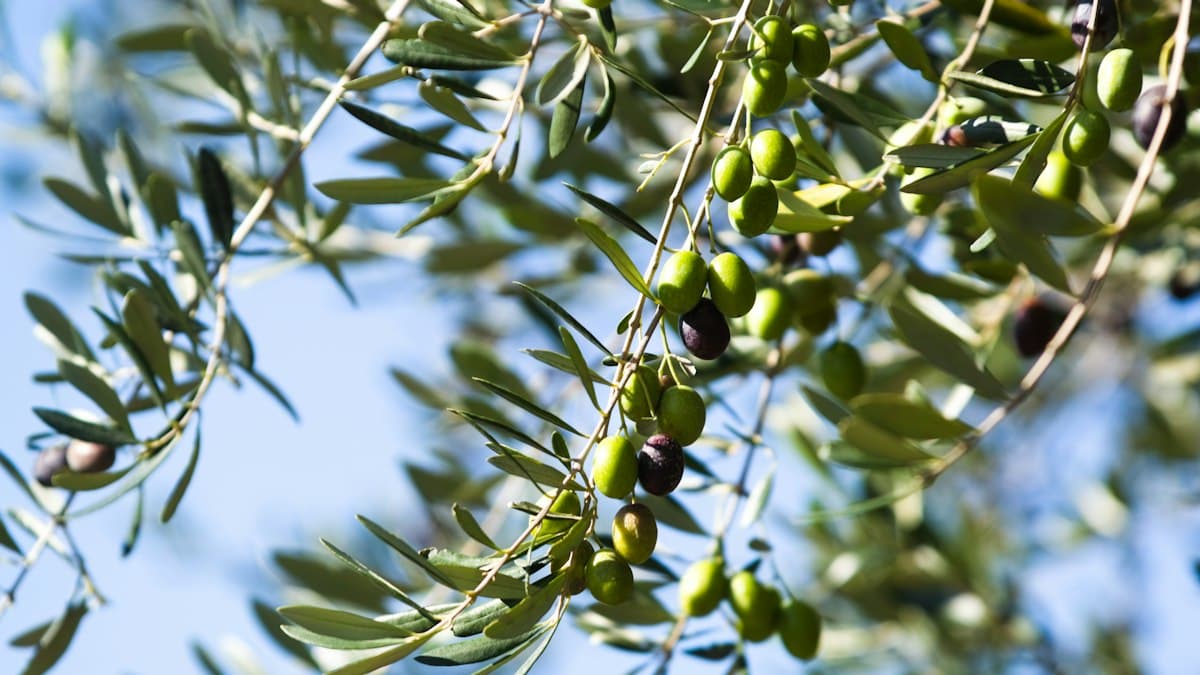
The principal cultivars grown at McEvoy Ranch are Italian varieties, including Leccino, Maurino, and Piantine. According to publicly available farm documentation, approximately 18,000 olive trees are planted across the rolling hills of Marin County, where the convergence of a Mediterranean climate pattern and a Pacific coastal marine influence creates conditions the farm describes as well suited to olive cultivation.
Harvest combines mechanical vibration equipment with hand-picking, and milling takes place at the farm's on-site mill within 24 hours of harvest. This field-to-bottle approach is noted among researchers as an important factor in minimizing oxidation and preserving polyphenol content. According to the International Olive Council (IOC), the shorter the interval between harvest and milling, the lower the reported loss of phenolic compounds such as oleocanthal and oleacein.
Evidence is also accumulating on whether organic farming practices affect flavor. A comparative study published by a research team at the University of Bologna reported cases in which oils produced from organically farmed olives showed measurable differences in certain phenolic compound concentrations relative to conventionally farmed oils. The researchers noted, however, that growing environment, cultivar, and harvest timing all act as compounding variables, and it is too early to conclude that organic certification alone is a definitive predictor of quality.
Reading an Organic Label: What Consumers Should Check
Buying certified organic olive oil involves more label scrutiny than many shoppers expect. Beyond the CCOF or USDA Organic seal, the harvest year, producer or origin information, and Best By date all serve as indicators of quality.
According to USDA Agricultural Marketing Service (AMS) guidance, an olive oil that carries an organic label must still pass separate acidity testing and sensory evaluation to maintain extra virgin grade status. Organic certification and extra virgin classification are governed by entirely different criteria—which is why both need to be confirmed independently. The full CCOF list of certified farms is publicly searchable on the CCOF official website, making it straightforward for consumers to verify a producer's certification status before purchasing. That level of transparency is widely regarded as one of the system's core strengths.
California Organic Olive Oil's Place in the Global Market
In international trade, California olive oil competes in a premium niche alongside Spanish, Italian, and Greek products. Price points are generally higher than those of Mediterranean-origin oils, but transparent origin traceability and a rigorous organic certification framework function as meaningful differentiators.
According to a SPINS report on the U.S. natural foods market, the share of olive oil within the organic cooking-oil category has grown year on year, with millennial and Gen Z consumers—who place particular weight on origin and certification information—identified as the primary drivers of that growth. Small farms with a strong narrative, such as McEvoy Ranch, are well positioned to benefit from this trend.
Traceability is another reason California olive oil attracts attention. Under California Department of Food and Agriculture (CDFA) regulations, California-produced olive oil is subject to distinct grading standards, and products made and sold within the state are subject to periodic sample testing. This system functions as a consumer confidence mechanism at a time when questions about the quality of imported olive oils are raised with some regularity.
Choosing a certified organic olive oil is not simply a matter of picking a label. It encompasses questions about how the soil was managed, how quickly the fruit was processed after harvest, and who verified each step of that process. McEvoy Ranch represents one answer to those questions—a considered approach built on transparent certification, Italian cultivar heritage, and the particular character of a Northern California landscape.
Frequently asked questions
- What does CCOF organic certification require for olive oil producers?
- According to CCOF official documentation, producers must avoid prohibited synthetic pesticides, chemical fertilizers, and genetically modified seeds for a minimum of three years before certification. Annual on-site inspections are required to renew the certificate each year.
- Is organic certification the same as extra virgin grade?
- No—they are separate standards. According to USDA Agricultural Marketing Service (AMS) guidance, an olive oil bearing an organic label must still pass independent acidity testing and sensory evaluation to qualify as extra virgin. Buyers should verify both designations on the label.
- What is the difference between 'Organic' and '100% Organic' on an olive oil label?
- Under USDA National Organic Program (NOP) regulations, a product labeled 'Organic' must contain at least 95% certified organic ingredients. '100% Organic' requires that every ingredient and every processing aid also meet certification requirements. McEvoy Ranch is known to operate a product line carrying the '100% Organic' designation.
- Does organic farming actually affect the polyphenol content of olive oil?
- Research is accumulating on this question. A comparative study published by a research team at the University of Bologna reported cases in which oils made from organically farmed olives showed measurable differences in certain phenolic compound concentrations compared with conventionally farmed oils. The authors noted, however, that growing environment, cultivar, and harvest timing are all contributing variables, so organic certification alone is not a reliable single predictor of phenolic content.
- How can I verify that a California organic olive oil producer is genuinely certified?
- CCOF publishes its full list of certified farms on its official website, and any consumer can search it before purchasing. This publicly accessible registry is widely cited as one of the system's principal strengths for transparency.
Related reading
- California and Australia: The New-World EVOO Producers Now Setting Their Own Standards
In roughly thirty years, California and Australia have built industrialized EVOO sectors complete with their own certification bodies. A look at what COOC and AOOA seals mean, and why Cobram Estate now presses about 65 percent of Australia's annual crop.
- Born in the Desert: Oro del Desierto's Solar-Powered Organic Farm in Tabernas
In the heart of Europe's only true desert, Oro del Desierto runs its entire olive farm on solar power and certified-organic principles. A close look at how the extreme aridity of Tabernas may drive polyphenol density — and why the farm's sustainability model is drawing attention across the industry.
- Lab Numbers vs. Living Bodies: The Truth About Olive Oil Antioxidant Assays
DPPH, FRAP, and Folin-Ciocalteu tests can put a number on an olive oil's polyphenol potential — but in-vitro results and in-vivo bioavailability are not the same thing. This guide examines the gap between the two and what it means at the table.
- Bone Density Around Menopause: What Clinical Research Says About Olive Oil
As estrogen levels fall, bone resorption accelerates — and researchers have begun asking whether the quality of dietary fat plays a role. A look at the clinical and nutritional-epidemiology evidence linking extra virgin olive oil to bone metabolism around menopause.
- Dietary Fat, Magnesium, and the Mediterranean Table: What the Research Shows So Far
Evidence is accumulating that the type of dietary fat consumed alongside magnesium-rich foods may influence how well that mineral is absorbed. This guide surveys current research on olive oil, fatty acid composition, and mineral metabolism.
- Beyond BMI: Dietary Fat Quality, Olive Oil, and Metabolic Health Research
Two people can share the same BMI and yet show markedly different blood lipid profiles, insulin sensitivity, and visceral fat distribution. A growing body of clinical research suggests that the type of fat consumed — not just total calories — may be a meaningful variable in metabolic health.
Tags
- organic olive oil
- california evoo
- ccof certification
- mcevoy ranch
- usda organic