Guides
Olive Oil, Polyphenols, and Immune Response: A Research Guide
The polyphenols in extra-virgin olive oil — oleocanthal, oleuropein, hydroxytyrosol — have been reported to interact with cytokine signalling pathways. This guide maps the current research landscape for readers interested in anti-inflammatory eating.
Translated from the Korean edition, originally published August 18, 2026 · read the original
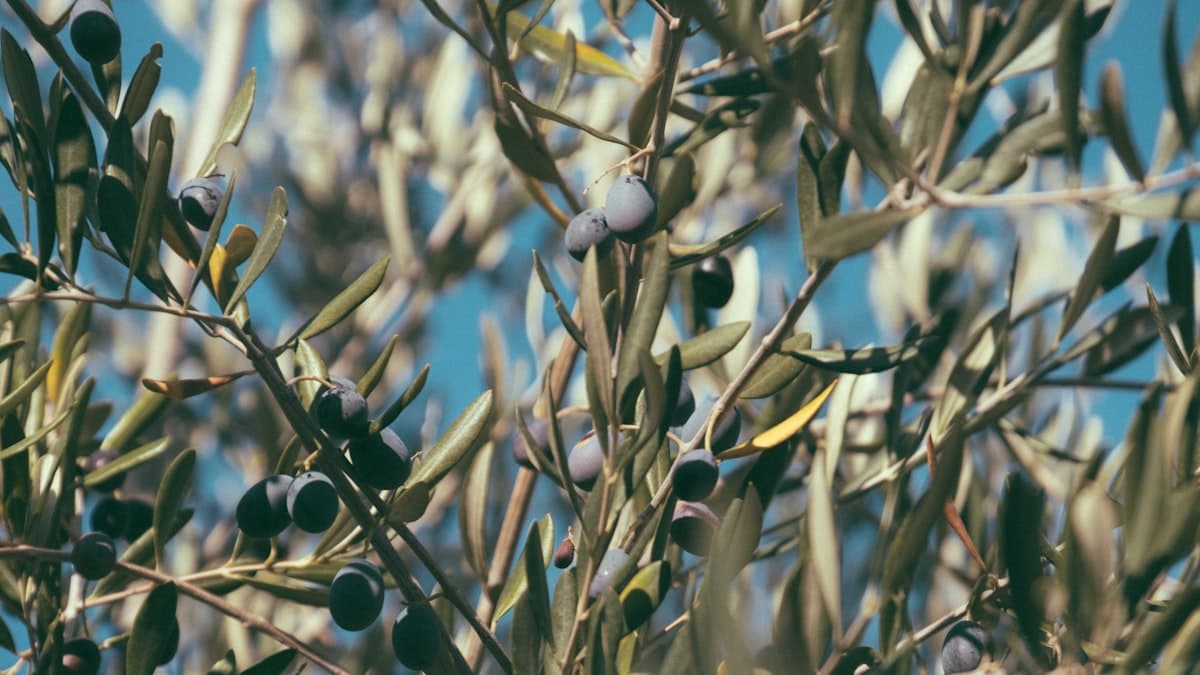
Why Olive Oil and Immunity — and Why Now
As evidence for the Mediterranean diet continues to accumulate, extra-virgin olive oil (EVOO) is attracting attention well beyond its role as a cooking fat. Chronic low-grade inflammation has been identified as a background factor in a range of metabolic conditions, and interest has grown in how dietary polyphenols may interact with immune-regulatory pathways. The polyphenol compounds in olive oil — oleuropein, oleocanthal, hydroxytyrosol, and others — have been reported to influence immune cells and cytokine signalling, and a steady stream of clinical and basic-science studies continues to explore these connections.
This guide maps the current state of that research and examines, as even-handedly as possible, the mechanisms each compound has been linked to. Where the evidence remains inconclusive, this guide says so.
How Polyphenols May Interact with Cytokine Pathways
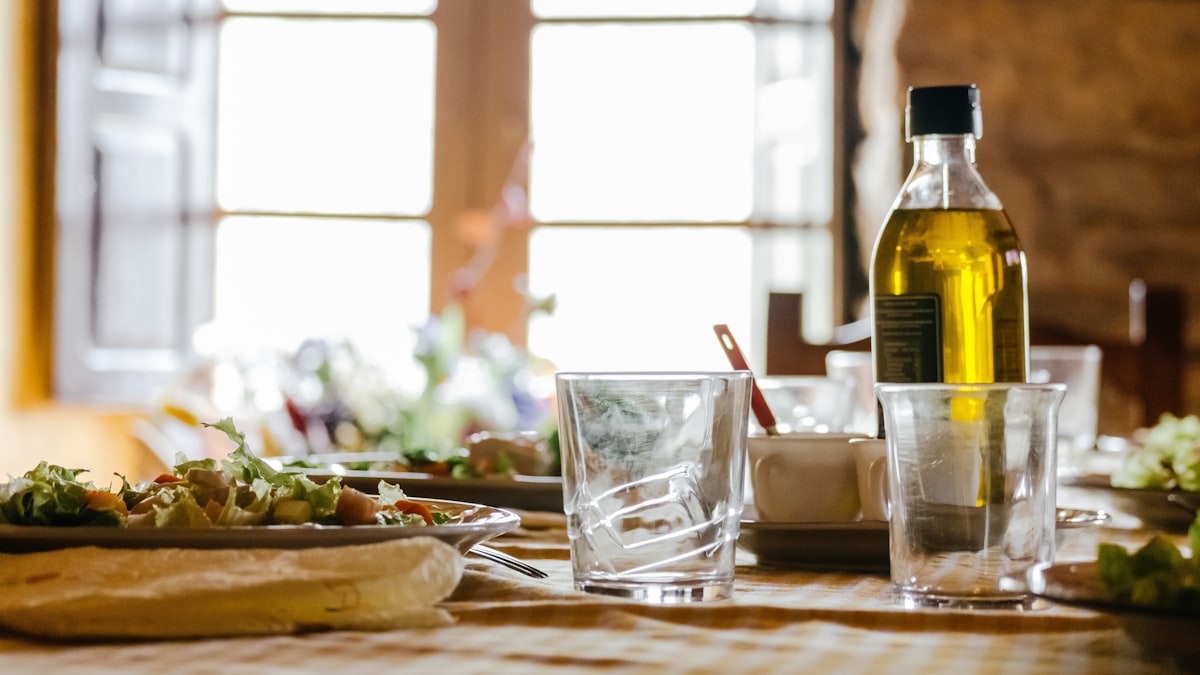
Cytokines are protein-signalling molecules secreted by immune cells. Key examples include TNF-α, IL-1β, IL-6, and IL-10; when their balance is disrupted, excessive inflammatory responses are understood to follow. Oleocanthal has been reported to inhibit COX-1 and COX-2 enzymes in a manner analogous to non-steroidal anti-inflammatory drugs (NSAIDs). This similarity was first formally reported in a study by Beauchamp et al., published in Nature in 2005, and subsequent laboratory studies have been reported to confirm the COX-inhibiting mechanism.
Oleuropein is a secoiridoid-class polyphenol abundant in olive leaves and unripe fruit. According to multiple cell studies and animal-model research, oleuropein may act to suppress the NF-κB transcription pathway and reduce the secretion of pro-inflammatory cytokines such as TNF-α and IL-6. Researchers are consistent, however, that confirming the same effect in humans will require more randomised controlled trials (RCTs).
Hydroxytyrosol is considered one of the most bioavailable polyphenols in EVOO. In 2011, the European Food Safety Authority (EFSA) approved a health claim stating that olive oil polyphenols — hydroxytyrosol and its derivatives — contribute to the protection of blood LDL from oxidative damage when 20 g of EVOO is consumed daily (EFSA Journal 2011;9(4):2033). This is notable given the established link between oxidative stress and immune activation.
The Current State of Clinical Research — and Its Limits
A significant number of studies examining the immune-modulating effects of the Mediterranean diet include EVOO as a core element. According to the PREDIMED study, published in the New England Journal of Medicine in 2013, participants who consumed EVOO in sufficient quantities showed a tendency toward lower cardiovascular-related markers and certain inflammatory indicators compared with the control group. That study examined the effect of the overall dietary pattern, however, and it is too early to attribute the findings to EVOO alone.
Smaller clinical studies have attempted to track the relationship between polyphenol content and immune markers more directly. Data published by a research team at the University of Córdoba, Spain, reported that participants consuming high-polyphenol EVOO showed lower levels of inflammatory markers including IL-6 and C-reactive protein (CRP) compared with those consuming low-polyphenol olive oil. The researchers noted, however, that the small participant numbers and short follow-up periods limit the generalisability of these results.
The connection with gut microbiome composition is another direction attracting growing research interest. The hypothesis that polyphenols contribute to the growth of beneficial gut bacteria, which in turn modulate mucosal immune responses, has been put forward in the literature. According to multiple review papers published in the journal Nutrients, olive polyphenols have been reported to promote the growth of beneficial bacteria including Bifidobacterium and Lactobacillus. Because gut microbiome composition varies considerably between individuals, however, it is too early to conclude that the same dietary intake produces identical effects in every person.
Polyphenol Content and Practical Dietary Guidance
Polyphenol content varies substantially depending on cultivar, harvest timing, milling method, and storage conditions. Early-harvest olives processed by cold extraction are generally understood to yield EVOO with higher concentrations of oleuropein and hydroxytyrosol. Refined olive oil and oils labelled 'Pure' grade lose most of their polyphenols during processing, leaving very little antioxidant content.
For those who want to preserve polyphenol content in everyday use, a few practical points are worth keeping in mind. First, low-temperature, short-duration cooking — or using EVOO as a finishing oil — is understood to be more favourable for polyphenol retention than prolonged high-heat cooking. Second, direct sunlight and high ambient temperatures accelerate oxidation and can rapidly degrade quality, so storing oil in a dark glass bottle in a cool location is recommended. Third, producers broadly advise consuming an opened bottle within 60 days, both for flavour and to maintain polyphenol levels.
The Research Horizon: What Is Still Needed
The science connecting olive oil polyphenols to immune response has advanced considerably at the basic-science level, but large-scale, long-term human clinical data remain limited. The complexity of polyphenol metabolism in the body, combined with the fact that absorption rates may differ according to individual gut microbiome composition and genetic polymorphisms, adds further difficulty to the research. Some researchers argue that studying the synergistic effect of whole dietary patterns — rather than isolating polyphenols as individual compounds — is more likely to yield practically useful conclusions.
Ultimately, EVOO is a food ingredient, not a single-compound supplement. It is associated with contributing to overall dietary quality when consumed consistently alongside a variety of vegetables, whole grains, and legumes. The relationship between immune response and polyphenols is clearly a compelling area of inquiry, but it is too early to conclude that any single food strengthens immunity. Understanding the role of EVOO within the broader context of a balanced diet and lifestyle remains the most grounded perspective available.
Frequently asked questions
- Do olive oil polyphenols help with inflammation?
- Research suggests that polyphenols in extra-virgin olive oil — including oleocanthal, oleuropein, and hydroxytyrosol — may interact with inflammatory signalling pathways. Studies have reported associations with lower levels of markers such as IL-6 and CRP, but it is too early to conclude that olive oil treats or prevents inflammatory conditions. Large-scale, long-term human trials are still needed.
- What is oleocanthal and why is it compared to ibuprofen?
- Oleocanthal is a polyphenol found in extra-virgin olive oil. A study by Beauchamp et al., published in Nature in 2005, first reported that it inhibits COX-1 and COX-2 enzymes in a manner similar to non-steroidal anti-inflammatory drugs (NSAIDs). Subsequent laboratory studies have confirmed this mechanism, though the concentrations used in cell studies do not directly translate to a standard dietary serving.
- Which olive oil has the most polyphenols?
- Polyphenol content varies significantly by cultivar, harvest timing, milling method, and storage conditions. Early-harvest, cold-pressed EVOO from high-phenol cultivars such as Picual or Ojiblanca tends to contain the most oleuropein and hydroxytyrosol. Refined or 'Pure' grade olive oils lose most of their polyphenols during processing.
- How much extra-virgin olive oil should I consume to get a meaningful amount of polyphenols?
- The European Food Safety Authority (EFSA) approved a health claim in 2011 stating that olive oil polyphenols — hydroxytyrosol and its derivatives — contribute to the protection of blood lipids from oxidative stress when consuming 20 g of EVOO per day (EFSA Journal 2011;9(4):2033). Individual absorption can vary depending on gut microbiome composition and other dietary factors.
- Does cooking destroy the polyphenols in olive oil?
- High-heat, prolonged cooking is associated with greater polyphenol degradation. Using EVOO as a finishing oil or in low-temperature, short-duration cooking is generally considered more favourable for preserving its polyphenol content. Storing oil in dark glass bottles in a cool place, and using it within 60 days of opening, is widely recommended by producers to maintain both flavour and polyphenol levels.
Related reading
- Does Olive Oil You Eat Reach Your Skin? A Clinical Research Roundup
A growing body of clinical research is examining whether regular dietary intake of olive oil is associated with measurable changes in skin hydration and elasticity. This guide summarizes the current evidence, its limits, and how the findings sit within the broader context of Mediterranean eating patterns.
- Senescent Cells, Senolytics, and the Question of Olive Oil Polyphenols
The senolytic diet hypothesis has drawn attention to plant polyphenols as potential allies against aging cells. This guide maps where extra virgin olive oil's oleocanthal and related phenolic compounds currently sit in that research — and what the evidence cannot yet support.
- Olive Oil, Antioxidants, and Fatigue: A Guide to the Emerging Clinical Research
Extra virgin olive oil is drawing growing attention in oxidative stress and chronic fatigue research, with its polyphenols and oleic acid studied for potential roles in cellular energy metabolism. Here is what the current clinical evidence actually shows.
- Bone Health on the Table: What the Osteoblast and Calcitriol Research Says About Olive Oil
From oleic acid's reported role in osteoblast differentiation to calcitriol absorption and polyphenol activity, a growing body of cell and animal research links extra virgin olive oil to bone metabolism — though the clinical picture is still forming.
- Olive Oil and Inflammation: What Two Decades of Research Have Found
From oleocanthal's proposed COX-inhibiting mechanism to EFSA's conditional polyphenol claim, this guide traces what peer-reviewed research has — and has not — established about EVOO's role in an anti-inflammatory diet.
- Olive Oil, Cortisol, and Dietary Fat: Where the Research Actually Stands
Chronic stress and elevated cortisol have become defining health concerns of our time. A growing body of research is examining whether the type of dietary fat we consume — extra virgin olive oil in particular — may be linked to how the body regulates its stress response.
Tags
- extra virgin olive oil
- polyphenols
- cytokines
- inflammation research
- mediterranean diet
- wellness