Guides
Getting More Iron from Plants: How Olive Oil Fits Into the Picture
Non-heme iron from plant foods absorbs far less predictably than the iron in meat — and meal composition matters more than quantity. This guide examines how extra virgin olive oil fits into an iron-friendly eating pattern, which food pairings help, and which ones get in the way.
Translated from the Korean edition, originally published August 18, 2026 · read the original
Plant-Based Diets and Iron — Why Absorption Rates Vary So Much
Dietary iron comes in two distinct forms. Heme iron, found mainly in meat and seafood, is absorbed with relative efficiency. Non-heme iron, found in tofu, spinach, lentils, nuts, and most other plant foods, behaves very differently. According to World Health Organization data, heme iron is absorbed at a rate of 15–35%, while non-heme iron absorption can range from as low as 2% to as high as 20% depending entirely on meal composition.
That wide range exists because non-heme iron is highly sensitive to the chemical environment created by the other foods eaten at the same meal. Phytic acid, certain polyphenols, calcium, and tannins are all known to bind non-heme iron and reduce how much the body can take up. On the other side of the ledger, vitamin C (ascorbic acid) has been reported to convert non-heme iron into a more bioavailable form (Fe²⁺). The practical implication is clear: for anyone relying on plant foods for iron, how a meal is assembled matters far more than how much iron-containing food is on the plate.
How Olive Oil May Help Create a Better Iron-Absorption Environment
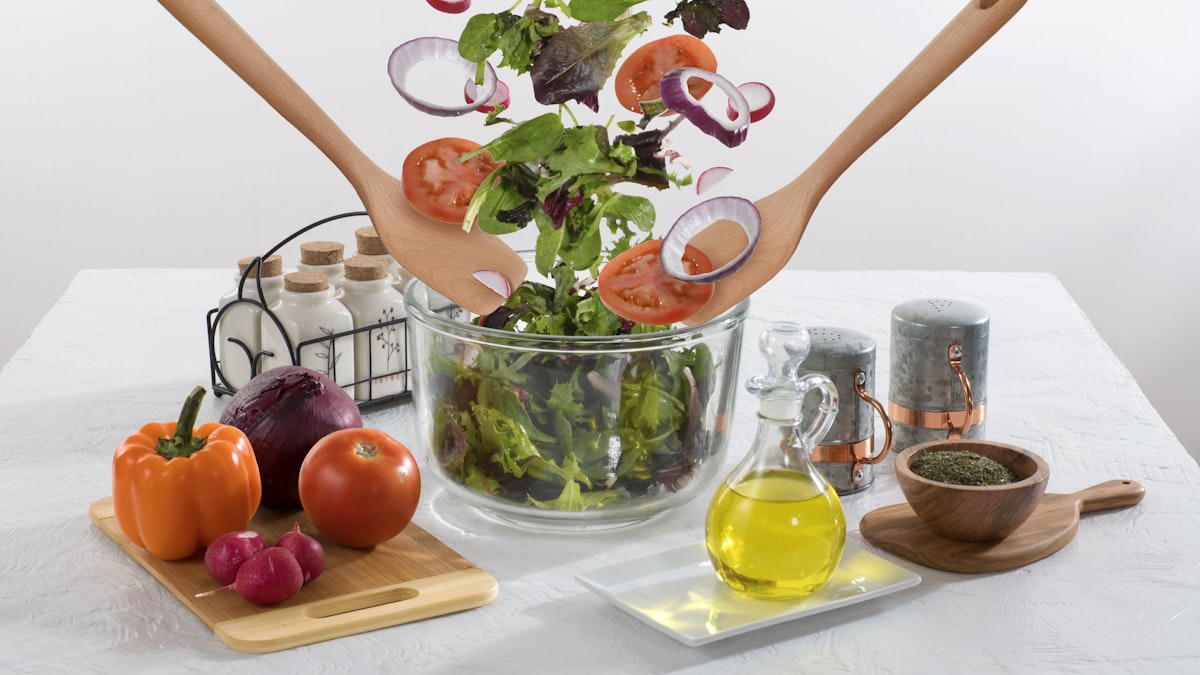
Olive oil is not itself an iron source worth noting. What deserves attention is the indirect role it may play in the conditions that surround non-heme iron absorption.
First, consider fat-soluble vitamins. Vitamins A, D, E, and K all require dietary fat to be absorbed efficiently. Vitamin A is known to be involved in iron metabolism, and the U.S. National Institutes of Health (NIH) has identified vitamin A deficiency as one factor associated with reduced non-heme iron uptake. Adding olive oil to a vegetable-rich meal may help the body make better use of the fat-soluble vitamins already present in that meal.
Second, the monounsaturated fatty acids (MUFA) and polyphenols in extra virgin olive oil have been reported to influence the broader digestive environment. Researchers at the University of Jaén published observations suggesting that the polyphenols in extra virgin olive oil are associated with reduced oxidative stress in the gut, and a healthy gut environment is understood to have an indirect bearing on micronutrient absorption generally. It is too early to conclude, however, that olive oil raises iron absorption in any direct or measurable way.
Third — and perhaps most practically — olive oil makes iron-rich vegetables easier to eat in the first place. Raw spinach, kale, and rocket can be unpalatable in large quantities; an olive oil dressing removes that barrier, which means the total amount of non-heme iron entering the meal goes up simply because more of these foods get eaten.
Food Combinations That Support Non-Heme Iron Absorption
The most consistently supported strategy for improving non-heme iron uptake is pairing iron-rich plant foods with a source of vitamin C at the same meal. A study published in the British Journal of Nutrition reported that consuming vitamin C alongside non-heme iron foods was associated with an increase in absorption of up to six-fold.
Some combinations that put this into practice: squeeze lemon juice into lentil soup and finish with a drizzle of olive oil; build a spinach salad with roasted red bell peppers — one of the richest vitamin C vegetables — and an olive oil dressing; stir-fry tofu and broccoli together in olive oil. The acid in lemon juice or orange juice also helps convert non-heme iron into the more absorbable ferrous (Fe²⁺) form.
Cooking also helps with certain greens. Spinach and chard contain oxalic acid, which can bind non-heme iron in the gut. A short sauté in olive oil over medium-low heat reduces some of that oxalic acid while keeping cook time brief enough to limit polyphenol loss — a two-for-one benefit in a single preparation step.
Foods Worth Timing Carefully
Several commonly consumed foods have been reported to reduce non-heme iron absorption when eaten at the same time as iron-rich meals. Spacing them out or moderating the amount at that specific meal is generally recommended.
Coffee and black tea both contain tannins, and coffee also contains chlorogenic acid. Studies have reported that these compounds bind non-heme iron and lower its uptake. Leaving a gap of one to two hours between an iron-focused meal and a hot drink is a practical workaround. Large amounts of calcium-rich foods — dairy products, as well as calcium-fortified soy or almond drinks — have been associated with competing with iron for absorption in observational research; keeping large portions separate from the main iron-containing meal is worth considering. Phytic acid, abundant in whole grains and legumes, can also bind iron and carry it out of the digestive tract before it is absorbed. Soaking dried legumes overnight and discarding the soaking water is a well-known method for reducing phytic acid content.
Incorporating Olive Oil Practically in an Iron-Supportive Meal Plan
Extra virgin olive oil is relatively stable under heat, but its polyphenols do degrade with prolonged exposure to high temperatures. When using it with iron-rich vegetables, sautéing briefly over medium-low heat or adding it as a finishing drizzle after cooking preserves more of its bioactive compounds than extended high-heat frying.
The eating pattern that emerges from Mediterranean diet research repeatedly shows the same structure: vegetables, legumes, and whole grains as the base, with olive oil and an acidic element — lemon juice or vinegar — added at the table or during light cooking. That combination maps naturally onto what is known about creating a favorable environment for non-heme iron absorption. For anyone on a largely plant-based diet who is concerned about iron status, reviewing meal assembly and olive oil use is a more practical starting point than simply reaching for a different iron supplement.
Frequently asked questions
- Does olive oil directly increase iron absorption?
- Current evidence does not support claiming that olive oil directly increases iron absorption. However, it may contribute indirectly — by improving the absorption of fat-soluble vitamins such as vitamin A, which the U.S. National Institutes of Health has identified as a factor in non-heme iron uptake, and by acting as a practical vehicle for eating more iron-rich vegetables. It is too early to draw firm conclusions about a direct effect.
- What is the best food to eat with non-heme iron to improve absorption?
- Vitamin C (ascorbic acid) is the most well-documented enhancer. A study published in the British Journal of Nutrition reported that consuming vitamin C alongside non-heme iron foods may increase absorption by up to six-fold. Good practical sources include lemon juice, bell peppers, broccoli, and orange juice eaten at the same meal.
- Does coffee or tea block iron absorption?
- Both coffee and black tea contain tannins and, in coffee's case, chlorogenic acid — compounds that have been reported to bind non-heme iron and reduce its absorption. Leaving a gap of one to two hours between an iron-rich meal and a cup of coffee or tea is a commonly suggested strategy.
- Does dairy interfere with iron absorption?
- Calcium-rich foods, including dairy products and calcium-fortified plant milks, have been associated with competing with iron for absorption when consumed in large amounts at the same meal. This applies to calcium-fortified soy and almond drinks as well, so it may be worth timing large servings separately from your main iron-containing meal.
- Is it better to eat iron-rich vegetables raw or cooked with olive oil?
- Lightly sautéing spinach, chard, and similar greens in olive oil over medium-low heat has two potential advantages: cooking reduces some of their oxalic acid content, which can bind non-heme iron, and a short cook time helps preserve the polyphenols in the oil. Researchers at the University of Jaén have observed that the polyphenols in extra virgin olive oil are associated with lower oxidative stress in the gut environment, which may indirectly support overall micronutrient uptake — though it is too early to conclude this translates into a measurable iron-absorption benefit.
Related reading
- Iron Absorption Starts at the Table: How Your Meal Composition Makes the Difference
Eating iron-rich foods is only half the equation — how much the body actually absorbs depends heavily on what surrounds them on the plate. This guide examines where olive oil fits in the dietary context of iron absorption, and the practical pairing principles worth knowing.
- Dietary Fat, Magnesium, and the Mediterranean Table: What the Research Shows So Far
Evidence is accumulating that the type of dietary fat consumed alongside magnesium-rich foods may influence how well that mineral is absorbed. This guide surveys current research on olive oil, fatty acid composition, and mineral metabolism.
- Beyond BMI: Dietary Fat Quality, Olive Oil, and Metabolic Health Research
Two people can share the same BMI and yet show markedly different blood lipid profiles, insulin sensitivity, and visceral fat distribution. A growing body of clinical research suggests that the type of fat consumed — not just total calories — may be a meaningful variable in metabolic health.
- Does Olive Oil You Eat Reach Your Skin? A Clinical Research Roundup
A growing body of clinical research is examining whether regular dietary intake of olive oil is associated with measurable changes in skin hydration and elasticity. This guide summarizes the current evidence, its limits, and how the findings sit within the broader context of Mediterranean eating patterns.
- Bone Health on the Table: What the Osteoblast and Calcitriol Research Says About Olive Oil
From oleic acid's reported role in osteoblast differentiation to calcitriol absorption and polyphenol activity, a growing body of cell and animal research links extra virgin olive oil to bone metabolism — though the clinical picture is still forming.
- Olive Oil in Post-Exercise Recovery Diets: A Guide to the Polyphenol and Muscle-Damage Research
Studies in sports nutrition are examining whether the polyphenols in extra virgin olive oil are associated with lower oxidative-stress markers after intense exercise. Here is a summary of where the research currently stands.
Tags
- iron absorption
- non-heme iron
- extra virgin olive oil
- plant-based diet
- nutrition