Guides
Introducing Olive Oil to Baby Food: Timing, Quantities, and What the Research Says
Fat is a critical component of infant brain and nervous-system development, yet it is often overlooked during the weaning stage. Drawing on current pediatric nutrition guidelines, this guide examines when and how to introduce extra virgin olive oil into baby food, and what to look for when choosing a bottle.
Translated from the Korean edition, originally published September 7, 2026 · read the original
Fat in the Weaning Diet: Why It Deserves Attention
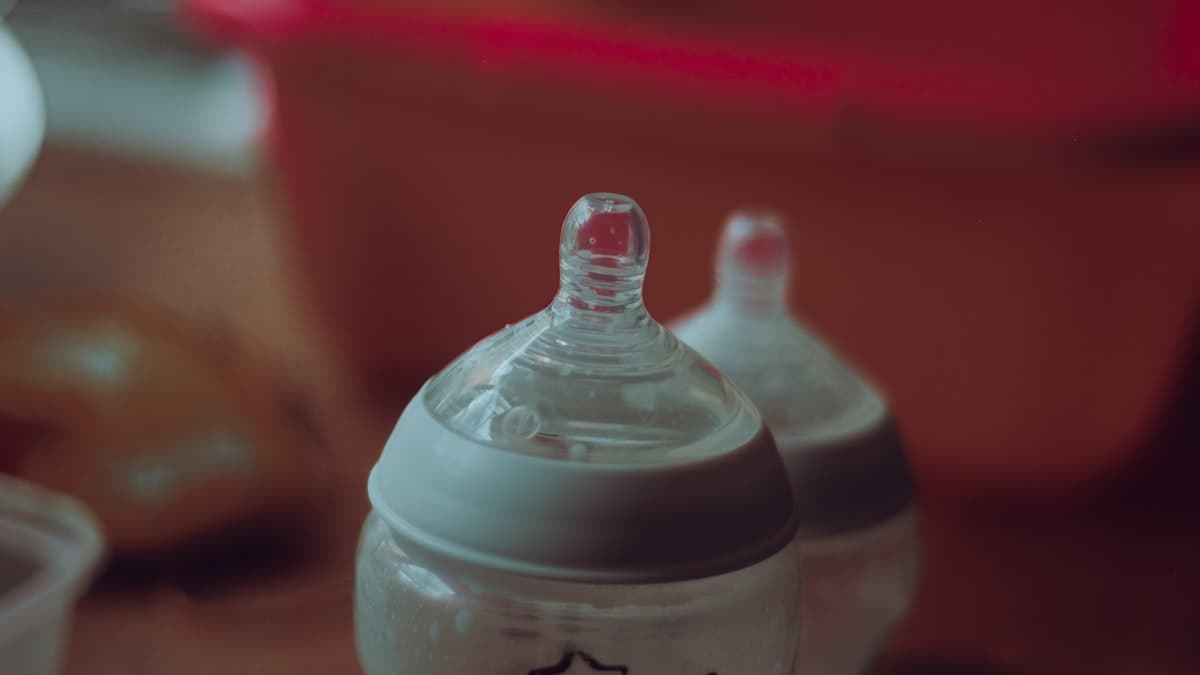
Parents preparing to introduce solid foods are often absorbed by the question of which vegetables and grains to start with — and fat tends to get pushed to the back of the list. Yet the field of pediatric nutrition has consistently reported that the first two years of life represent the period during which dietary fat plays its most prominent role in brain and nervous-system development.
According to World Health Organization (WHO) data, once complementary feeding begins at around six months, fat should account for 40–60% of a baby's total energy intake. That figure is substantially higher than the 20–35% recommended for adults, and it gives a sense of just how intensively the infant body relies on dietary fat. It is also well established that without adequate fat intake at this stage, the absorption of fat-soluble vitamins — A, D, E, and K — may be compromised.

The Unsaturated Fats Pediatric Research Is Watching
Not all fats behave alike. Saturated fats, trans fats, monounsaturated fatty acids (MUFAs), and polyunsaturated fatty acids (PUFAs) are known to act differently in the body. Within pediatric nutrition research, evidence has been accumulating that MUFAs — principally oleic acid — together with omega-3 PUFAs may contribute to nervous-system development during infancy, though it is too early to draw firm conclusions from any single study.
A 2020 infant nutrition review published by the European Food Safety Authority (EFSA) reported that plant-based oils rich in oleic acid carry a fatty-acid profile that is relatively similar to that of breast milk, and that adding such oils to complementary foods may positively contribute to an infant's fatty-acid balance. The same report noted that additional research is needed before definitive claims can be made about any single component.
Extra virgin olive oil (EVOO) typically contains around 70% oleic acid and, compared with refined oils, is reported to retain higher concentrations of minor bioactive compounds including polyphenols, vitamin E, and squalene. It should be noted that research into the specific effects of these compounds on infants remains limited.
Timing and Quantities: A Summary of Current Guidelines
The majority of pediatric nutrition guidelines identify around six months of age — the typical start of complementary feeding — as an appropriate point to introduce olive oil. The American Academy of Pediatrics (AAP) recommends offering a varied range of food groups during the weaning period and notes that plant-based oils can help increase energy density and support the absorption of fat-soluble nutrients.
For guidance on quantities, materials from the Spanish Association of Paediatrics (AEP) are a useful reference. Those materials suggest that when olive oil is first introduced to infants aged 6–8 months, starting at 2–5 mL per day (roughly half a teaspoon) and increasing gradually is a reasonable approach. This is a general reference figure, however; the right amount for any individual child will vary according to body weight, whether breastfeeding continues, and the overall composition of the diet. Consulting a pediatrician is strongly recommended.
When incorporating olive oil into baby food, it is commonly added at the end of cooking or stirred into a cooled purée. Prolonged exposure to high heat has been reported to cause partial degradation of heat-sensitive polyphenol compounds, so finishing-stage addition is generally preferred for both flavor preservation and nutrient retention.
What to Look for When Choosing an Extra Virgin Olive Oil
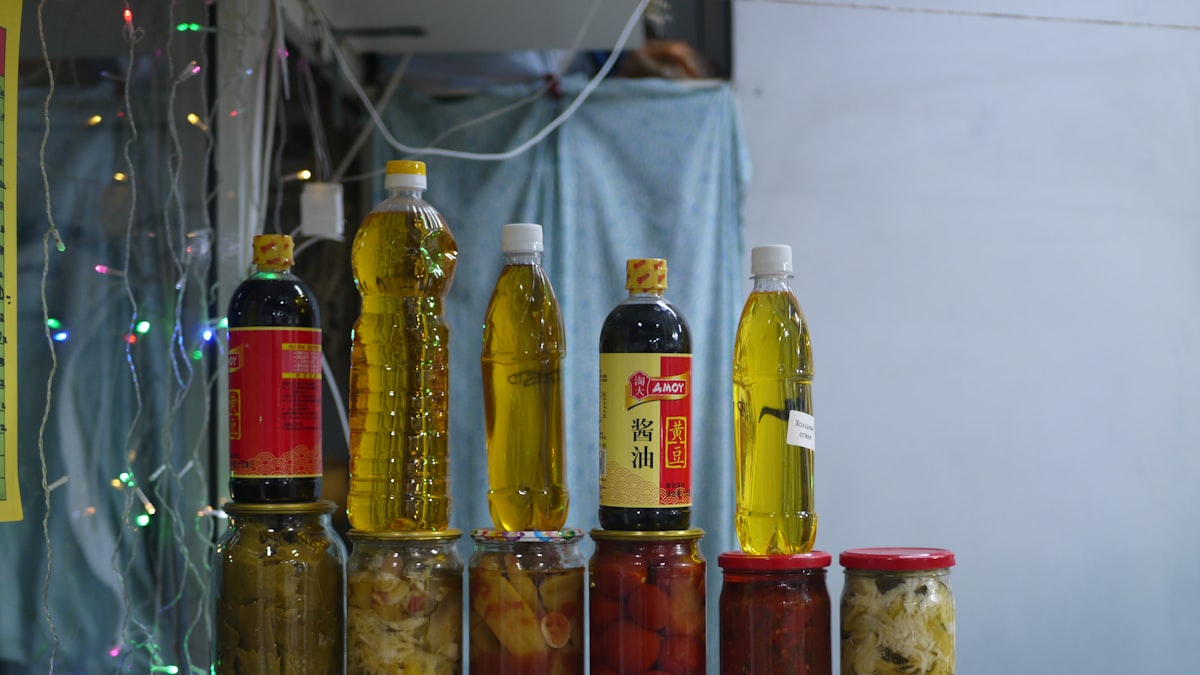
Grade is usually the first choice parents face when selecting an olive oil for weaning. Under International Olive Council (IOC) standards, extra virgin olive oil must have a free fatty acid content (acidity) of 0.8% or below and a peroxide value of 20 meq/kg or below. Lower acidity is widely used as an indicator of freshness and minimal deterioration of the source fruit at the time of pressing.
Polyphenol content is not routinely printed on labels, but it can often be verified through a producer's data sheet or product certificate. Higher polyphenol levels are generally associated with greater antioxidant potential, though — as noted above — direct effects on infants cannot yet be stated with confidence.
Harvest year and extraction method are also worth checking. Cold-pressed oils, produced without elevated temperatures, have been reported to have a better chance of preserving heat-sensitive compounds intact. Once a bottle is opened, it should be stored away from direct light and heat, and used within four to six weeks if possible. Oxidation through air contact can alter both the flavor and the overall quality characteristics of the oil.
Practical Tips for Using Olive Oil in Baby Food
A low-resistance starting point is to add one or two drops of olive oil to naturally sweet vegetable purées — butternut squash, sweet potato, or carrot work well. If the flavor of the oil seems too pronounced at first, introducing it alongside more neutral-tasting vegetables such as potato or courgette is a commonly cited alternative.
In blended baby foods, olive oil also serves as an efficient energy booster. Even a small quantity can meaningfully increase the caloric density of the same volume of food — a feature that is sometimes highlighted for children who eat small amounts or whose growth curve is being monitored. That said, increasing the amount too quickly may place a burden on the digestive system, so a gradual, stepwise approach is recommended.
Ultimately, the decision to introduce olive oil into a baby's diet should be made in close consultation with a pediatrician who has full knowledge of the child's health status, growth trajectory, and existing dietary pattern. Research can point in a direction, but the right practice for any individual child should always be shaped by professional advice first.
Frequently asked questions
- When can babies start having olive oil in their food?
- Most pediatric nutrition guidelines, including guidance from the American Academy of Pediatrics (AAP), point to around six months of age — when solid food introduction begins — as an appropriate time to start incorporating plant-based oils such as extra virgin olive oil into purées. Always consult your child's pediatrician before making changes to their diet.
- How much olive oil should I add to baby food?
- According to materials published by the Spanish Association of Paediatrics (AEP), a starting amount of 2–5 mL (approximately half a teaspoon) per day is suggested for infants aged 6–8 months, increasing gradually over time. The right amount for any individual child depends on body weight, whether breastfeeding continues, and overall dietary composition, so a pediatrician's guidance is essential.
- Is extra virgin olive oil better than regular olive oil for babies?
- Extra virgin olive oil (EVOO) is produced without refining and, according to International Olive Council (IOC) standards, must have a free acidity of 0.8% or below and a peroxide value of 20 meq/kg or below. Cold-pressed EVOO has been reported to retain higher levels of minor bioactive compounds — including polyphenols and vitamin E — compared with refined oils, though research specifically on their effects in infants remains limited.
- What is the best way to add olive oil to baby purées?
- A widely used approach is to stir a small amount of olive oil into a purée after cooking and cooling, rather than heating it at high temperatures for extended periods. This is because heat-sensitive polyphenol compounds can partially degrade under prolonged high heat, according to available food-science literature.
- Does fat really need to make up that large a share of a baby's diet?
- According to World Health Organization (WHO) data, fat should account for 40–60% of total energy intake during complementary feeding after six months of age. This is substantially higher than the 20–35% recommended for adults, reflecting how intensively the infant body relies on dietary fat during the first two years of life — particularly for brain and nervous-system development.
Related reading
- Olive Oil in Baby Food: Fat Introduction Timing and the Allergy Research Landscape
Pediatric nutrition researchers are paying closer attention to when and how dietary fats are introduced in infancy. Here is a guide to what the current evidence says about olive oil's fatty-acid profile and its place in early feeding.
- Senescent Cells, Senolytics, and the Question of Olive Oil Polyphenols
The senolytic diet hypothesis has drawn attention to plant polyphenols as potential allies against aging cells. This guide maps where extra virgin olive oil's oleocanthal and related phenolic compounds currently sit in that research — and what the evidence cannot yet support.
- Burning Groves: How Wildfire and Air Pollution Are Reshaping Olive Oil Country
The Mediterranean produces around 95% of the world's olive oil — and it is heating up faster than almost anywhere else on earth. From scorched root systems to smoke-tainted harvests, environmental disaster is leaving marks on olive groves that last far longer than the flames.
- Olive Oil, Antioxidants, and Fatigue: A Guide to the Emerging Clinical Research
Extra virgin olive oil is drawing growing attention in oxidative stress and chronic fatigue research, with its polyphenols and oleic acid studied for potential roles in cellular energy metabolism. Here is what the current clinical evidence actually shows.
- Bone Health on the Table: What the Osteoblast and Calcitriol Research Says About Olive Oil
From oleic acid's reported role in osteoblast differentiation to calcitriol absorption and polyphenol activity, a growing body of cell and animal research links extra virgin olive oil to bone metabolism — though the clinical picture is still forming.
- Bitter, Pungent, and Perfectly Fine: How Oleocanthal and Oleacein Work on Your Palate
The sharp bitterness and throat-catching sting in a great extra virgin olive oil are not defects — they are the fingerprint of two polyphenol compounds, oleocanthal and oleacein, binding to distinct receptors in your mouth and throat.
Tags
- baby food
- infant nutrition
- extra virgin olive oil
- weaning
- pediatric health