Guides
Fatty Acid Face-Off: EVOO, Avocado, Grapeseed, and Sunflower Oils Compared
Extra virgin olive oil, avocado oil, grapeseed oil, and sunflower oil each carry a distinct fatty acid profile. This guide breaks down the numbers — monounsaturated, polyunsaturated, and saturated fat ratios, plus polyphenol content — to help you choose the right cold-pressed oil for everyday cooking.
Translated from the Korean edition, originally published October 30, 2026 · read the original
The Cold-Press Aisle Has Gotten Complicated
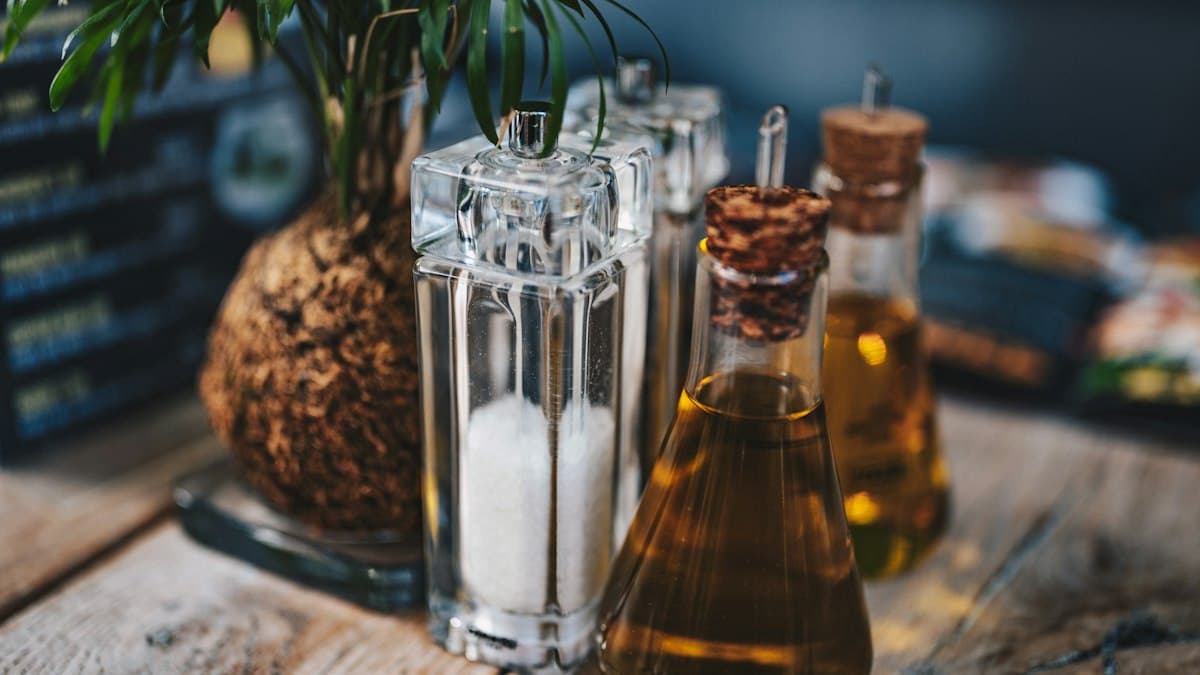
Walk the oil section of any well-stocked grocery store and the label "cold pressed" appears on everything from avocado oil to grapeseed to sunflower. The cold-press process itself has a genuine advantage: pressing without applied heat helps preserve heat-sensitive compounds in the source material. But the fatty acid profile inside the bottle is determined by the plant, not the process — and those profiles diverge dramatically. Understanding which oil suits which context starts with reading the fat composition.
Fatty Acid Profiles: Four Oils Side by Side
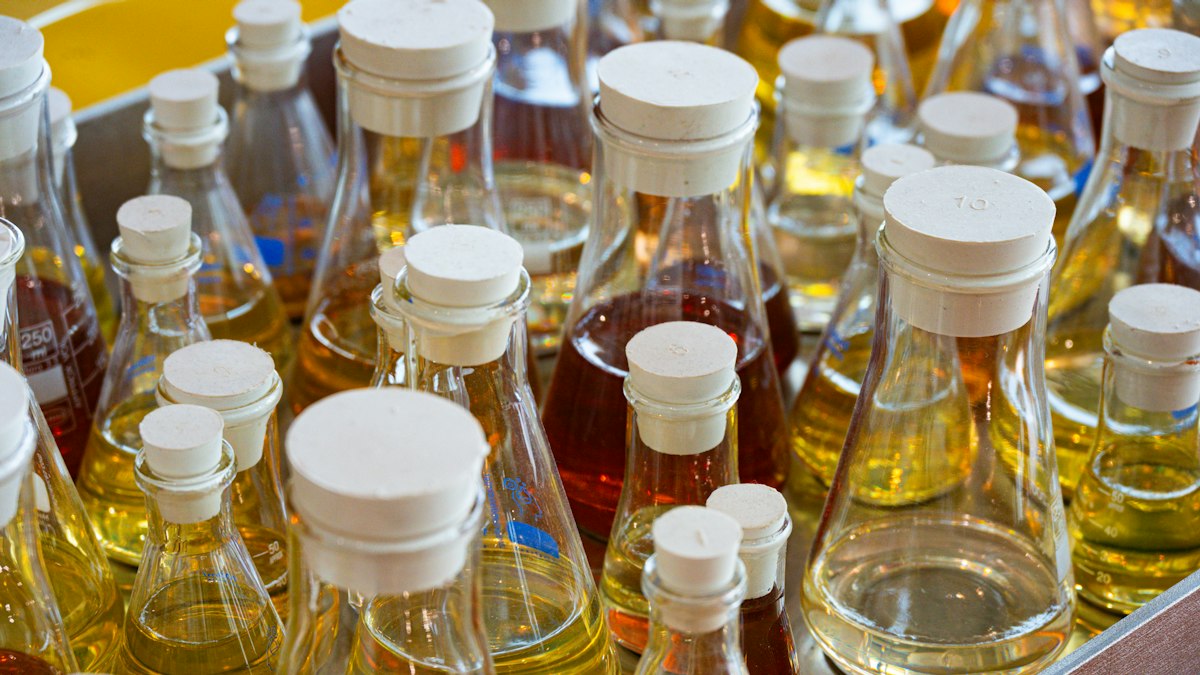
When discussing the health-related properties of cooking oils, the conversation pivots on three axes: monounsaturated fatty acids (MUFA), polyunsaturated fatty acids (PUFA), and saturated fatty acids (SFA). According to the USDA FoodData Central database, the four major cold-pressed oils break down as follows.
Extra virgin olive oil is approximately 70–80% monounsaturated fat, dominated by oleic acid (omega-9). Polyunsaturated fat accounts for roughly 10%, split between omega-6 linoleic acid and a small fraction of omega-3 alpha-linolenic acid (ALA). Saturated fat sits at about 14%.
Avocado oil also leads with oleic acid, placing its MUFA content at around 70% — the closest match to olive oil of the four. USDA figures put avocado oil's saturated fat at roughly 12–14%, again similar to olive oil. Its refined form carries a smoke point approaching 250°C, which is why it is frequently chosen for high-heat cooking.
Grapeseed oil tilts sharply toward PUFA: omega-6 linoleic acid alone accounts for more than 70% of its fatty acids. Monounsaturated fat is around 16% and saturated fat roughly 10%. The heavy omega-6 loading is a point nutrition researchers have consistently flagged in the context of contemporary diets already high in omega-6.
Sunflower oil (standard variety, not high-oleic) runs 60–65% linoleic acid. MUFA is roughly 20% and SFA around 10–12%. It is worth noting that high-oleic sunflower oil carries over 80% oleic acid, bringing its profile close to olive oil — making label reading essential when selecting sunflower oil.
Polyphenols: The Differentiator Beyond Fatty Acids
Judged on fatty acid ratios alone, avocado oil and extra virgin olive oil look remarkably similar. The decisive distinction lies in polyphenol content.
In 2011 the European Food Safety Authority (EFSA) approved a health claim stating that the polyphenols in olive oil — specifically compounds in the hydroxytyrosol and tyrosol family — are associated with the protection of blood LDL cholesterol from oxidative damage. EFSA set the qualifying threshold at 5 mg of polyphenols per 20 g of olive oil, or 250 mg/kg.
According to the International Olive Council (IOC), extra virgin olive oil polyphenol content ranges from around 50 mg/kg to over 800 mg/kg depending on cultivar, harvest date, and processing method. Avocado oil, grapeseed oil, and sunflower oil contain negligible amounts of the same class of phenolic compounds — in many cases below reliable detection limits. When comparing the antioxidant character of these oils, that gap is difficult to overlook.
Why the Omega-6 Ratio Matters
Multiple nutritional epidemiology studies have reported that omega-6 to omega-3 intake ratios in modern Western diets have reached 15:1 to 20:1 — well above the historical average of roughly 4:1. Relying primarily on oils like grapeseed or standard sunflower oil, where omega-6 linoleic acid exceeds 60–70%, may widen that imbalance further, researchers have cautioned.
Olive oil's MUFA-dominant composition keeps its omega-6 contribution comparatively low. The British Nutrition Foundation notes that when olive oil is used as the primary cooking fat within a Mediterranean dietary pattern, the overall omega-6 to omega-3 ratio tends to remain lower than in a typical Western diet. Experts are consistent, however, in pointing out that no single oil determines the fatty acid balance of a diet — the full pattern of food intake must be considered alongside any individual ingredient choice.
Smoke Points and How They Actually Affect Cooking
A smoke point is the temperature at which an oil begins to visibly smoke, accelerating fatty acid breakdown and oxidation. It is not, however, the only measure of cooking stability. A 2018 study published through the American Chemical Society found that heating stability is more accurately assessed by the quantity of total polar compounds (TPC) — oxidation by-products — generated during cooking. The study reported that extra virgin olive oil produced fewer oxidation by-products than several refined oils when heated, an outcome attributed to its high polyphenol and oleic acid content.
Extra virgin olive oil's smoke point is generally cited at roughly 185–210°C, sufficient for most everyday sautéing, pan-frying, and oven roasting. Refined avocado oil approaches 250°C; grapeseed and sunflower oils fall in the 210–230°C range. For deep frying at sustained high temperatures, avocado oil or purpose-built refined oils have a smoke-point advantage. For moderate-heat everyday cooking, the culinary science literature broadly supports extra virgin olive oil as a practical and stable choice.
Choosing an Oil: A Framework
Each oil reviewed here has genuine strengths, and the right choice depends on context. For the combination of monounsaturated fat and polyphenol content, extra virgin olive oil holds the most substantial body of research behind it to date. Avocado oil offers a comparable fatty acid structure with a higher smoke point when that matters. Grapeseed and standard sunflower oils carry high omega-6 loads that make it worth balancing omega-3 intake from other sources when they are used regularly as primary cooking fats.
The most useful framing is not "which oil is best" in the abstract, but how a given oil fits your cooking methods, the fatty acid balance of your overall diet, and your personal eating habits. On a practical level, checking the label for cultivar, harvest year, acidity, and — where listed — polyphenol content is a reliable starting point for navigating the cold-pressed oil aisle with confidence.
Frequently asked questions
- Which cold-pressed oil has the most oleic acid?
- According to the USDA food database, both extra virgin olive oil and avocado oil are roughly 70% monounsaturated fat, most of it oleic acid (omega-9). High-oleic sunflower oil can reach over 80% oleic acid, but the standard variety sits far lower, around 20%.
- Do avocado oil and olive oil have the same fatty acid profile?
- They are the most similar of the four oils reviewed here. Both are around 70% monounsaturated fat and carry roughly 12–14% saturated fat according to USDA data. The key difference is polyphenol content: extra virgin olive oil contains measurable phenolic compounds, while avocado oil contains very little of the same class of antioxidants.
- Why do nutritionists flag grapeseed oil for high omega-6 content?
- Grapeseed oil is over 70% linoleic acid (omega-6). Multiple nutritional epidemiology studies have reported that modern Western diets already reach an omega-6 to omega-3 ratio of 15:1 to 20:1, far above the historical average of roughly 4:1. Using a predominantly omega-6 oil as a primary cooking fat can widen that gap further.
- Is extra virgin olive oil stable enough for frying and sautéing?
- A 2018 study published by the American Chemical Society found that heating stability is better measured by the production of total polar compounds (TPC) — oxidation by-products — than by smoke point alone. Extra virgin olive oil generated fewer oxidation by-products than several refined oils tested, attributed to its high oleic acid and polyphenol content. Its smoke point of roughly 185–210°C is adequate for most everyday sautéing and oven cooking.
- How much polyphenol does olive oil need to carry the EFSA health claim?
- The European Food Safety Authority (EFSA) approved a health claim in 2011 stating that the polyphenols in olive oil — specifically the hydroxytyrosol and tyrosol family — contribute to the protection of blood LDL cholesterol from oxidative stress. EFSA set the qualifying threshold at 5 mg of polyphenols per 20 g of olive oil, equivalent to 250 mg/kg. According to the International Olive Council (IOC), actual extra virgin olive oil polyphenol levels range widely from about 50 mg/kg to over 800 mg/kg depending on cultivar, harvest timing, and processing.
Related reading
- Dietary Fat, Magnesium, and the Mediterranean Table: What the Research Shows So Far
Evidence is accumulating that the type of dietary fat consumed alongside magnesium-rich foods may influence how well that mineral is absorbed. This guide surveys current research on olive oil, fatty acid composition, and mineral metabolism.
- Beyond BMI: Dietary Fat Quality, Olive Oil, and Metabolic Health Research
Two people can share the same BMI and yet show markedly different blood lipid profiles, insulin sensitivity, and visceral fat distribution. A growing body of clinical research suggests that the type of fat consumed — not just total calories — may be a meaningful variable in metabolic health.
- From Mouth to Bloodstream: How Olive Oil Fat Is Digested and Absorbed
After you swallow a spoonful of olive oil, its fats travel a precisely orchestrated route — emulsification in the small intestine, packaging into chylomicrons, and a journey through the lymphatic system before reaching the bloodstream. This guide walks through the physiology, step by step.
- Olive Oil During Pregnancy: The Omega Fatty Acid and Fetal Brain Research, Explained
Dietary fat quality during pregnancy is closely linked to fetal nervous system development, according to accumulating research. Here is where the science currently stands on olive oil's role—through its omega-9 and omega-3 context—in a pregnancy diet.
- Olive Oil and Constipation: Separating the Clinical Evidence from the Folk Remedy
A spoonful on an empty stomach has long been said to ease constipation. Here is how far the clinical research actually goes — and where the folk wisdom ends.
- Olive Oil During Pregnancy and Breastfeeding: A Nutrition Guide
How does extra virgin olive oil fit into the diets of pregnant and breastfeeding women? OLEA reviews the guidance from obstetric societies and nutrition research.