Guides
Flounder, Sea Bream, Beltfish: An EVOO Pairing Guide for Korean Fish
Korean table fish — flounder, sea bream, and beltfish — each have distinct textures and fat levels that call for different extra virgin olive oils. This guide borrows from Mediterranean cooking logic and applies it directly to the Korean kitchen.
Translated from the Korean edition, originally published July 15, 2026 · read the original
Where the Mediterranean Sea and Korean Waters Meet
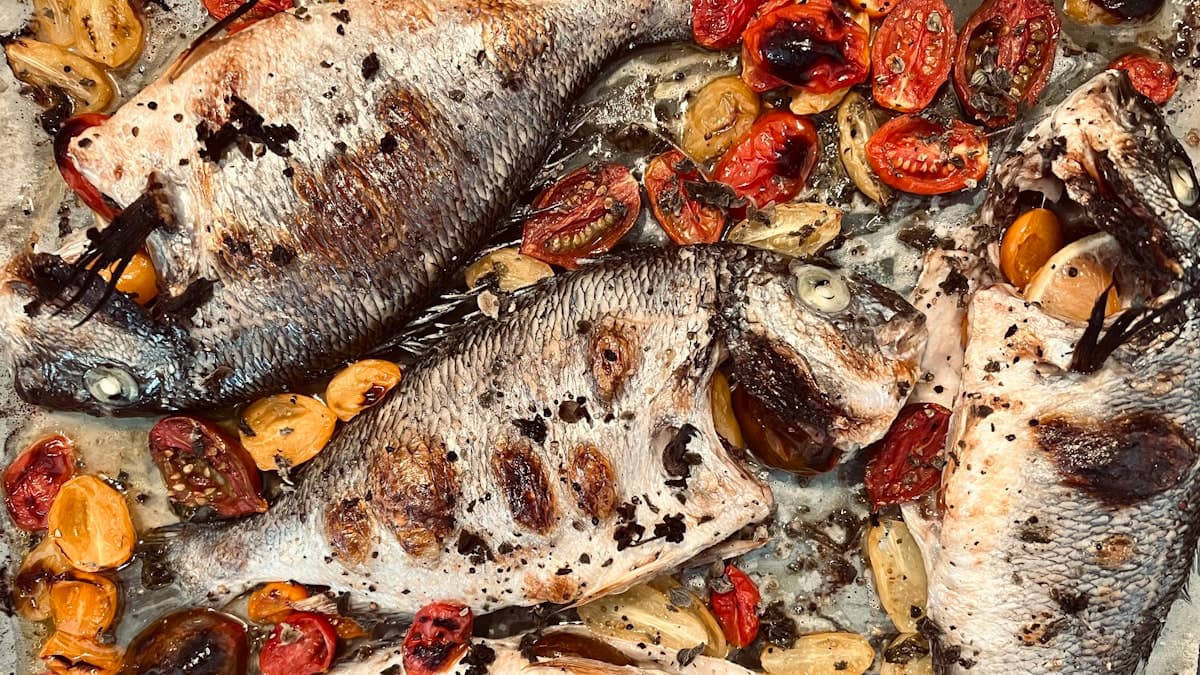
Olive oil has been central to fish cookery along the Mediterranean coast for thousands of years. Greek grilled sea bream, Italian beltfish pasta, Spanish flounder sauté — all rely on extra virgin olive oil (EVOO) as their primary cooking medium. The same logic translates naturally to the Korean table. Flounder, sea bream, and beltfish differ in texture and fat content, but all share a delicate protein structure typical of white-fleshed and silver-skinned fish, making them better suited to a fine oil's soft fruitiness than to any aggressively flavoured fat.
According to the International Olive Council (IOC), extra virgin grade requires free fatty acid content below 0.8% and a peroxide value below 20 meq/kg. Only oils that clear these benchmarks are positioned to complement rather than obscure a fish's natural sweetness and umami. Lower acidity is also associated with a later smoke onset during cooking, which is reported to reduce the risk of scorching or bitterness developing in the flesh.
Flounder — Preserving Mildness with a Green, Fruity Oil
Flounder is a high-moisture, low-fat white fish, carrying only roughly 1–2 g of fat per 100 g. With so little internal fat, the role of an external oil during cooking becomes especially significant. Several culinary science studies have reported that olive oil can form a surface barrier that slows moisture loss, helping the flesh stay moist through the cooking process.
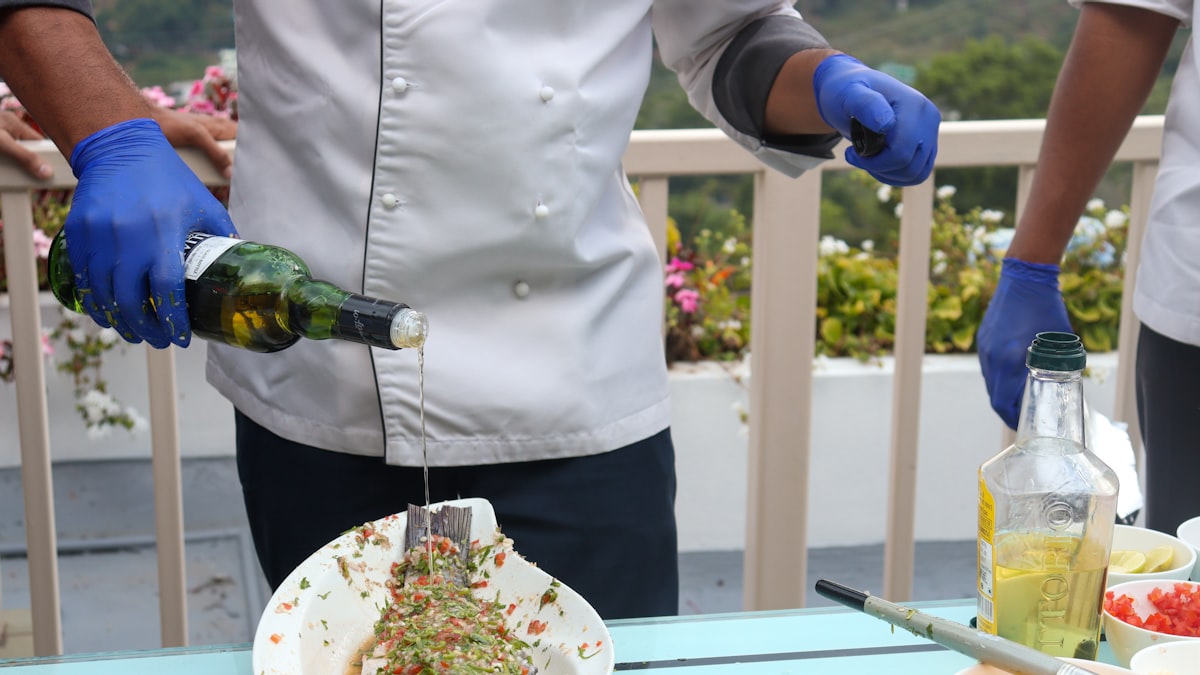
The EVOO that suits flounder best is a medium-intensity oil — one that leans toward ripe apple or almond rather than sharp grass, and carries low bitterness. Among cultivars, Ojiblanca is frequently mentioned by culinary professionals for its delicate fruitiness and restrained pungency, which harmonise with flounder's mild flesh without competing with it. For technique, pan-sautéing or oven-roasting at no more than 200 °C is recommended, followed by a finish drizzle of raw oil once the fish is plated.
Sea Bream — Balancing a Fatty Skin with a Fruity Oil
Red sea bream carries a thin layer of fat beneath the skin, giving it a richer, nuttier quality than flounder. Known in Japanese cuisine as madai (真鯛), it is equally at home as sashimi, grilled whole, or in broth — and in the Mediterranean it occupies much the same culinary position as the Greek and Spanish farmed gilthead bream (Sparus aurata). According to FAO aquaculture data cited by Korean fisheries authorities, sea bream has consistently ranked among the top farmed species in Korea, making it available year-round.
When roasting a whole sea bream, filling the body cavity with EVOO and herbs — thyme and rosemary work well — is an effective way to infuse flavour into the flesh from the inside. Here, a robust cultivar such as Picual, with its distinctive green and bitter edge, creates a counterpoint to the caramelised richness of the roasted skin, producing a more layered result. Note that oil applied to the exterior of the fish is primarily there to help it brown and adhere seasonings; using too much will generate excess smoke. Keeping the oven at or below 210 °C is advisable.
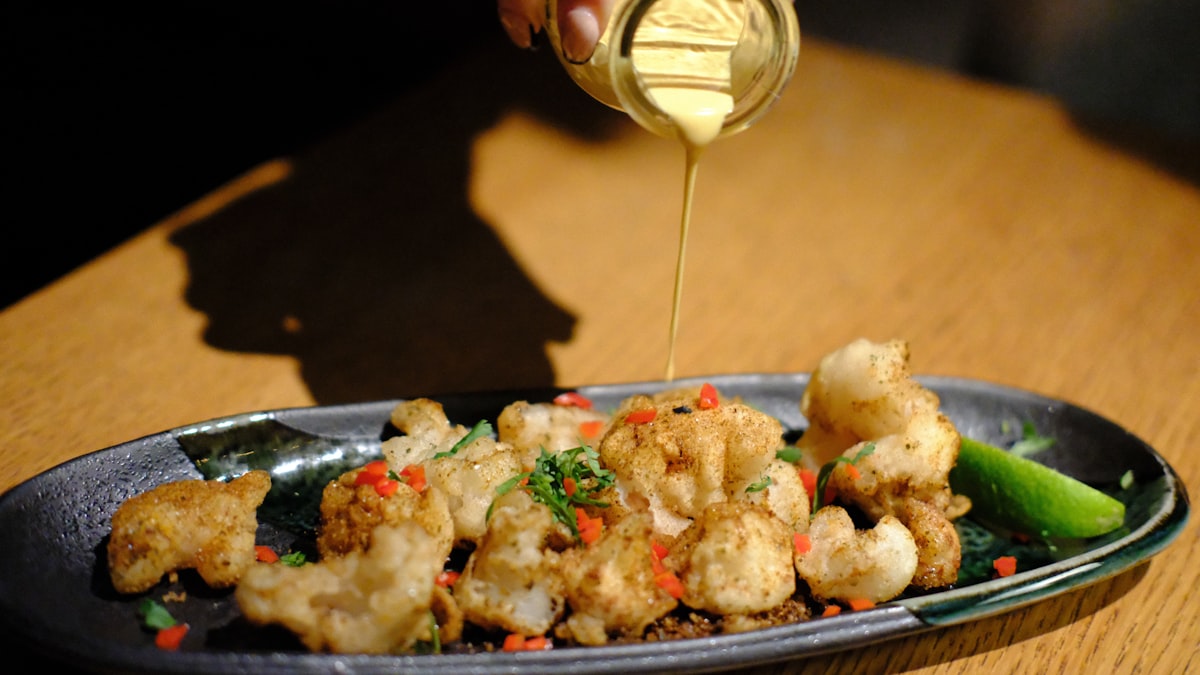
Beltfish — A Delicate Pairing for Silver Skin
Beltfish (galchi) is among the most widely eaten fish in Korea; it has consistently accounted for a significant share of coastal catch volumes according to survey data published by the Korean Ministry of Oceans and Fisheries. Its silver skin and tender white flesh make it versatile across grilling, braising, and soup preparations.
Because the skin is thin and fragile, beltfish tends to break apart at high heat. Filming the pan with EVOO and cooking skin-side-down over medium heat is the approach most likely to keep the fish intact. Once plated, a light vinaigrette of lemon juice and oil — approximately 1:3 — draws out the fish's understated natural sweetness. A low-acidity, aromatically refined cultivar such as Sibarita is widely noted as a good finish-drizzle choice; its elegance avoids overpowering beltfish's subtle flavour.
There is also a growing practice of incorporating EVOO into braised beltfish (galchi-jorim). Traditional galchi-jorim is built on soy sauce, chilli, and radish; finishing the braise with a small amount of olive oil in place of the customary sesame oil is reported to maintain the dish's nutty depth while modifying its overall fat profile.
Temperature and Timing — Two Principles for Cooking with EVOO
When using olive oil with Korean fish, temperature and timing are the two variables that matter most. Research reported by Spain's IRTA (Instituto de Recerca i Tecnologia Agroalimentàries) indicates that the smoke point of EVOO varies with quality and polyphenol content, but falls generally in the 180–210 °C range. Staying within that window during fish cookery allows the oil's aroma compounds to transfer positively to the food rather than degrade.
On timing: separating a "cooking oil" from a "finishing oil" is the key strategic distinction. A low-acidity, heat-stable oil is appropriate for the pan or oven; a separate, high-polyphenol oil with pronounced aroma is reserved for the finish drizzle after plating. Because heat drives off most of the volatile aromatic compounds in oil, experiencing both the fish's natural umami and the oil's fruitiness together requires that finishing step — it cannot be replicated by using a single oil throughout.
Finding a Place for EVOO in Korean Fish Cookery
Extra virgin olive oil has found a steadily growing role at the Korean fish table, in part as interest in the Mediterranean dietary pattern has increased. According to the World Health Organization (WHO) and a range of nutritional epidemiology reports, the Mediterranean diet — centred on olive oil, vegetables, and fish — continues to be studied as an overall dietary pattern.
Adopting EVOO in Korean fish cookery does not require wholesale adoption of Western recipes. There is ongoing experimentation with approaches that retain Korean cooking logic: dressings that combine EVOO with Korean herbs such as spring onion, chamnamul, or perilla leaf; olive oil sauces loosened with a small amount of doenjang (fermented soybean paste); or garlic-infused oil prepared at low temperature and stirred into braised dishes. The starting point for any pairing is understanding the personality of each fish — flounder's restraint, sea bream's richness, beltfish's delicacy — and then matching the right EVOO cultivar, temperature, and moment of application to it.
Frequently asked questions
- Which olive oil works best with flounder?
- Culinary professionals tend to recommend a medium-intensity EVOO with ripe apple or almond notes and low bitterness — Ojiblanca is a frequently cited example. Its delicate fruitiness complements flounder's mild, low-fat flesh without overwhelming it.
- Can you use extra virgin olive oil for pan-frying fish?
- Yes. According to research reported by Spain's IRTA institute, quality EVOO has a smoke point generally in the 180–210 °C range. Keeping pan or oven temperatures within that window preserves the oil's aroma compounds and prevents the fish from picking up bitter, acrid notes.
- What is the best EVOO cultivar for whole roasted sea bream?
- A robust cultivar such as Picual — with its pronounced green and peppery character — is often suggested for whole roasted sea bream, because its intensity creates a counterpoint to the rich, caramelised skin and provides a more layered flavour overall.
- How do you pair olive oil with beltfish (galchi) without breaking the delicate skin?
- The skin of beltfish is thin and prone to tearing at high heat. Culinary guidance recommends filming the pan with EVOO and cooking the skin side first over medium heat. After plating, a lemon-and-oil vinaigrette (roughly 1 part lemon juice to 3 parts oil) brings out the fish's natural sweetness. A low-acidity, elegant cultivar such as Sibarita is frequently recommended as a finish drizzle.
- Does olive oil quality matter when cooking fish?
- According to International Olive Council (IOC) standards, extra virgin grade requires free acidity below 0.8% and a peroxide value below 20 meq/kg. Oils that meet these thresholds are reported to produce less smoke during cooking and are less likely to introduce off-flavours that mask a fish's natural sweetness and umami.
Related reading
- Korea's Cooking Oil Aisle Is Making Room for EVOO
Extra virgin olive oil is claiming a growing share of South Korea's cooking oil shelves, driven by single-person households, the home-cooking surge, and a wider wellness conversation. Here is how the shift is taking shape.
- The Finishing Drop: How Fine Dining Restaurants Use Extra Virgin Olive Oil at the Last Moment
The world's top restaurants reserve their finest extra virgin olive oil for one precise moment — just before the plate reaches the guest. From cultivar-by-course pairings to hotel breakfast stations, this is how finishing oil shapes the art of fine dining.
- Wine and Olive Oil at the Same Table: A Cultivar-by-Cultivar Pairing Guide
Grapes and olives have shared Mediterranean soil for millennia, and the flavor languages of wine and extra virgin olive oil map onto each other more closely than most people realize. This guide pairs EVOO cultivars with specific wine styles and translates the theory into practical table combinations.
- Single-Cultivar or Blend: Picking the Right Bottle for the Job
Extra virgin olive oil splits into two clear categories at retail: single-cultivar pressings that put one variety front and center, and blends engineered for balance. Here is how the two differ on the label, in the glass, and at the table.
- Dietary Fat, Magnesium, and the Mediterranean Table: What the Research Shows So Far
Evidence is accumulating that the type of dietary fat consumed alongside magnesium-rich foods may influence how well that mineral is absorbed. This guide surveys current research on olive oil, fatty acid composition, and mineral metabolism.
- Beyond BMI: Dietary Fat Quality, Olive Oil, and Metabolic Health Research
Two people can share the same BMI and yet show markedly different blood lipid profiles, insulin sensitivity, and visceral fat distribution. A growing body of clinical research suggests that the type of fat consumed — not just total calories — may be a meaningful variable in metabolic health.