Guides
Wine and Olive Oil at the Same Table: A Cultivar-by-Cultivar Pairing Guide
Grapes and olives have shared Mediterranean soil for millennia, and the flavor languages of wine and extra virgin olive oil map onto each other more closely than most people realize. This guide pairs EVOO cultivars with specific wine styles and translates the theory into practical table combinations.
Translated from the Korean edition, originally published July 15, 2026 · read the original
Two Fruits, One Civilization
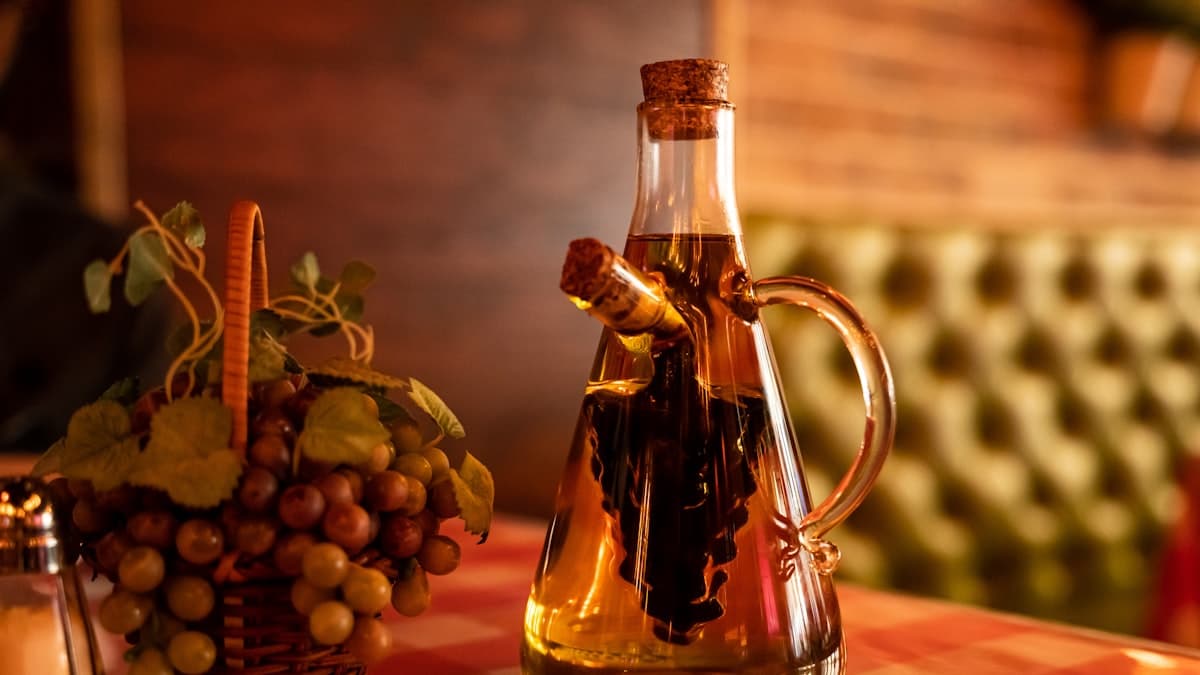
Olives and grapes have grown side by side for thousands of years. Farmers in ancient Greece and Rome planted olive trees and vines along the same field boundaries, and the two crops share overlapping harvest windows. Wine and olive oil follow different production paths — fermentation versus pressing — yet they share a governing principle: terroir. Soil, climate, cultivar, and harvest timing all shape the final flavor, in both the bottle and the tin.
The sensory vocabulary wine professionals use — floral, fruity, earthy, herbaceous — applies directly to high-quality extra virgin olive oil (EVOO). The International Olive Council (IOC) official tasting panel evaluates olive oil on three axes: fruttato (fruitiness), amaro (bitterness), and piccante (pungency). Those three dimensions map naturally onto a wine's acidity, tannin, and body, and they form the starting point for any serious pairing.
How the Flavor Languages Align
Just as you assess a wine by its acidity, tannins, body, and aroma, EVOO can be analyzed the same way.
High-bitterness, high-pungency EVOO carries elevated polyphenol levels and a pronounced peppery finish at the back of the throat. Sommeliers report that pairing this style with tannic, high-acidity reds — Italian Sangiovese-based Chianti or Spanish Tempranillo-based Rioja — works better than it sounds: rather than two sources of bitterness clashing, the oil's polyphenols appear to soften the wine's astringency and improve overall balance.
Delicate, buttery medium-intensity EVOO offers ripe apple, almond, and fresh-grass notes. It pairs well with oak-aged white wines carrying vanilla and cream nuances — Burgundy-style Chardonnay or smooth southern Spanish whites — because the oil's fruit character complements the wine's aromatics without competing with them.
Light, fresh EVOO pressed from fully ripe olives has a gentle profile that makes it a natural partner for rosé, Italian Pinot Grigio, or Spanish Albariño — wines with a light, crisp acidity that would be overwhelmed by a more assertive oil.
Cultivar-by-Cultivar Pairing Notes
A cultivar shapes an oil's flavor profile more than almost any other variable. Below are pairing examples for the three cultivars most relevant to this guide.
Picual: Native to Andalusia, Picual is characterized by high polyphenol concentration and intense bitterness and pungency. According to IOC reports, Picual tends to record higher polyphenol levels shortly after harvest compared with many other major cultivars. Pair it with tannic Nebbiolo — Barolo or Barbaresco — or a Bordeaux-style Cabernet Sauvignon: the oil's intensity provides structure that holds up against the wine's full body.
Ojiblanca: Bitterness and pungency are well balanced in Ojiblanca, with a layered aroma of almond, apple, and herbs. It suits medium-bodied whites such as Spain's Verdejo or Italy's Fiano, and works equally well with lighter reds like Grenache.
Sibarita: Defined by soft fruitiness and low acidity, Sibarita moves smoothly alongside Provence rosé or Spanish Garnacha Blanca — dry whites and rosés with floral and fruit nuances.
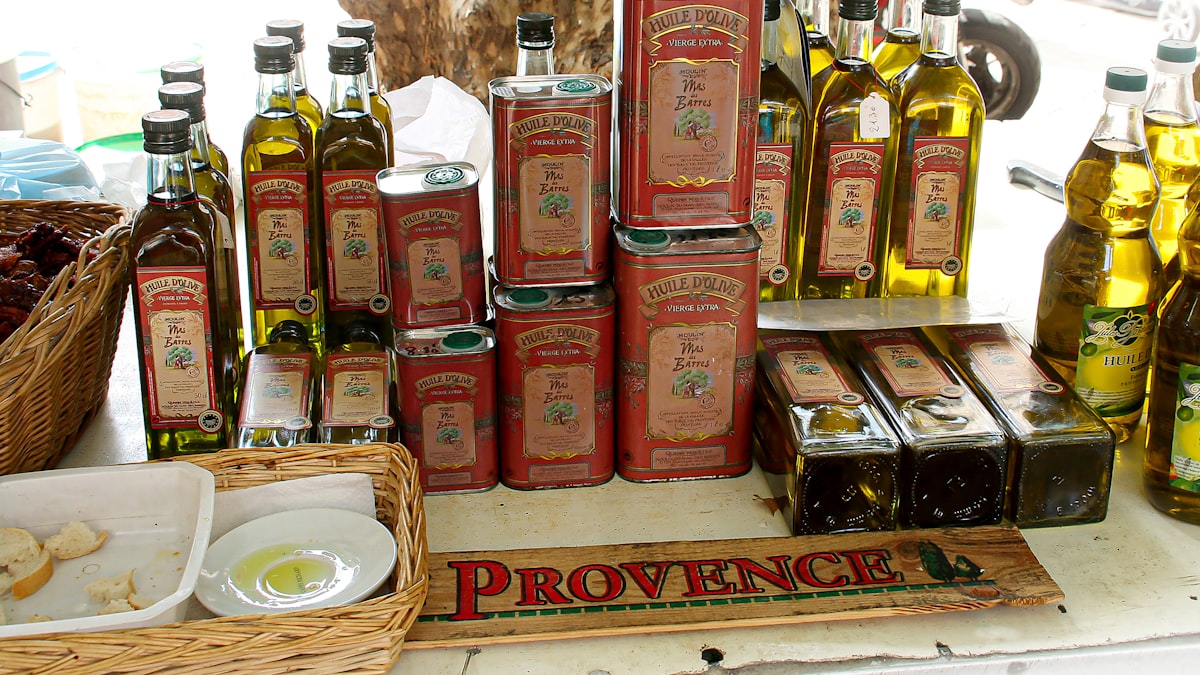
Practical Table Combinations
Pairing theory becomes more useful when it is anchored to actual dishes.
Pasta and risotto: Aglio e olio — garlic-and-oil pasta — finished with a grassy, medium-intensity EVOO pairs naturally with high-acid Italian whites such as Vermentino or Pinot Grigio. The oil's garlic and herb character finds common ground with the wine's minerality.
Grilled and roasted meats: Finishing a grilled steak or roasted lamb with Picual EVOO, then pouring a Chianti Classico or Rioja Reserva alongside it, creates a layered effect: the oil's bitterness amplifies the meat's savory depth, while the wine's tannins cut through the fat.
Cheese boards: A drizzle of Ojiblanca EVOO over creamy Brie or burrata, paired with Chardonnay or Sauvignon Blanc, layers the richness of the dairy fat with the oil's fruitiness in a way that adds depth without heaviness.
Bread dipping: At a wine tasting, toasted sourdough dipped in EVOO serves as a palate cleanser between pours. The sequence — a sip of wine, bread dipped in oil, the next wine — is a technique used in sommelier training and is reported to make each wine's aromas register more clearly.
Temperature and Storage Shape the Pairing
Both components need to be in good condition for the pairing to work. Wine should be served at the temperature appropriate to its style — roughly 8–18°C depending on the variety. EVOO is sensitive to heat, light, and oxygen: once opened, store it in a cool, dark place and aim to finish the bottle within six to eight weeks. According to IOC quality guidelines, oxidation can accelerate quickly after a bottle is opened, which is why smaller-format packaging is recommended for maintaining freshness.
Wine and EVOO were born from the same Mediterranean soil and speak the same sensory language. Understanding the flavor architecture of both makes every meal at the table more rewarding.
Frequently asked questions
- Can you pair olive oil with wine, and does it actually improve the experience?
- Yes. Sommeliers report that the polyphenols in high-quality EVOO can soften a wine's tannin astringency, while the oil's fruit and herbal aromas complement rather than compete with the wine's bouquet. The pairing works best when the intensity levels of both are matched.
- Which olive oil cultivar goes best with red wine?
- Picual, which according to IOC reports tends to record higher polyphenol levels than many other major cultivars shortly after harvest, pairs well with tannic, full-bodied reds such as Barolo, Barbaresco, or Bordeaux-style Cabernet Sauvignon. The oil's intensity provides structural support to the wine's body.
- What wine should I serve with Ojiblanca extra virgin olive oil?
- Ojiblanca's balanced bitterness and notes of almond, apple, and herbs make it a natural partner for medium-bodied white wines such as Spain's Verdejo or Italy's Fiano, or a light red like Grenache. Its complexity complements rather than overwhelms those styles.
- How do I use olive oil as a palate cleanser during a wine tasting?
- Dipping a piece of toasted sourdough in EVOO between pours is a technique used in sommelier training. The sequence — a sip of wine, bread dipped in oil, then the next wine — is reported to make each wine's aromas stand out more clearly.
- How should I store extra virgin olive oil to keep it in good condition for wine pairing dinners?
- According to IOC quality guidelines, EVOO can oxidize quickly once opened. Store it in a cool, dark place away from heat and light, and aim to use it within six to eight weeks of opening. Choosing a smaller bottle helps maintain freshness if you don't use olive oil daily.
Related reading
- Spain, Italy, Greece: How the Three EVOO Heartlands Taste Different
Spain, Italy, and Greece together account for more than 80 percent of the world's extra virgin olive oil, according to the International Olive Council — yet the flavors they produce could hardly be more distinct.
- Burning Groves: How Wildfire and Air Pollution Are Reshaping Olive Oil Country
The Mediterranean produces around 95% of the world's olive oil — and it is heating up faster than almost anywhere else on earth. From scorched root systems to smoke-tainted harvests, environmental disaster is leaving marks on olive groves that last far longer than the flames.
- The Farms That Keep Winning: A Guide to NYIOOC and Olive Japan Award Names
The world's two leading EVOO competitions honor hundreds of brands each year, yet Gold and Best in Class medals cluster around a surprisingly small circle of estates. A look at the 2024 results reveals which producers are setting the global standard.
- Spain's Top EVOO Estates: A Guide to the Names That Keep Winning
Not all single-estate Spanish olive oils occupy the same tier. From Jaén and Granada to the Tabernas Desert and Extremadura, this guide maps the Spanish houses that international competition judges and critic guides return to year after year.
- Beyond Tuscany: The Italian EVOO Estates Worth Knowing in Umbria and Sicily
Premium Italian extra virgin olive oil extends well beyond a Tuscany IGP label. From Carmignano to Palma di Montechiaro, three regions and their benchmark estates mapped out.
- Tunisia's Olive Oil Is No Longer Just a Bulk Story
Tunisia has reclaimed its position as the world's second-largest EVOO producer and is steadily expanding single-cultivar labelling — a shift that is reframing a country long associated with anonymous bulk supply.