Guides
The Finishing Drop: How Fine Dining Restaurants Use Extra Virgin Olive Oil at the Last Moment
The world's top restaurants reserve their finest extra virgin olive oil for one precise moment — just before the plate reaches the guest. From cultivar-by-course pairings to hotel breakfast stations, this is how finishing oil shapes the art of fine dining.
Translated from the Korean edition, originally published July 14, 2026 · read the original
A Chef's Final Signature
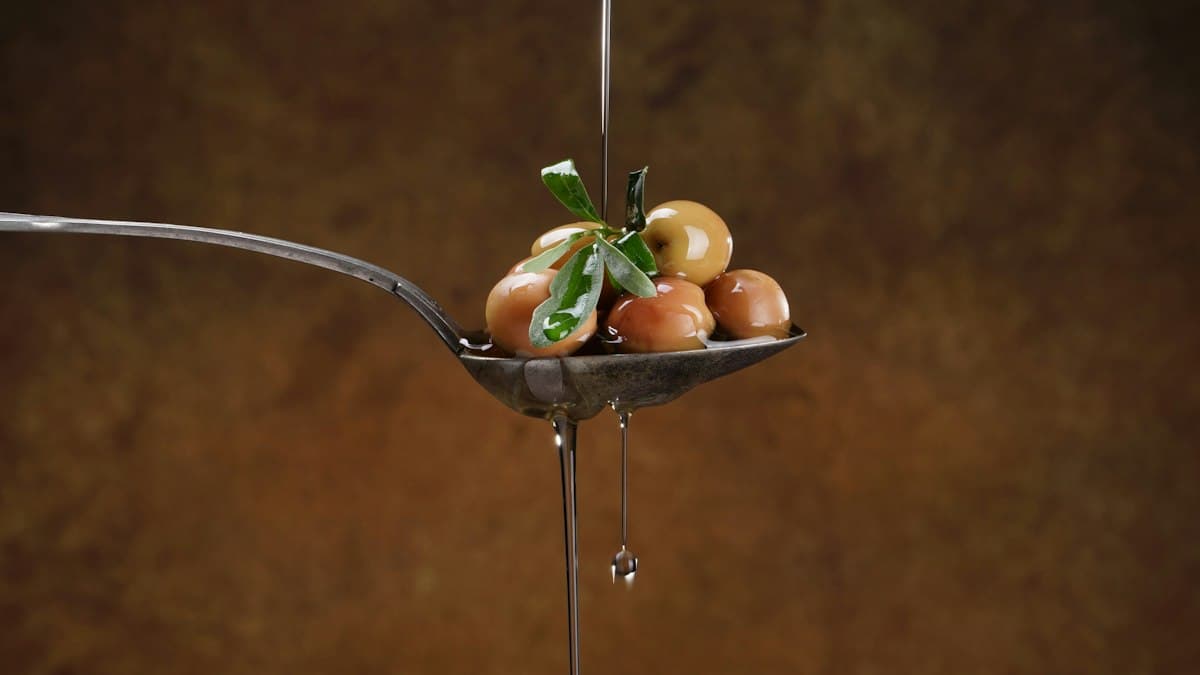
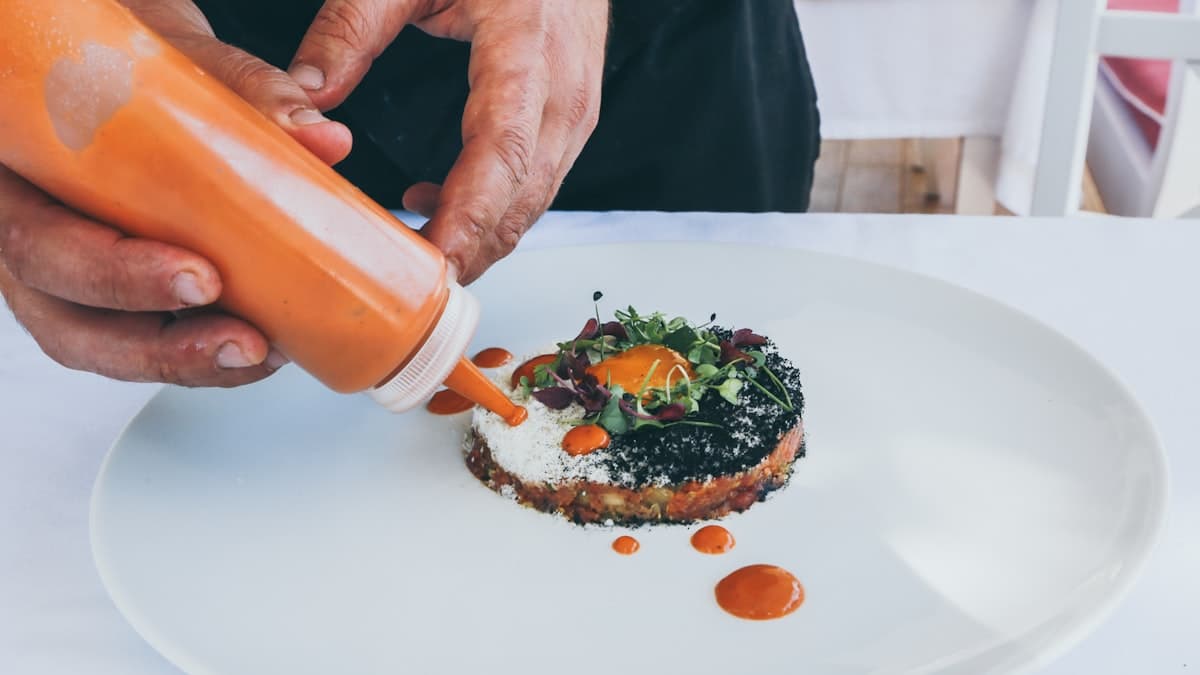
In the last seconds before a plate leaves the pass, a chef tilts a small bottle. A thread of golden oil crosses the dish, and only then is the cooking complete. This is the ritual of the finishing oil — and it is one of the defining gestures of fine dining worldwide.
Unlike oil used for sautéing or roasting, finishing oil never touches a flame. That distinction matters enormously. The fresh fruit aromas, the pleasant bitterness, the silky weight that define a great extra virgin olive oil arrive at the table exactly as nature and the mill left them — unaltered by heat.
The world's leading chefs have understood this for decades. From the wood-fire hearth of Asador Etxebarri in Spain's Basque Country to a spare osteria tucked into the Piedmontese hills, finishing oil has become as personal as a chef's signature, regardless of the size of the kitchen.
Why the Finishing Step Matters — Heat and Flavour
Extra virgin olive oil loses its polyphenols and volatile aroma compounds rapidly under sustained heat. According to data published by the Spanish olive oil industry association Interóleo, prolonged heating above 180 °C causes a marked reduction in the aldehyde and ester compounds responsible for olive oil's characteristic aroma. In other words, oil used for high-heat frying or grilling cannot be expected to deliver the complex flavour profile of the cultivar it came from.
Apply that same oil cold to a finished dish, however, and the picture changes entirely. The dense tomato-leaf character of Picual, the banana-and-almond nuance of Ojiblanca, the delicate artichoke note of Sibarita — all of these reach the palate and the nose intact. That is precisely why fine-dining chefs choose different cultivars for different courses.
Three Ways Hotels and Restaurants Put Finishing Oil to Work
First: the tasting-menu intermezzo. Between courses, a handful of restaurants offer a single-cultivar olive oil tasting as a formal part of the progression. A few millilitres in a small ceramic spoon resets the palate and frames what is coming next. The technique appears regularly in Michelin-starred restaurants in Italy and Spain.
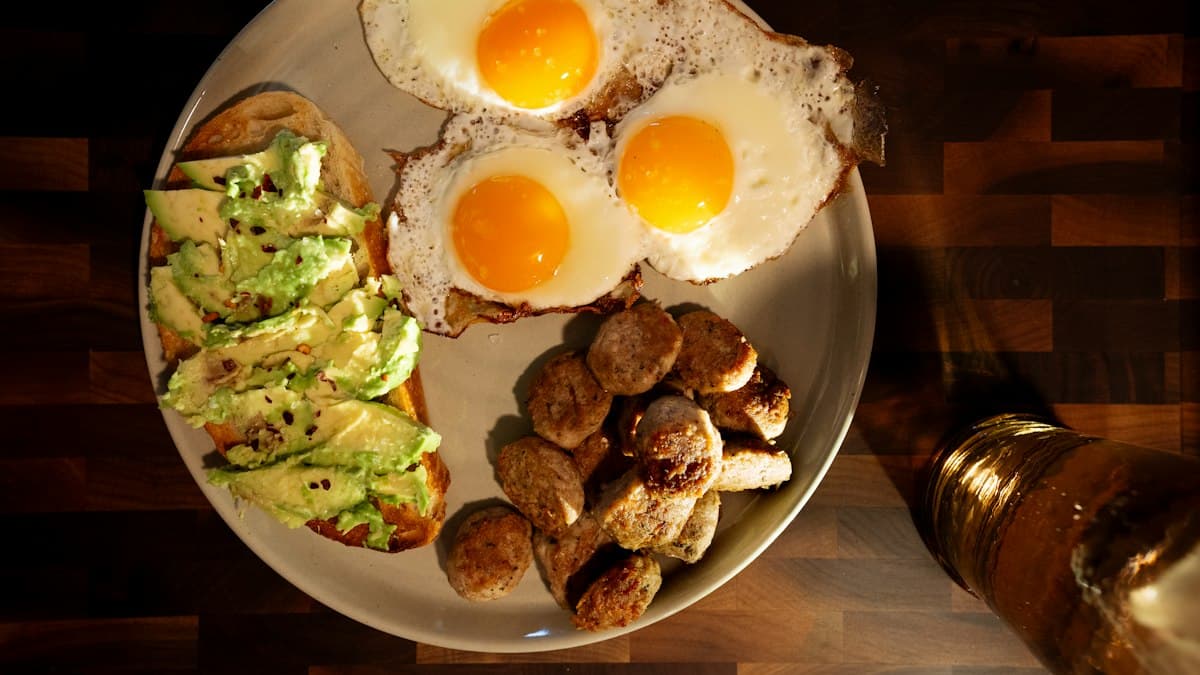
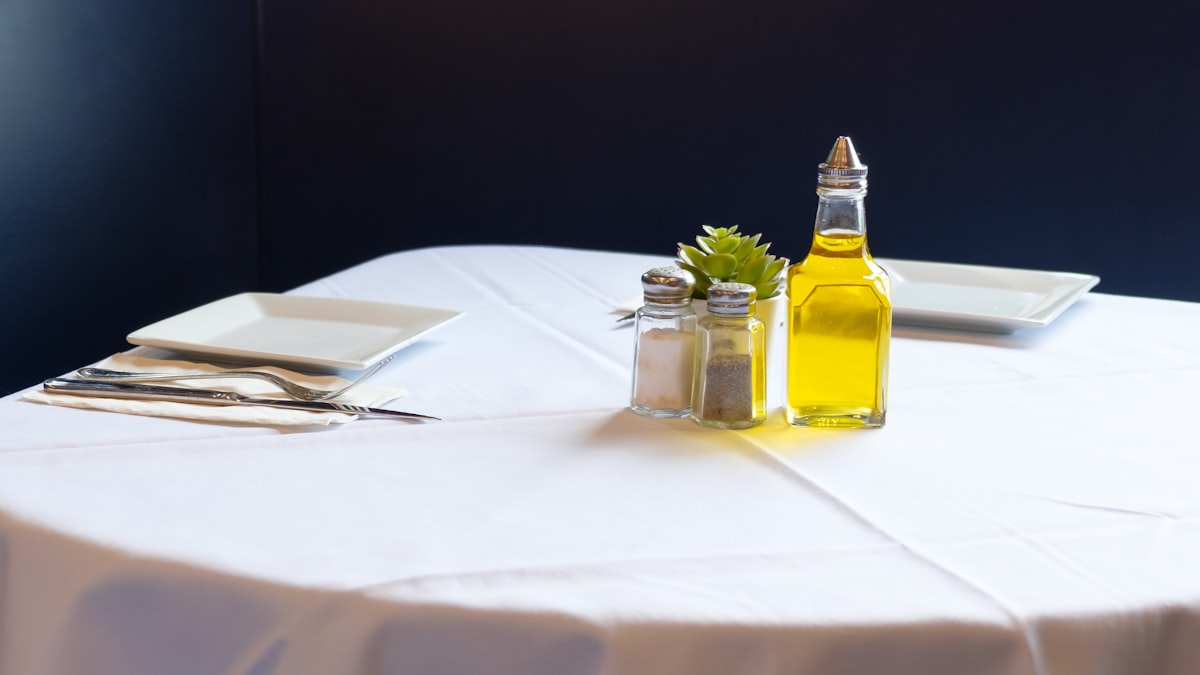
Second: the premium station at the hotel breakfast buffet. Leading luxury hotel groups have been carving out dedicated olive oil stations in their breakfast spaces. According to a 2023 report by hospitality consultancy HVS, the proportion of five-star hotel breakfast menus offering origin-labelled olive oil more than doubled compared with 2019. Guests exploring flavour differences by drizzling oil over bread or vegetables has become a recognised feature of wellness travel.
Third: the finishing drizzle on grilled meat and fish. A few drops of fresh extra virgin oil applied to a just-grilled steak or fillet are warmed gently by residual heat — enough to lift the aroma without cooking the oil. Chefs describe this as the moment when the dish finds its final register.
Cultivar-by-Course Pairing
Some restaurants commit to a single finishing oil throughout the meal; at higher levels of fine dining, the cultivar shifts course by course. A few guiding principles have emerged.
High-polyphenol, intensely bitter and pungent cultivars in the Picual family suit red meat, wild mushroom preparations and aged cheeses — their assertive character can stand alongside equally bold ingredients. Ojiblanca, with its gentle fruit profile and low acidity, is the natural choice for white-fish crudo, burrata and delicate vegetable dishes. Sibarita sits between the two and appears most often on seafood crudo and risotto.
The International Olive Council (IOC) sensory analysis guidelines classify olive oil fruitiness as light, medium or intense, and recommend using this scale as a baseline framework for pairing decisions.
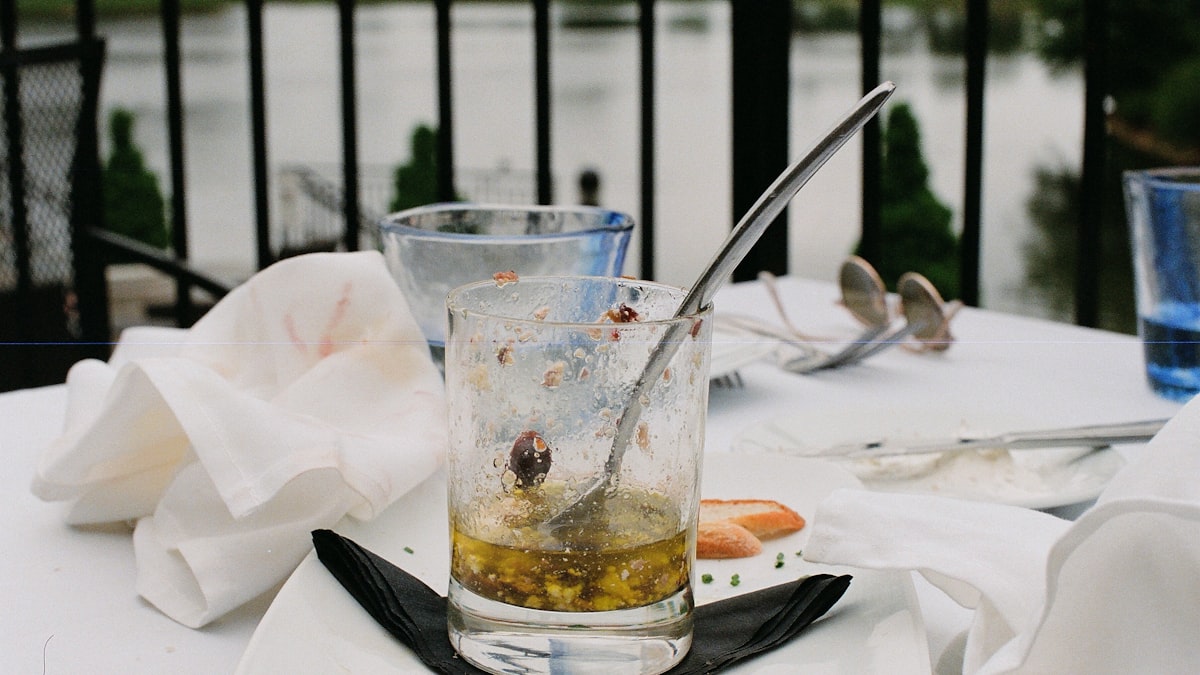
Bringing the Technique Home
The logic of finishing oil travels easily from restaurant kitchen to home table. The key habit is keeping two oils: an everyday pure or refined olive oil for cooking, and a high-quality extra virgin olive oil reserved strictly for the finish.
Quantity is secondary to timing. One to two teaspoons per plate is plenty. Drizzle just before eating; if the dish is still hot — a bowl of pasta, a soup — the residual heat will coax the aromas upward without degrading the oil. Good bread, finishing oil and a pinch of flaky salt is, by this logic, a miniature version of fine dining in its own right.
For storage: keep the bottle in a cool, dark place and aim to finish it within a month of opening. Refrigeration solidifies the oil and suppresses its aroma, so it is not recommended for oils you intend to use as finishing oils.
Olive Oil as a Culinary Language
The thread of oil a chef releases in the final moment before service is not a seasoning afterthought. Origin, cultivar, harvest timing, milling method — all of it is compressed into that single drop. Fine dining's near-obsessive attention to finishing oil exists because a dish is not only made by flavour; it is made memorable by the story behind it.
To regard extra virgin olive oil as a culinary language rather than a pantry commodity is the first step toward closing the distance between the restaurant dining room and the home table.
Frequently asked questions
- What is finishing olive oil and how is it different from cooking oil?
- Finishing olive oil is extra virgin olive oil applied to a dish after cooking, so it never encounters high heat. Because the volatile aroma compounds and polyphenols remain intact, the oil delivers the full flavour profile of the cultivar — fresh fruit notes, bitterness and peppery finish — in a way that a cooking oil cannot.
- Which olive oil cultivar works best as a finishing oil for red meat?
- High-polyphenol, intensely bitter and pungent cultivars such as Picual are widely preferred for red meat, aged cheese and wild mushroom dishes. The bold character of the oil holds its own against equally robust ingredients. Ojiblanca, with its delicate fruit notes and low acidity, suits white-fish carpaccio and burrata instead.
- How do Michelin-starred restaurants use olive oil between courses?
- Some restaurants present a small pour of single-cultivar extra virgin olive oil on a ceramic spoon as a palate-cleansing intermezzo between tasting-menu courses. The practice is particularly common in Michelin-starred restaurants in Italy and Spain, where the oil functions as both a sensory reset and a statement of terroir.
- Are luxury hotels really adding olive oil stations to breakfast buffets?
- Yes. According to a 2023 report by hospitality consultancy HVS, the share of five-star hotel breakfast menus offering origin-labelled olive oil more than doubled compared with 2019. Guests drizzling oil over bread or vegetables has become a recognised element of wellness-oriented travel.
- How should I store extra virgin olive oil to keep it fresh for finishing?
- Store the bottle in a cool, dark place and use it within one month of opening. Refrigeration is not recommended: the cold solidifies the oil and suppresses its aroma. For the most vivid flavour, drizzle the oil over food immediately before serving, or onto a hot dish where residual heat gently warms it without cooking it.
Related reading
- Five Cooking Oils, Five Jobs: Where EVOO Fits on a Well-Stocked Shelf
Canola, sunflower, avocado, sesame, and extra virgin olive oil each occupy a distinct role in the kitchen. A guide to matching each oil to the task it handles best.
- Korea's Cooking Oil Aisle Is Making Room for EVOO
Extra virgin olive oil is claiming a growing share of South Korea's cooking oil shelves, driven by single-person households, the home-cooking surge, and a wider wellness conversation. Here is how the shift is taking shape.
- Blend as Identity: The Cultivar Philosophy Behind Marqués de Valdueza
Marqués de Valdueza, rooted in Spain's Extremadura region, has built its reputation around precision blending rather than single-varietal purity — an approach that has earned it a steady following in fine-dining kitchens. This guide examines the cultivars, the method, and what it means for cooks and buyers.
- Flounder, Sea Bream, Beltfish: An EVOO Pairing Guide for Korean Fish
Korean table fish — flounder, sea bream, and beltfish — each have distinct textures and fat levels that call for different extra virgin olive oils. This guide borrows from Mediterranean cooking logic and applies it directly to the Korean kitchen.
- Single-Cultivar or Blend: Picking the Right Bottle for the Job
Extra virgin olive oil splits into two clear categories at retail: single-cultivar pressings that put one variety front and center, and blends engineered for balance. Here is how the two differ on the label, in the glass, and at the table.
- Extra Virgin Olive Oils Under 0.2% Acidity: A Guide by Origin
The IOC sets the acidity ceiling for extra virgin olive oil at 0.8%, but narrowing the field to 0.2% and below opens a noticeably different tier of freshness, flavor clarity, and heat stability. Here is how the leading low-acidity lines stack up by origin.
Tags