Guides
Blend as Identity: The Cultivar Philosophy Behind Marqués de Valdueza
Marqués de Valdueza, rooted in Spain's Extremadura region, has built its reputation around precision blending rather than single-varietal purity — an approach that has earned it a steady following in fine-dining kitchens. This guide examines the cultivars, the method, and what it means for cooks and buyers.
Translated from the Korean edition, originally published June 23, 2026 · read the original
Blending as a Language of Its Own
In the olive oil world, single-varietal oils — monovarietali — tend to carry an aura of purity. Yet just as blending stands as an independent art form in winemaking, the practice of combining multiple cultivars with precision to achieve a richer, more balanced flavor has earned consistent respect in the olive oil trade. Marqués de Valdueza, an estate rooted in Spain's Extremadura region, places this blending philosophy at the very core of its identity.
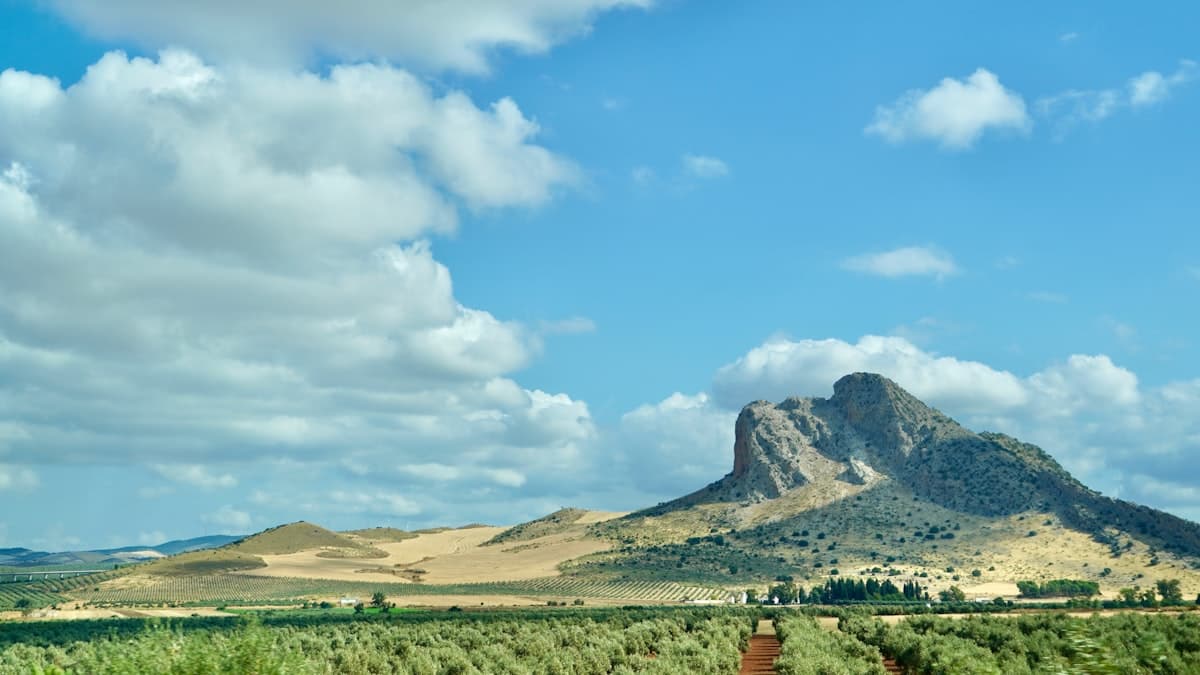
Extremadura sits in western Spain along the Portuguese border, a continental-climate zone characterized by long hours of sunshine and sharp day-to-night temperature swings. The region is best known internationally for Ibérico pork and cork oak, but it also carries significant olive acreage. Within this landscape, the Valdueza estate runs centuries-old olive trees alongside modern cold-press facilities, and has developed a sustained presence supplying Spanish Michelin-starred restaurants and the broader fine-dining scene.

Three Cultivars, One Harmony: Morisca, Cornezuelo, and Picual
Valdueza's signature blend is anchored by three cultivars: Morisca (also known as Morcal), Cornezuelo, and Picual.
Morisca is a native Extremadura variety. On its own it tends toward a mild, buttery texture, though its polyphenol content is relatively modest, which can limit oxidative stability. Cornezuelo, a leading cultivar from central Spain, is noted for a grassy character and almond-edged finish; its comparatively high oleic acid content has been reported to contribute good thermal stability. Picual — one of the most widely cultivated olive varieties in the world — brings pronounced bitterness and pungency, along with high polyphenol concentrations that add structure and shelf-life to any blend it enters.
Valdueza adjusts the ratio of these three cultivars each harvest year according to climate conditions and olive maturity — an approach that mirrors the assemblage method familiar from winemaking. According to data published by the International Olive Council (IOC), the final flavor profile of an olive oil can shift substantially depending not only on cultivar but also on harvest timing, ambient temperature, rainfall, and soil composition.
Why Fine-Dining Kitchens Reach for a Blend
Professional kitchens engage with olive oil across a far wider set of conditions than most home cooks. From dressings and finishing oils to emulsified sauces, low-temperature cooking, and confit preparations, the temperature range and culinary context vary enormously. A single-varietal oil's strong personality, while prized in the right setting, can overpower a dish when deployed at the wrong stage of preparation. A well-designed blend, by contrast, performs reliably across both finishing and heated applications while still delivering layered complexity.
According to an olive oil usage guide published by the Culinary Institute of America (CIA), one of the leading reasons chefs choose blended oils is lot-to-lot consistency. Single-varietal oils can show marked flavor variation from vintage to vintage; a skillfully blended oil can maintain a more uniform taste profile across harvests. Naturally, this depends entirely on the blender's skill — consistency is a promise, not a guarantee.

Acidity and Polyphenols: The Two Measures That Matter
Acidity and polyphenol content are the two most widely cited indicators of olive oil quality. The legal ceiling for extra-virgin grade — free acidity below 0.8%, as defined by the IOC — is a floor, not a standard of excellence. High-quality producers typically target 0.2–0.3% or lower. Valdueza states in publicly available documentation that it maintains acidity in the 0.2–0.3% range, citing cold-pressing within 24 hours of harvest and rigorous temperature management throughout production.
On polyphenols, the European Food Safety Authority (EFSA) published a scientific opinion in 2011 concluding that hydroxytyrosol and related polyphenols present in olive oil are associated with protection of blood lipids from oxidative damage caused by LDL oxidation. EFSA qualified the finding by specifying that it applies when a sufficient polyphenol level is delivered through a daily intake of 20 g of oil; individual dietary context may affect outcomes, and it is too early to draw broader conclusions from that finding alone.
Food Pairing and Kitchen Applications
Valdueza's blend is frequently described in terms of fresh herbaceous aromas, moderate bitterness, and a long, peppery finish. That profile is reported to pair well with fish carpaccio, roasted vegetable salads, pasta finished with olive oil, cheese plates, and white-meat preparations.
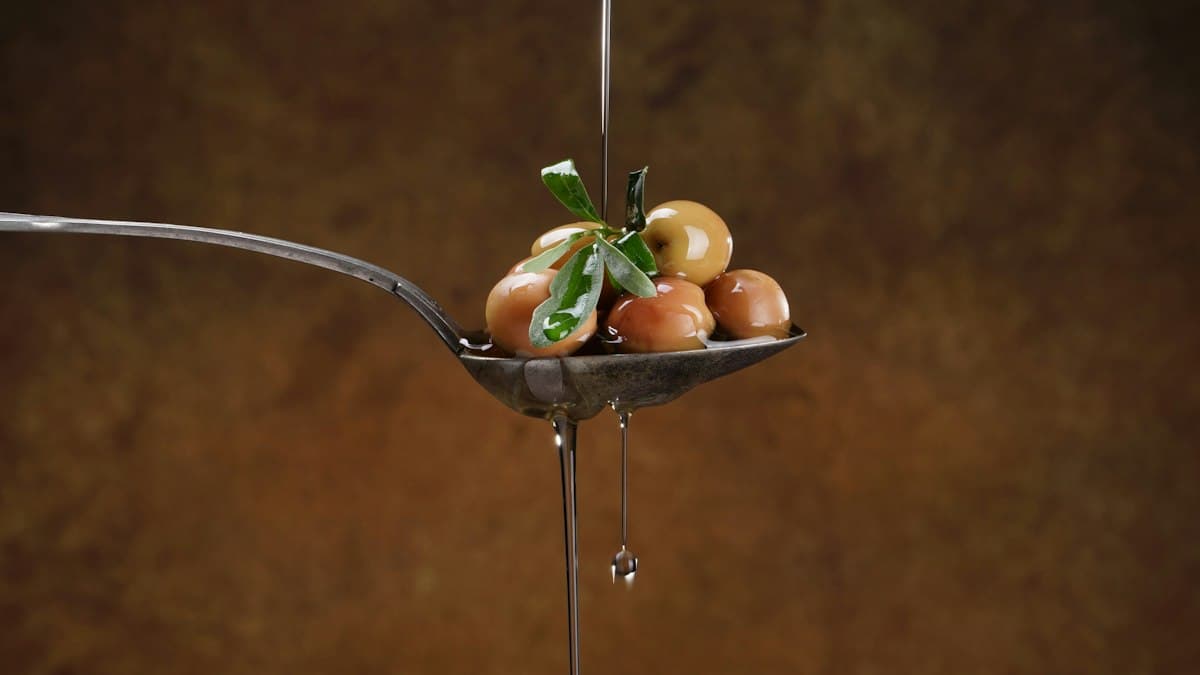
The application that attracts particular attention from chefs is oil finishing — adding a small pour of high-quality olive oil to a completed plate at the last moment to deliver aroma and sheen. The oil used at this stage must have a distinct personality without overwhelming the dish as a whole. Some in the fine-dining world attribute Valdueza's continued presence on professional kitchen shelves to precisely this quality: the ability to support, rather than dominate.
How to Choose a Blended Olive Oil
A few practical checks apply when selecting any blended EVOO. First, confirm that the bottle carries a harvest date rather than only a best-before or production date; producers who publish the harvest year are generally more transparent about freshness. Second, look for cultivar information on the label — disclosure of blend composition is a reasonable proxy for producer transparency. Third, where possible, check for certification: PDO (Protected Designation of Origin) or PGI (Protected Geographical Indication) status provides an official guarantee of origin and adherence to defined quality standards.
Marqués de Valdueza is one of only a handful of Spanish olive oil producers to have made blending the explicit centerpiece of a brand identity. In a market where the push toward single-varietal purity continues to grow louder, re-examining the distinct value of a well-executed blend offers a fuller picture of what olive oil, as a category, can be.
Frequently asked questions
- What cultivars go into Marqués de Valdueza olive oil?
- The signature blend centers on three cultivars: Morisca (also called Morcal), a native Extremadura variety; Cornezuelo, known for its grassy, almond-edged finish and high oleic-acid content; and Picual, one of the world's most widely grown olives, which contributes bitterness, pungency, and high polyphenol levels that add structure and stability to the blend.
- Why do chefs prefer blended olive oil over single-varietal?
- According to an olive oil usage guide published by the Culinary Institute of America (CIA), one of the main reasons chefs choose blended oils is lot-to-lot consistency. Single-varietal oils can show significant flavor variation from year to year, while a skillfully blended oil can maintain a more uniform taste profile across vintages — an important factor when flavor consistency across a menu matters.
- What acidity level does Marqués de Valdueza target?
- Valdueza states in publicly available documentation that it targets an acidity of 0.2–0.3%, well below the legal extra-virgin maximum of 0.8% set by the International Olive Council (IOC). The producer attributes this to cold-pressing within 24 hours of harvest and strict temperature control throughout processing.
- What do polyphenols in olive oil actually do?
- In a 2011 scientific opinion, the European Food Safety Authority (EFSA) assessed that hydroxytyrosol and related polyphenols found in olive oil are associated with protection of blood lipids from oxidative damage caused by LDL oxidation. EFSA qualified this finding by noting it applies when a sufficient polyphenol level is delivered through a daily intake of 20 g of oil; individual dietary context will affect outcomes, and it is too early to draw broader conclusions.
- What should I look for on the label when buying a blended EVOO?
- Three things are worth checking. First, look for a harvest date rather than just a best-before date — producers who publish the harvest year are generally more transparent about freshness. Second, check whether the cultivar composition is listed; disclosure of blend percentages is a useful indicator of producer transparency. Third, look for PDO (Protected Designation of Origin) or PGI (Protected Geographical Indication) certification, which provides an official guarantee of origin and quality standards.
Related reading
- The Finishing Drop: How Fine Dining Restaurants Use Extra Virgin Olive Oil at the Last Moment
The world's top restaurants reserve their finest extra virgin olive oil for one precise moment — just before the plate reaches the guest. From cultivar-by-course pairings to hotel breakfast stations, this is how finishing oil shapes the art of fine dining.
- Andalusia: How One Region Came to Produce a Third of the World's Olive Oil
From Phoenician traders to single-estate pressing, Spain's Andalusia has held its place at the center of global olive oil production for more than a thousand years. A look at the history behind the world's largest EVOO-producing region.
- Flounder, Sea Bream, Beltfish: An EVOO Pairing Guide for Korean Fish
Korean table fish — flounder, sea bream, and beltfish — each have distinct textures and fat levels that call for different extra virgin olive oils. This guide borrows from Mediterranean cooking logic and applies it directly to the Korean kitchen.
- Arbequina: From Catalonia to Andalusia's Super-High-Density Groves
The most common single-cultivar extra virgin olive oil on global shelves did not originate in Andalusia. This guide traces Arbequina from its Catalan home village to the intensive groves that now define its commercial reach.
- Single-Cultivar or Blend: Picking the Right Bottle for the Job
Extra virgin olive oil splits into two clear categories at retail: single-cultivar pressings that put one variety front and center, and blends engineered for balance. Here is how the two differ on the label, in the glass, and at the table.
- Lab Numbers vs. Living Bodies: The Truth About Olive Oil Antioxidant Assays
DPPH, FRAP, and Folin-Ciocalteu tests can put a number on an olive oil's polyphenol potential — but in-vitro results and in-vivo bioavailability are not the same thing. This guide examines the gap between the two and what it means at the table.
Tags
- spanish olive oil
- blended evoo
- extremadura
- fine dining
- cultivar