Guides
Heartburn and Dietary Fat: Where Olive Oil Fits In
The type of fat on your plate may matter as much as the amount when it comes to acid reflux. This guide examines how saturated and unsaturated fats affect gastric emptying and lower esophageal sphincter pressure — and why extra virgin olive oil is drawing attention in the research.
Translated from the Korean edition, originally published June 9, 2026 · read the original
Fat Comes First
Heartburn occurs when stomach acid refluxes into the esophagus, producing a burning sensation in the chest. The causes are multiple, but meal composition — particularly the type and quantity of fat — has been reported to be associated with how often symptoms arise. Many people notice that a day of fried food or high-fat fast food brings more discomfort. The question worth asking is whether fat itself is the problem, or whether the kind of fat is what matters.
When fat enters the digestive tract, the upper small intestine releases a hormone called cholecystokinin (CCK). CCK stimulates bile and digestive-enzyme secretion while also being known to reduce pressure in the lower esophageal sphincter (LES) — the muscular "gate" between the stomach and the esophagus. When LES pressure drops, conditions become more favorable for acid to travel upward. Research has reported, however, that the degree of this response differs depending on the type of fat consumed.
Saturated vs. Unsaturated Fat: Different Responses in the Gut
Some studies have reported that high-saturated-fat meals can slow gastric emptying and exert a greater influence on LES pressure. Because stomach contents that linger longer create more opportunity for reflux, the association between high-saturated-fat eating patterns and reflux discomfort has attracted steady research interest. By contrast, meals centered on monounsaturated fatty acids (MUFA) — olive oil being the most common example — have been observed in some studies to produce relatively less gastric-emptying delay.
According to guidelines from the American College of Gastroenterology (ACG), high-fat, high-calorie meals are listed among the dietary factors associated with worsening gastroesophageal reflux symptoms. The guidelines point toward reducing total fat intake, however, rather than recommending or prohibiting any specific oil. Individual variation is considerable, which makes a single universal answer difficult to give.
EVOO Polyphenols and the Gastric Mucosa
What sets extra virgin olive oil (EVOO) apart from refined oils is not only its fatty-acid profile but also its polyphenol content. Phenolic compounds such as oleocanthal and oleuropein are associated with antioxidant activity, and some research has reported that they may influence the oxidative-stress environment of the gastric mucosa. According to data published by a research team at the University of Seville, EVOO phenolics were observed to affect markers related to oxidative damage in gastric mucosal cells. It is too early to conclude, however, that this translates directly into a reduction in heartburn symptoms.
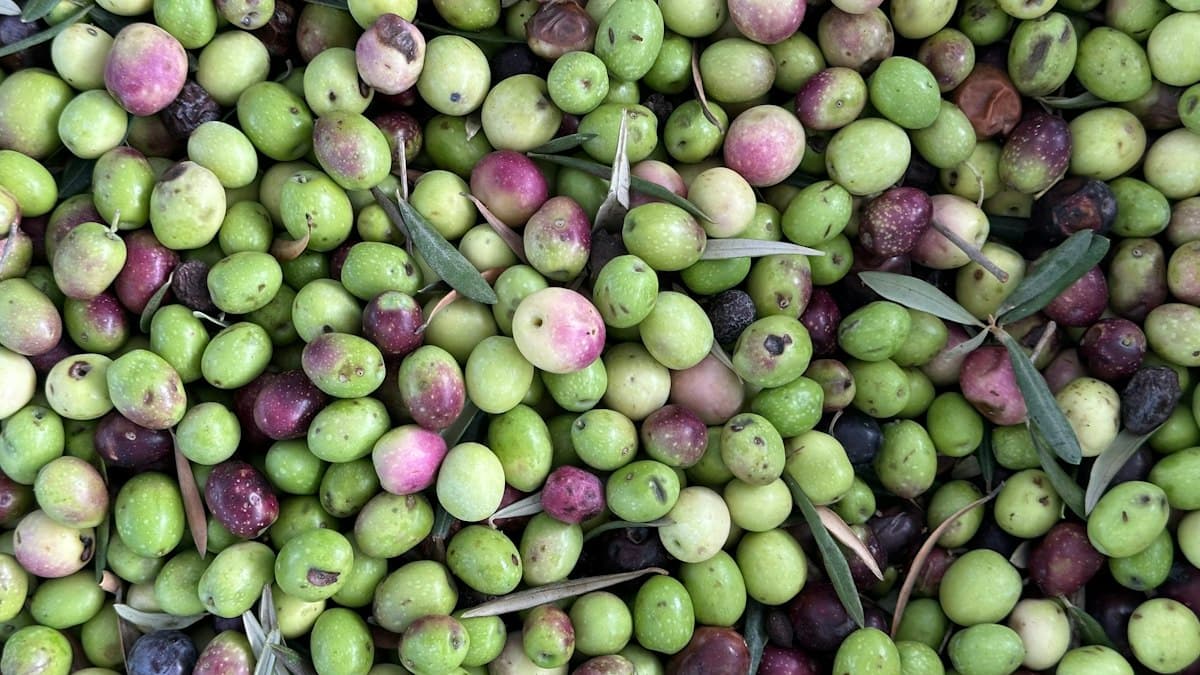
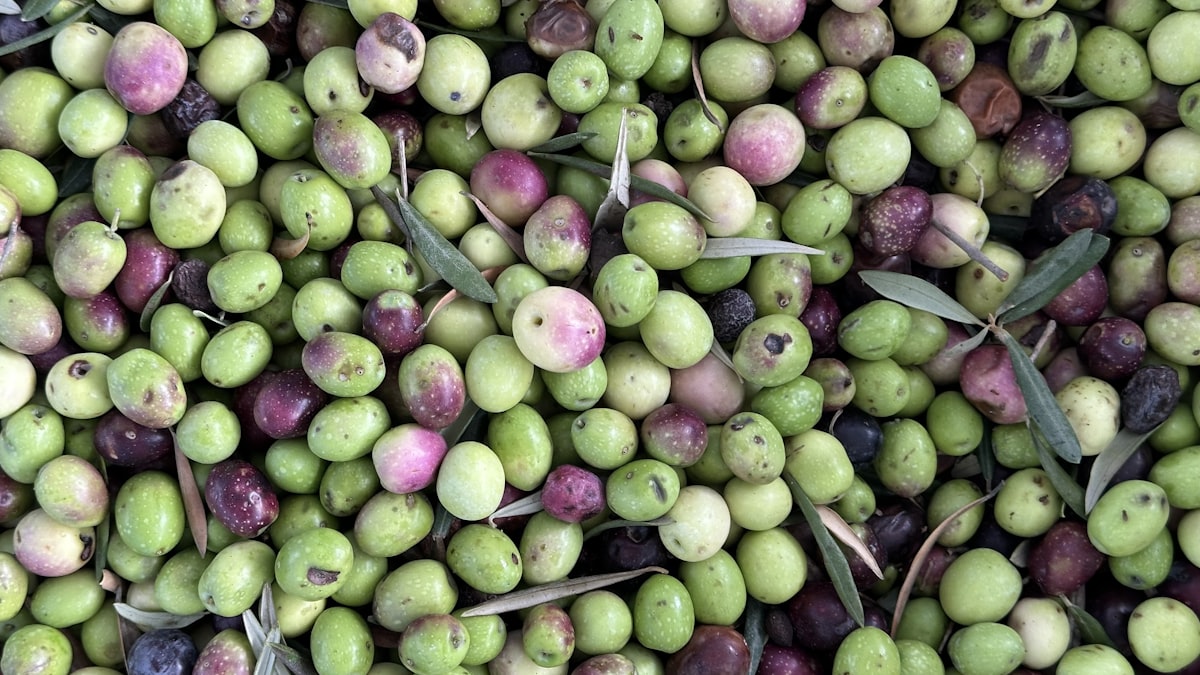
Polyphenol content in olive oil varies considerably by cultivar, harvest timing, and processing method. Early-harvest green olives that are cold-pressed tend to retain higher polyphenol levels, according to available evidence. The European Food Safety Authority (EFSA) has approved a health claim relating to the inhibition of LDL oxidation through the polyphenol intake provided by 20 g of EVOO per day — applicable to products with a polyphenol content of at least 250 mg/kg.
Why the Mediterranean Diet Keeps Coming Up
Discussions of heartburn and dietary fat frequently turn to the Mediterranean diet, which uses olive oil as its primary fat source and centers on vegetables, whole grains, and fish. A study published in the gastroenterology journal Diseases of the Esophagus in 2021 reported that participants following a Mediterranean dietary pattern showed a tendency toward lower gastroesophageal reflux symptom scores. The authors also noted a limitation inherent to the study design: it is difficult to isolate which specific element of the diet accounts for the observed difference.
Managing heartburn through dietary fat is ultimately less a matter of "avoid fat" than of "which fat, and how much." The perspective gaining ground in nutrition research is that reducing high-saturated-fat fried foods and incorporating a moderate amount of MUFA-rich oil such as EVOO may be associated with a more favorable gastric environment. That said, anyone experiencing recurring symptoms should prioritize consulting a physician rather than relying on dietary adjustment alone.
Frequently asked questions
- Can olive oil cause heartburn?
- Fat of any kind can influence lower esophageal sphincter pressure and gastric emptying, both of which are involved in acid reflux. However, some research suggests that meals high in monounsaturated fat — such as extra virgin olive oil — are associated with less gastric-emptying delay than meals high in saturated fat. Individual responses vary, and anyone with frequent symptoms should consult a physician.
- Does the type of fat you eat affect acid reflux symptoms?
- Some studies have reported that high-saturated-fat meals are more likely to slow gastric emptying and reduce lower esophageal sphincter (LES) pressure than meals built around monounsaturated fats. The American College of Gastroenterology (ACG) lists high-fat, high-calorie meals as a dietary factor associated with worsening reflux symptoms, though it does not single out specific oils.
- Do the polyphenols in extra virgin olive oil help with stomach lining health?
- Phenolic compounds in EVOO — including oleocanthal and oleuropein — are associated with antioxidant activity. Research published by a team at the University of Seville observed that EVOO phenolics may influence markers related to oxidative stress in gastric mucosal cells. It is too early to conclude that this translates directly into reduced heartburn symptoms.
- Is a Mediterranean diet better for acid reflux?
- A study published in the journal Diseases of the Esophagus in 2021 reported that participants following a Mediterranean dietary pattern showed lower gastroesophageal reflux symptom scores. The authors noted that the study design makes it difficult to isolate which specific element of the diet was responsible for the observed difference.
- How much polyphenol should an olive oil have for health benefits?
- The European Food Safety Authority (EFSA) has approved a health claim related to the inhibition of LDL oxidation through olive oil polyphenol intake at 20 g of EVOO per day, applicable to products containing at least 250 mg/kg of polyphenols. Polyphenol content varies considerably by cultivar, harvest timing, and processing method.
Related reading
- Olive Oil, Cortisol, and Dietary Fat: Where the Research Actually Stands
Chronic stress and elevated cortisol have become defining health concerns of our time. A growing body of research is examining whether the type of dietary fat we consume — extra virgin olive oil in particular — may be linked to how the body regulates its stress response.
- Menopause, Dietary Fat, and EVOO: A Guide to the Growing Research
As estrogen levels decline during menopause, the quality of dietary fat may play a meaningful role in everyday wellbeing. EVOO research in this area is expanding — here is what the evidence currently shows.
- Could Your Cooking Oil Be Affecting Your Sleep?
Research is accumulating on the link between dietary fat choices and sleep architecture. This guide reviews what current evidence suggests about olive oil and unsaturated fat intake in relation to sleep quality.
- Thyroid Hormones and Dietary Fat: Why EVOO Is Drawing Research Attention
A growing body of nutritional research is examining how the type of dietary fat we consume may influence the cellular environment in which thyroid hormones operate. This guide reviews the current evidence and explains where extra virgin olive oil fits into evidence-based dietary guidelines.
- Uric Acid and Dietary Fat: Where Does Olive Oil Fit In?
As researchers examine the link between dietary fat and uric acid metabolism, extra virgin olive oil—rich in monounsaturated fatty acids and polyphenols—has drawn sustained scientific attention. Here is what current evidence says.
- Olive Oil and Kidney Health: Where Mediterranean Diet Research Stands Today
The kidneys filter roughly 180 litres of blood every day yet rarely signal distress until damage is already advanced. Researchers studying the Mediterranean diet are now examining whether extra virgin olive oil's fatty-acid profile and polyphenols are associated with markers relevant to kidney function.
Tags
- heartburn
- acid reflux
- dietary fat
- extra virgin olive oil
- digestive health
- mediterranean diet