Craft
Farm to Table, 10,000 Miles Apart: How Long-Haul Shipping Changes Your Olive Oil
From the mills of Andalusia and Tuscany to the consumer's kitchen, container temperatures and light exposure quietly erode olive oil freshness. Here is what the cold-chain data actually shows—and what to look for on the label.
Translated from the Korean edition, originally published November 3, 2026 · read the original
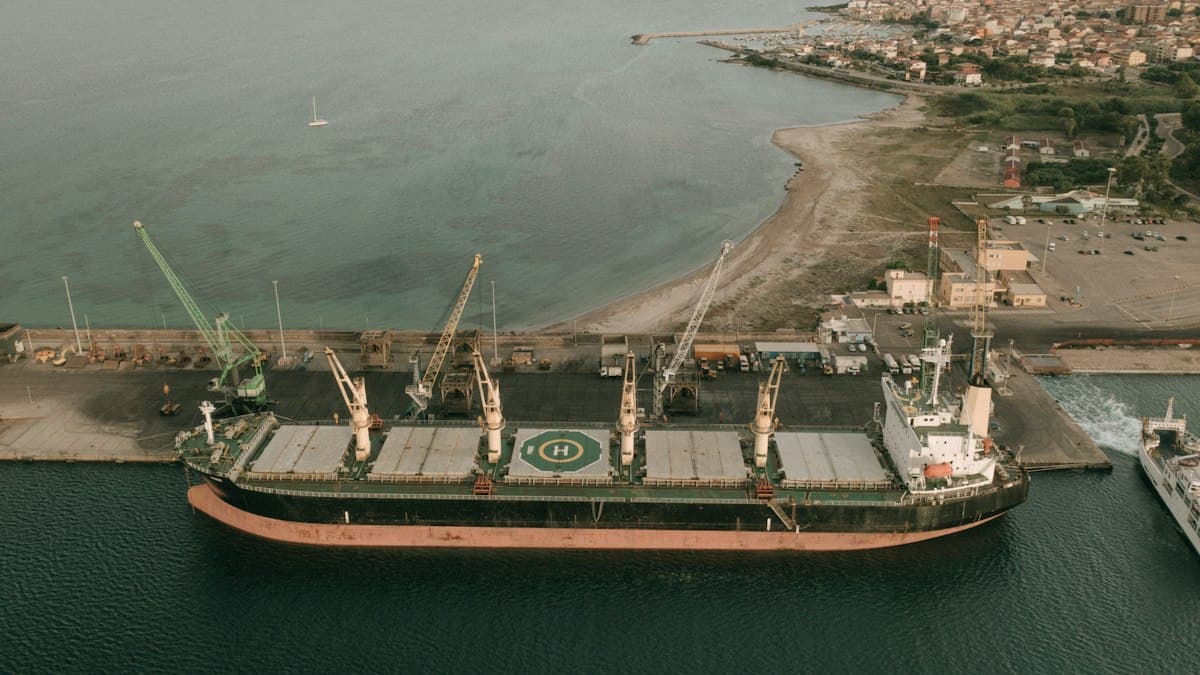
The reality olive oil faces once it leaves the mill
Freshly pressed extra virgin olive oil carries low acidity, high polyphenol content, and vivid aroma. The moment it leaves a mill in Andalusia or Tuscany, however, it begins encountering multiple stress factors. Sea freight alone from southern Europe typically takes 25–35 days. Add port handling and time in import warehouses, and the oil can easily spend more than two months in transit before reaching a consumer.
According to International Olive Council (IOC) guidelines, olive oil quality is most sensitive to three factors: temperature, oxygen, and light. A maritime shipping container combines all three in a single environment. Understanding the mechanism behind each is the starting point for evaluating what you eventually pour.
Container temperature: the biggest variable
Standard dry containers—the kind used for the vast majority of olive oil shipments—can reach extreme interior temperatures depending on the route and the season. A 2022 report from the Fraunhofer Institute for Material Flow and Logistics recorded interior temperatures of 55–65 °C inside dry containers on the Mediterranean–Asia route during summer, more than 20 °C above the ambient outside air. That temperature range sharply accelerates oxidation.
Olive oil oxidation follows the Arrhenius rate law for thermally driven reactions. According to a paper published in 2020 by a food science research team at the University of Córdoba, oxidation may proceed more than twice as fast at 40 °C as it does at 20 °C. If a container interior repeatedly crosses 40 °C during a six-week voyage, the acidity and peroxide value of the oil on arrival are likely to differ meaningfully from the figures recorded at the mill.
The accepted ideal storage range is 12–18 °C. Temperatures below that lower threshold can cause waxy esters to precipitate out of solution, producing a harmless but visually unappealing cloudiness known as the opalex effect—which is why refrigerator-level cold is not recommended. The key is maintaining a narrow, stable range between refrigeration and ambient warmth.

Light exposure and packaging: the invisible degradation
Light is every bit as consequential as temperature. Chlorophyll pigments present in olive oil act as photosensitisers, driving photo-oxidation when exposed to light. According to IOC data, polyphenol content in olive oil packaged in clear glass under fluorescent lighting can decrease up to 40% faster than in dark storage conditions.
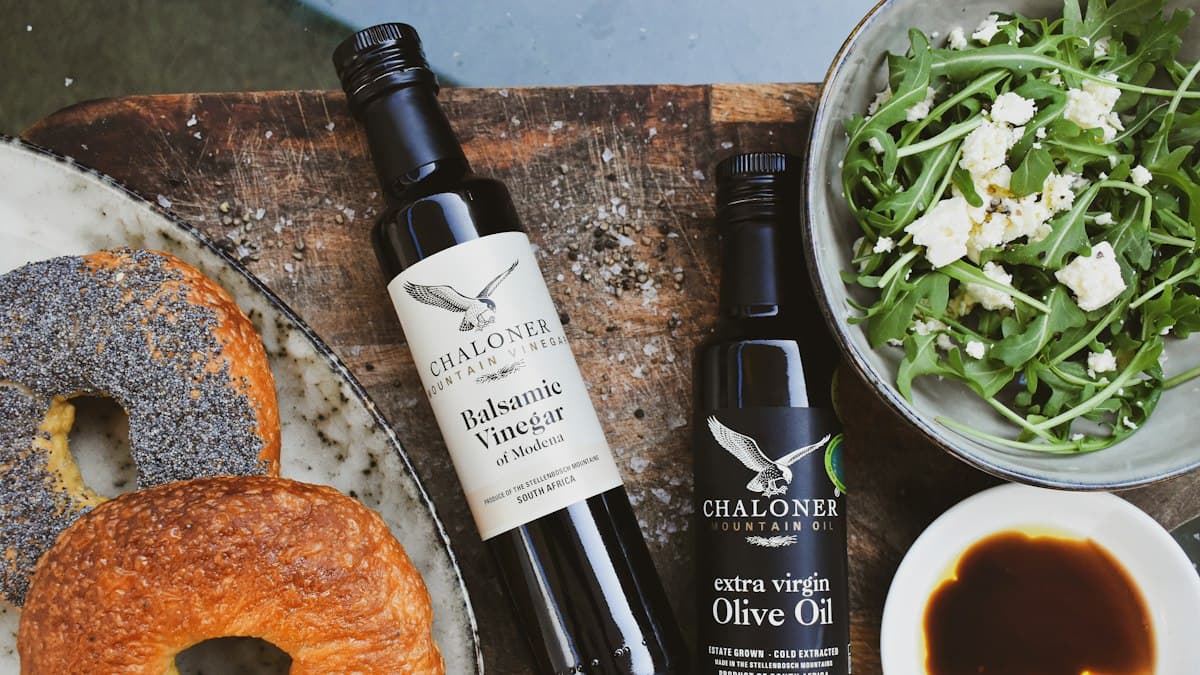
During port handling and warehouse storage, palletised product can be exposed directly to ambient or artificial light. Reputable importers typically counter this with three approaches: dark-tinted glass (amber or green) or fully opaque tin cans; black stretch-wrap applied to entire pallets to block light; and outer cardboard boxes that add a second barrier around individual bottles. Clear glass and PET containers are cheaper to produce but are widely considered unsuitable for long-haul shipment because of their low light-blocking performance.
Cold-chain coverage: where it stands today
Refrigerated (reefer) containers are already standard practice for chilled and frozen foods, but temperature management for olive oil varies considerably from one importer to the next. A reefer container can hold internal temperatures at around 18 °C, but it costs 30–50% more in freight charges than an equivalent dry container—a barrier that has slowed adoption.
According to the European Food Logistics Association's 2023 report, fewer than 15% of extra virgin olive oil volumes exported to Asia travel in reefer containers. Most shipments still move in dry containers, with temperature risk managed only by adjusting the loading season (spring or autumn departures) and by requesting cargo positions away from the top deck where heat is most intense.
For shipments that cannot justify full cold-chain logistics, two alternatives are gaining attention: PCM (phase-change material) insulated panels attached to container walls, which absorb and release heat to buffer temperature swings; and IoT temperature data loggers that record a continuous thermal history from the point of loading through to delivery. That logged record also serves as supporting evidence for quality verification on arrival.

Freshness indicators a consumer can actually check
What happens inside a container at sea is largely invisible to the end buyer. A few indirect indicators, however, offer useful signals.
Harvest date labelling is the first thing to look for. A product that states the harvest year separately from the best-before date signals that the producer places a higher priority on freshness. Best-before dates are typically set 18–24 months after pressing, but depending on transit and storage conditions, peak flavour may arrive and pass well before that date.
A Certificate of Analysis (CoA) accompanying the product is another reference point. If the CoA lists acidity (% as oleic acid), peroxide value (meq O₂/kg), and K270 UV absorbance as measured at the time of import, a buyer can compare those figures against the IOC's international EVOO thresholds—acidity below 0.8%, peroxide value below 20—to form a view of the oil's condition.
Packaging and supply-chain transparency round out the picture. An oil packaged in an opaque tin or tinted glass bottle, from an importer that publishes temperature-management records or IoT tracking data, is more likely to reflect the effort—and cost—of protecting quality in transit.
Understanding the supply chain is where good buying starts
Olive oil quality is established at the mill, but delivering it intact requires disciplined management at every stage of shipping and distribution. Container temperature control, light-blocking packaging, and cold-chain investment rarely appear on a price tag—yet they create real differences in what ends up in the bottle. Checking the harvest date, reading the CoA, and paying attention to packaging format and importer transparency are practical habits that make a genuine difference when choosing a bottle worth its price.
Frequently asked questions
- How does shipping temperature affect extra virgin olive oil quality?
- Heat accelerates oxidation. According to a study published by a food science team at the University of Córdoba in 2020, oxidation in olive oil can proceed more than twice as fast at 40 °C compared with 20 °C. A 2022 report from the Fraunhofer Institute for Material Flow and Logistics recorded interior temperatures of 55–65 °C inside standard dry containers on the Mediterranean–Asia summer route—well above the safe storage window of 12–18 °C.
- What is the ideal storage temperature for olive oil during transport?
- The commonly cited target is 12–18 °C. Temperatures below that range can cause waxy esters to precipitate, creating a harmless but unappealing haze called the opalex effect. Refrigerated (reefer) containers can hold conditions close to 18 °C, but according to the European Food Logistics Association's 2023 report, fewer than 15% of extra virgin olive oil shipments to Asia are currently transported that way.
- Does light exposure damage olive oil during shipping and storage?
- Yes. Chlorophyll in olive oil acts as a photosensitiser, triggering photo-oxidation when exposed to light. According to IOC data, polyphenol content in olive oil stored in clear glass under fluorescent lighting can decline up to 40% faster than in dark conditions. Opaque tin cans, tinted glass, and full-pallet black stretch-wrap are the main mitigation strategies used by importers.
- What should I look for on an olive oil label to judge freshness after import?
- Check for a harvest date (not just a best-before date). A best-before is typically set 18–24 months after pressing, but peak flavour often comes much earlier depending on how the oil was handled in transit. A Certificate of Analysis (CoA) listing acidity (below 0.8% oleic acid), peroxide value (below 20 meq O₂/kg), and K270 absorbance gives you the condition of the oil at the time of import, which you can compare against international EVOO standards set by the IOC.
- Are there alternatives to full cold-chain shipping for protecting olive oil quality?
- When full reefer containers are not used, two approaches are gaining traction: PCM (phase-change material) insulated panels fitted to container walls to buffer temperature swings, and IoT temperature data loggers that record a complete thermal history from loading to delivery. That logged data can then be used as evidence for quality verification on arrival.
Related reading
- Closer to the Source: A Practical Guide to Buying Olive Oil Direct from Producers
From farm-direct shipping and micro-importers to group buys, there are more ways than ever to reach a producer before a supermarket shelf does. This guide walks through each route, what to verify before you buy, and how to set realistic expectations on price and freshness.
- The Countdown Starts When You Break the Seal: An Olive Oil Oxidation Timeline
The moment you open a bottle of extra virgin olive oil, oxygen, light, and heat begin working against it. This guide maps freshness changes at one week, one month, and three months after opening — and lays out the storage habits that slow the decline.
- The Right Container Makes or Breaks a Bulk Olive Oil Purchase
Decanting a large tin or bottle of extra virgin olive oil into a smaller vessel sounds simple — but the container you choose determines how much of that quality actually survives. A practical guide to material, light-blocking, and seal performance.
- Reading Polyphenol Numbers on an Olive Oil Label: A Step-by-Step Comparison Guide
The mg/kg polyphenol figure printed on an extra virgin olive oil bottle is one of the most useful quality signals a label can carry — but only if you know how to read it. This guide walks through what the number means, how measurement method affects it, and what else to check alongside it.
- Olive Oil Sprayers: How Your Dispensing Method Affects Oil Quality
Convenience should not come at the cost of the oil itself. A guide to pump misters, hand-pump sprayers, and aerosol cans — and how each one treats your extra virgin olive oil.
- Light, Heat, Oxygen, Time: The Four Forces Destroying Your Olive Oil's Aroma
The flavor of extra virgin olive oil is quietly dismantled by four forces: light, heat, oxygen, and time. Here is the science behind each mechanism and what it means for storage.