Table
Four Spots in Your Kitchen — Only One Is Right for EVOO
Next to the stove, on the windowsill, in the fridge door, under the sink — four common storage spots and what each one actually does to your extra virgin olive oil. Light, heat, oxygen, and moisture are the variables; here is how to stack them in your favor.
Translated from the Korean edition, originally published July 9, 2026 · read the original
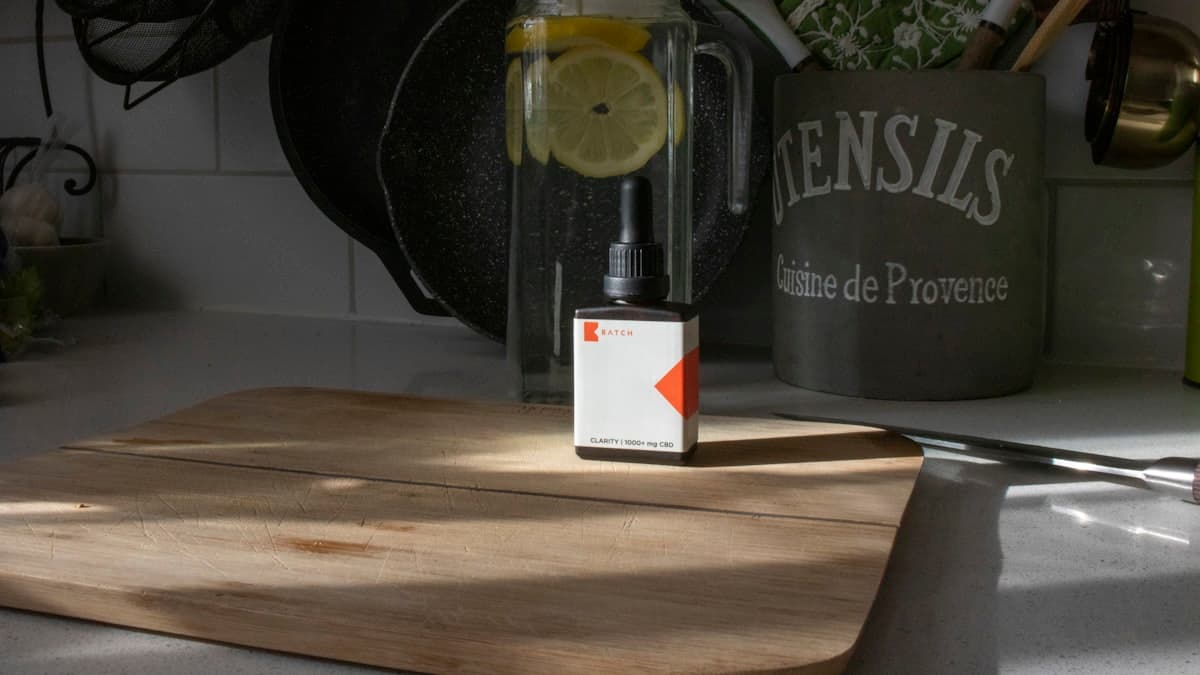
Oxidation begins quietly the moment you crack the seal on a bottle of extra virgin olive oil. According to International Olive Council (IOC) guidelines, four variables drive quality loss: light, heat, oxygen, and moisture. The layout of a modern kitchen — wide countertops flooded with natural light, a stove packed close to the prep area — makes managing all four at once genuinely difficult. Where you set the bottle determines how fast the oil inside changes, even before you pour a single drop.
Next to the Stove — Convenient, and the Worst Spot in the Room
The position most commonly chosen by home cooks is also the most damaging: right beside the burner, within arm's reach. The logic is convenience, but the trade-off is real. Research published by Spain's National Research Council (CSIC) has reported that repeated exposure to temperatures above 25 °C produces a measurable decline in polyphenol content within a few weeks. The area immediately around a lit gas ring can climb above 60 °C during a normal cooking session. A cap left off even briefly allows cooking vapors and airborne fat droplets to absorb into the oil. The higher the quality of the oil you chose at the shop, the more there is to lose by leaving it here.
The Windowsill — A Beautiful Trap
A row of gleaming glass bottles catching afternoon light looks appealing on a kitchen shelf, and many cooks arrange them there deliberately. Unfortunately, from an oxidation standpoint this position is nearly as problematic as the stovetop. IOC storage reference materials identify both ultraviolet and visible-spectrum light as accelerators of olive oil oxidation. A clear glass bottle sitting in direct sun for several hours a day can deteriorate significantly faster than the same oil kept in a dark, opaque container. If a windowsill is the only available surface, transferring the oil into a dense dark-green or amber glass bottle provides meaningful protection. Containers with metallic inner surfaces or strongly scented plastics are worth avoiding, as they can introduce off-notes into the oil.
The Refrigerator — It Solidifies, but the Quality Holds
Refrigeration is often dismissed on the grounds that the oil turns cloudy and semi-solid and becomes awkward to pour. That part is accurate: extra virgin olive oil begins to solidify below roughly 7–10 °C. What matters is that this change is entirely reversible. IOC technical documentation notes that the oil returns to its normal liquid state within 10 to 20 minutes at room temperature, with no effect on quality. The real benefit of cold storage is that it slows oxidation appreciably. One caveat worth noting: the door shelf is the least stable zone in any refrigerator, because the temperature fluctuates every time the door opens, which can cause condensation to form around the cap. Moisture entering the bottle is a quality risk, so an inner shelf — where temperatures stay steadier — is preferable to the door rack. For any portion of oil you do not expect to use within a month of opening, refrigeration is a sound choice.
Under the Sink or in a Dark Pantry — The Most Reliable Option
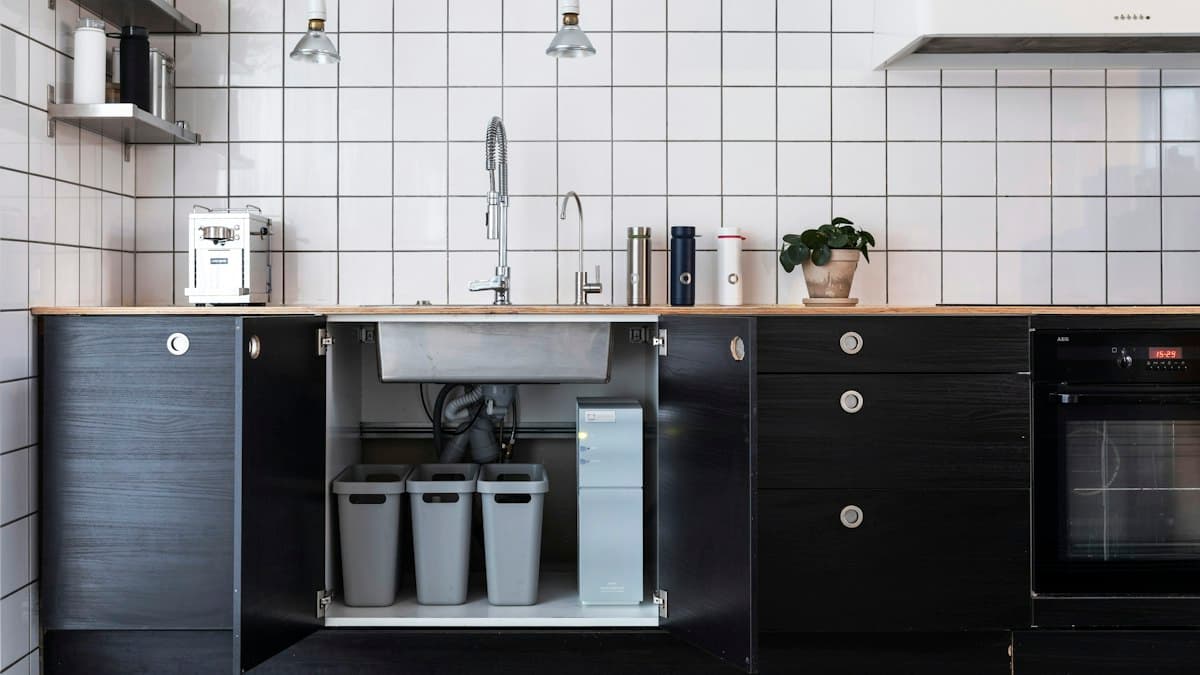
The closest most kitchens come to ideal EVOO storage is a closed cabinet beneath the counter or a pantry with no direct light source. Temperature swings are modest, sunlight does not reach the bottle, and — provided humidity is managed — the space naturally satisfies the IOC's recommended conditions: dark, cool, and dry. The council's suggested storage temperature of 14–18 °C is within the range of a typical interior cabinet in a climate-controlled home. One practical note specific to under-sink storage: plumbing in that space can raise ambient humidity. Placing a moisture absorber nearby, or setting the bottle on a shelf rather than directly on the cabinet floor, keeps condensation from becoming a problem. Store the bottle upright, replace the cap immediately after each use, and — as the IOC consumer guide advises — aim to finish an opened bottle within 30 to 45 days to enjoy it at its best.
Container Choice and a Final Checklist
The vessel matters as much as the location. Dark glass is the standard recommendation; stainless steel is equally effective at blocking light. If you decant a large-format bottle into smaller ones for easier daily use, make sure each smaller container is completely clean and bone-dry before filling — residual water or traces of another oil can accelerate rancidity. To summarize the four spots: the area beside the stove exposes oil to heat and vapor and is best avoided entirely; a windowsill without light-blocking measures is unsuitable; the refrigerator works well for longer-term storage, with an inner shelf preferred over the door; and a dark under-sink cabinet or pantry, with humidity kept in check, is the most stable everyday option. Choosing a good bottle is only half the work — where it lives in your kitchen determines how much of that quality actually reaches the table.
Frequently asked questions
- Does storing olive oil in the fridge ruin it?
- No. Extra virgin olive oil solidifies partially below about 7–10 °C, but this is fully reversible — it returns to liquid within 10 to 20 minutes at room temperature with no quality loss, according to IOC technical guidance. Refrigeration actually slows oxidation and is a sensible choice for any bottle you won't finish within a month of opening.
- Why is keeping olive oil next to the stove a bad idea?
- The area around a gas or electric burner can exceed 60 °C during cooking. Research published by Spain's National Research Council (CSIC) has reported that repeated exposure to temperatures above 25 °C leads to a noticeable decline in polyphenol content within a matter of weeks. Cooking vapors and splatter can also penetrate a loosely capped bottle, introducing off-flavors.
- Is a windowsill okay if the bottle is dark glass?
- Dark glass helps, but direct sunlight still carries UV and visible-light wavelengths that the IOC identifies as accelerators of oxidation. If a windowsill is unavoidable, a dense dark-green or amber bottle offers meaningful protection — a clear glass bottle in the same spot does not.
- What is the ideal temperature range for storing EVOO?
- The IOC recommends 14–18 °C, dark, dry conditions. A cool interior cupboard or pantry that is shielded from direct light typically meets these criteria without any special equipment.
- How long does opened olive oil stay at its best?
- The IOC consumer guide advises finishing an opened bottle within 30 to 45 days to enjoy the oil's flavor at its fullest. Sealing the cap immediately after each use and keeping the bottle upright are the two simplest steps you can take to slow deterioration.
Related reading
- How to Pick an Olive Oil Gift Set: A Price-by-Price Guide
From entry-level blends to single-estate bottles, choosing an olive oil gift set calls for a different eye than buying a single bottle. Here is what to look for on the label and in the box at every price tier.
- First Week vs. One Month: How an Open Bottle of EVOO Changes
Extra virgin olive oil smells and tastes noticeably different the day a bottle is opened compared with a month later. This guide traces what air, light, and heat do to polyphenols and volatile aromas — and how to slow the process down.
- Ciabatta, Sourdough, Focaccia: Matching Bread Character to Olive Oil Intensity
Ciabatta, sourdough, and focaccia each bring a distinct fermentation profile, crumb structure, and crust to the table. Matching olive oil intensity to bread character lets both ingredients amplify each other rather than compete.
- Guacamole, Tacos, and Olive Oil: A Pairing That Goes Back Centuries
From sixteenth-century Spanish missionaries to modern Latin kitchens in Mexico City, New York, and Los Angeles, extra virgin olive oil has long had a place at the Mexican table. This guide traces the history and explores how chefs are using it today.
- Butter Country No More: How Scandinavia Learned to Cook with Olive Oil
Olive oil is reshaping Nordic kitchens — from Copenhagen's Michelin-starred restaurants to Swedish home pantries. This guide traces how EVOO found its place alongside smoked fish, fermented rye, and root vegetables in one of the world's most distinctive food cultures.
- Pairing Olive Oil with Wine: A Guide to Matching Aromas, Bitterness, and Texture
Extra virgin olive oils differ markedly in acidity, bitterness, and fruitiness — and each profile calls for a different wine partner. This guide maps those sensory axes to white, red, and natural wines.