Table
Butter or Olive Oil on Bread: Two Fats, Two Traditions
Choosing between butter and extra virgin olive oil at the bread basket is a decision shaped by more than personal taste — it reflects different agricultural histories, fat compositions, and flavor philosophies. This guide maps the differences and matches each fat to the breads it suits best.
Translated from the Korean edition, originally published August 7, 2026 · read the original
Bread and Fat: Two Ancient Paths from the Same Starting Point
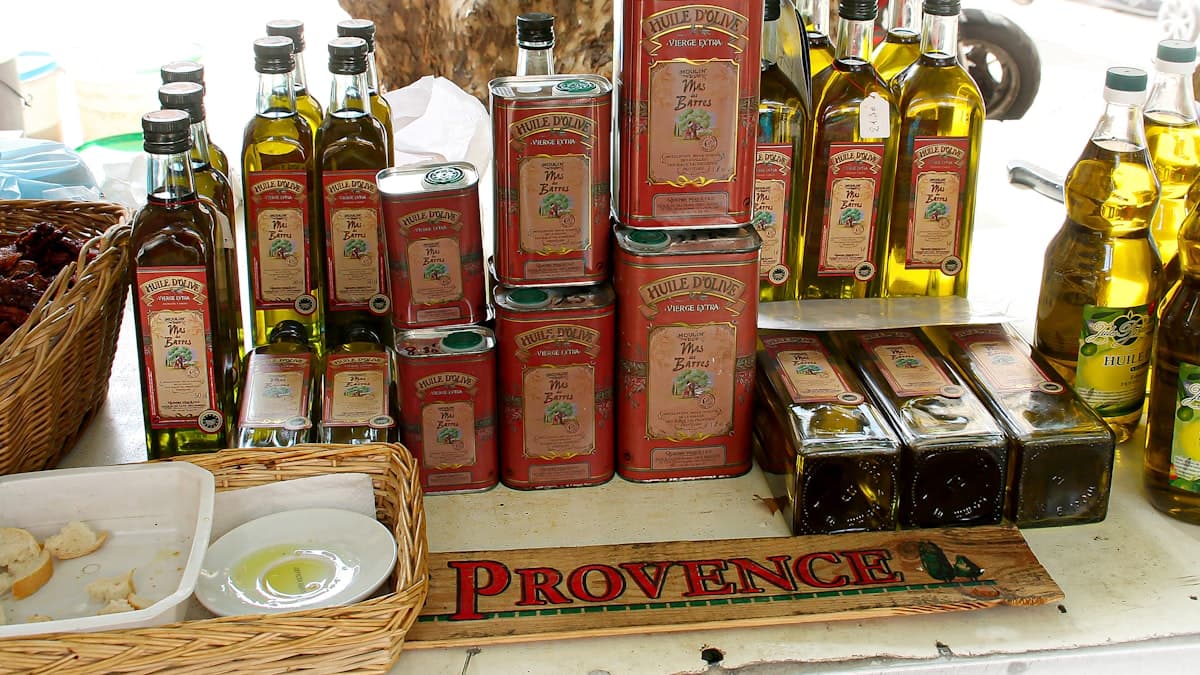
The choice that sits in front of a slice of bread turns out to reflect a surprisingly old civilizational divide. At tables across northern Europe and North America, cold, firm butter is spread from the tip of a knife. At restaurants around the Mediterranean coast, a small dish of olive oil waits for a torn corner of bread to be dragged through it. Both fats bring out the nuttiness of good bread, but they arrive at very different flavor destinations.
Butter is an animal fat made by churning the cream separated from cow's milk. Its moisture content runs roughly 16–18%, with the remainder composed almost entirely of milk fat, producing its characteristic creamy, sweet dairy aroma. Extra virgin olive oil (EVOO), by contrast, is the unprocessed juice of the olive fruit, extracted by mechanical pressing. It contains almost no water, and its fatty acids, polyphenols, and aromatic compounds are preserved intact — delivering a flavor spectrum that shifts, depending on cultivar and origin, from fresh grass and green apple to almond and a peppery finish at the back of the throat.
How Fat Composition Shapes Flavor
Understanding the difference between these two fats starts with their fatty acid profiles. Butter has a high proportion of saturated fat, which keeps it solid at room temperature and gives it a weighty, melting softness on the palate. According to the USDA nutrient database, butter contains approximately 51 g of saturated fat per 100 g — more than half its total fat content.
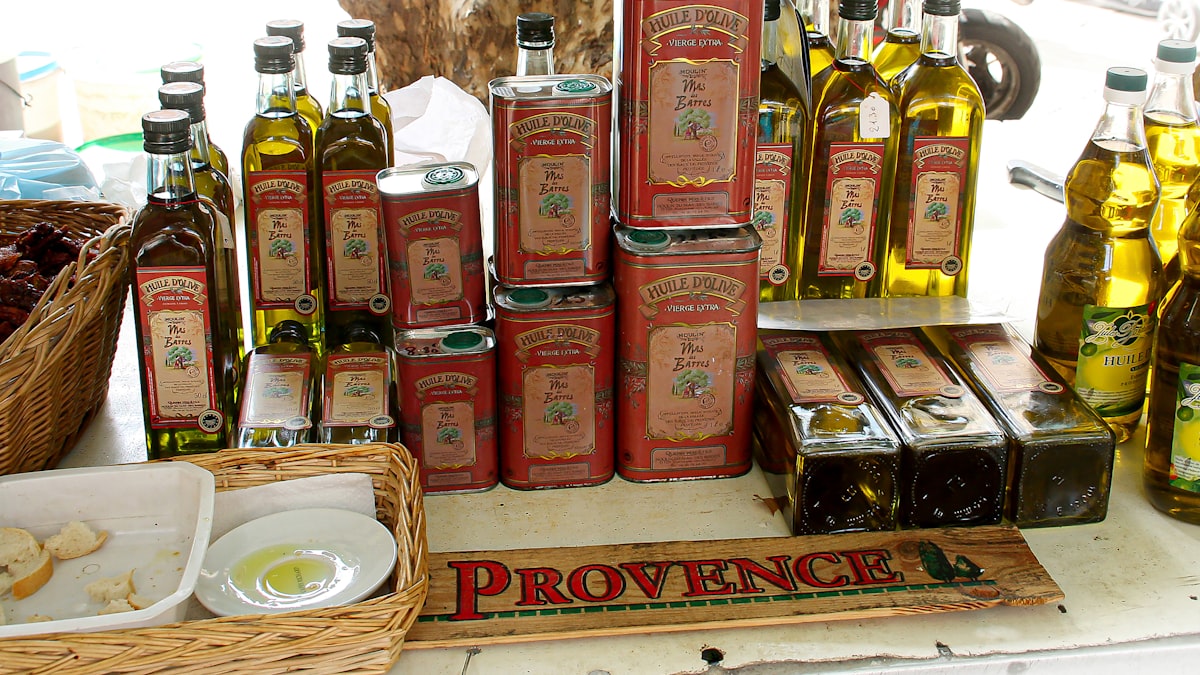
EVOO has the opposite structure. According to data from the International Olive Council (IOC), monounsaturated fatty acids — primarily oleic acid — account for an average of around 70% of EVOO's fatty acid content, which is what keeps it liquid at room temperature. Fats rich in oleic acid are known to oxidize relatively slowly under heat, and oleic acid has been a consistent area of interest in research on the Mediterranean diet.
In terms of flavor, butter "wraps" — it coats the palate with a smooth, closed richness. EVOO "opens" — it adds a layered aroma that unfolds. Dipping a piece of just-baked ciabatta into a fresh EVOO, the first impression is a clean, green olive fragrance; this gives way to a subtle bitterness and then a peppery catch at the back of the throat. That finish has been reported to originate from oleocanthal, a polyphenol compound, and is widely regarded as an indicator of freshness and quality.
The Roots of Mediterranean Bread Dipping
In southern Italy, Greece, and Andalusia, the combination of bread and olive oil is not a recipe — it is a cultural act. In restaurants across these regions, a small dish of olive oil and a basket of bread arrive at the table as soon as you sit down, a ritual that occupies the minutes before the menu is even consulted. In Spain, pan con tomate — toast rubbed with tomato and finished with olive oil — is an everyday breakfast across much of the country.
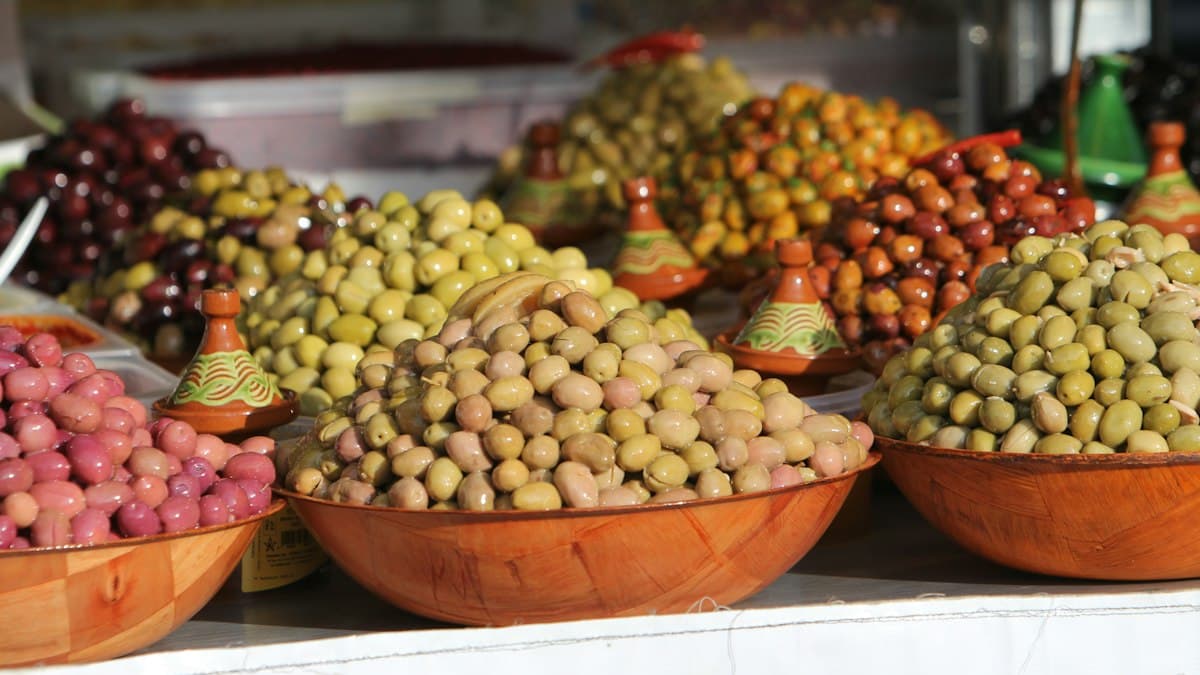
The agricultural context behind this tradition is direct. Olive trees grow in poor, dry soils that would not support intensive dairy farming, and for centuries, freshly pressed olive oil was simply the most available fat along the Mediterranean coast. Butter was a product of the well-watered pastures of northern Europe; in the Mediterranean, it was a relative rarity. The habit of dipping bread in olive oil developed as a practical and economical way to add calories and flavor to a meal, and it has since become one of the most recognizable elements of Mediterranean food culture.

A Bread-by-Bread Pairing Guide
Matching fat to bread is a question of balancing texture and flavor. Working from the characteristics of each bread type, a few natural pairings emerge.
Breads with a crisp crust and an open, airy crumb — ciabatta, focaccia, baguette — suit EVOO dipping well. The large air pockets absorb oil quickly and distribute its aroma evenly through the bread. A pinch of flaky sea salt on top sharpens the contrast between the oil's herbal notes and the bread's slight sweetness.
Butter-enriched breads like croissants and brioche are a natural match for butter, but EVOO is not without merit here: lightly toasted and finished with a thread of olive oil and a touch of honey, these breads take on an unexpected complexity. The brightness of the oil cuts through the richness of the dough in a way that butter on butter cannot.
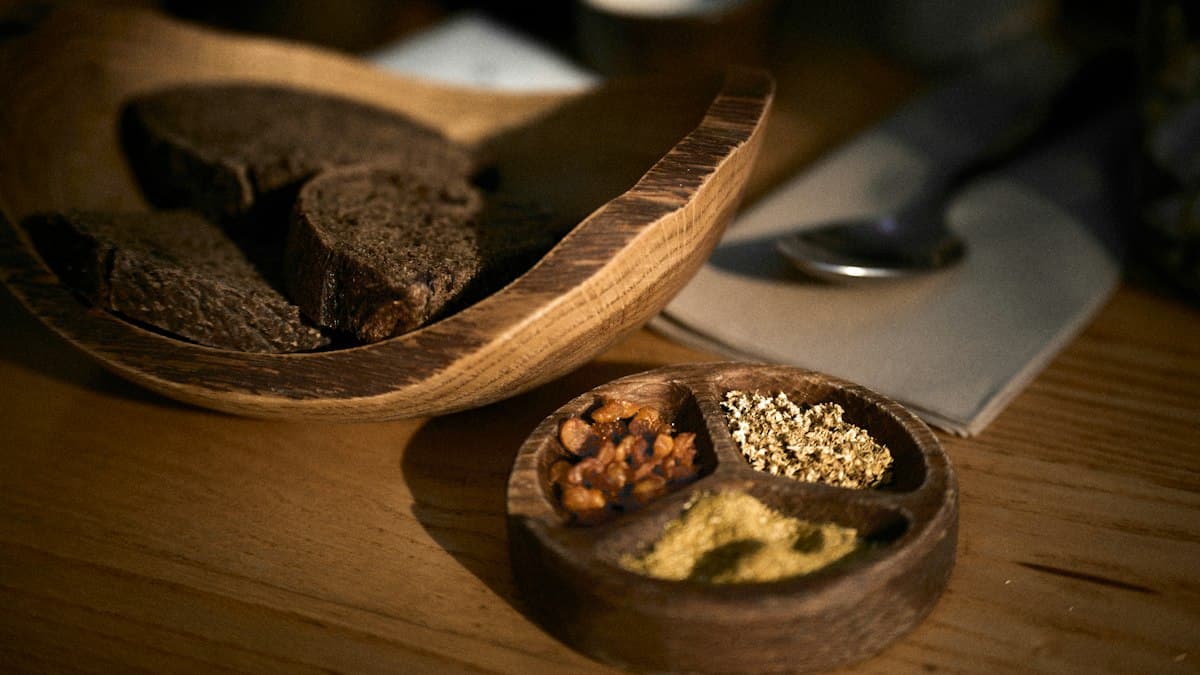
Whole-grain and rye breads take both fats well. Butter softens the heavier grain flavors; a full-bodied EVOO amplifies them. For these denser loaves, oils with high polyphenol content and a pronounced finish — Picual is frequently cited in this context — tend to hold their own against the bread's earthiness.
The Meaning Behind the Choice
The decision between olive oil and butter at the table is not purely a matter of preference. It involves the physical properties of each fat, the texture and character of the bread, the setting of the meal, and the kind of flavor experience you are looking for. Butter answers a desire for creamy, enveloping comfort. EVOO answers a desire for something lighter, more aromatic, and at its best, pleasantly assertive.
Researchers working on Mediterranean diet patterns have described the habit of eating EVOO with bread as one of the diet's core elements, noting that it contributes to overall flavor satisfaction at the table — though it is too early to draw firm conclusions from any single dietary component in isolation. There is no correct answer between the two fats. If EVOO is the choice, however, selecting a fresh product with clearly labeled acidity and polyphenol figures is the most reliable first step toward experiencing what that choice actually has to offer.
Frequently asked questions
- Is it better to dip bread in olive oil or spread butter on it?
- Neither is objectively superior — the choice depends on the bread, the meal context, and the flavor experience you want. Butter delivers a creamy, enveloping richness, while extra virgin olive oil brings a lighter, aromatic quality with a peppery finish that varies by cultivar and harvest. For open-crumbed breads like ciabatta or baguette, EVOO dipping is widely considered the more expressive choice.
- What makes extra virgin olive oil taste different from butter on bread?
- The difference comes down to fat composition and the compounds each carries. Butter is high in saturated fat (around 51 g per 100 g, according to the USDA nutrient database), which gives it a solid texture at room temperature and a smooth, dairy-sweet flavor. EVOO is dominated by oleic acid — a monounsaturated fat that averages around 70% of its fatty acid content according to the International Olive Council (IOC) — and retains polyphenols and aromatic compounds that produce flavors ranging from fresh grass and green apple to almonds and a peppery finish at the back of the throat.
- Why do Mediterranean restaurants serve olive oil with bread instead of butter?
- The practice is rooted in agricultural geography. Olive trees thrive in the dry, rocky soils of the Mediterranean basin, where olive oil has been a dietary staple for centuries. Dairy farming on the scale needed to produce butter was historically more common in the cooler, grassland regions of northern Europe. In southern Italy, Greece, and Andalusia, dipping fresh bread in newly pressed olive oil was simply the most available and economical way to add fat and flavor to a meal — a habit that has become a recognized cultural ritual.
- Which types of bread go best with olive oil?
- Breads with a crisp crust and an open, airy crumb — ciabatta, focaccia, and baguette — are well suited to EVOO dipping, because the large air pockets absorb oil quickly and distribute its aroma evenly. Whole-grain and rye breads also pair well with a full-bodied EVOO; cultivars like Picual, with high polyphenol content and a pronounced finish, are frequently cited as particularly complementary to dense, earthy loaves. Butter-enriched breads such as croissants and brioche are naturally matched with butter, though a drizzle of olive oil with honey can offer an unexpected contrast.
- What should I look for when choosing an olive oil to serve with bread?
- Look for a bottle that clearly states its acidity level and, ideally, its polyphenol content. A low acidity reading (typically below 0.8% for extra virgin grade) and a measurable polyphenol figure indicate freshness and careful production. The peppery catch at the back of the throat that good EVOO produces has been reported to originate from oleocanthal, a polyphenol compound, and is widely regarded as a marker of quality and freshness. Serving the oil at room temperature in a small dish, rather than chilled, allows the full aromatic range to open up.
Related reading
- Bread, Oil, and a Ritual Older Than Cookbooks
From the rough loaves of ancient Mediterranean farmhands to the bread baskets of Italian-American restaurants, dipping bread in olive oil has quietly become one of the world's most universal food rituals. OLEA traces how it traveled.
- Ciabatta, Sourdough, Focaccia: Matching Bread Character to Olive Oil Intensity
Ciabatta, sourdough, and focaccia each bring a distinct fermentation profile, crumb structure, and crust to the table. Matching olive oil intensity to bread character lets both ingredients amplify each other rather than compete.
- Guacamole, Tacos, and Olive Oil: A Pairing That Goes Back Centuries
From sixteenth-century Spanish missionaries to modern Latin kitchens in Mexico City, New York, and Los Angeles, extra virgin olive oil has long had a place at the Mexican table. This guide traces the history and explores how chefs are using it today.
- Butter Country No More: How Scandinavia Learned to Cook with Olive Oil
Olive oil is reshaping Nordic kitchens — from Copenhagen's Michelin-starred restaurants to Swedish home pantries. This guide traces how EVOO found its place alongside smoked fish, fermented rye, and root vegetables in one of the world's most distinctive food cultures.
- Pairing Olive Oil with Wine: A Guide to Matching Aromas, Bitterness, and Texture
Extra virgin olive oils differ markedly in acidity, bitterness, and fruitiness — and each profile calls for a different wine partner. This guide maps those sensory axes to white, red, and natural wines.
- Soy, Gochujang, Doenjang: Ratio Guides for Korean Jang Dressings with Extra Virgin Olive Oil
Combining extra virgin olive oil with Korea's fermented jang pastes opens unexpected flavor territory — but the ratios matter. This guide breaks down the optimal oil-to-jang proportions for soy sauce, gochujang, and doenjang, with practical applications for each.
Tags
- bread pairing
- extra virgin olive oil
- butter
- mediterranean food culture
- tasting guide