Table
Bread, Oil, and a Ritual Older Than Cookbooks
From the rough loaves of ancient Mediterranean farmhands to the bread baskets of Italian-American restaurants, dipping bread in olive oil has quietly become one of the world's most universal food rituals. OLEA traces how it traveled.
Translated from the Korean edition, originally published August 20, 2026 · read the original
Bread and Oil: The Oldest Language at the Table
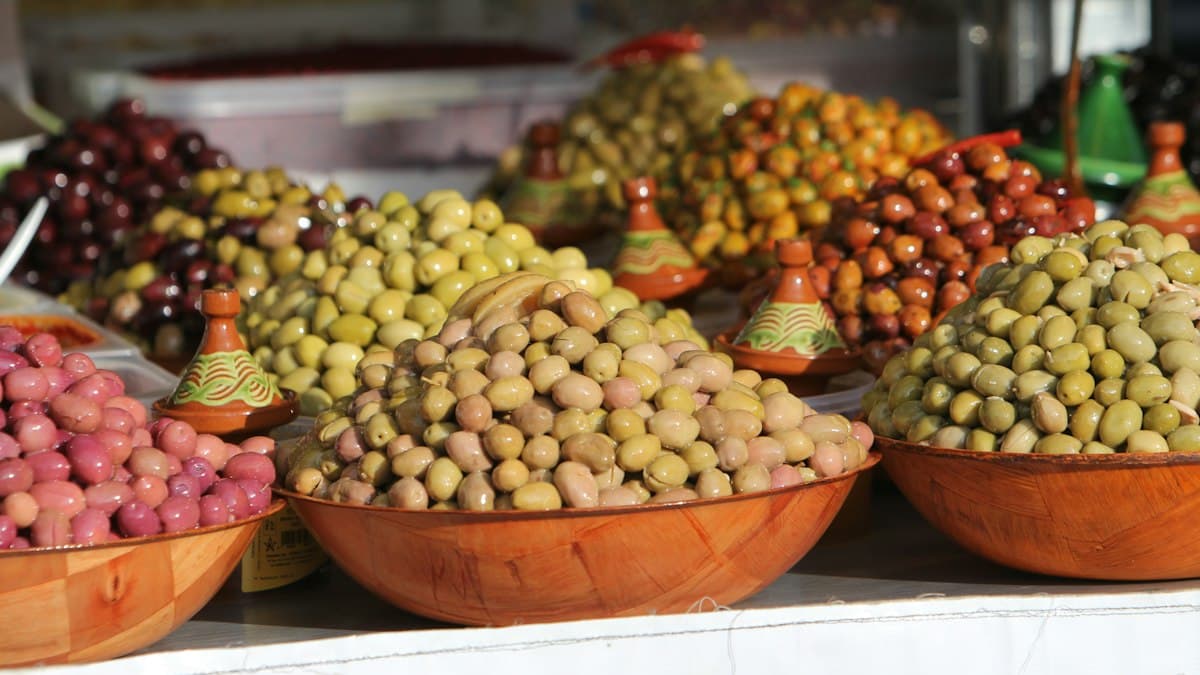
Dipping a piece of bread into olive oil looks like a simple gesture, but it carries thousands of years of civilization within it. Olive cultivation along the Mediterranean coast is traced back to around 6000 BCE, and in the literature of ancient Greece and Rome, dipping wheat bread in olive oil appears as an unremarkable daily act — evidence that olive oil was not merely an ingredient but a foundation of life. In Homer's epics, olive oil is described as a sacred substance used equally for food, ritual, and cleansing the body.
Cato, who authored the Roman agricultural treatise De Agri Cultura, recorded bread, olive oil, and cured olives as standard components of the diet for slaves and farm workers. To contemporary eyes the combination sounds luxurious; at the time it was simply how people working the fields refueled. Tearing a piece of rough bread and soaking it in fresh oil was both an act of survival and a shared memory across the entire olive-growing world.
Italy, Spain, Greece: Three Dialects of the Same Ritual
Cross the Mediterranean and the same two ingredients appear in entirely different forms. In Tuscany, a tradition called pinzimonio has long paired unsalted bread — pane sciocco — with freshly pressed extra virgin olive oil. Each November, when newly harvested olives are cold-pressed into what locals call olio nuovo, Tuscan farmhouses mark the season by drizzling the oil generously over lightly grilled bruschetta.
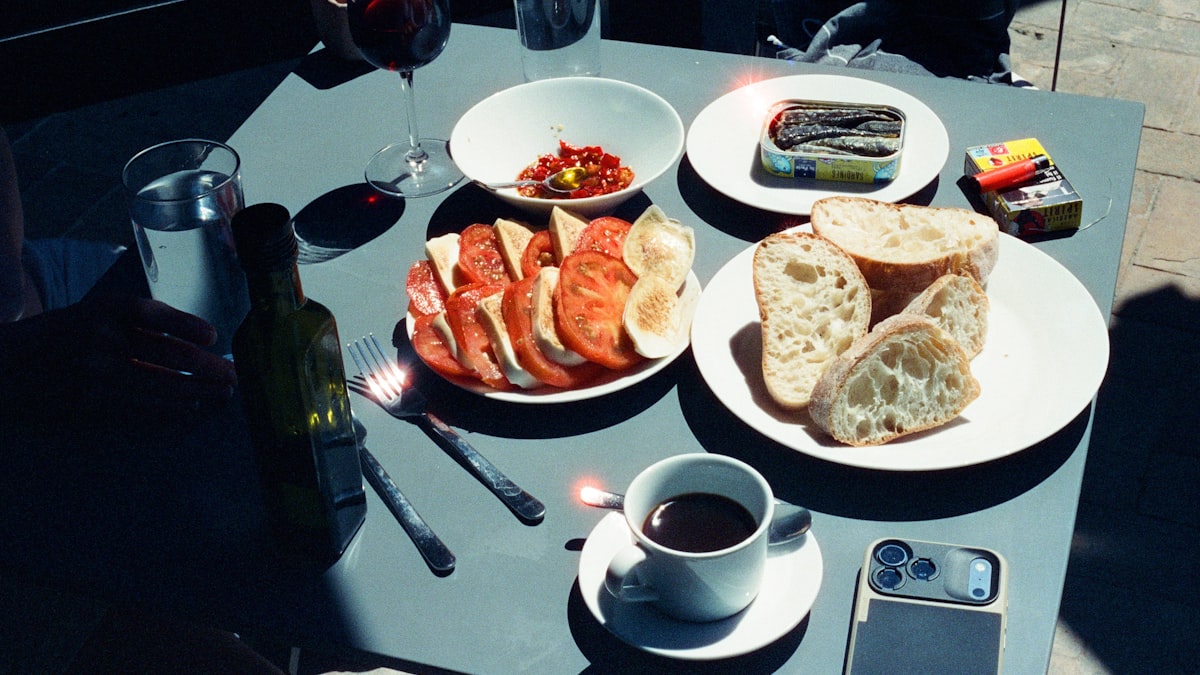
Catalonia has pa amb tomàquet: a halved tomato rubbed directly onto toasted bread, followed by a pour of olive oil and a pinch of salt. The tradition stands apart from the olive oil culture of Andalusia further south and represents its own distinct regional dialect. In Greece, thick slices of white bread or pita are submerged in olive oil and finished with salt and dried oregano. All three countries share the pairing of bread and oil; the experience diverges completely depending on the cultivar, harvest timing, and flavor profile of the oil in the bowl.
Crossing the Atlantic: How Restaurants Turned a Farmhand's Meal into a Dining Ritual
Olive oil dipping established itself as a marker of Western restaurant culture during the 1980s and 1990s. As Italian restaurants proliferated across the United States, placing a dish of extra virgin olive oil alongside the bread basket became standard table practice. Drizzling balsamic vinegar over the oil, or offering herb- and garlic-infused versions, also took hold during this period. According to data from the International Olive Council (IOC), U.S. imports of extra virgin olive oil more than doubled over the 1990s, with the expansion of restaurant dining culture identified as one of the principal factors.
The same trajectory unfolded in other markets as Italian and Mediterranean restaurants opened in major cities through the early 2000s, introducing many consumers to olive oil dipping for the first time. Home cooks followed, toasting baguettes and ciabatta to serve with a dish of extra virgin — a habit that helped drive steady growth in premium olive oil sales, with single-origin and higher-grade extra virgin products accounting for a rising share of the market.

Oil Quality Determines How Deep the Experience Goes
At the center of dipping culture is the olive oil itself. Because the oil is presented without butter or other accompaniments, its aroma and texture are fully exposed — making this one of the most quality-sensitive ways to encounter extra virgin. Specialists consistently recommend oils with low acidity and high polyphenol content for dipping: the fresher and more flavor-dense the oil, the more its bitter, peppery finish — the piccante — is present to balance the natural sweetness of the bread.
Under European Commission quality standards for olive oil, extra virgin grade requires acidity below 0.8%, but the finest single-origin products frequently record acidity below 0.2%. Lower acidity indicates that the oil has been kept fresh from harvest through pressing, allowing the olive's intrinsic aromas to come through without sour off-notes. Cultivar choice shifts the experience further: high-polyphenol varieties such as Italian Coratina or Spanish Picual deliver intensity and a peppery bite, while softer cultivars produce a smoother, more buttery quality. Matching the oil to the moment — and to personal preference — is where the Mediterranean sensibility around dipping begins.
Bringing the Ritual to Today's Table
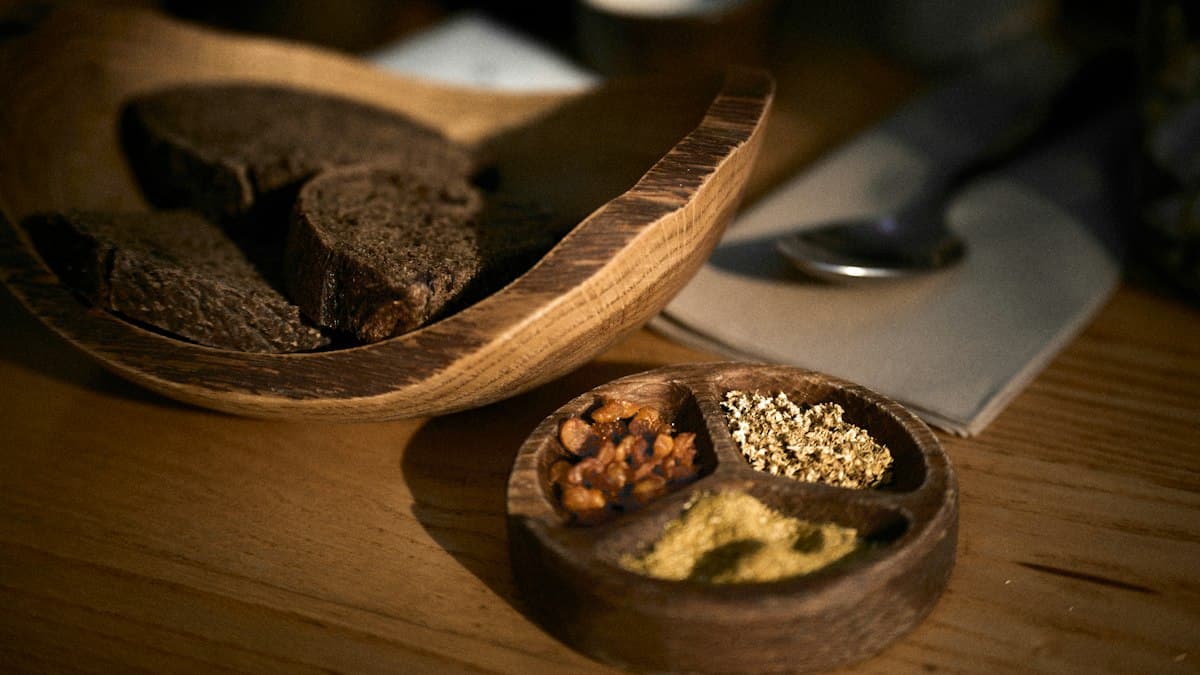
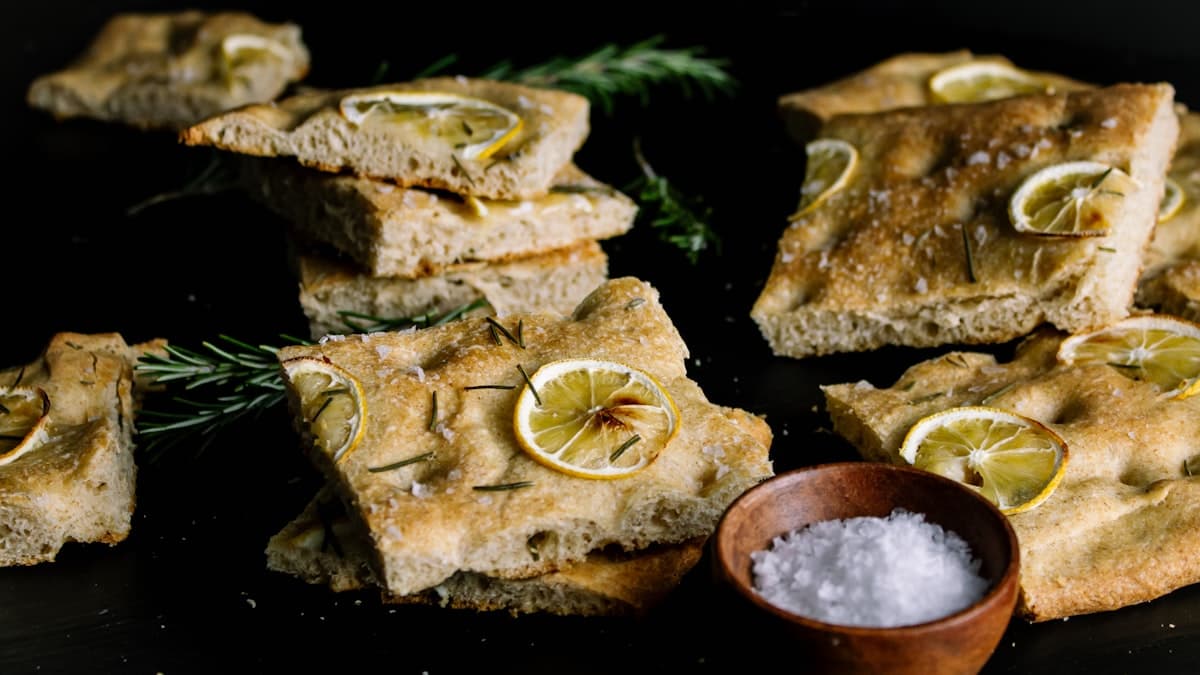
Incorporating Mediterranean dipping culture into everyday life is more straightforward than it might seem. Bread with a crisp crust works best: it absorbs oil while holding its shape, which is why ciabatta, focaccia, and thick-sliced sourdough are the most common choices. Pour the oil generously into a wide, shallow dish; if desired, add a pinch of coarse salt, a sprig of fresh rosemary, or a clove of garlic pressed gently into the oil to infuse it with aroma.
Temperature is a variable worth paying attention to. Oil used directly from the refrigerator has closed-down aromatics, and the complex grassy and fruity notes that define quality extra virgin are difficult to detect. Leaving the oil at room temperature for around 30 minutes before serving allows those aromatic compounds to open, producing a noticeably richer experience. When selecting a high-quality extra virgin for the table, checking the harvest year and the declared acidity level on the label is a habit worth building. In the moment of dipping — bread meeting oil — something that has been passed down across thousands of years of Mediterranean life quietly arrives at the table.
Frequently asked questions
- When did people start dipping bread in olive oil?
- Olive cultivation in the Mediterranean is traced back to around 6000 BCE, and ancient Greek and Roman texts describe dipping wheat bread in olive oil as an everyday practice. The Roman writer Cato recorded bread, olive oil, and cured olives as standard fare for farmers and field workers.
- How is bread dipping different in Italy, Spain, and Greece?
- Each region has its own version. In Tuscany, unsalted bread called pane sciocco is dipped in freshly pressed olio nuovo each November to celebrate the harvest. In Catalonia, the tradition is pa amb tomàquet — bread rubbed with tomato, then drizzled with olive oil and salt. In Greece, thick white bread or pita is dipped in oil and finished with salt and oregano. The common thread is bread and olive oil; the flavor experience varies considerably depending on the cultivar and harvest timing.
- Why did olive oil bread dipping become popular in the United States?
- The practice spread widely through Italian restaurants during the 1980s and 1990s, when placing a dish of extra virgin olive oil alongside the bread basket became a defining table ritual. According to data from the International Olive Council (IOC), U.S. imports of extra virgin olive oil more than doubled over that decade, and the growth of restaurant dining culture was identified as one of the primary drivers.
- What kind of olive oil is best for dipping?
- Specialists recommend an extra virgin olive oil with low acidity and high polyphenol content. Under European Commission quality standards, extra virgin grade requires acidity below 0.8%, but the finest single-origin oils often record acidity below 0.2%. Lower acidity indicates the oil has been kept fresh, allowing the olive's natural aroma to come through without off-notes. High-polyphenol cultivars such as Picual or Coratina deliver an intense, peppery finish, while softer varieties offer a buttery quality — the choice depends on personal preference.
- Does temperature affect how olive oil tastes when you dip bread in it?
- Yes, noticeably. Oil taken straight from the refrigerator has muted aromas, making it harder to detect the grassy, fruity notes characteristic of quality extra virgin. Allowing the oil to rest at room temperature for about 30 minutes before serving opens up those aromatic compounds and produces a considerably richer tasting experience.
Related reading
- Ciabatta, Sourdough, Focaccia: Matching Bread Character to Olive Oil Intensity
Ciabatta, sourdough, and focaccia each bring a distinct fermentation profile, crumb structure, and crust to the table. Matching olive oil intensity to bread character lets both ingredients amplify each other rather than compete.
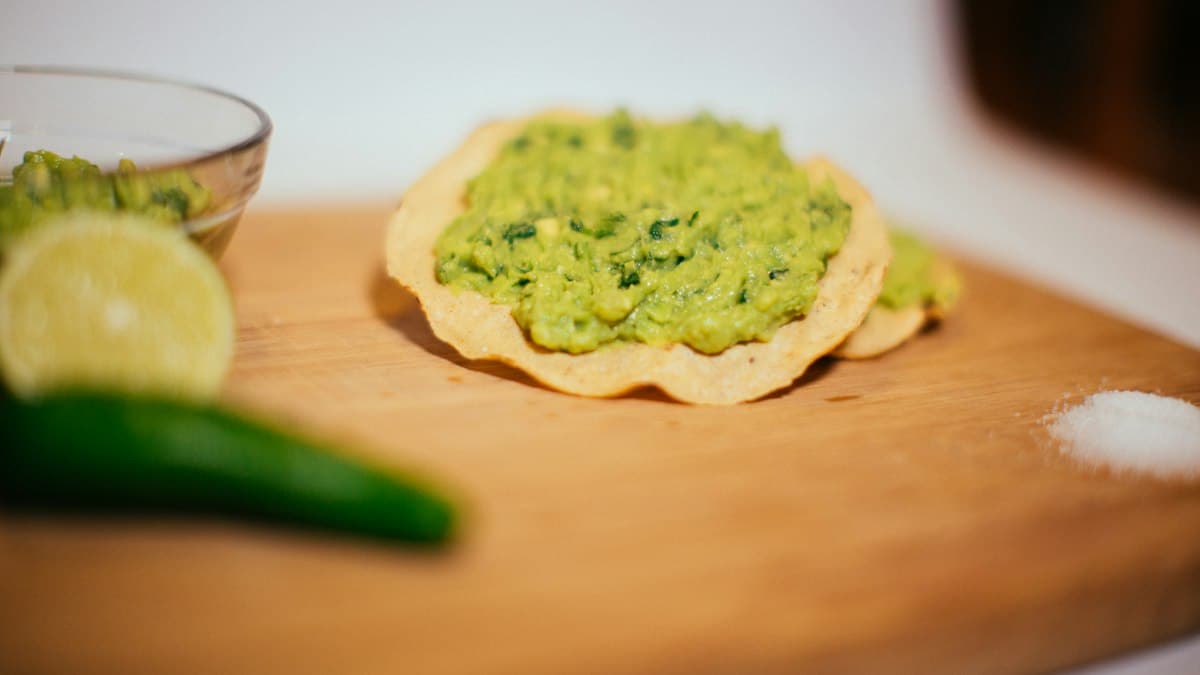
- Guacamole, Tacos, and Olive Oil: A Pairing That Goes Back Centuries
From sixteenth-century Spanish missionaries to modern Latin kitchens in Mexico City, New York, and Los Angeles, extra virgin olive oil has long had a place at the Mexican table. This guide traces the history and explores how chefs are using it today.
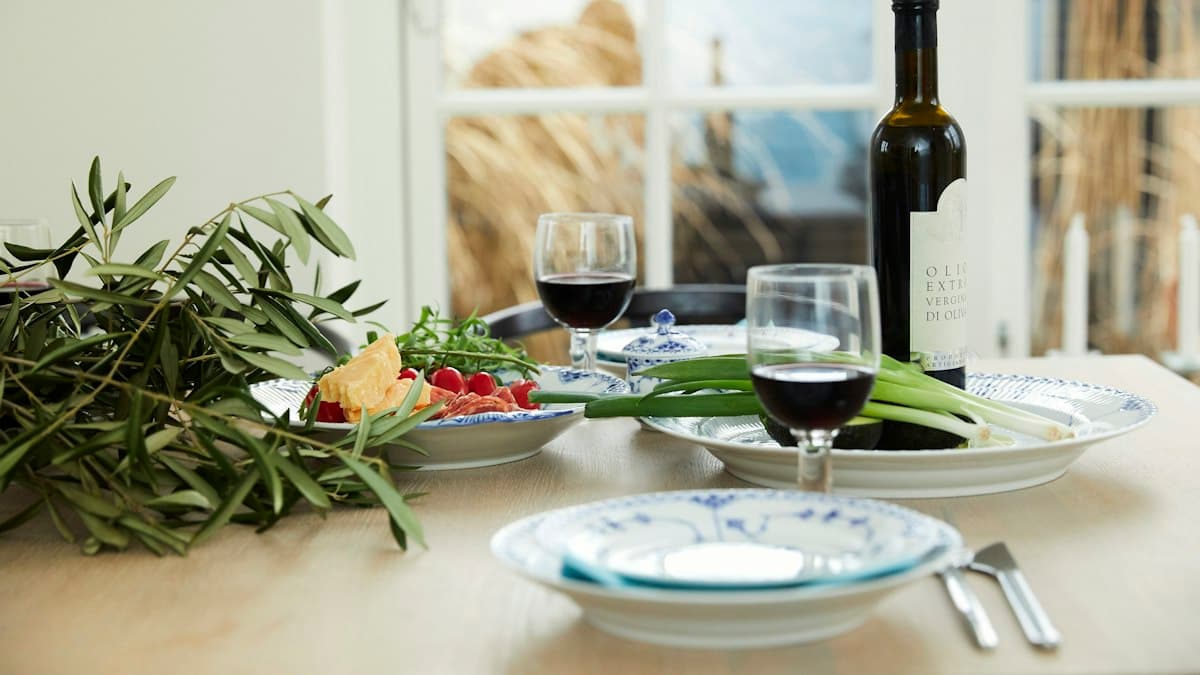
- Pairing Olive Oil with Wine: A Guide to Matching Aromas, Bitterness, and Texture
Extra virgin olive oils differ markedly in acidity, bitterness, and fruitiness — and each profile calls for a different wine partner. This guide maps those sensory axes to white, red, and natural wines.
- Decanting vs. Direct Pour: How You Serve Olive Oil Shapes Its Aroma
Whether to transfer extra virgin olive oil into a decanter or pour straight from the bottle is not merely a matter of style. Oxygen exposure time and temperature shifts both affect the volatile compounds responsible for fresh, complex aroma.
- A Drop of Science: Pairing Dark Chocolate with Extra Virgin Olive Oil
A drizzle of extra virgin olive oil over dark chocolate softens bitterness and amplifies aroma. From the molecular interactions of phenolic compounds to cultivar-by-cultivar pairing choices, OLEA explores this combination through the lens of culinary science.
- California vs. European Olive Oil: How Origin Shapes Flavor
California has spent three decades building a serious olive oil industry, but the state's climate, cultivar mix, and harvesting philosophy produce a flavor profile that differs meaningfully from Mediterranean benchmarks. Here is what those differences actually mean at the bottle.
Tags
- bread dipping
- extra virgin olive oil
- mediterranean food culture
- history
- tasting