Table
Labneh, Tzatziki, Haydari: How the Mediterranean and Middle East Pair Olive Oil with Yogurt
From strained labneh drizzled with extra virgin olive oil to herb-laden tzatziki and Iranian mast, the Mediterranean and Middle East share a long tradition of combining yogurt with olive oil. Here is a guide to the classic forms and how they translate to a modern table.
Translated from the Korean edition, originally published October 25, 2026 · read the original
Why These Two Ingredients Belong Together
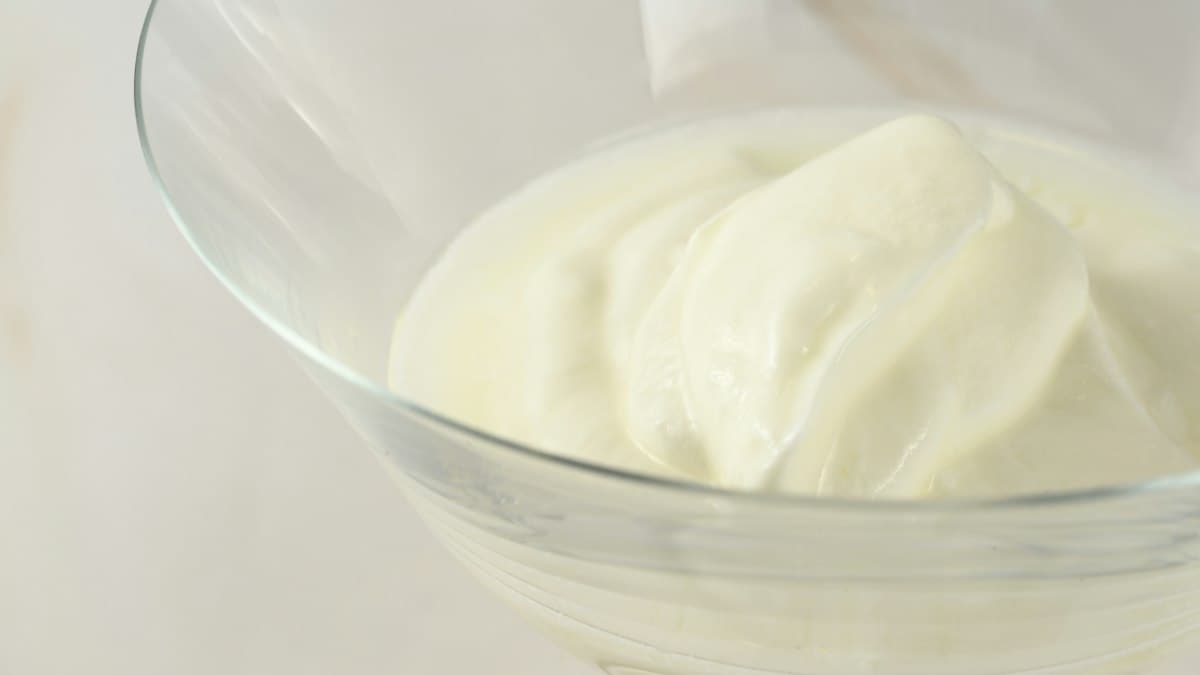
Olive oil and yogurt have shared the same table across the Mediterranean littoral and the broader Middle East for thousands of years. The pairing brings together two very different materials — an animal dairy fat and a plant oil, tartness and depth of flavor — and the reason they work goes beyond simple habit.
Yogurt carries its characteristic acidity from lactic-acid fermentation, along with a creamy, coating texture. Olive oil, poured over the top, softens that acidity and, once the two combine on the palate, expands the flavor considerably. Fat molecules binding aromatic compounds and extending the time they spend on the tongue is a well-documented principle in food science. Cooks across Lebanon, Turkey, Greece, and Israel have applied it intuitively for millennia.

Labneh: Strained Yogurt Cheese and Olive Oil
No discussion of Middle Eastern food culture is complete without labneh. The process is straightforward: yogurt is tied in cheesecloth and left to drain for anywhere from a few hours to more than a day, producing a thick, spreadable yogurt cheese. The result appears at breakfast, on mezze spreads, and as a light meal across Lebanon, Syria, Palestine, and Jordan.
Finished labneh is spooned onto a plate, hollowed slightly with the back of a spoon, and finished with a generous pour of extra virgin olive oil that pools in the well. This image — white labneh, golden oil — is one of the defining pictures of a Levantine morning table. Za'atar (a spice blend of thyme, sumac, and sesame), fresh mint, marinated olives, and sliced tomatoes complete the spread.
The long culinary tradition of the region suggests that the oil used with labneh should have a medium-to-full body without being aggressively herbaceous. An early-harvest oil with low acidity and a meaningful polyphenol content adds a slight bitter-peppery finish at the end without colliding with the yogurt's sourness.
Haydari and Greek Yogurt Dips: Garlic and Herb Variations
In Turkey and Greece, the tradition of combining yogurt with olive oil, garlic, and herbs developed into a distinct category of dip. Turkish haydari is a thick strained yogurt mixed with crushed garlic, dill, and mint, then finished with olive oil — served as a meze alongside bread or roasted vegetables.
In Greece, tzatziki is the most recognized version. Grated cucumber, garlic, dill or mint, and lemon juice are folded into Greek yogurt, and the dip is finished with a pour of olive oil. It may look simple, but the fat content of the yogurt and the cultivar of the olive oil each affect texture and flavor in meaningful ways. Regional recipes within Greece differ; in some areas, olive oil is used so generously that the surface of the finished dip gleams.
According to data compiled by the Food and Agriculture Organization of the United Nations (FAO), annual olive oil consumption in Mediterranean-rim countries has been recorded at roughly ten times the global average — a figure that reflects how thoroughly olive oil is embedded in this region's everyday cooking, yogurt dishes included.

Iranian and South Caucasian Approaches: Mast and Olive Oil
In Iranian cuisine, yogurt — called mast — is a foundational ingredient. Mast-o-khiar, a mixture of yogurt with cucumber, raisins, and herbs, is a standard side dish at the Iranian table. Food culture researchers note that while animal fats were traditionally used as a finishing element in some preparations, olive oil has increasingly appeared as a finishing drizzle, particularly in Tehran and other urban restaurant settings, as its availability has grown.
In Georgia, in the South Caucasus, matsoni — a locally developed fermented yogurt with its own distinct culture — is sometimes combined with walnuts, olive oil, and cilantro. The food of this region, positioned between West Asia and Europe, reflects the overlap of Mediterranean and Middle Eastern culinary traditions.
Modern Applications: From Breakfast Bowls to Dressings
The combination now travels well beyond its traditional contexts. According to a 2023 Euromonitor International report, Greek yogurt consumption in Western Europe and North America rose more than 30 percent compared with 2018, and interest in olive oil–based yogurt recipes has grown alongside it.
The practical applications are several. For a breakfast bowl, Greek yogurt with a drizzle of extra virgin olive oil, honey, nuts, and fresh fruit is the most direct adaptation of the labneh principle. For a dressing, yogurt whisked with lemon juice, olive oil, salt, and herbs produces something that works on salads and roasted vegetables. Labneh-style strained yogurt can replace ricotta on pasta or spread on grilled bread.
When choosing an oil with yogurt pairing in mind, a softer style with almond or buttery notes integrates smoothly with mild yogurts. For thicker, more intensely fermented yogurts such as labneh, a high-polyphenol variety like Picual — with its pronounced flavor and assertive finish — is often noted as providing structure that a more delicate oil might not.
Understanding the Ingredients Reveals the Combination
The olive oil and yogurt pairing is not a trend. It is the result of thousands of years of repeated, practical choice across the Mediterranean and Middle East — which is precisely what gives it durability.
Understanding how these two ingredients interact — how fat wraps acidity, how herbs fill the space between them, how texture shifts with the ratio of oil to yogurt — opens the door to applications beyond following a fixed recipe. The act of pouring olive oil over a plate of labneh is simple. The principles it rests on are not, and that is why the combination has traveled from ancient Levantine tables to contemporary kitchens around the world without losing its coherence.
Frequently asked questions
- Why do Mediterranean and Middle Eastern recipes combine olive oil with yogurt?
- Fat molecules bind aromatic compounds and hold them on the palate longer — a principle well established in food science. Cooks across Lebanon, Turkey, Greece, and Iran have applied this intuitively for millennia: the oil softens yogurt's acidity while extending its flavor. The result is a balance that neither ingredient achieves on its own.
- What kind of olive oil works best with labneh?
- Regional tradition favors an oil with medium-to-full body but no aggressive bitterness — something that complements labneh's tang without overwhelming it. An early-harvest oil with low acidity and meaningful polyphenol content adds a slight bitter-peppery finish without clashing with the fermented sourness. High-polyphenol varieties such as Picual can work well with thicker, more intensely fermented labneh.
- How is haydari different from tzatziki?
- Both are yogurt-and-herb dips finished with olive oil, but they differ in detail. Turkish haydari uses a thick strained yogurt with crushed garlic, dill, and mint, finished with a generous pour of olive oil — the texture is dense and the herbs are assertive. Greek tzatziki adds grated cucumber and usually lemon juice, producing a looser, fresher dip. Regional recipes within Greece vary considerably; some versions are heavily doused in olive oil so the surface shines.
- Is drizzling olive oil over yogurt just a trend, or does it have deeper roots?
- It has deep roots. Labneh topped with olive oil has appeared on Levantine breakfast tables for centuries, and yogurt-based dips finished with oil are documented across Turkish, Greek, Iranian, and South Caucasian cuisines long before the combination became fashionable in Western food media. According to a 2023 Euromonitor International report, Greek yogurt consumption in Western Europe and North America rose more than 30 percent between 2018 and 2023, bringing renewed attention to olive oil–yogurt recipes, but the underlying tradition predates that interest by a very long margin.
- How can I use the olive oil and yogurt combination beyond dips?
- The pairing extends in several directions. For a breakfast bowl, spoon Greek yogurt into a bowl, drizzle extra virgin olive oil over the top, and finish with honey, nuts, and fresh fruit. For a quick dressing, whisk yogurt with lemon juice, olive oil, salt, and herbs, then spoon over salads or roasted vegetables. Labneh-style strained yogurt can replace ricotta on pasta or toast. When the yogurt is mild, a softer, buttery-style oil integrates smoothly; when the yogurt is sharply fermented, a bolder, high-polyphenol oil adds structure rather than disappearing into the background.
Related reading
- Cold Dishes, Full Flavor: Choosing Olive Oil for Gazpacho, Cold Pasta, and Chilled Salads
When heat is removed from the equation, olive oil has nowhere to hide. A guide to matching cultivar character, acidity, and polyphenol levels to gazpacho, cold pasta, and chilled salads.
- Ciabatta, Sourdough, Focaccia: Matching Bread Character to Olive Oil Intensity
Ciabatta, sourdough, and focaccia each bring a distinct fermentation profile, crumb structure, and crust to the table. Matching olive oil intensity to bread character lets both ingredients amplify each other rather than compete.
- Matching Olive Oil Intensity to Your Ingredients: A Pairing Guide
Acidity and grade tell you whether an olive oil is good; intensity tells you where it belongs on the plate. This guide walks through the mild, medium, and intense tiers — and the cooking variables that shift the equation.
- Cacao Percentage as a Compass: Pairing Chocolate with the Right Olive Oil
From dark to white, the cacao content of a chocolate sets the intensity, bitterness, and texture that an olive oil needs to match. This guide maps cultivar character and polyphenol weight to each tier of the chocolate spectrum.
- Caponata, Arancini, Granita: How Sicily Uses Olive Oil at Every Stage of a Meal
In Sicily, olive oil is not a condiment—it is the structural language of the kitchen. From the slow soffritto that opens a caponata to the finishing drizzle that closes it, the island's cooks assign oil a precise role at every moment of cooking.
- Guacamole, Tacos, and Olive Oil: A Pairing That Goes Back Centuries
From sixteenth-century Spanish missionaries to modern Latin kitchens in Mexico City, New York, and Los Angeles, extra virgin olive oil has long had a place at the Mexican table. This guide traces the history and explores how chefs are using it today.